



Dining customs in Britain have developed over many years, influenced by tradition, etiquette, and everyday routine.
Some habits remain widely recognised at the dinner table, even as dining styles elsewhere have become more relaxed or informal.
These practices may seem familiar to those who grew up with them, yet they can appear unusual to visitors who are not used to the same conventions.
Looking at these remaining habits helps highlight how cultural traditions can continue in small but meaningful ways.
This article provides general information only and is intended for entertainment.
Dining customs can vary across households, regions, and personal preference.
Images, if included, are for illustrative purposes only.
1. Saying 'Cheers' Before Drinking

Across much of the world, a simple nod or sip begins a drink, but Brits wouldn't dream of taking that first gulp without a proper 'cheers.'
It's a small ritual that signals camaraderie and good manners, whether you're clutching a fizzy drink or a glass of elderflower cordial.
Eye contact is crucial too.
Miss someone's gaze during the toast and you're supposedly cursed with seven years of bad luck in the bedroom, according to old superstition.
That's quite the incentive to look around the table.
2. Passing Dishes To The Left
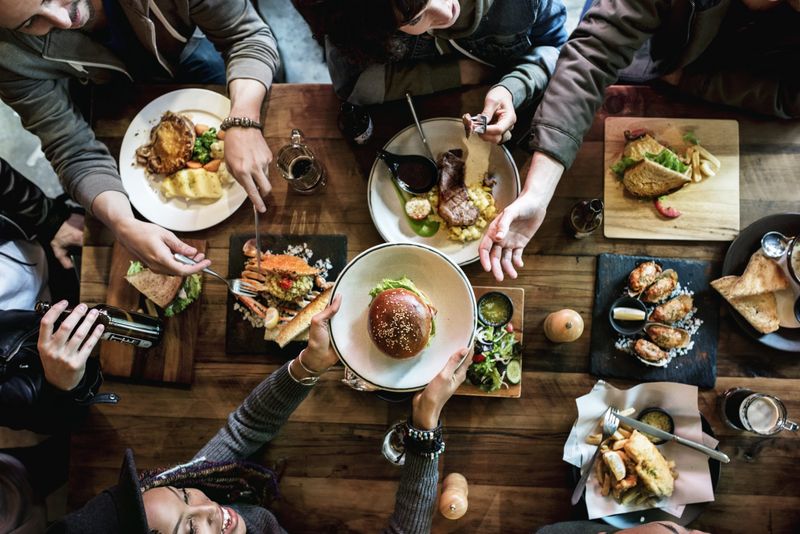
Ever wondered why your nan insists the gravy boat travels anticlockwise?
Passing dishes to the left is a British dining convention rooted in naval and military tradition, where order and consistency mattered.
It prevents chaos and ensures everyone gets their fair share without collisions.
Most people don't even realise they're doing it.
It's simply how things have always been done, passed down like the good china itself.
Break this rule and you might get a raised eyebrow or two.
3. Using The Fork In The Left Hand And Knife In The Right
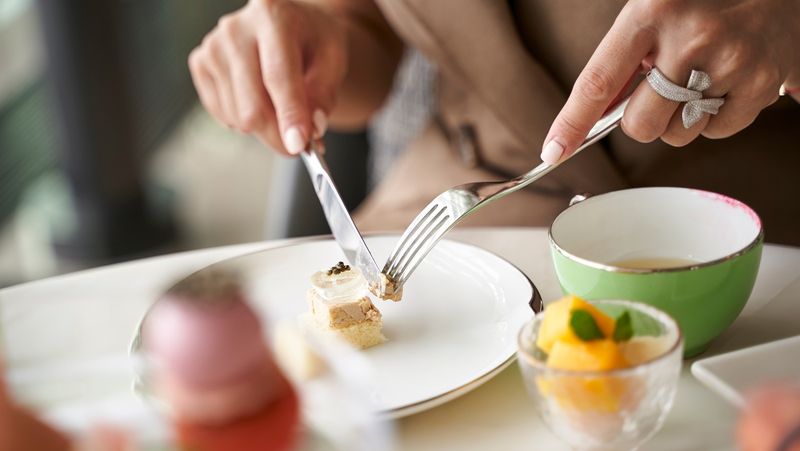
Switching hands mid-meal?
Not in Britain.
Whilst Americans tend to cut with the right hand and then swap the fork over, Brits keep the fork firmly in the left and the knife in the right throughout the entire meal.
It's considered the proper way, taught from childhood.
This method is often called 'continental style,' but Brits would argue it's simply efficient.
No faffing about, no awkward utensil juggling.
Just straightforward, no-nonsense eating that gets the job done.
4. Placing Cutlery Together To Show You've Finished
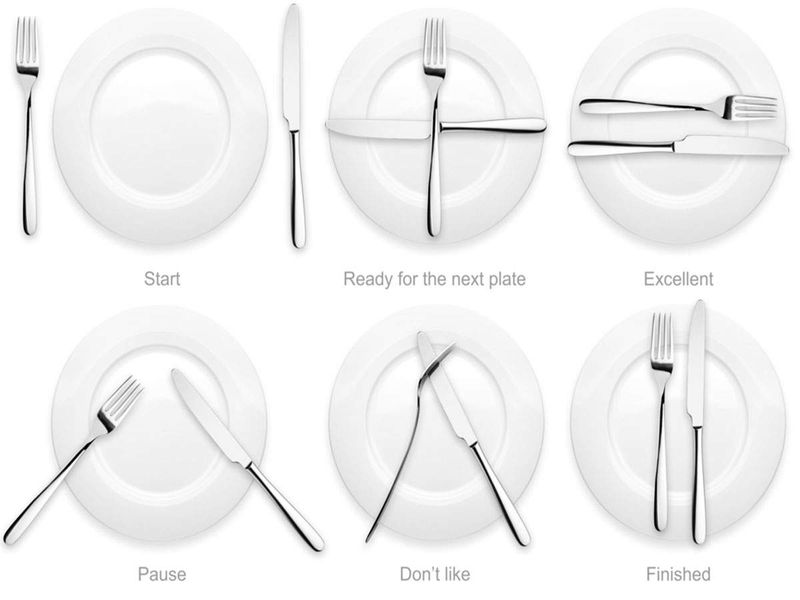
In Britain, your cutlery speaks for you.
When you're done eating, placing your knife and fork side by side at the six o'clock position signals to the host or server that your plate is ready to be cleared.
Leave them askew, and you're technically still dining.
This silent language of cutlery positioning is drilled into British children early on.
It's polite, practical, and avoids awkward interruptions.
Foreigners often miss this cue entirely, leading to confused waitstaff hovering uncertainly nearby.
5. Waiting For Everyone To Sit Before Starting
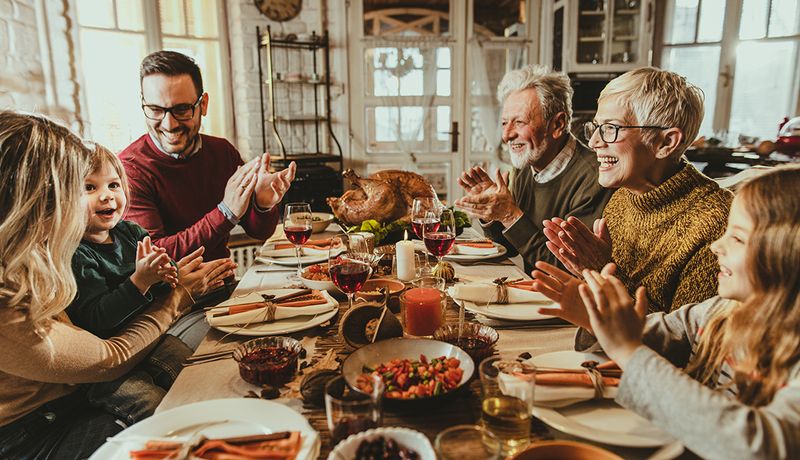
Grabbing a chip before everyone's seated?
Absolutely not.
British dining etiquette demands that all diners wait until everyone is sitting comfortably before anyone lifts a fork.
It's a mark of respect and togetherness, ensuring no one feels left out or rushed.
This rule applies whether it's a formal Sunday lunch or a casual midweek tea.
Even ravenous teenagers know better than to dive in early.
Breaking this tradition risks a stern look from Gran and a lecture about manners.
6. Asking To 'Be Excused' Before Leaving The Table

Bolting from the table without a word?
Not in a British household.
Children are taught from an early age to ask permission before leaving, usually with a polite 'May I be excused?'
It's a courtesy that acknowledges the shared nature of mealtime.
Even adults often give a nod or quick explanation before departing mid-meal.
It's not about control, but rather showing respect for the company and the occasion.
This habit sticks well into adulthood, even when dining alone feels oddly formal.
7. Serving Custard Warm Over Dessert
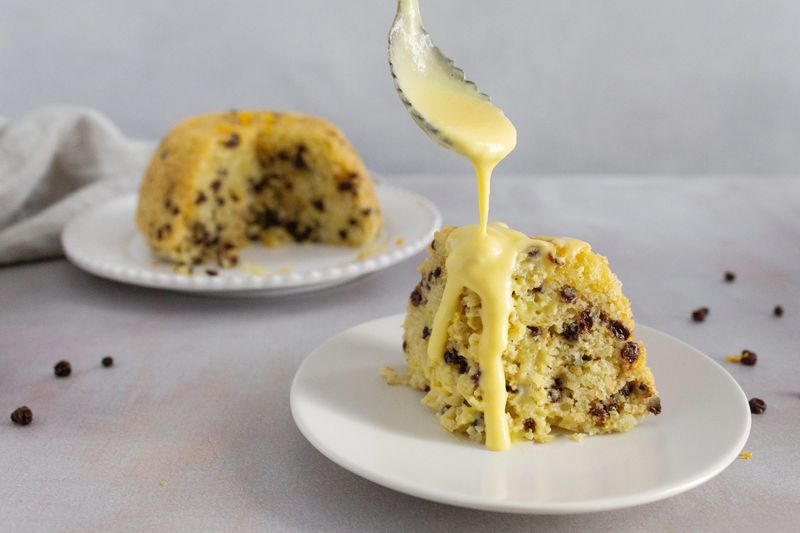
Cold custard is a culinary crime in Britain.
Whether it's drizzled over sticky toffee pudding, apple crumble, or spotted dick, custard must be served piping hot and gloriously smooth.
It's the crowning glory of British puddings, transforming even the simplest dessert into comfort food perfection.
This tradition baffles many visitors, who might expect ice cream or cream instead.
But for Brits, warm custard is non-negotiable.
Bird's Custard Powder has been a kitchen staple since 1837, ensuring generations never go without.
8. Keeping Condiments Like Salad Cream On The Table
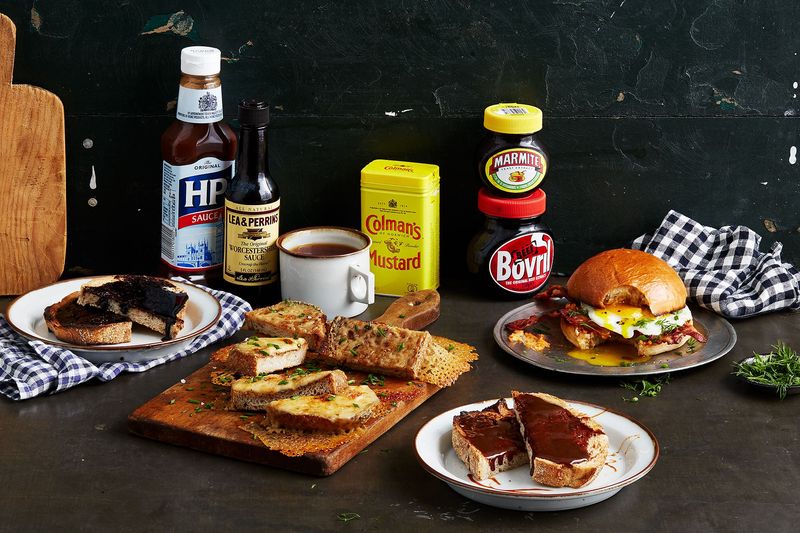
Salad cream, brown sauce, ketchup – the British condiment collection lives permanently on the table, ready for action.
Unlike in some countries where sauces are hidden away, Brits believe in easy access to flavour enhancers.
It's practical, unpretentious, and very much part of the dining landscape.
Heinz Salad Cream, in particular, divides the nation but remains a staple.
Whether you're dolloping it on chips or mixing it into a cheese sandwich, having it within arm's reach is essential British dining philosophy.
9. Offering Tea After The Meal
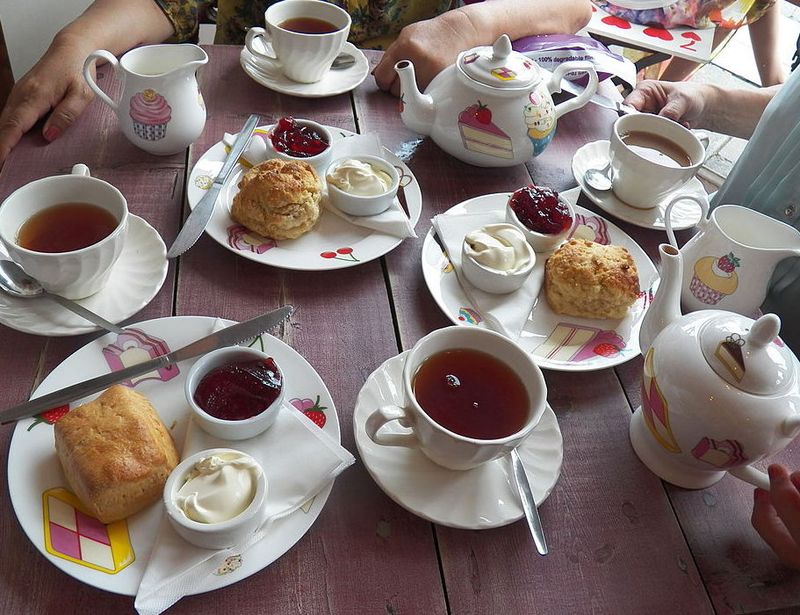
A meal isn't truly finished until someone asks, 'Fancy a cuppa?'
Offering tea after dinner is as British as it gets, providing a gentle transition from eating to relaxing.
It's a ritual that extends the gathering, encouraging conversation and contentment over a steaming mug.
Coffee might be offered too, but tea remains the default.
Served with a couple of biscuits, it's the perfect full stop to any meal.
Refusing tea?
That's your choice, but expect a slightly concerned look.
10. Discussing The Weather Before Anything Else
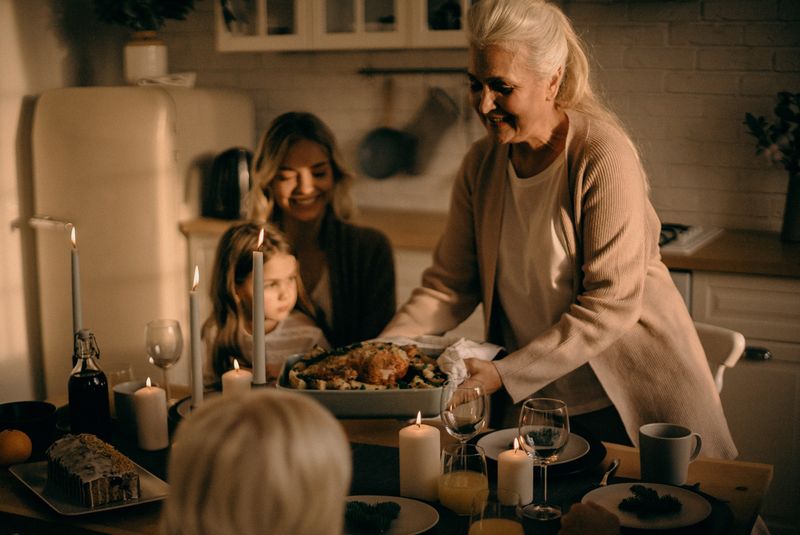
Before the first bite is taken, before anyone asks about your day, there's the weather.
Brits are famous for opening every conversation with meteorological observations, and the dinner table is no exception.
'Bit grey out today, isn't it?' is a perfectly acceptable icebreaker, even among close family.
It's a harmless, neutral topic that eases everyone into conversation without controversy.
Whether it's drizzling, scorching, or somewhere drearily in between, the British weather always deserves a mention.
It's tradition, really.