

Northern Irish food has a way of feeling instantly comforting, even if you’re trying it for the first time.
Hearty portions, familiar flavours, and a strong sense of tradition run through many of the dishes visitors rave about long after their trip ends.
Pull up a chair and get ready to meet the plates that keep people talking well after they have left the table.
All information is provided for general interest only. Recipes, names, and regional variations may differ depending on location and family tradition.
1. Ulster Fry
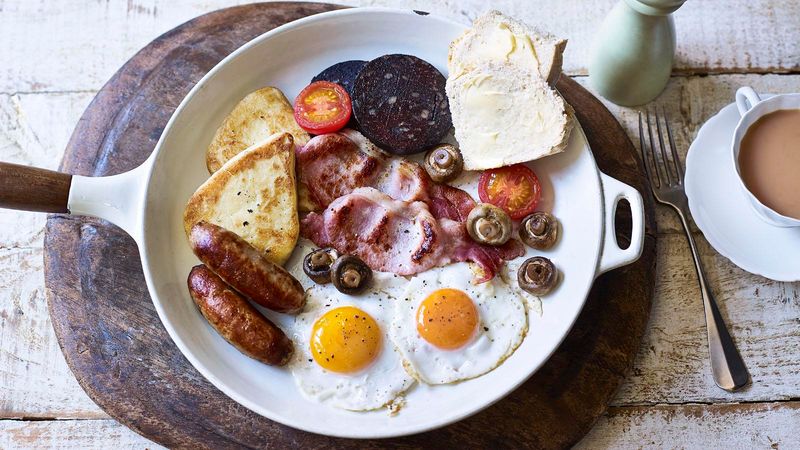
Picture waking up to a plate piled high with sizzling sausages, crispy bacon, golden eggs, and all the trimmings.
That's the magic of an Ulster Fry, the ultimate Northern Irish breakfast that fuels locals through the day.
Soda bread and potato farls make this feast uniquely regional.
Black pudding adds a rich, savoury depth that perfectly balances the plate's hearty components.
2. Soda Bread
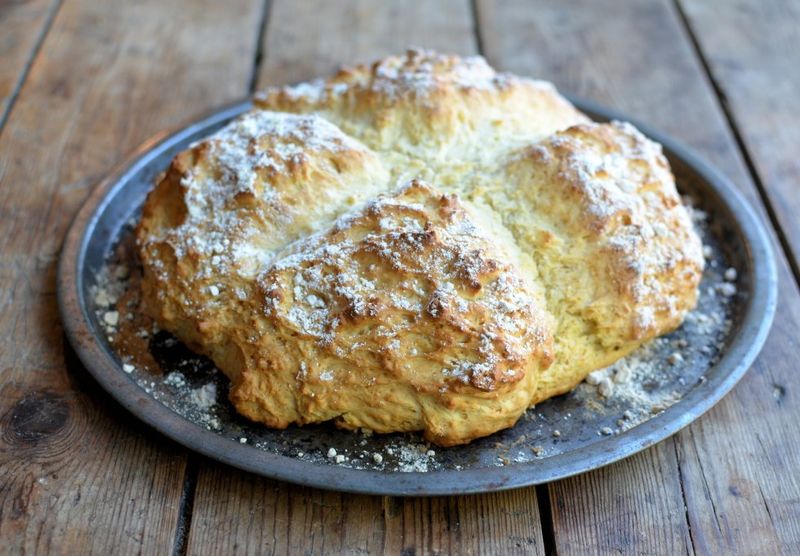
No yeast, no fuss, just four simple ingredients create this beloved staple.
Flour, buttermilk, salt, and bicarbonate of soda come together in minutes to form a dense, slightly tangy loaf.
Bakers score a deep cross on top before baking, originally to ward off evil spirits.
Slathered with butter whilst still warm, it's pure comfort in every bite.
3. Potato Farls
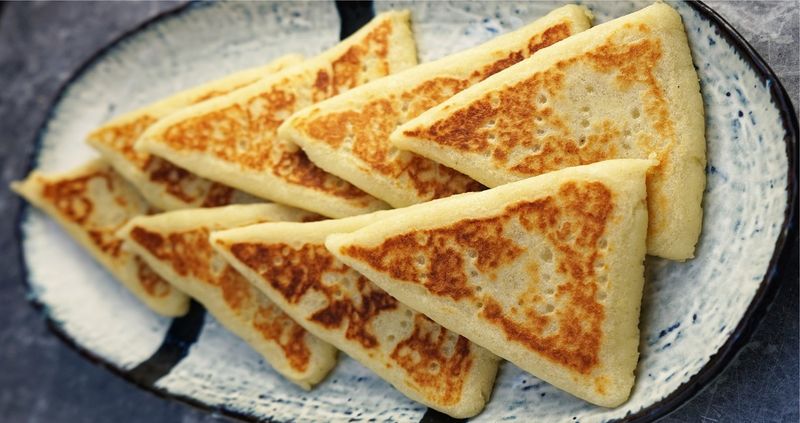
Mashed potatoes transform into something spectacular when mixed with flour and butter, then cooked on a hot griddle.
These flat, triangular breads develop a gorgeous golden crust that's slightly crispy outside and soft within.
Farls are essential to any proper Ulster Fry.
Their subtle flavour soaks up egg yolk beautifully, making breakfast even better.
4. Champ
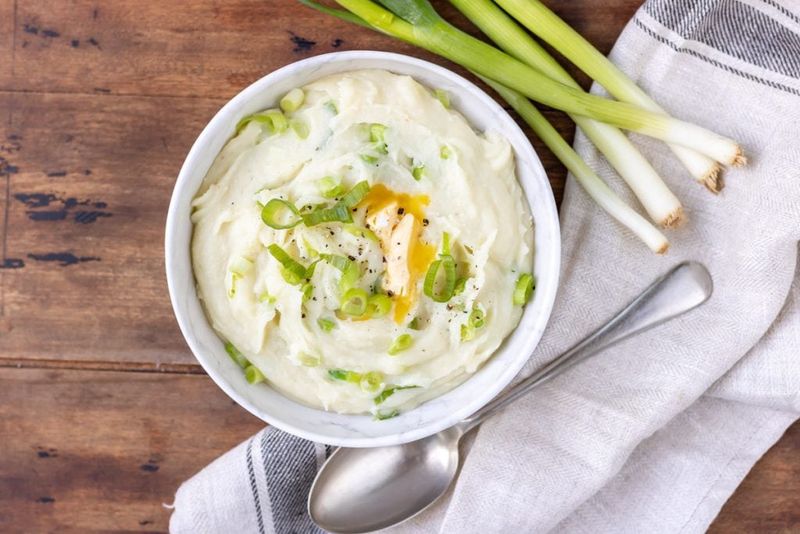
Mashed potatoes reach new heights when spring onions and butter join the party.
This velvety side dish features a pool of melted butter in the centre, ready to mingle with each forkful.
Generations of families have passed down their champ recipes, each with slight variations.
Serve it alongside sausages or stew for a meal that warms you from the inside out.
5. Colcannon
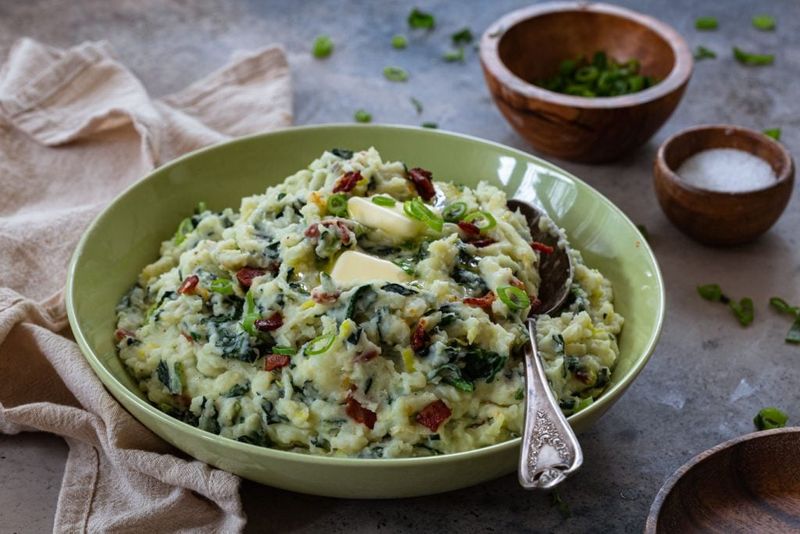
Cabbage or kale gets mashed right into fluffy potatoes, creating a vibrant green-flecked dish that's both nutritious and delicious.
Butter and milk make everything gloriously creamy.
Traditionally served at Halloween, this ancient recipe has roots stretching back centuries.
Some cooks hide coins or rings inside for lucky diners to discover, adding a playful twist to supper.
6. Boxty
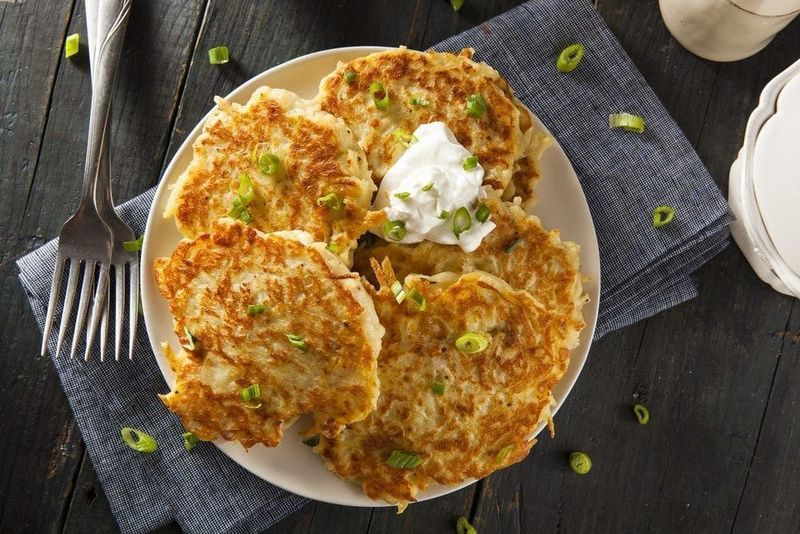
Half mashed, half grated potatoes unite in these delightful pancakes that are crispy on the outside and tender within. An old saying goes, 'Boxty on the griddle, boxty in the pan, if you can't make boxty, you'll never get a man!'
Fry them until golden and serve with anything from eggs to stew. Their versatility makes them beloved across the island.
7. Belfast Bap
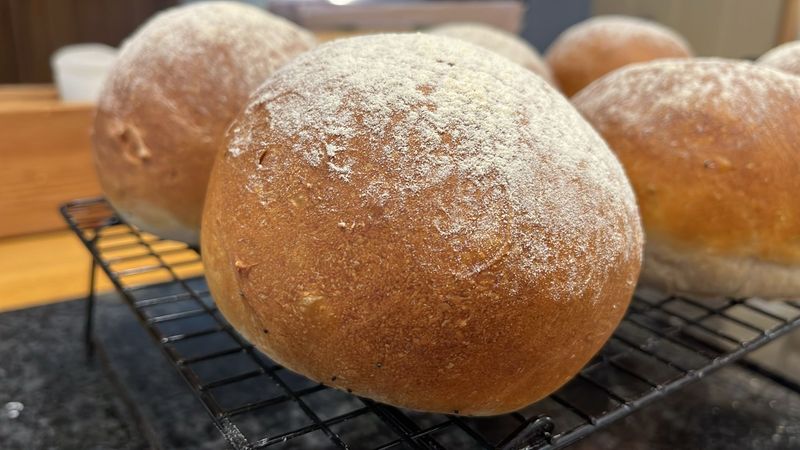
Soft, floury, and generously sized, this bread roll is a Belfast institution.
Its cloud-like texture makes it perfect for stuffing with bacon, sausages, or whatever takes your fancy.
Local bakeries turn out thousands daily, each dusted with a snowy coating of flour.
Bite into one fresh from the oven, and you'll understand why visitors become instant converts to this simple pleasure.
8. Pastie Supper
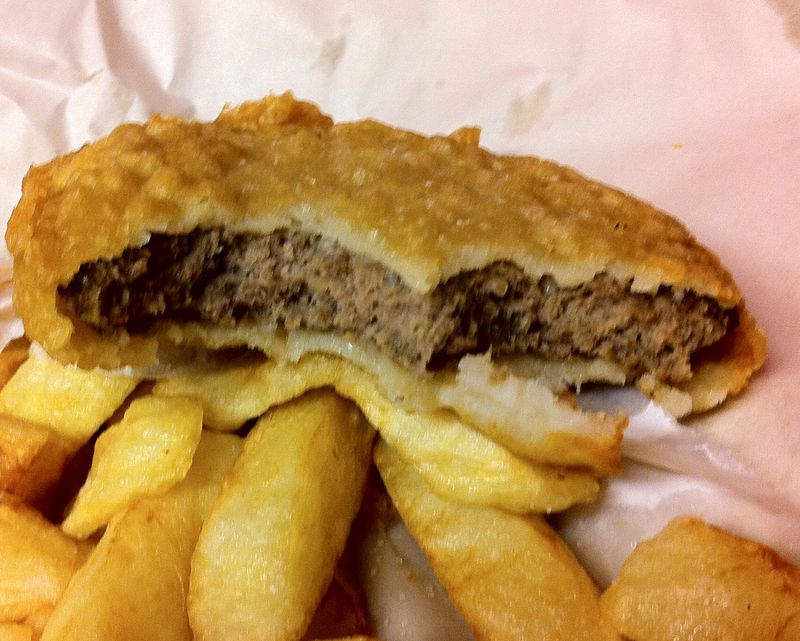
Only in Northern Ireland will you find a savoury meat pastie dipped in batter and deep-fried to crispy perfection.
Served alongside a generous portion of chips, this chip shop favourite is pure indulgence.
The meat filling stays wonderfully moist inside its crunchy golden coating.
Locals queue up for this treat after a night out or when craving proper comfort food.
9. Yellowman
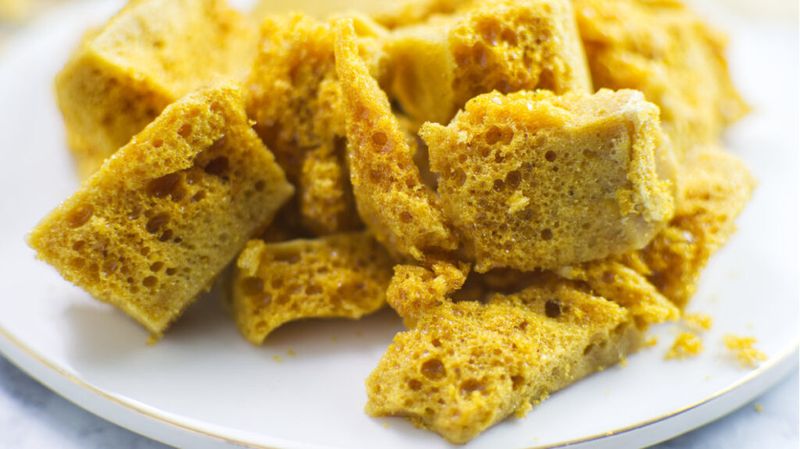
Yellowman is a traditional honeycomb-style sweet closely associated with Northern Ireland.
It is especially linked with the Ould Lammas Fair in Ballycastle, where it is still widely sold today.
Made from sugar, golden syrup, and bicarbonate of soda, it has a hard, crunchy texture that breaks into airy shards.
The sweet is typically sold in chunks and is known for its bright golden colour.
10. Fifteens
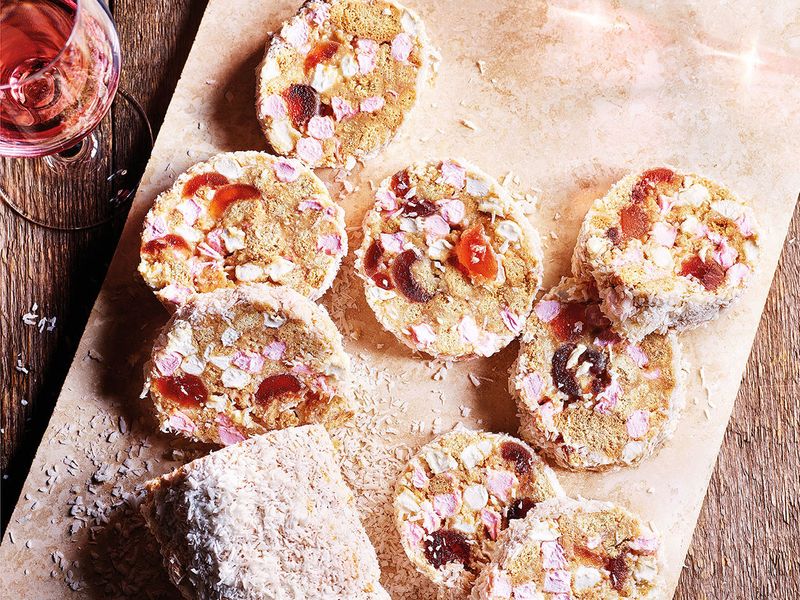
With exactly fifteen of each main ingredient, this no-bake treat is ridiculously easy to whip up.
Digestive biscuits, marshmallows, and glacé cherries bind together with condensed milk, then get rolled in desiccated coconut.
Church bake sales and family gatherings wouldn't be complete without these colourful, chewy squares.
Children love helping make them, and everyone loves eating them even more.
11. Dulse
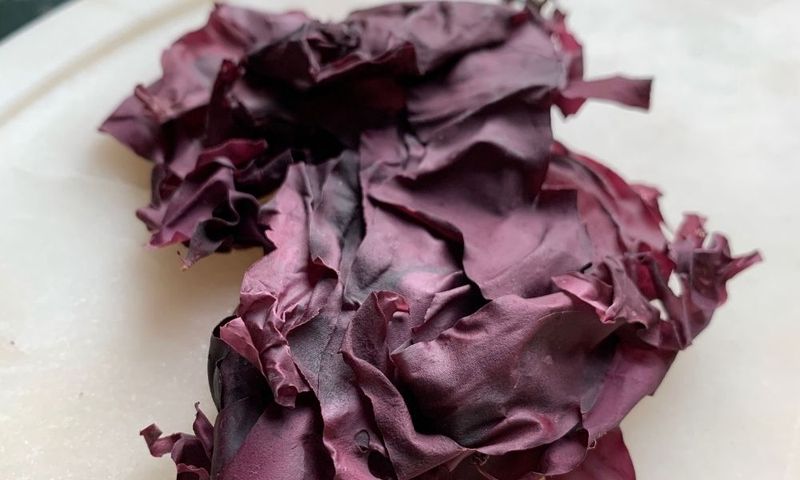
This dark purple seaweed has been harvested along Northern Ireland's coast for generations.
Dried and chewy, dulse tastes salty and slightly nutty, offering a unique flavour of the sea.
Some folks munch it straight from the packet like crisps, whilst others add it to soups and stews.
Packed with minerals and vitamins, this ancient superfood is experiencing a modern revival.
12. Irish Stew
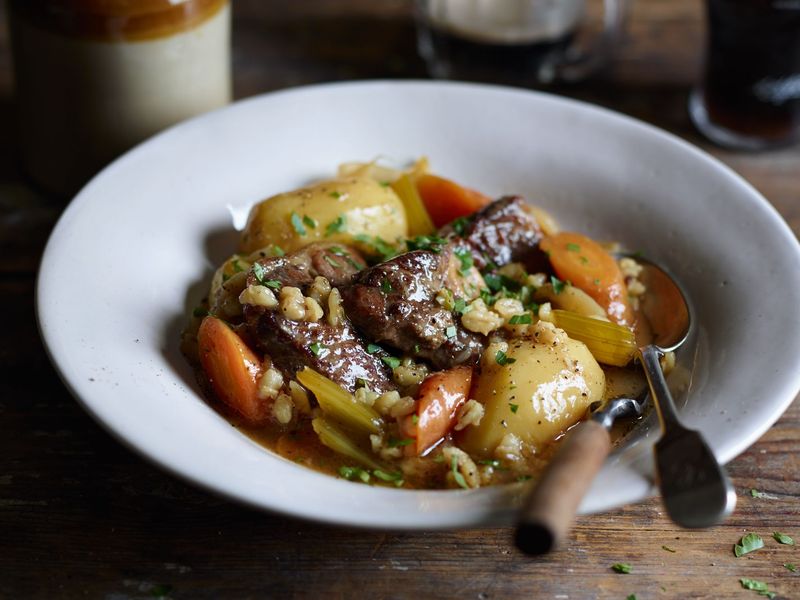
Lamb, potatoes, onions, and carrots simmer together for hours until everything becomes meltingly tender.
This one-pot wonder has sustained families through cold winters for centuries.
The secret lies in slow cooking, which allows flavours to deepen and meld beautifully.
Every household has their own recipe variation, passed down through generations with pride and love for this ultimate comfort food.
13. Wheaten Bread
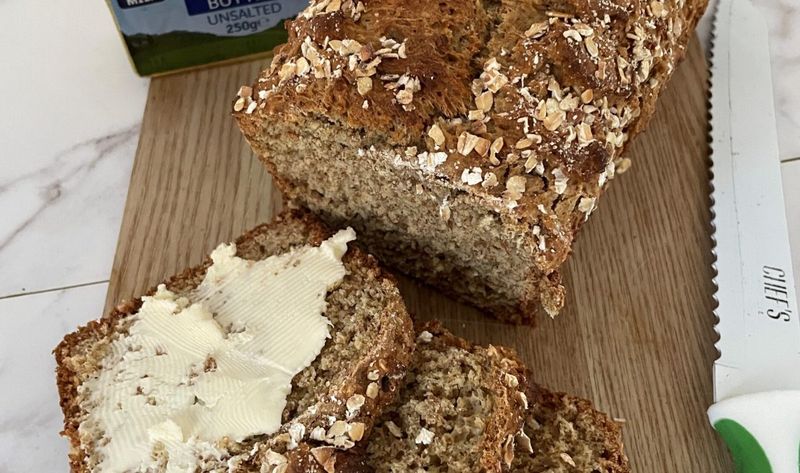
Wholemeal flour gives this bread a nutty flavour and hearty texture that's more substantial than regular soda bread.
Buttermilk keeps it moist and adds a subtle tang.
Often called brown soda bread elsewhere, wheaten is a Northern Irish tea-time essential.
Toast a thick slice, spread it with butter and jam, and you've got a simple pleasure that never gets old.
14. Vegetable Roll
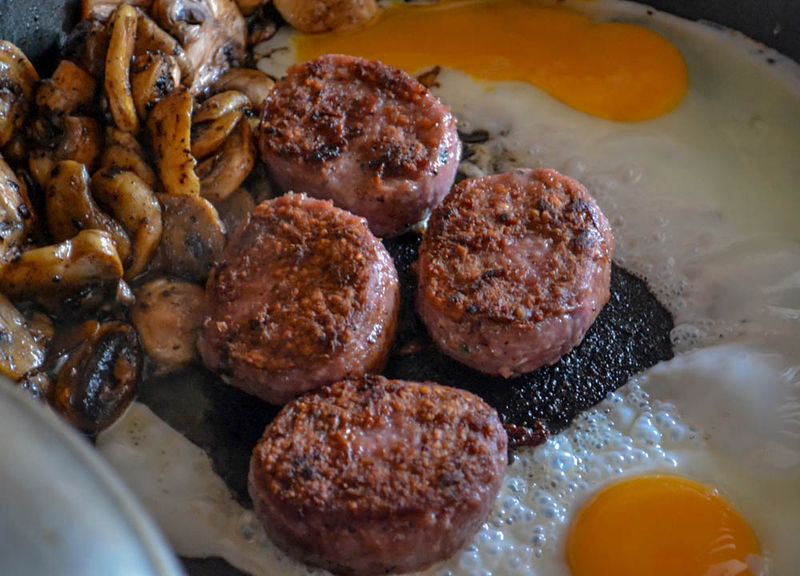
Don't let the name fool you - this processed meat product contains precious few vegetables but holds a special place in Northern Irish hearts.
Sliced and battered, then deep-fried until crispy, it's a chip shop staple.
Its distinctive speckled appearance and savoury taste make it instantly recognisable.
Visitors are often surprised by how much they enjoy this quirky local favourite that defies easy description.
15. Lough Neagh Eels
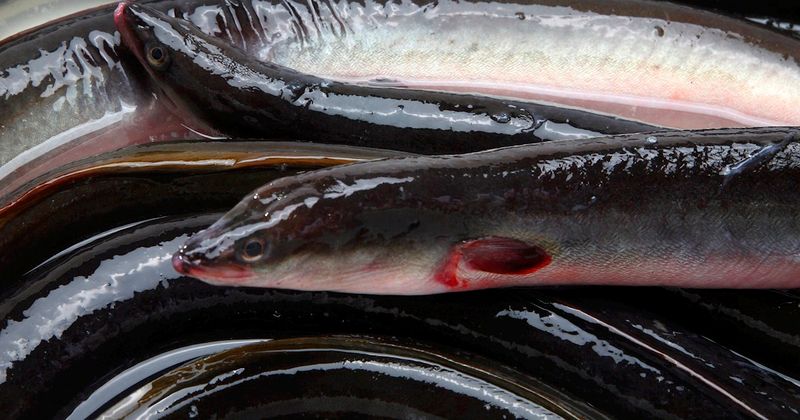
Lough Neagh has long been known for its historic eel fishery and its importance to Northern Ireland’s food heritage.
Eels from the lough have traditionally been smoked, a method that enhances their rich flavour and preserves the fish.
Fishing practices in the area have been closely regulated in recent years due to conservation concerns