








Chocolate has been a beloved treat for centuries, but the version we’re nibbling on today isn’t quite the same as the rich, decadent version of the past.
With all the changes in production methods and ingredient swaps, you might be surprised at how far the chocolate bar has come from its origins.
Let’s unwrap the truth behind why what we call "chocolate" today might not really be the chocolate you think you know.
The evolution of chocolate involves changes in its ingredients, and while this piece shares the facts, individual preferences for chocolate may vary. Always be mindful of the products you consume and check ingredient labels if you have any concerns.
The Rise Of Ultra‑Processed Confectionery
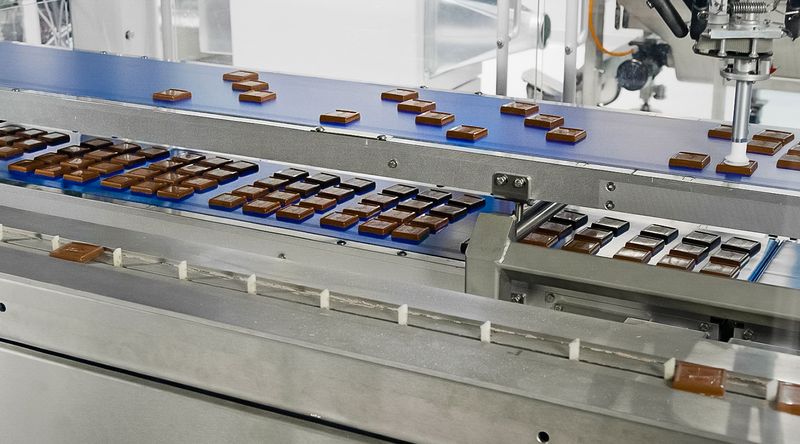
Manufacturing methods have shifted dramatically over the past few decades.
Large factories now produce chocolate using industrial techniques that prioritise speed and shelf life over traditional craftsmanship.
Many bars you find on supermarket shelves undergo extensive processing with high heat and chemical treatments.
This approach extends product longevity but fundamentally changes the texture and flavour profile.
Traditional chocolatiers used simple methods that preserved cocoa's natural complexity.
Today's mass-produced versions often taste uniform and lack the rich depth that genuine chocolate once delivered to our taste buds consistently.
How Additives And Fillers Alter The Taste
Walk down any confectionery aisle and you'll spot ingredients you can barely pronounce.
Emulsifiers, stabilisers, and artificial flavourings have become standard additions to modern chocolate recipes, replacing pure cocoa butter and milk solids.
These substances help manufacturers cut costs whilst maintaining a consistent product.
However, they create a waxy mouthfeel and artificial aftertaste that genuine chocolate never had.
Palm oil frequently replaces cocoa butter, whilst synthetic vanillin substitutes real vanilla.
Your palate can detect these differences, even if you don't realise what's causing that slightly off flavour.
Cocoa Content Has Been Trending Downwards
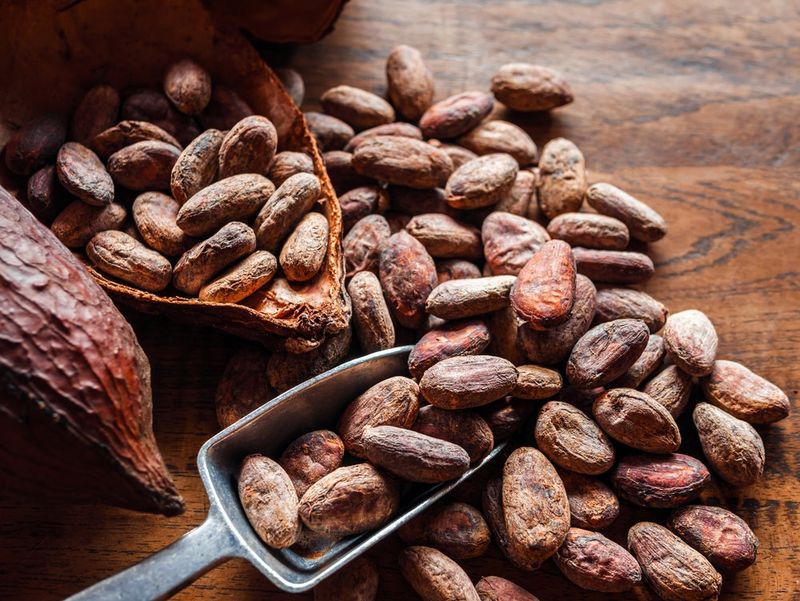
Regulations in many countries allow products with surprisingly little cocoa to still be labelled as chocolate.
Some popular milk chocolate bars contain as little as 10% cocoa solids, with the rest made up of sugar, milk powder, and fillers.
Decades ago, even budget-friendly chocolate maintained higher cocoa percentages.
Premium brands have also quietly reduced their cocoa content to improve profit margins.
This downward trend means you're essentially eating sweetened confectionery rather than true chocolate.
The distinctive cocoa flavour becomes buried beneath layers of sugar and additives.
Sweeteners And Flavour Enhancers In Modern Bars
Sugar isn't the only sweetener hiding in your chocolate anymore.
Manufacturers now incorporate high-fructose corn syrup, maltodextrin, and artificial sweeteners to reduce costs whilst maintaining that addictive sweetness consumers crave.
Flavour enhancers trick your brain into perceiving richness that isn't actually there.
These chemical compounds create an initial pleasant sensation but leave an empty, slightly chemical finish.
Real chocolate derives its complexity from cocoa beans themselves, requiring no enhancement.
When you taste a bar loaded with these additives, you're experiencing engineered flavour rather than nature's original creation.
Ethical And Economic Pressures Changing Recipes
Cocoa prices fluctuate wildly on global markets, forcing manufacturers to make difficult decisions.
When costs rise, companies often reformulate products rather than increase prices, substituting expensive cocoa with cheaper alternatives.
Climate change threatens cocoa-growing regions, making quality beans increasingly scarce.
This scarcity pushes brands toward using lower-grade cocoa or reducing cocoa content altogether.
Whilst some companies genuinely pursue ethical sourcing, others use it as marketing whilst quietly degrading quality.
Economic realities mean the chocolate you loved as a child may be financially impossible to produce profitably today.
Why Reading Labels Matters More Than Ever
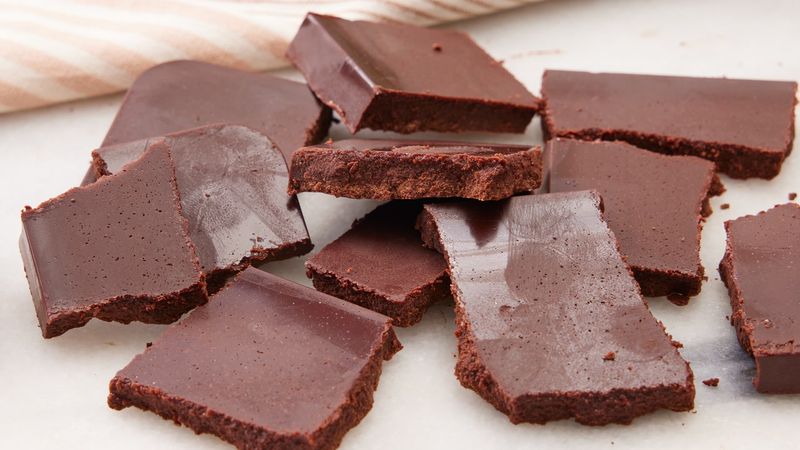
Becoming an informed consumer starts with understanding what's actually in your chocolate.
Ingredient lists reveal the truth behind clever marketing claims and attractive packaging that might mislead you.
Look for chocolate where cocoa or cocoa butter appears first on the label.
Avoid products listing sugar, palm oil, or unpronounceable chemicals as primary ingredients.
Higher-quality chocolate costs more, but you're paying for genuine ingredients rather than industrial fillers.
Taking thirty seconds to read labels helps you make choices that support both your taste buds and better manufacturing practices in the confectionery industry.