





Food trends are moving faster than ever, and Gen Z is right at the centre of the shift.
From how new dishes go viral to what ends up on supermarket shelves, younger eaters are quietly reshaping what feels exciting, normal, or worth the money.
Stick around and you will start to notice just how much everyday food culture is being influenced by their habits, values, and taste for something a little different.
All information is provided for general interest only. Food trends, availability, and preferences may vary by location, culture, and individual experience.
What Starts Trending Online Ends Up On Menus
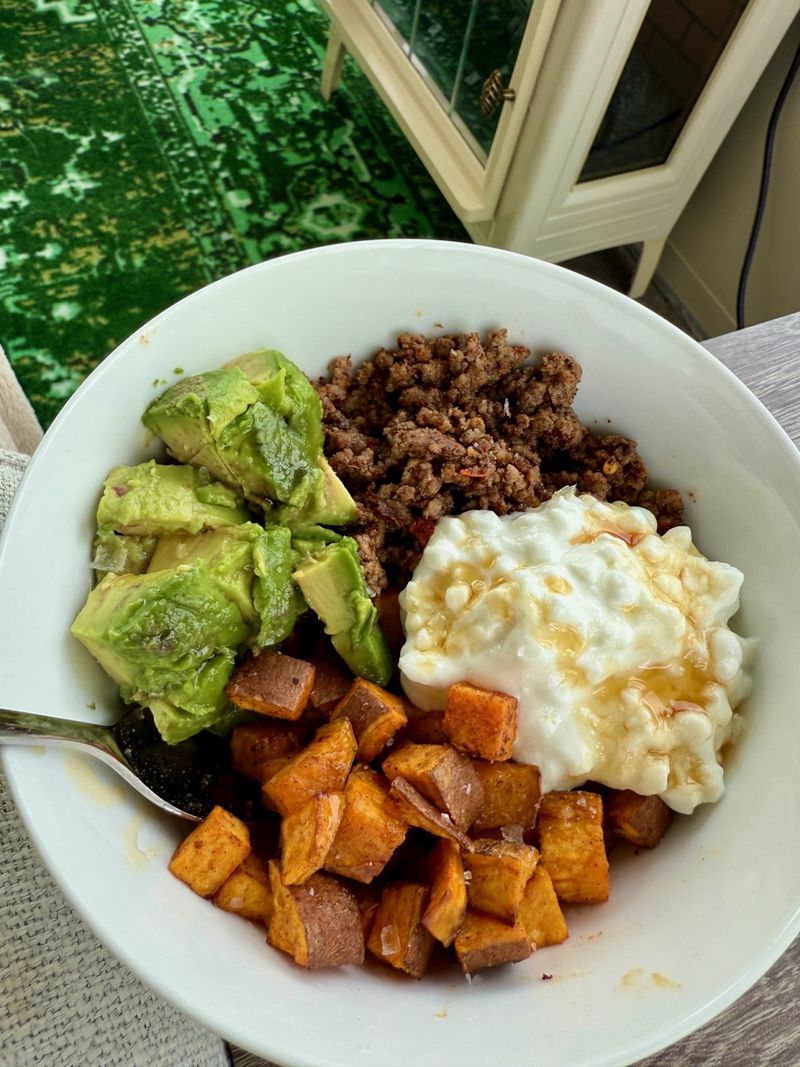
A huge amount of food discovery for Gen Z now happens online, especially through short videos and shared posts.
A single viral clip can turn a little-known dish into something cafés and restaurants suddenly feel pressured to offer.
That is why menus seem to change faster than ever, reacting to what people are saving, sharing, and talking about.
Food is no longer just about taste, but also about how it looks on a screen and how well it tells a story.
Restaurants are paying closer attention to presentation because they know customers might post before they even take a bite.
Trends that once took years to spread can now take off in a matter of days.
Bakeries And Casual Spots Are Stealing The Spotlight
Bakeries have quietly become one of Gen Z’s favourite places to meet, queue, and treat themselves.
A standout pastry or limited-edition bake often feels more exciting than a full sit-down meal.
Many people see a great bakery visit as an affordable little luxury that still feels special.
This has pushed bakeries to experiment with fillings, textures, and bold flavours that stand out.
The social side matters too, with queues becoming part of the experience rather than a downside.
It is less about formality and more about comfort, creativity, and something worth talking about later.
Sustainability Shapes Everyday Choices
For Gen Z, sustainability is often part of the decision-making process rather than an afterthought.
People want to know where food comes from, how it is packaged, and whether it feels wasteful.
That pressure has encouraged brands to be clearer and more honest about sourcing and materials.
It has also influenced design, with refill stations, simpler packaging, and smaller menus becoming more common.
Rather than grand statements, small practical changes tend to resonate more strongly.
The focus is on everyday habits that feel realistic rather than perfect.
Plant-Based Eating Feels Normal, Not Performative
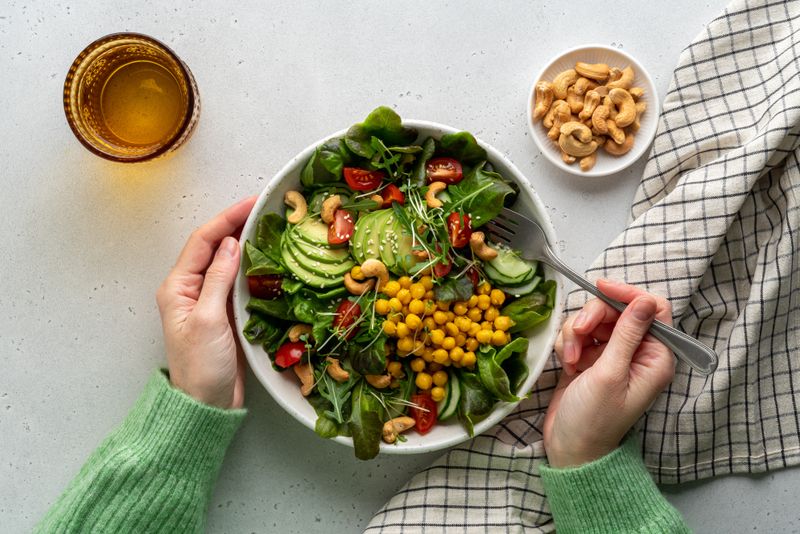
Plant-based choices are now part of regular eating habits for many Gen Z shoppers.
This does not always mean giving up meat completely, but it often means mixing things up more.
People are more open to trying meat-free options without turning it into a big identity statement.
Restaurants and supermarkets have responded by making plant-based dishes feel like standard choices.
The expectation is variety and good flavour, not just a token option on the menu.
Trying something meat-free is increasingly seen as ordinary rather than unusual.
Value Matters, But It Still Has To Feel Worth It
Money plays a big role in food decisions, especially with rising living costs.
Gen Z tends to look for food that feels like a good balance between price and enjoyment.
That might mean choosing a brilliant bakery item over a pricier restaurant meal.
Supermarket own-brand products have also gained popularity when they feel thoughtful rather than cheap.
The idea is not about cutting corners, but about spending in a way that feels smart.
Small treats still matter, as long as they feel intentional.
Restaurants Are Becoming Brands, Not Just Places To Eat
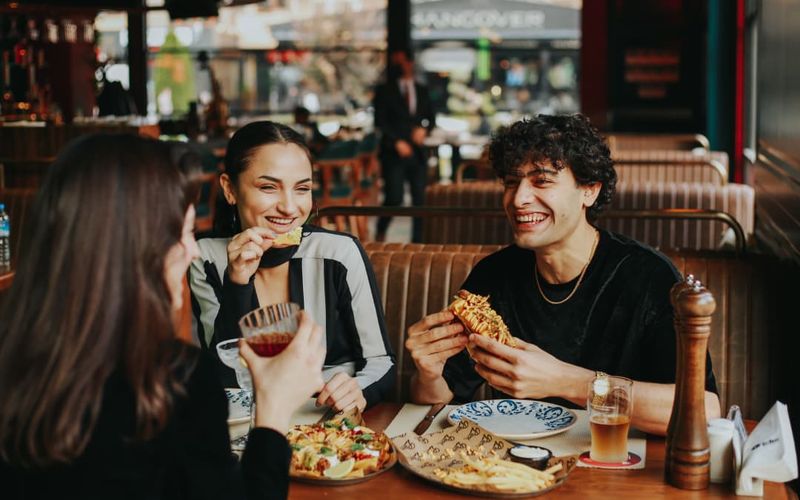
Food businesses are now expected to have a recognisable personality, not just a menu.
Gen Z often connects with restaurants through visuals, tone, and storytelling before ever visiting.
Limited-time dishes, collaborations, and themed interiors help places stand out in crowded areas.
Packaging, lighting, and even staff uniforms can shape how a place is perceived online.
The experience around the food has become almost as important as the food itself.
Eating out now feels closer to engaging with a brand than just booking a table.
Flexibility Fits Modern Routines
Gen Z tends to organise food around busy, changeable schedules, which is why takeaways, delivery, and casual dining fit so easily into everyday life.
Being able to customise orders or eat on the move has become an expectation rather than a bonus.
This has encouraged menus designed to travel well and still look appealing once they reach home.
Trying new cuisines feels far easier when there is no pressure to commit to a long evening out.
Overall, the food scene is shifting towards speed, choice, and flexibility that fits real routines.