



Every December, British dinner tables overflow with festive favourites that often leave the rest of the world scratching their heads.
From rich puddings that contain neither plums nor figs to sauces made entirely from bread, these dishes are a true mix of the peculiar and the beloved.
Some of them might never make sense beyond Britain’s borders, but others absolutely deserve global recognition.
Here’s a look at the Christmas foods that confuse many but capture the heart of the British holiday season.
All information is provided for general interest and entertainment purposes only.
Traditions and recipes may vary by region and household.
Photos are for illustrative purposes only.
Foods The World Doesn't Understand
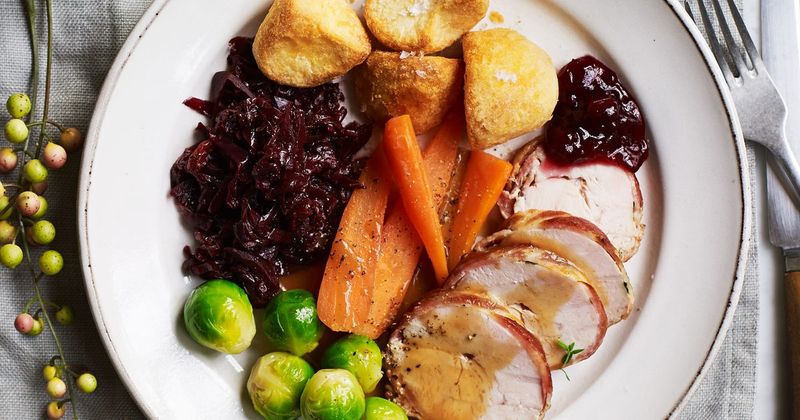
British Christmas dinner feels like stepping into a time machine where medieval cooks still call the shots.
The festive spread includes vegetables that make children weep, sauces that sound like mistakes, and desserts dense enough to double as doorstops.
Yet families defend these peculiar traditions fiercely, passing down recipes that confuse anyone who didn't grow up singing carols in the cold.
What seems bizarre to outsiders tastes like home to the British, proving that nostalgia trumps logic every time.
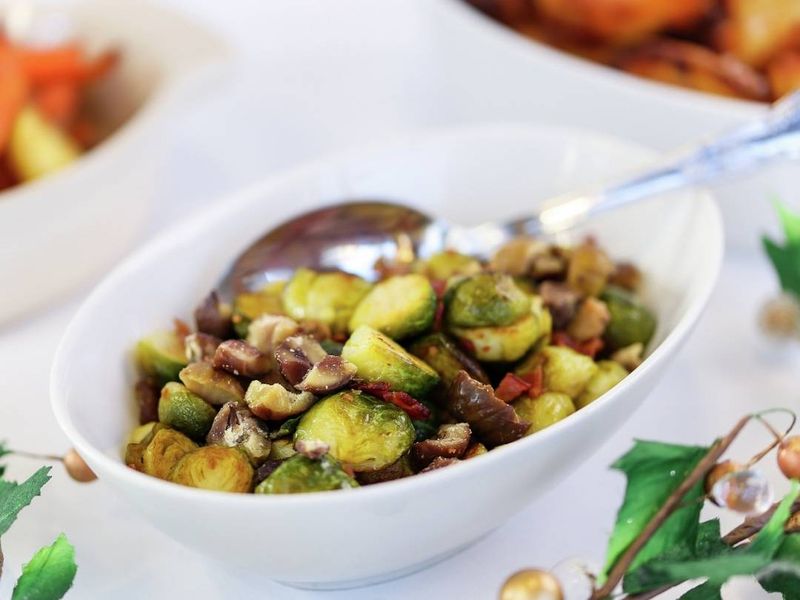
1. Brussels Sprouts With Bacon And Chestnuts
These tiny cabbages spark more family arguments than politics at the dinner table.
Boiled into submission by previous generations, sprouts earned their terrible reputation honestly.
Modern cooks rescue them by adding crispy bacon and sweet chestnuts, creating a dish that actually tastes good rather than just virtuous.
Still, children everywhere view them with deep suspicion, pushing the green orbs around their plates whilst parents insist they're traditional.
The truth?
Sprouts only became Christmas staples because they're harvested in winter, not because anyone particularly wanted them there.
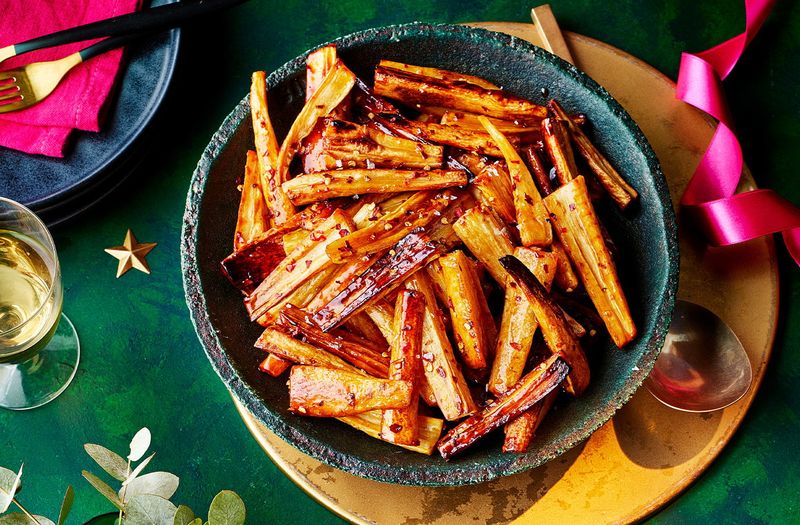
2. Parsnips Glazed With Honey Or Maple Syrup
Imagine a carrot that forgot what colour it was supposed to be and you've got a parsnip.
These pale root vegetables turn golden and caramelised when roasted with honey or maple syrup, developing a sweetness that confuses anyone expecting savoury sides.
Americans struggle with the concept of sweet vegetables on the same plate as turkey and gravy.
British families wouldn't dream of Christmas dinner without them, though.
The sticky glaze catches on the edges, creating crispy bits that disappear first from the serving dish, leaving the soft middles for latecomers.
3. Christmas Cake With Marzipan And Royal Icing
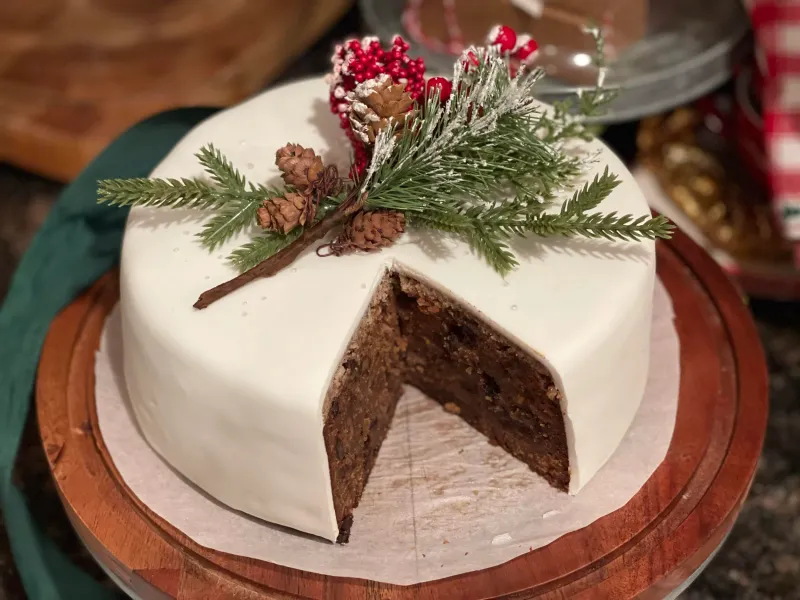
Dense fruitcake lurks beneath a thick layer of almond paste and rock-hard white icing, often decorated with plastic snowmen.
Baked weeks before Christmas, it sits in tins getting progressively heavier whilst the dried fruit absorbs mysterious flavours.
The marzipan adds a sweet, nutty barrier between cake and icing, though some families wage quiet wars over whether it belongs there at all.
Cutting through the royal icing requires proper knife skills and determination.
Non-Brits taste it once, smile politely, then quietly decline seconds whilst reaching for literally anything else on offer.
4. Mince Pies With Suet Pastry
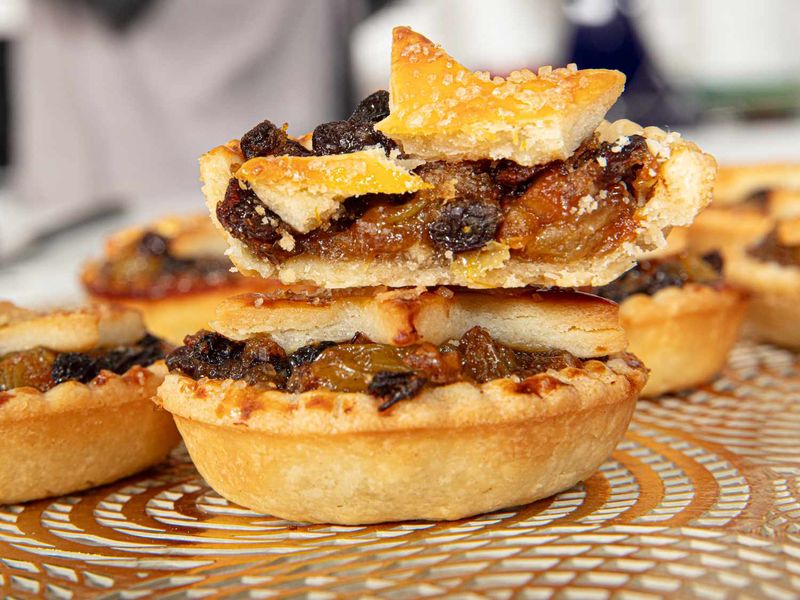
The name tricks everyone into expecting savoury meat pies, then delivers a mouthful of sweet dried fruit instead.
Suet – that's actual beef fat – creates the flaky pastry that holds spiced fruit mincemeat together.
Centuries ago, these pies actually contained minced meat alongside the fruit, explaining the confusing name that persists today.
Modern versions skip the meat entirely, leaving just the fat in the pastry to perplex vegetarians and international visitors alike.
Brits eat dozens throughout December, warming them slightly and dusting with icing sugar, defending their beloved tradition against all logical criticism.
5. Bread Sauce
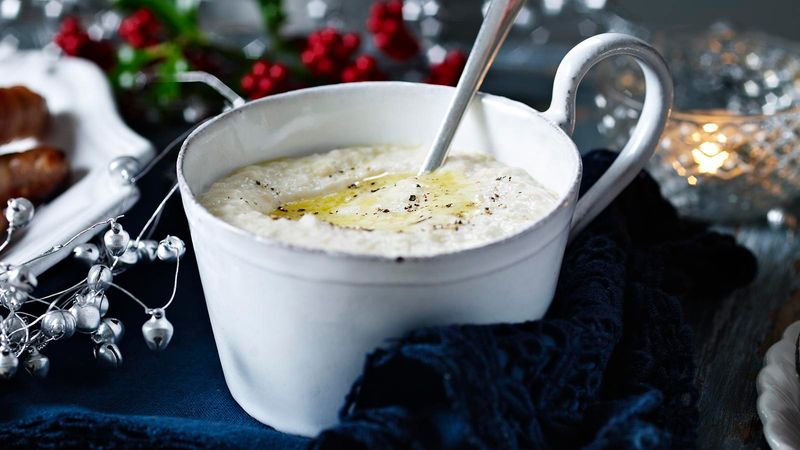
Medieval cooks invented this sauce to stretch expensive meat further, and somehow it survived into modern times.
Milk simmers with breadcrumbs, onions, and cloves until it reaches a porridge-like consistency that looks deeply suspicious on the plate.
The texture puts off anyone encountering it for the first time, resembling wallpaper paste more than proper sauce.
British families swear it complements turkey perfectly, spooning it generously over their sliced meat whilst visitors politely decline.
The warm, creamy flavour actually tastes better than it looks, though convincing outsiders to try requires serious persuasion and possibly festive peer pressure.
6. Figgy Pudding
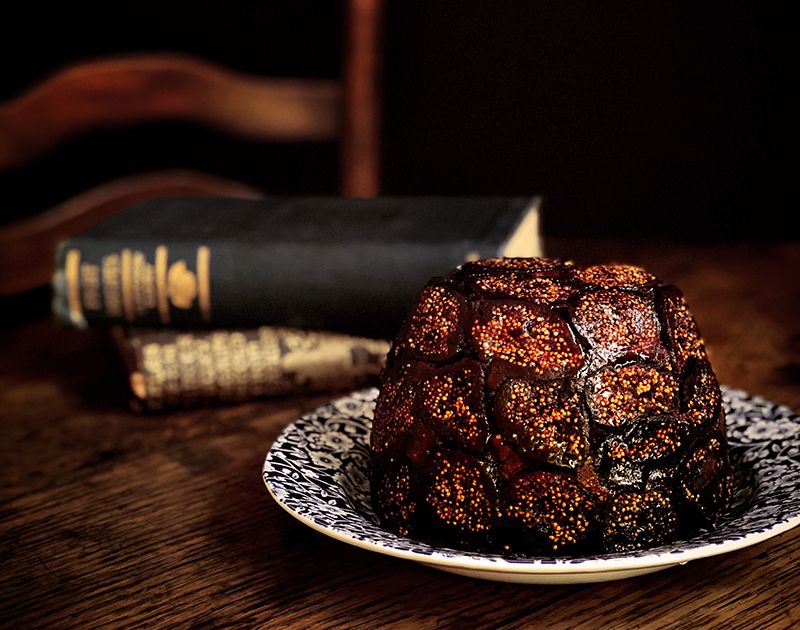
Christmas carols demand it, yet most singers couldn't identify figgy pudding in a lineup.
This steamed dessert contains no figs whatsoever – the name comes from old slang where 'fig' meant any dried fruit.
Dense with suet, raisins, and spices, it's boiled for hours until achieving the consistency of a cannonball.
Families prepare it weeks ahead, occasionally 'feeding' it with spoonfuls of liquid to keep it moist.
The dark, heavy pudding divides opinion sharply, with traditionalists loving its rich intensity whilst others find it overwhelmingly dense and mysteriously named.
Foods That Deserve Global Fame
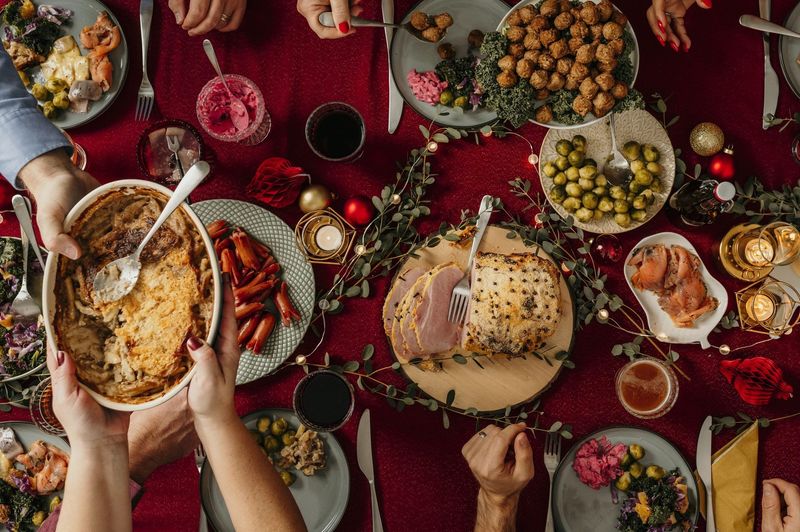
Not everything on the British Christmas table exists to confuse foreigners – some dishes genuinely deserve their moment in the spotlight.
These are the unsung heroes that make the meal memorable, the sides that disappear fastest, and the flavours that actually make sense to international palates.
Whilst the world obsesses over turkey and ham, these three items quietly steal the show, proving that British festive food isn't all about challenging textures and mysterious ingredients.
Simple, delicious, and universally appealing, they represent the best of Christmas dinner without requiring cultural translation.
7. Pigs In Blankets
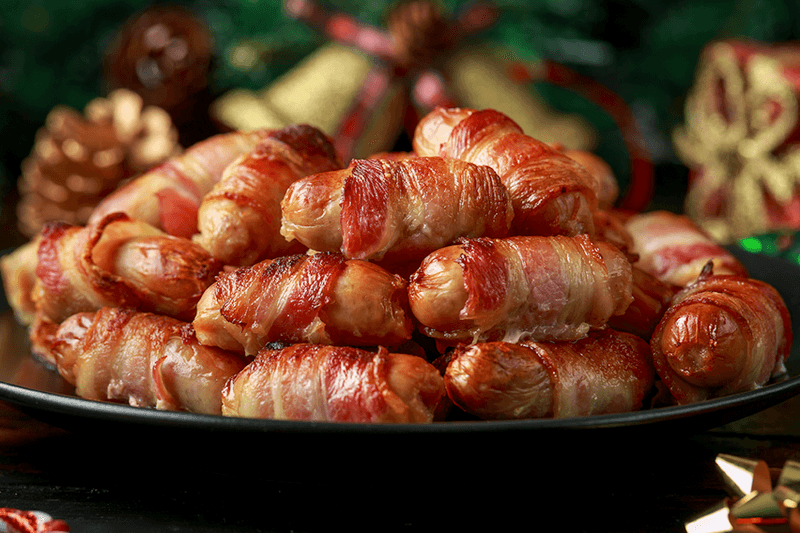
Cocktail sausages wrapped in crispy bacon create the dish that everyone fights over when the platter comes round.
Americans use the same name for sausages in pastry, causing endless confusion at international gatherings.
The British version skips pastry entirely, letting bacon do all the work of creating crispy, salty perfection.
Children and adults alike pile these onto their plates first, knowing they'll vanish quickly.
Simple to make but impossible to resist, they've earned their place as the most popular item on the Christmas table, proving that wrapping meat in more meat will always be brilliant.
8. Yorkshire Puddings
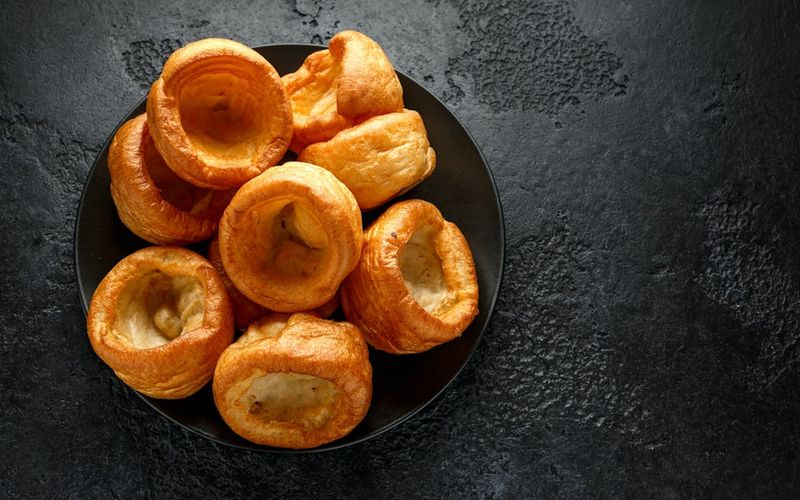
Yorkshire Puddings are a British classic, especially during the festive season.
These airy, golden-brown creations might confuse those unfamiliar with their versatility.
Traditionally served alongside roast beef, they form perfect vessels for gravy.
Despite their humble ingredients (flour, eggs, and milk) they rise dramatically in the oven, creating a light, crispy texture.
Many Brits enjoy them as part of their Christmas dinner, where they add a comforting touch.
Their delightful simplicity and ability to soak up flavors make them a must-try.
9. Cranberry Sauce
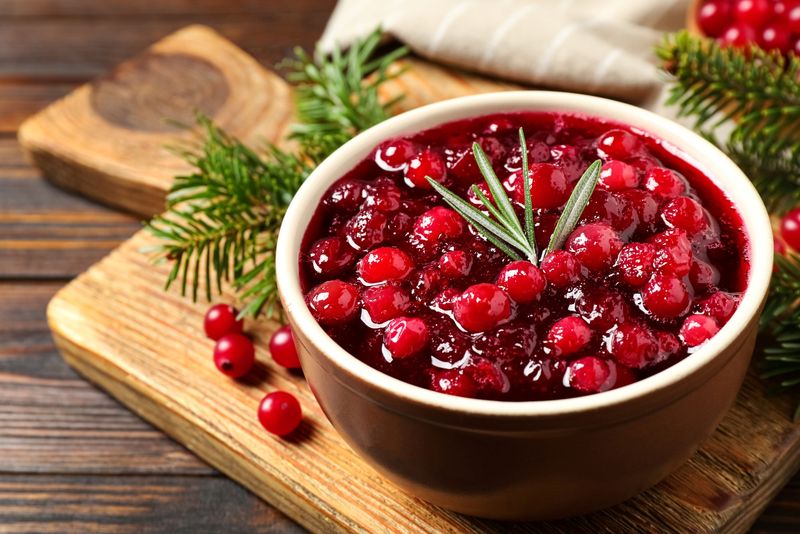
Cranberry Sauce often plays second fiddle to the main dish, yet its tangy charm can elevate any meal.
Its vivid color and tart sweetness bring much-needed brightness to a heavy roast.
While it’s commonly associated with American Thanksgiving, the British embrace it during Christmas.
Stirred together with sugar and orange zest, fresh cranberries transform into a delightful condiment.
The balance of sweet and sour perfectly complements rich meats like turkey.
Even those skeptical of fruit sauces find it hard to resist its festive allure.
Cranberry sauce truly deserves global appreciation for its refreshing taste.