

Ever wondered what ended up on dinner tables during Shakespeare’s time?
From extravagant feasts to humble everyday fare, Tudor-era dining was full of surprises.
Exploring what people really ate back then offers a delicious glimpse into how history shaped the food we know today.
All information is provided for general interest only. Historical availability, preparation methods, and ingredient use may differ from modern interpretations.
1. Roasted Swan

Nobility considered swan a prestigious centrepiece at grand banquets during Shakespeare's lifetime.
Cooks prepared the bird with elaborate seasonings and presented it with feathers reattached for dramatic effect.
Only wealthy families could afford such extravagance, as swans were protected by royal decree.
Commoners never tasted this delicacy, making it a symbol of status and power in Tudor society.
2. Pottage (Thick Vegetable Stew)
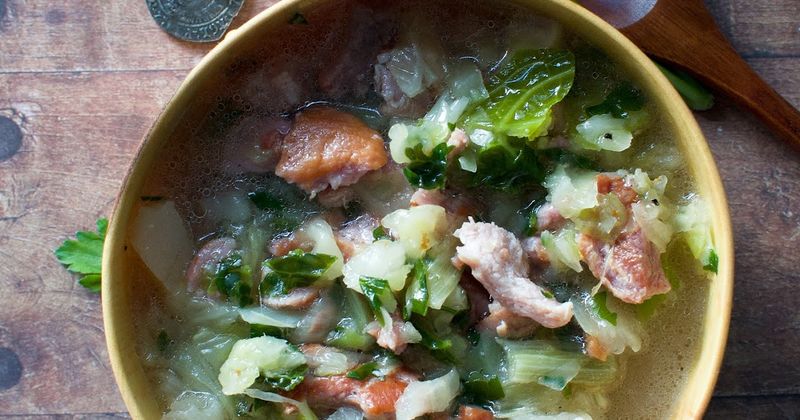
Nearly every household relied on pottage as their main meal throughout the week.
Families tossed whatever vegetables, grains, and occasionally meat scraps they had into a bubbling cauldron over the fire.
The consistency was thick and hearty, designed to fill empty stomachs after long days of labour.
Poor families ate this dish daily, whilst wealthier homes added better ingredients for flavour and nutrition.
3. Venison Pie
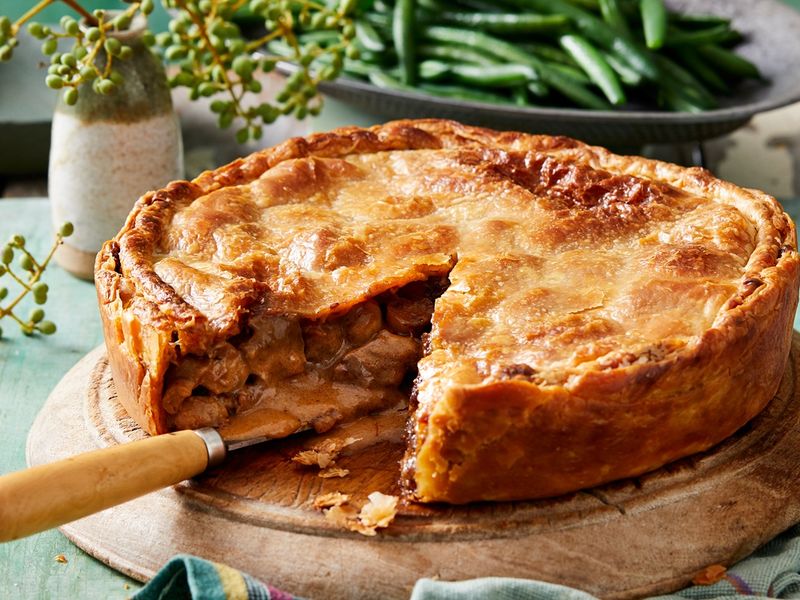
Hunting deer was strictly reserved for aristocrats who owned vast estates and hunting grounds.
Venison pie became a luxurious treat, encased in thick pastry that sealed in rich, gamey flavours during baking.
Poaching deer carried severe penalties, including imprisonment or worse, so commoners rarely enjoyed this meat.
The pie often appeared at celebrations and special occasions, showcasing a family's wealth and hunting privileges.
4. Eel And Lamprey Dishes
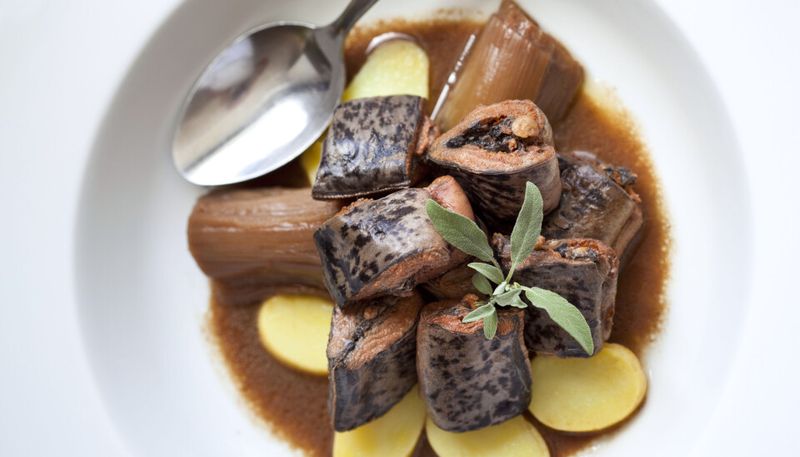
Rivers and coastal waters provided abundant eels and lampreys for Elizabethan tables across all social classes.
Cooks prepared them in pies, stews, or simply roasted with butter and spices for flavour.
Lampreys were particularly prized by royalty, with historical records showing monarchs' fondness for them.
Both fish types were easier to preserve than other seafood, making them practical choices throughout the year.
5. Marchpane (Almond Marzipan Sweet)
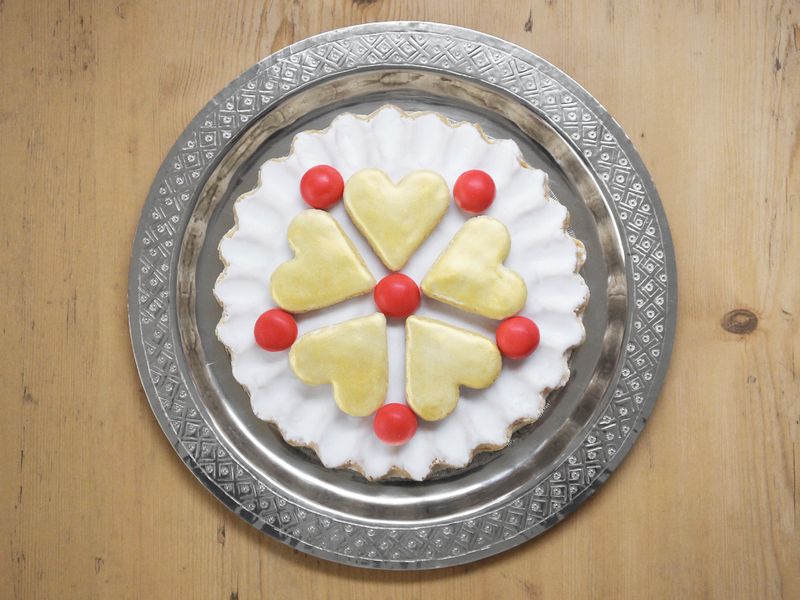
Skilled confectioners crafted marchpane from ground almonds and sugar into elaborate shapes and designs.
Wealthy families displayed these edible sculptures at banquets as both dessert and decoration, impressing guests with artistry.
The expense of sugar and almonds meant only the privileged enjoyed this treat regularly.
Bakers moulded marchpane into castles, animals, and flowers, showcasing their talent and their patron's prosperity.
6. Rabbit And Pheasant Roasts
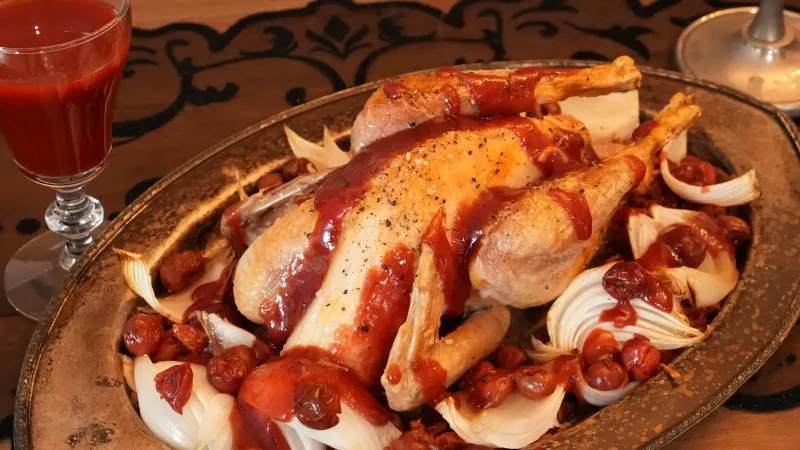
Landowners permitted tenant farmers to trap rabbits, providing accessible protein for middle-class families.
Pheasants required hunting rights but appeared more frequently on tables than rare game like venison.
Cooks roasted both meats on spits, basting with butter and herbs until the skin crisped beautifully.
These birds offered flavourful alternatives to everyday chicken, adding variety to the Elizabethan diet without extreme expense.
7. Pickled Herring
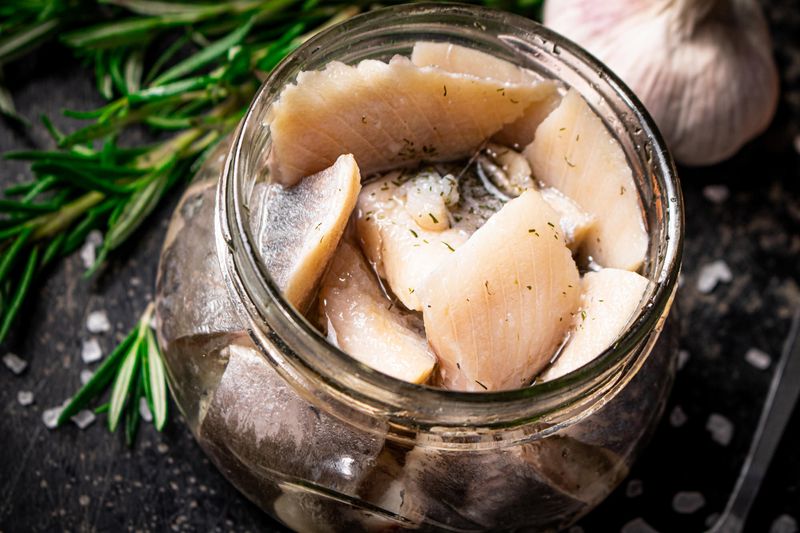
Preservation techniques allowed herring to last months, making it invaluable for long winters and sea voyages.
Fishermen caught vast quantities along Britain's coasts, then packed them in salt and vinegar for storage.
Both rich and poor consumed pickled herring regularly, though preparation quality varied by wealth.
The strong, salty flavour required an acquired taste, but its affordability and availability made it a dietary staple.
8. Custard Tarts
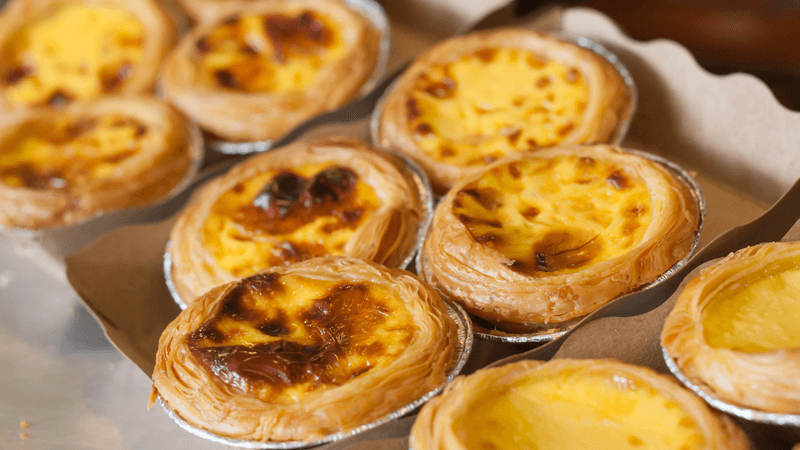
Bakers combined eggs, cream, and sugar in pastry shells to create these beloved desserts for special occasions.
The smooth, sweet filling contrasted beautifully with the crisp, buttery crust that held it together.
Custard tarts appeared at celebrations and banquets, though simpler versions reached middle-class tables too.
Their popularity endured through centuries, proving the timeless appeal of this classic Elizabethan treat that still delights today.
9. Mincemeat Pasties
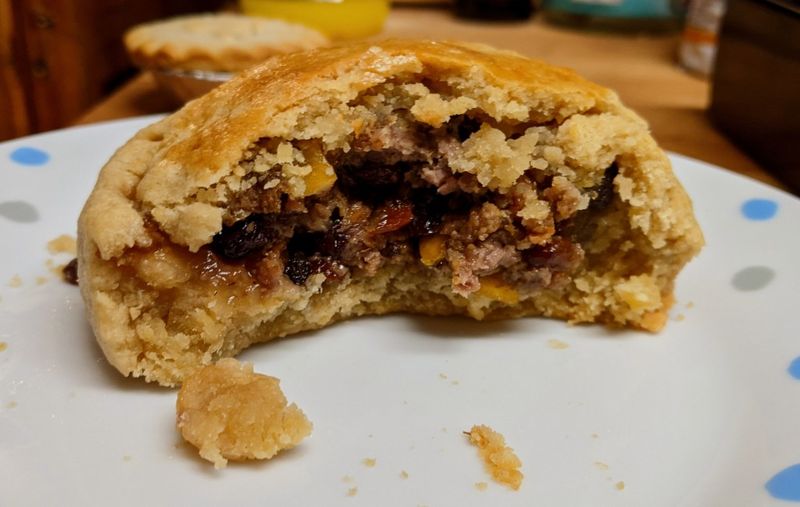
Cooks mixed chopped meat with dried fruits, spices, and suet to create savoury-sweet fillings for portable pastries.
Workers and travellers appreciated these handheld meals that stayed fresh for several days without refrigeration.
The combination of meat and fruit might seem strange now, but Elizabethans loved blending sweet and savoury flavours.
Different regions developed unique recipes, with each household adding their preferred spices and ingredients.
10. Boar's Head
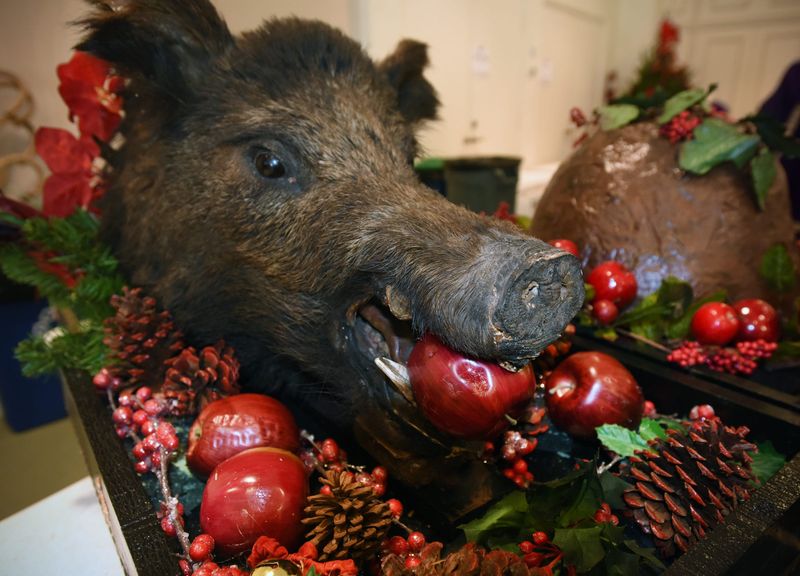
Christmas celebrations traditionally featured an entire boar's head as the spectacular centrepiece at noble feasts.
Servants carried it ceremoniously into the hall whilst musicians played and guests applauded the impressive display.
Cooks spent hours preparing and decorating the head with fruits, herbs, and sometimes gold leaf.
Only the wealthiest families could afford such extravagance, making it the ultimate symbol of holiday prosperity and generosity.
11. Game Birds
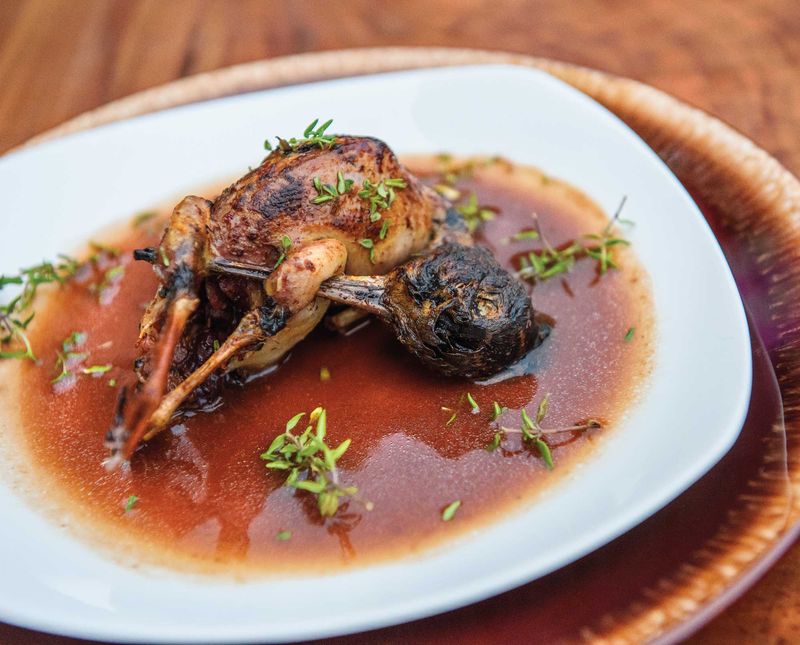
Partridges, quails, and other small birds were roasted and served smothered in rich sauces made from onions, herbs, and spices.
The savoury gravy added depth and warmth, perfectly complementing the delicate meat.
Hunting these birds required less privilege than pursuing deer, allowing more families to enjoy them occasionally.
The sauce transformed simple roasted fowl into something memorable and flavourful for special meals.
12. Pease Porridge
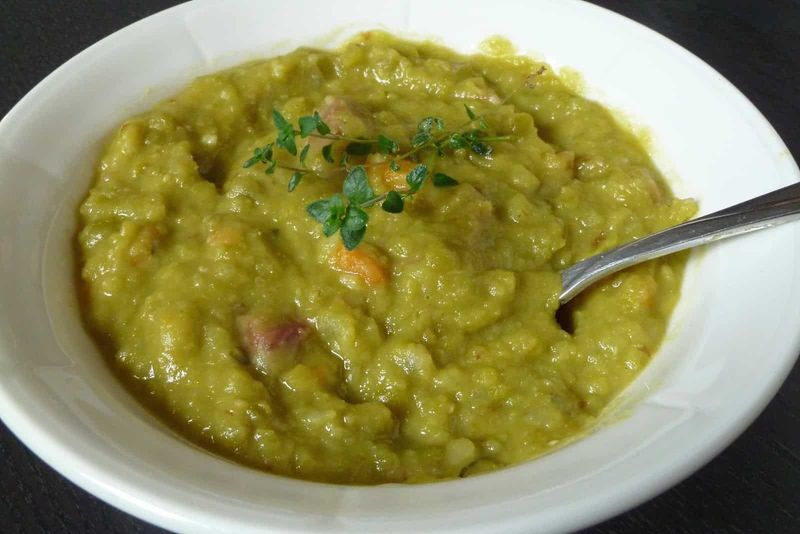
Dried peas cooked slowly with water and sometimes bacon created this filling dish that sustained working families through harsh times.
The porridge could be eaten hot, cold, or even sliced when it solidified after cooling completely.
Its affordability and nutritional value made it indispensable for the poor, who ate it regularly throughout the year.
The nursery rhyme about pease porridge reflects its historical importance in Elizabethan and earlier diets.