

Holiday baking has always reflected the spirit of its time, from the careful post-war puddings of the 1950s to the vibrant, social media-worthy creations of today.
Each generation has added its own twist to festive favourites, transforming classic recipes into something new while keeping the comfort of tradition alive.
This journey through the decades shows how changing tastes, trends, and ingredients shaped the sweet side of the holiday season.
All information is provided for general interest only.
Taste, appearance, and availability may vary depending on location and personal preference.
Photos are for illustrative purposes only.
Traditional Puddings And Fruitcakes Of The 1950s
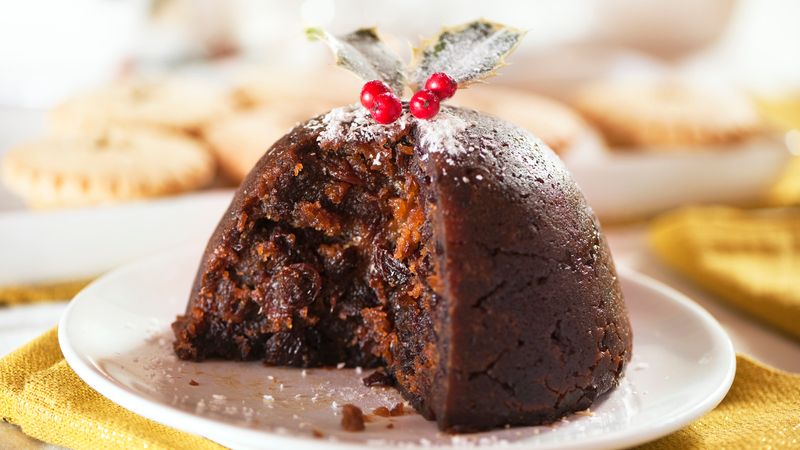
Post-war Britain clung to time-honoured recipes that had survived rationing and hardship.
Dense, dark fruitcakes soaked in fruit juices became the centrepiece of every festive table, often prepared months in advance to develop their rich, complex flavours.
Christmas puddings were equally serious affairs, requiring careful preparation and lengthy steaming.
Families would gather to stir the mixture, each making a wish as they took their turn.
These treats symbolised resilience and tradition, connecting people to generations past through shared recipes and rituals.
The Rise Of Packaged Mixes In The 1960s Kitchen
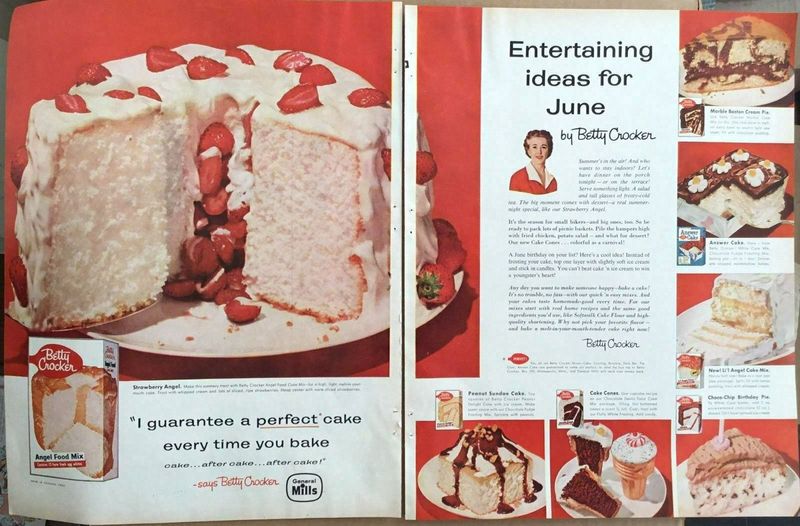
Convenience arrived in cheerful cardboard boxes, promising perfect results without the fuss.
Betty Crocker and similar brands revolutionised holiday baking, allowing even novice cooks to produce impressive cakes and biscuits with minimal effort.
The swinging sixties embraced modernity, and packaged mixes represented progress and liberation from laborious traditional methods.
Suddenly, anyone could bake without mastering complicated techniques or measuring countless ingredients.
This shift freed up time for other holiday preparations whilst still delivering homemade treats that impressed guests.
1970s Baking Gets Creative With Colour And Design
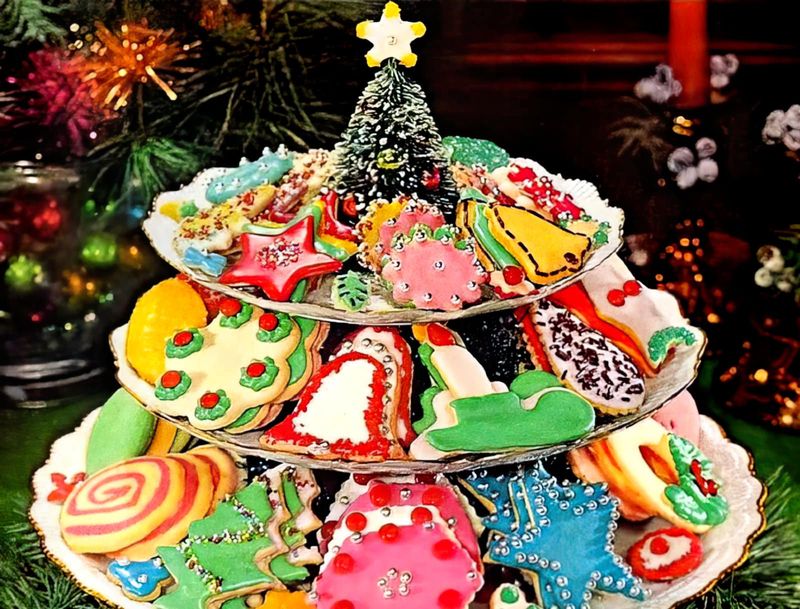
Groovy patterns and eye-popping colours invaded the baking scene as creativity exploded across kitchen counters.
Food colouring became a staple ingredient, transforming ordinary biscuits into psychedelic masterpieces that matched the era's bold aesthetic.
Piping bags worked overtime creating elaborate decorations on cakes and gingerbread houses.
Health consciousness also emerged, with wholesome ingredients like bran and oats sneaking into festive recipes alongside the rainbow icing.
Bakers experimented fearlessly, treating their creations as edible art rather than merely following traditional recipes.
Indulgent 1980s Desserts Take Centre Stage
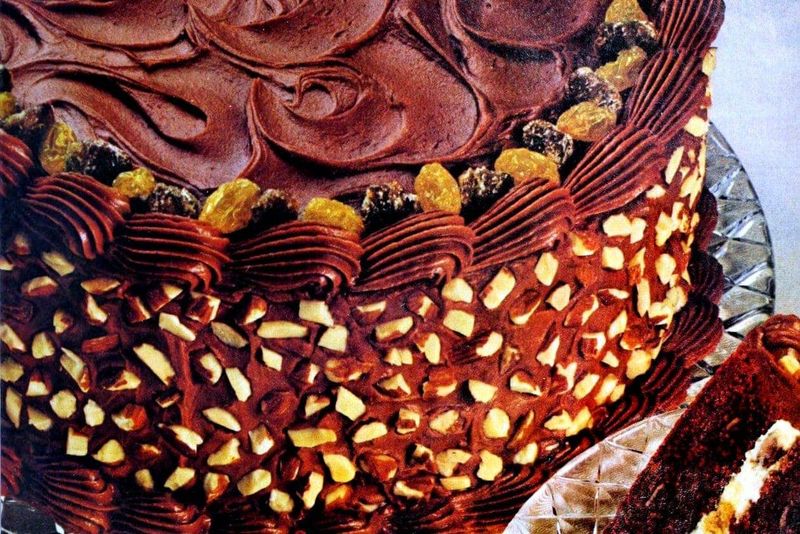
Excess defined the decade, and holiday baking reflected this with outrageously rich, over-the-top creations.
Triple-layer chocolate gateaux dripping with ganache competed with cream-laden trifles for attention at festive gatherings.
Butter, sugar, and indulgence ruled supreme as bakers abandoned restraint entirely.
Cinnamon rolls grew larger, cheesecakes became denser, and everything received an extra dollop of frosting or whipped cream.
The philosophy was simple: if one layer tasted good, three layers tasted spectacular, and calories simply didn't count during the holidays.
The 1990s Bring Simpler, Family-Friendly Bakes
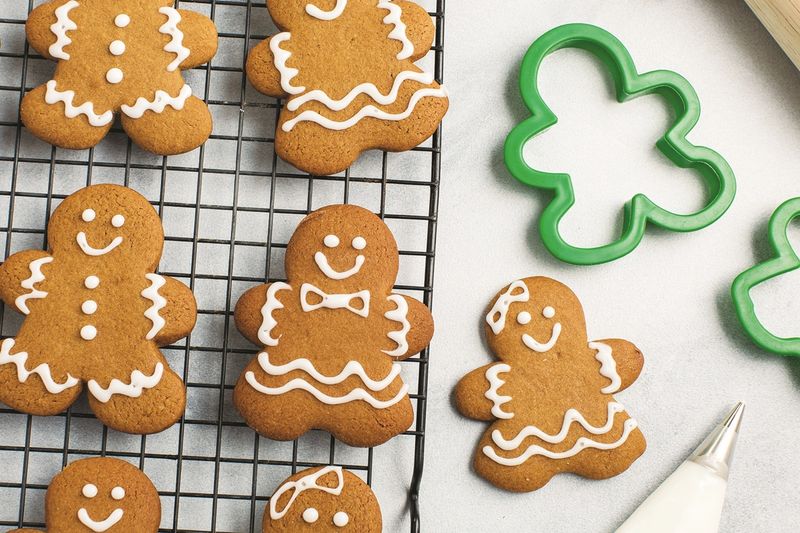
Families reclaimed the kitchen as busy parents sought activities to share with their children.
Simple sugar biscuits replaced complicated confections, prioritising fun and togetherness over perfection.
Recipe books emphasised quick preparation times and kid-friendly decorating opportunities.
Gingerbread men, basic cupcakes, and straightforward brownies dominated holiday baking, chosen for their accessibility rather than sophistication.
This decade valued the experience of baking together more than producing professional-looking results, making memories whilst creating modest but heartfelt treats.
Early 2000s Cupcake Craze Sweeps The Nation
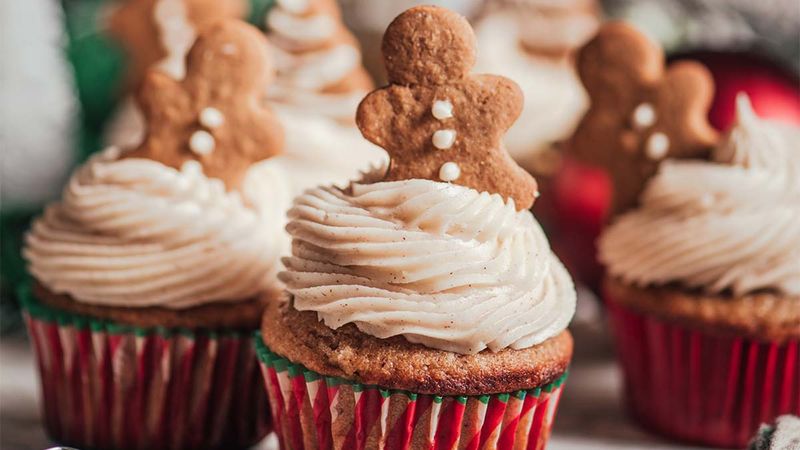
Miniature cakes suddenly became massive business as cupcake boutiques sprouted on every high street.
These individual portions offered endless customisation possibilities, from red velvet with cream cheese frosting to elaborate fondant-topped creations.
Television shows celebrated cupcake artistry, inspiring home bakers to invest in piping tips and specialty ingredients.
Holiday gatherings featured cupcake towers instead of traditional cakes, each guest selecting their preferred flavour.
The trend transformed baking into a fashionable pursuit, with Instagram-worthy presentation becoming as important as taste.
Artisan Bread And Homemade Trends Of The 2010s
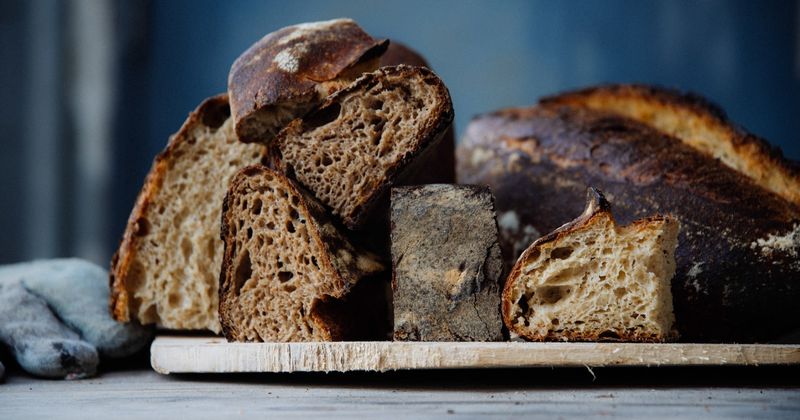
Authenticity replaced convenience as bakers rediscovered traditional techniques and slow fermentation processes.
Sourdough starters became prized possessions, carefully nurtured and shared amongst friends like precious heirlooms.
Holiday tables showcased crusty artisan loaves, braided challahs, and handcrafted pastries made from scratch.
People rejected mass production, seeking connection to their food through labour-intensive baking that required patience and skill.
This movement celebrated craftsmanship, with bakers proudly displaying their flour-dusted hands as badges of honour.
The Gluten-Free And Vegan Movement Gains Ground
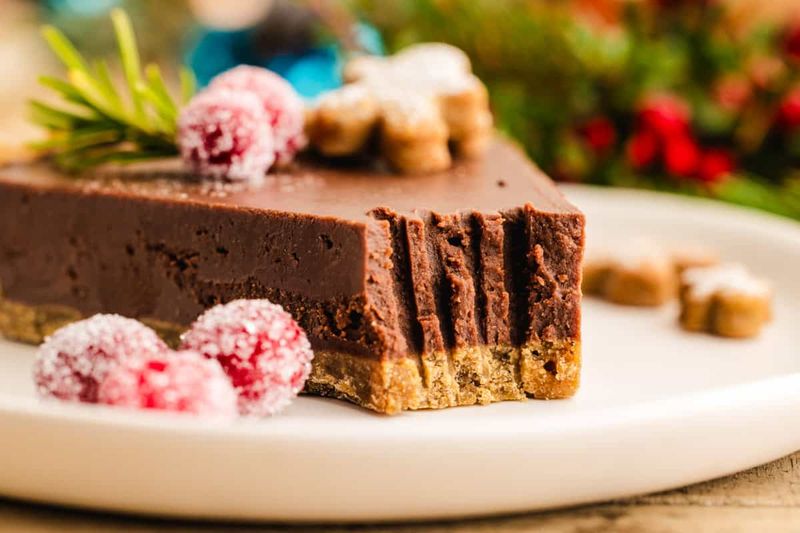
Dietary requirements stopped being obstacles as innovative bakers developed delicious alternatives to traditional recipes.
Almond flour, coconut oil, and aquafaba replaced conventional ingredients, proving that restrictions could inspire creativity rather than limitation.
Holiday gatherings became more inclusive, with hosts ensuring everyone could enjoy festive treats regardless of allergies or lifestyle choices.
Vegan gingerbread and gluten-free mince pies tasted remarkably similar to their traditional counterparts.
This shift normalised diverse eating patterns, making holiday baking accessible to previously excluded guests.
How Nostalgia Shapes Today's Holiday Baking Traditions
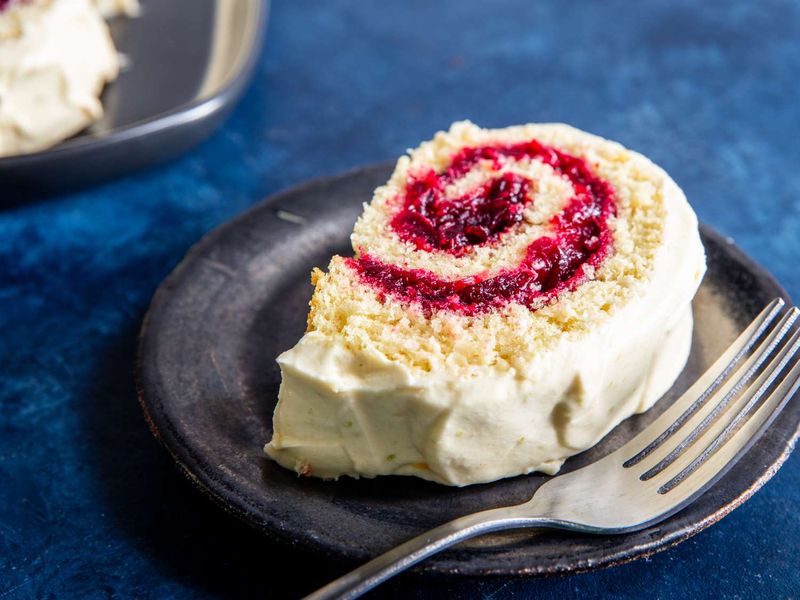
We're witnessing a beautiful collision between gran's handwritten recipe cards and the latest food trends.
Modern bakers cherry-pick elements from every decade, creating hybrid treats that honour tradition whilst embracing innovation.
That childhood fruitcake recipe might now feature trendy dried fruits and a touch of exotic spice.
Traditional puddings appear alongside vegan alternatives, satisfying diverse preferences at the same festive table.
This blending of past and present ensures holiday baking remains relevant whilst preserving the emotional connections that make these treats truly special.