








There was a time when neon-orange drinks and sugar-packed cereals were seen as the height of wholesome living.
Our parents genuinely believed these treats were good for us - after all, they were advertised as full of vitamins and energy.
Looking back now, it’s equal parts funny and fascinating to see how much the definition of “healthy” has changed.
All information is provided for general interest only. Product availability and nutritional standards may vary by region and manufacturer.
1. White Bread Sandwiches
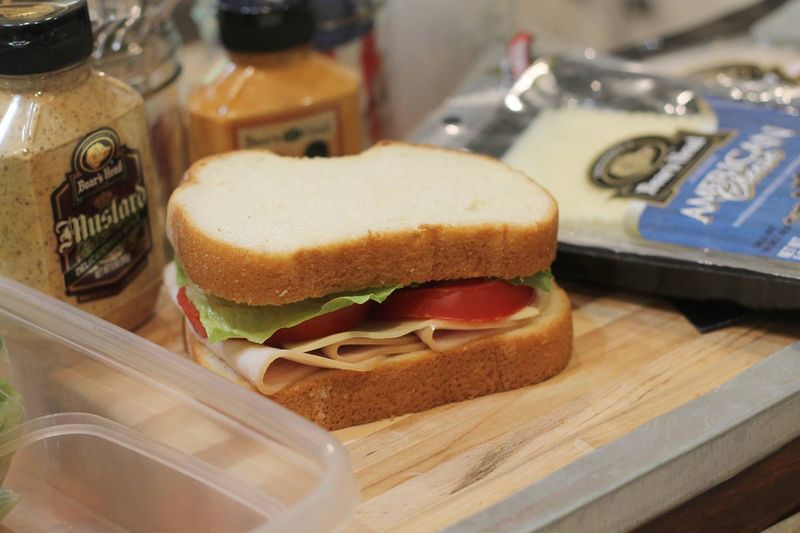
Soft, fluffy white bread was a lunchbox staple that parents considered perfectly wholesome and filling.
It was cheap, versatile, and kids actually ate it without complaint.
However, the refining process stripped away most nutrients and fibre, leaving behind simple carbohydrates that spike blood sugar quickly.
White bread offers little nutritional value compared to wholegrain alternatives that keep children fuller longer.
2. Canned Fruit In Syrup
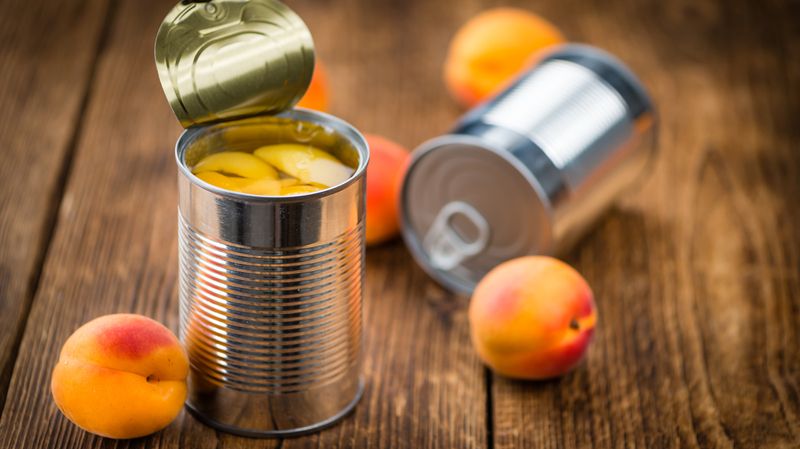
Mums believed tinned peaches, pears, and fruit cocktail counted as proper fruit servings, especially during winter when fresh options were pricey.
The convenience factor made them a pantry essential.
What they didn't realise was the heavy syrup coating each piece added enormous amounts of unnecessary sugar.
This transformed naturally sweet fruit into a dessert-like treat that caused energy crashes and cavities.
3. Flavoured Yoghurt
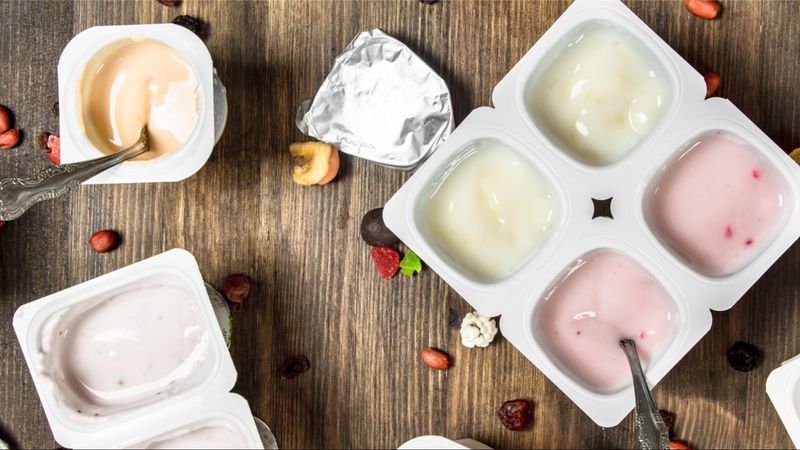
Yoghurt seemed like the ultimate healthy choice - calcium for strong bones, protein for growth, and probiotics for digestion.
Parents happily packed strawberry and raspberry varieties into lunchboxes daily.
Unfortunately, many flavoured yoghurts contained as much sugar as ice cream, sometimes exceeding 20 grams per small pot.
The fruit content was minimal, often just jam or artificial flavouring pretending to be nutritious.
4. Instant Noodles
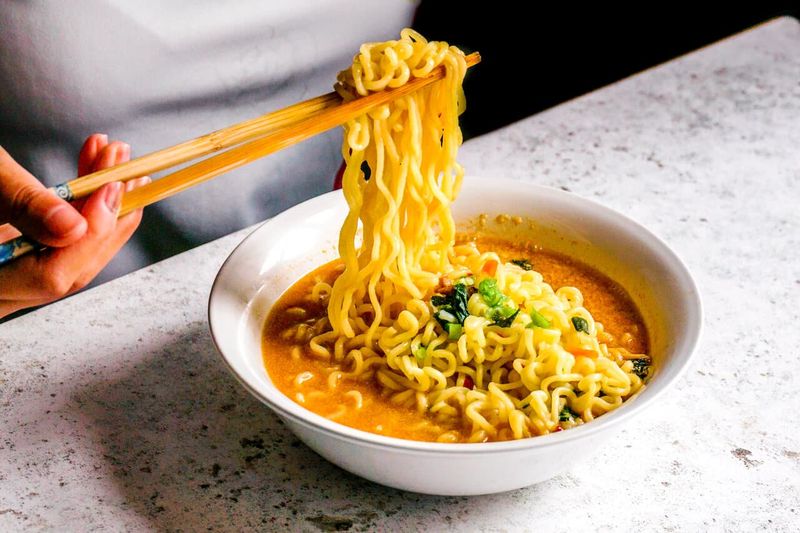
Quick, warm, and filling, instant noodles seemed like a sensible option for busy weeknight dinners or after-school snacks.
They were ridiculously cheap and kids genuinely enjoyed slurping them up.
The reality? One packet could contain over 1,500mg of sodium - more than half the daily recommended amount for adults, let alone children.
Plus, refined flour and palm oil offered minimal nutrition.
5. Sugar-Laden Breakfast Cereals
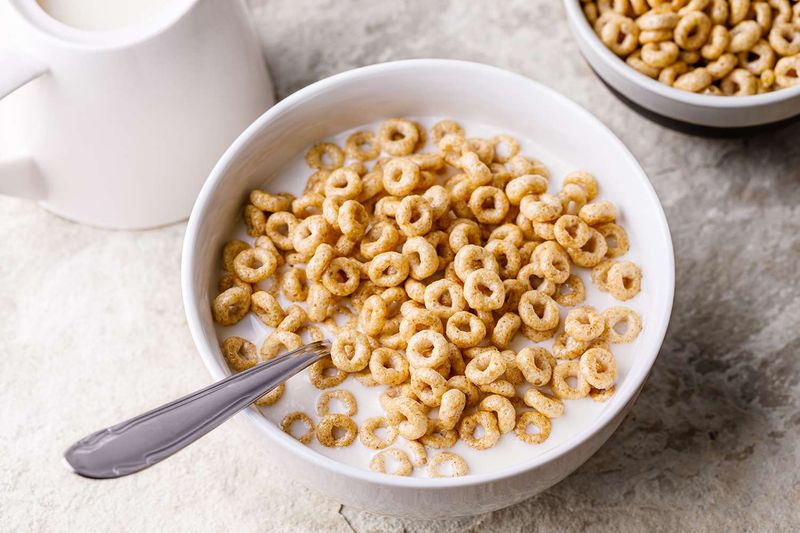
Breakfast cereals promised a nutritious start to the day, often boasting added vitamins and minerals on their colourful boxes.
Parents trusted brands that claimed to be "part of a balanced breakfast."
Many popular children's cereals contained more sugar per serving than a doughnut, sometimes over 40% sugar by weight.
The refined grains offered little lasting energy, leading to mid-morning crashes at school.
6. Frozen Fish Fingers

Fish meant brain-boosting omega-3s, right?
Parents felt quite virtuous serving fish fingers regularly, believing they were providing essential nutrients without the fuss of cooking actual fish fillets.
Most fish fingers contained surprisingly little actual fish - sometimes as low as 60% - with the rest being breadcrumb coating, oil, and fillers.
The deep-frying process also eliminated many of those hoped-for health benefits completely.
7. Margarine

Doctors and adverts convinced parents that margarine was the heart-healthy alternative to butter, lower in saturated fat and better for cholesterol levels.
Every household switched enthusiastically.
What nobody mentioned was the trans fat content in many margarines, which turned out to be far worse for heart health than butter ever was.
These artificial fats increased bad cholesterol whilst lowering the good kind.
8. Canned Soup
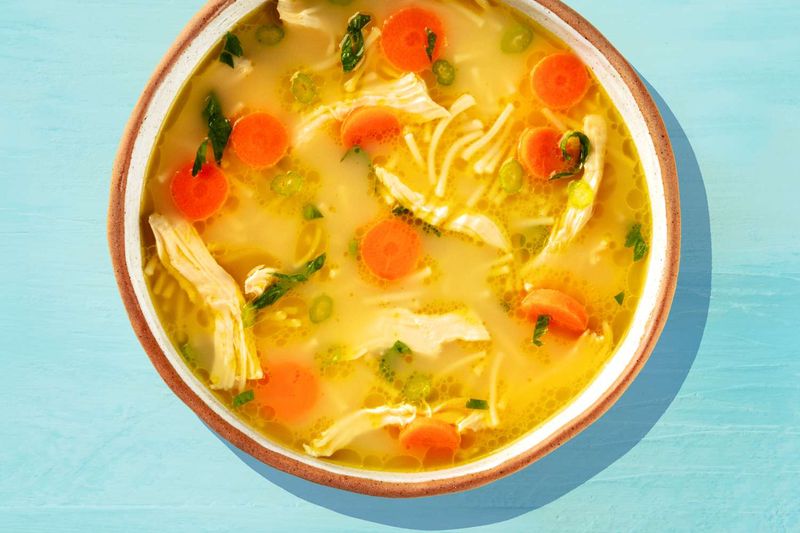
A warm bowl of tinned tomato or chicken noodle soup felt like comfort and nutrition combined, especially on cold days or when children felt poorly.
It seemed wholesome and homemade enough.
Canned soups were notorious sodium bombs, with some varieties containing over 800mg per serving - that's nearly half a child's daily limit.
Preservatives, MSG, and artificial flavours were standard ingredients throughout.
9. Processed Cheese Slices

Those perfectly square, individually wrapped cheese slices seemed like pure dairy goodness - calcium for growing bones and protein for strong muscles.
They melted beautifully on toast and in sandwiches too.
Processed cheese contains only about 51% actual cheese, with the remainder being emulsifiers, preservatives, artificial colours, and added sodium.
It's technically classified as a "cheese product" rather than real cheese.
10. Jelly Cups

Wobbly, colourful jelly cups were lunchbox favourites that parents considered relatively harmless treats.
They weren't chocolate or crisps, so surely they couldn't be too bad for growing children.
These gelatinous snacks were essentially sugar, artificial colours, and flavourings with zero nutritional value whatsoever.
Some varieties contained so much food colouring they were later linked to hyperactivity in sensitive children.
11. Snack Bars
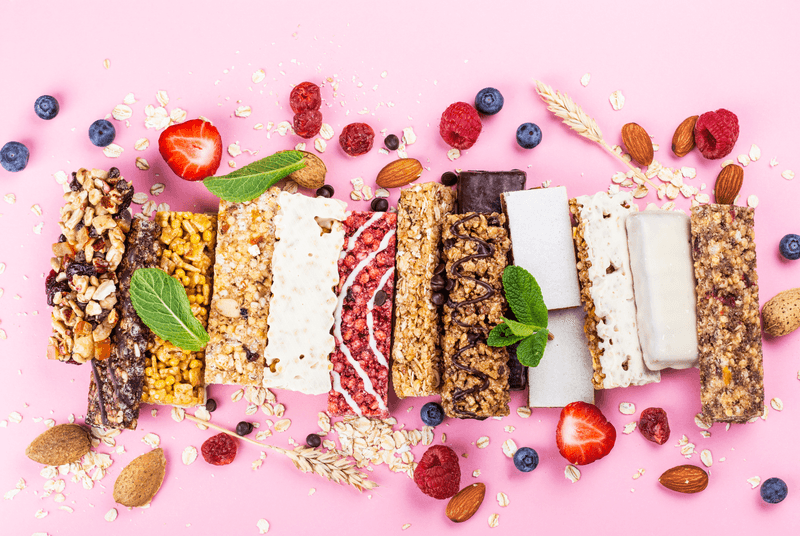
Cereal bars and granola bars looked like the perfect portable snack - wholesome oats, dried fruit, and sometimes nuts all pressed together conveniently.
Parents grabbed them for packed lunches and after-school hunger emergencies.
Most commercial snack bars contained shocking amounts of sugar, often held together with honey, syrup, or chocolate binding.
They offered little more nutrition than a biscuit despite their healthy appearance.
12. Chocolate Milk

Getting kids to drink milk was a victory, even if chocolate flavouring sweetened the deal.
Parents figured the calcium and vitamin D benefits outweighed the added sugar, especially for fussy eaters.
A single serving of chocolate milk could contain up to 30 grams of sugar - more than a can of cola.
Whilst it did provide calcium, the sugar content undermined many of milk's natural health benefits significantly.