








Mushroom coffee has been stirring up curiosity across the UK, appearing on café menus and wellness blogs everywhere.
It claims to offer all the comfort of your morning brew with added benefits like smoother focus and balanced energy.
But how much of that is marketing, and how much actually holds up?
Before you swap your espresso for a fungi blend, here’s what science – and common sense – have to say about this trending drink.
All information is provided for general interest only.
Always consult a qualified health professional before making dietary changes.
Photos are for illustrative purposes only.
1. What Exactly Is Mushroom Coffee And How It's Made

Picture your usual coffee, but with a twist – ground medicinal mushrooms mixed right in.
Brands typically combine regular coffee beans with extracts from fungi like Lion's Mane, Chaga, or Reishi, creating a powdered blend that looks surprisingly normal.
The mushrooms are dried, then ground into a fine powder or turned into extracts before being blended with coffee.
Don't worry, it doesn't taste like a forest floor.
Most people say it's milder and earthier than regular coffee, with just a hint of umami that grows on you pretty quickly.
2. The Ancient Roots Behind This Modern Trend
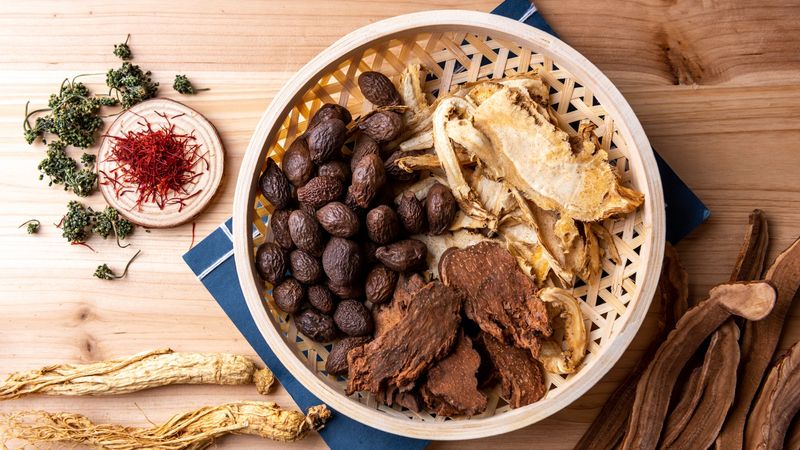
Long before mushroom coffee became trendy, cultures across Asia were brewing medicinal mushrooms for their healing properties.
Traditional Chinese medicine has used Reishi and Chaga for thousands of years to boost immunity and promote longevity.
Finnish folks have been sipping on Chaga tea since World War II, when coffee was scarce and they needed a substitute.
Fast forward to today, and clever entrepreneurs have merged ancient wisdom with modern coffee culture.
What's old is suddenly new again, and honestly, it's quite brilliant.
3. How Mushroom Coffee Compares To Regular Coffee
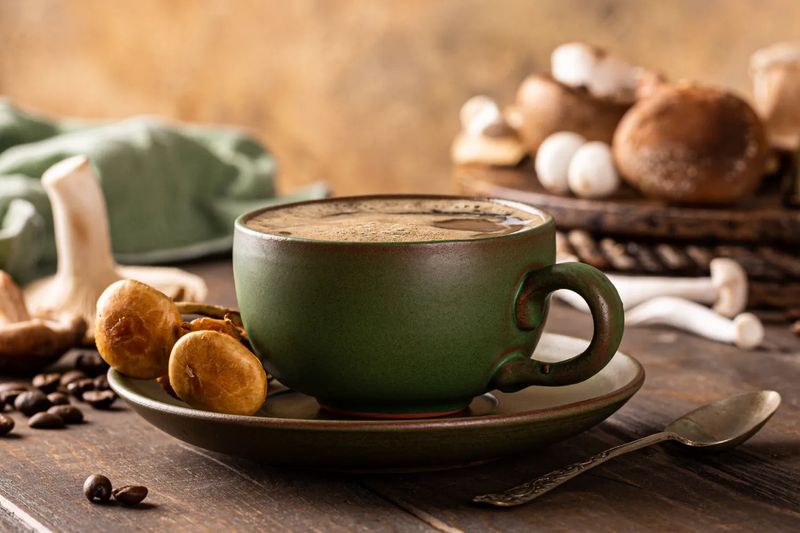
Here's the big difference: mushroom coffee typically contains about half the caffeine of regular coffee – around 50 milligrammes per cup versus 95 to 200 milligrammes.
That means less chance of those annoying midday crashes and jittery hands during important meetings.
Regular coffee is brilliant for a quick wake-up, but can leave you feeling a bit wired.
Mushroom coffee offers a gentler lift that lasts longer without the spike and crash.
Plus, it's generally less acidic, so your stomach might thank you.
4. The Potential Health Benefits Everyone's Talking About
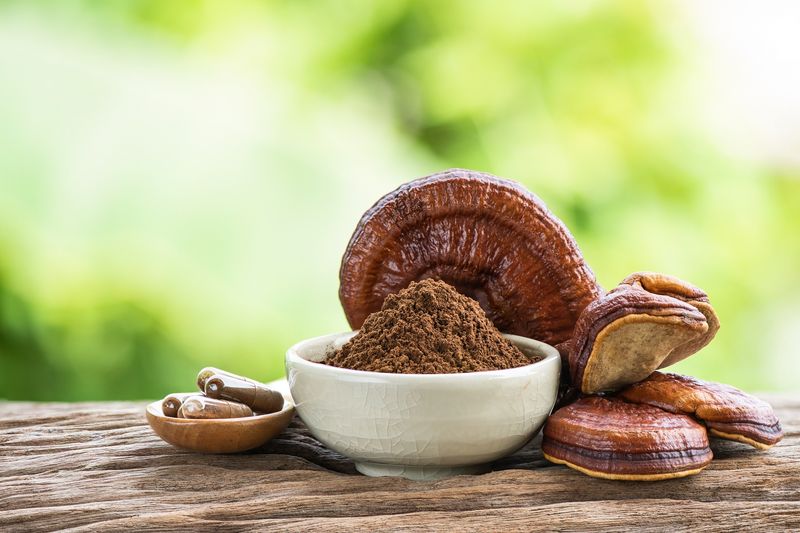
Medicinal mushrooms pack some seriously impressive compounds – think beta-glucans, polysaccharides, and antioxidants that support your immune system.
Chaga is loaded with antioxidants that fight oxidative stress, whilst Reishi may help regulate your body's stress response.
Lion's Mane gets special attention for potentially supporting brain health and cognitive function.
Some studies suggest it might even promote nerve growth factor production, though more research is needed.
It's not magic, but the science is genuinely intriguing and worth paying attention to.
5. Does It Really Give You Smoother Energy And Focus?

Many fans swear by mushroom coffee's ability to deliver steady energy without the jitters or afternoon slump.
The lower caffeine content means you get a gentle boost rather than a rocket launch, which can actually help you maintain focus for longer periods.
Lion's Mane mushroom is the real star here, potentially supporting mental clarity and concentration.
Adaptogens in the blend may help your body handle stress more efficiently, keeping you calm yet alert.
Results vary, but plenty of people find it genuinely works better for sustained productivity.
6. The Science Behind Functional Mushrooms In Your Cup
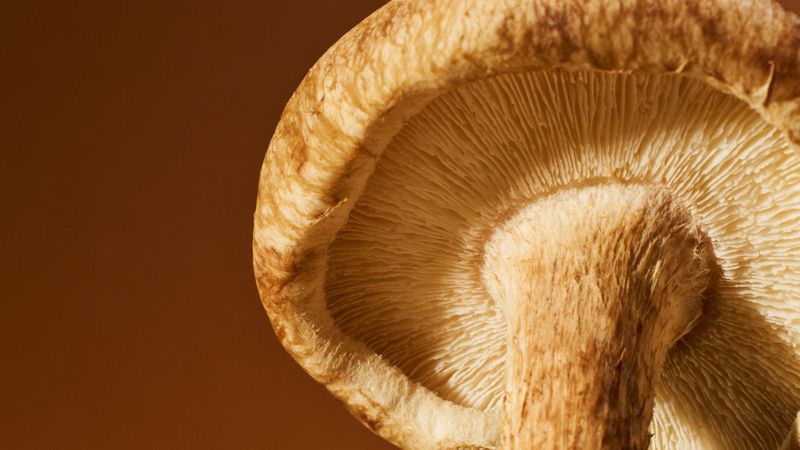
Functional mushrooms contain bioactive compounds that interact with your body in fascinating ways.
Beta-glucans, for instance, are polysaccharides that may modulate immune function and reduce inflammation throughout your system.
Lion's Mane contains hericenones and erinacines, compounds that might stimulate the production of nerve growth factor, potentially supporting brain health.
Reishi's triterpenes may help regulate stress hormones and promote better sleep quality.
Whilst research is still emerging, early studies show genuine promise for these clever fungi.
7. What Nutrition Experts Say About The Hype
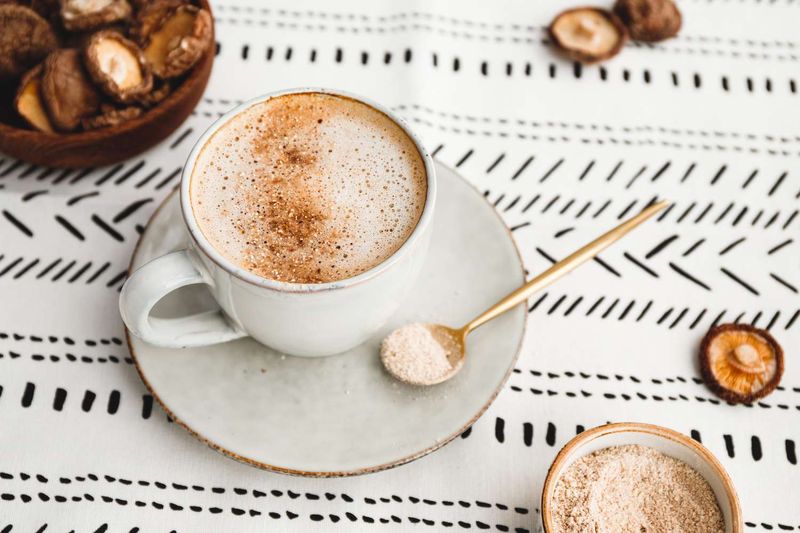
Nutritionists tend to be cautiously optimistic about mushroom coffee, acknowledging the potential benefits whilst noting that more long-term studies are needed.
Most agree that the lower caffeine content is genuinely helpful for people sensitive to stimulants or those trying to reduce their intake.
The prebiotic properties of certain mushrooms may support gut health, which experts love.
However, they warn against expecting miracle cures – mushroom coffee is a complement to a healthy lifestyle, not a replacement for proper nutrition.
It's promising, just not a magic bullet.
8. How To Brew Mushroom Coffee At Home Without The Fuss
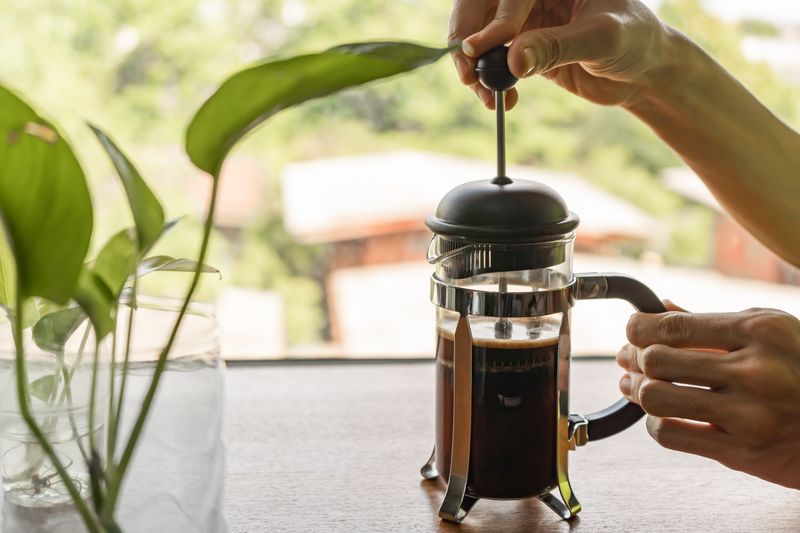
Brewing mushroom coffee is dead simple – most brands come as instant powder that you just mix with hot water, exactly like instant coffee.
If you prefer a French press or pour-over method, some companies sell ground blends that work perfectly with your existing equipment.
Start with one teaspoon per cup, adjust to taste, and add your usual milk or sweetener if you fancy. The earthy flavour pairs brilliantly with oat milk or a dash of cinnamon.
Honestly, it's no more complicated than your regular morning brew.