








Crisps are one of those snacks that start with a satisfying crunch and somehow disappear before you realise you’ve eaten the whole bag.
They’re salty, addictive, and comforting in a way few other snacks can match - but that crunch comes with more than just flavour.
From how they affect your appetite to what’s really going on in your body after eating them, it’s time to find out what happens once the packet’s empty.
All information is provided for general educational purposes only. This article is not a substitute for professional medical advice, diagnosis, or treatment. Nutritional effects may vary depending on brand, portion size, and individual health.
How Crisps Affect Your Blood Sugar And Energy Levels
Crisps are packed with refined carbohydrates that your body breaks down very quickly.
Once digested, they cause your blood sugar to rise rapidly, giving you a brief burst of energy that feels great at first.
Unfortunately, what goes up must come down.
Within an hour or two, your blood sugar drops again, leaving you tired, irritable, and craving even more salty snacks to bring your energy back.
The Role Of Salt And Why It Matters More Than You Think
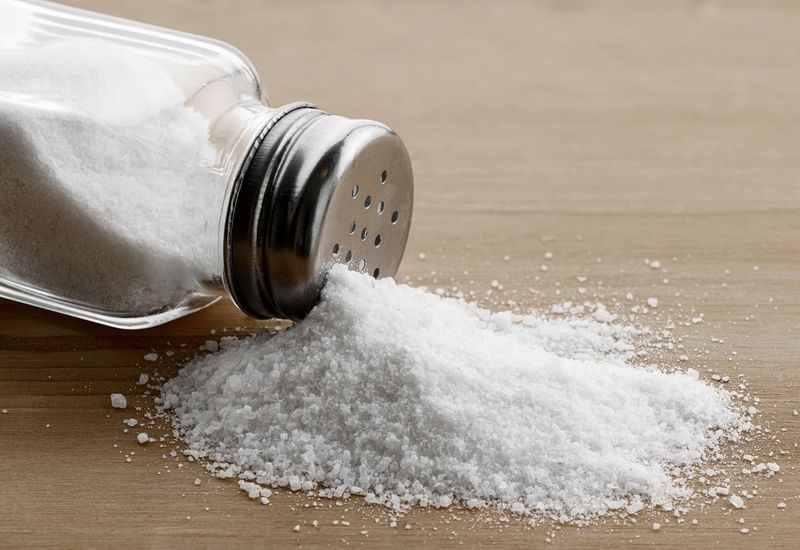
A single portion of crisps can still pack more salt than you might expect.
Salt makes crisps taste irresistible, but too much of it forces your kidneys to work harder to balance your body’s fluid levels.
Larger portions or heavily flavoured varieties can push you closer to your recommended daily limit faster than you realise.
Extra sodium also draws water into your bloodstream, increasing blood volume and putting strain on your blood vessels.
Over time, this can raise blood pressure and put additional pressure on your cardiovascular system.
What Happens When You Eat Too Many Fried Foods
Many crisps are fried in oil, which increases their calorie content and makes them easier to overeat.
Some brands now use oils like sunflower or rapeseed, which are lower in saturated fat, but the frying process still adds extra calories and fat compared to baked options.
These oils can raise LDL cholesterol when eaten in excess, which contributes to artery build-up over time.
Regularly eating fried foods can also increase inflammation throughout your body - a factor linked to problems such as joint pain, skin issues, and fatigue.
How Crisps Influence Heart Health Over Time
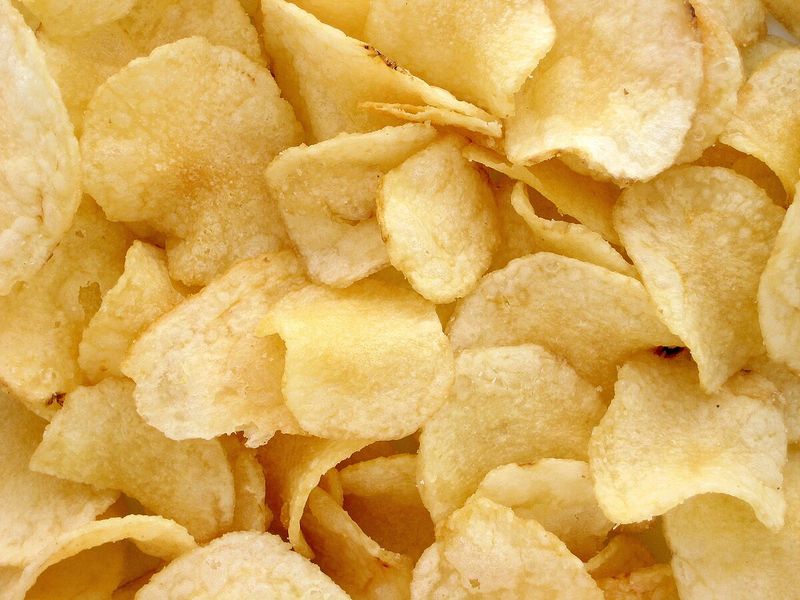
Your heart doesn’t appreciate a steady diet of crisps.
The combination of excessive salt, unhealthy fats, and refined carbohydrates creates a perfect storm for cardiovascular issues later on.
Research shows that people who regularly eat crisps and similar snacks are at higher risk of developing heart disease.
The saturated and trans fats found in some brands contribute to arterial plaque, making your heart work harder with every beat.
The Impact On Digestion And Gut Health
Crisps contain almost no fibre, which your digestive system needs to keep things moving smoothly.
Without enough fibre, food moves through your intestines more slowly, often leading to bloating and constipation.
Your gut microbiome also suffers when you eat too many processed snacks.
The beneficial bacteria that keep your digestion healthy prefer natural, whole foods, and a crisp-heavy diet can throw off that balance completely.
Weight Gain And Why Crisps Are So Easy To Overeat
Have you ever noticed how hard it is to stop after one crisp?
That’s because they’re made to be hyper-palatable, combining salt, fat, and carbohydrates in a way that lights up your brain’s reward system.
A typical packet can contain hundreds of calories but little nutritional value.
Since crisps don’t fill you up like proper meals do, those empty calories add up quickly, leading to gradual weight gain over time.
The Effects On Your Skin And Appearance
What you eat often shows up on your skin more than you might think.
The high glycaemic index of crisps can cause hormonal changes that increase oil production, leading to breakouts and acne flare-ups.
The inflammation caused by too much salt and fat can make skin conditions such as eczema or rosacea worse.
Your face might also appear puffier due to water retention from high sodium intake.
Smarter Ways To Enjoy Crisps Without Overdoing It
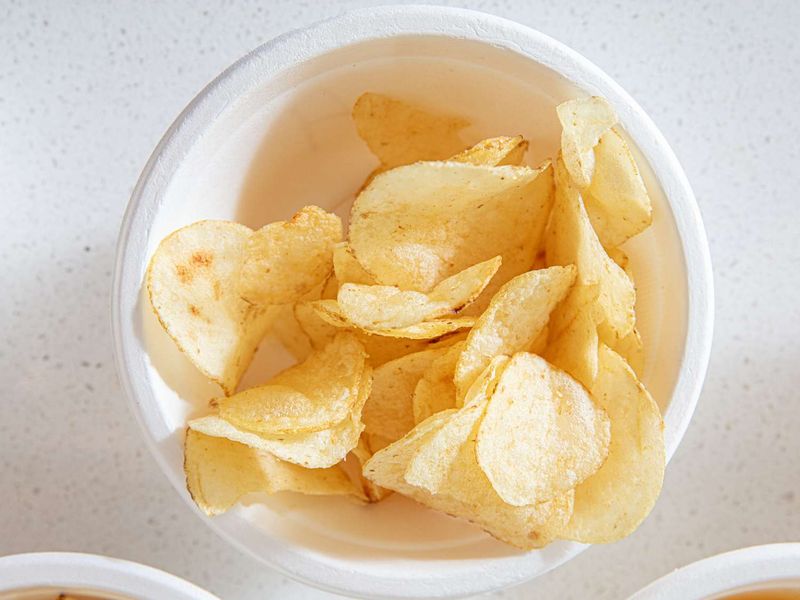
You don’t need to give up crisps completely to stay healthy.
Portion control helps - pour a small serving into a bowl instead of eating straight from the packet, so it’s easier to stop.
Look for baked varieties or those cooked in healthier oils like olive or avocado oil.
Pairing crisps with protein-rich foods such as hummus or eating them with a proper meal can also slow digestion and help steady your blood sugar.