



Britain and Germany have plenty in common, from a shared love of football to a fondness for hearty comfort food.
Yet some German dishes leave British diners puzzled, unsure whether to dive in or politely decline.
With unfamiliar ingredients, strong flavours and traditions that don’t always translate, these foods tell a story of a cuisine that marches to its own beat.
Exploring them reveals not confusion, but character – a reminder that taste is as much about culture as it is about flavour.
All information is provided for general interest only.
Taste, appearance, and availability may vary.
Photos are for illustrative purposes only.
1. Weißwurst Sausage
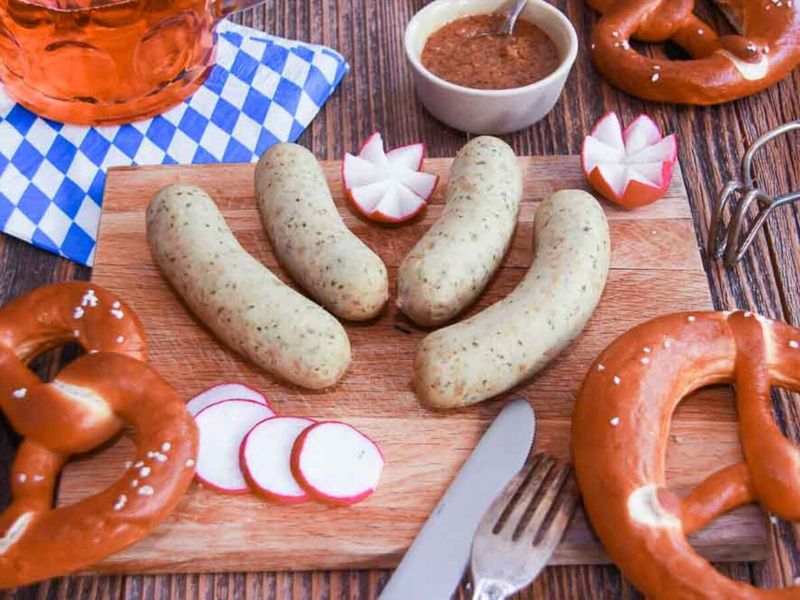
Imagine a pale, almost ghostly sausage that arrives at your breakfast table with strict rules attached – that's Weißwurst for you.
This Bavarian speciality is made from minced veal and pork back bacon, seasoned with parsley, lemon, and cardamom, then stuffed into a casing that you're not actually supposed to eat.
You peel it like a banana or suck the meat out, which can feel utterly bizarre if you're used to chomping straight through a banger.
Traditionally eaten before noon with sweet mustard and a pretzel, Weißwurst has an unwritten expiry time that adds to its mystique.
2. Currywurst
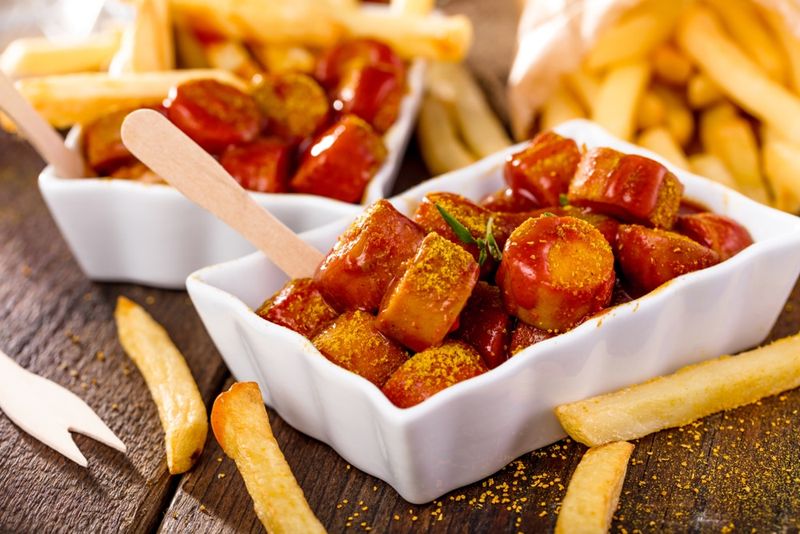
Born in post-war Berlin, currywurst is essentially fast food royalty in Germany – but Brits often scratch their heads at the concept.
Picture a steamed then fried pork sausage, sliced into chunky rounds, doused in curry ketchup, and dusted with curry powder.
It sounds simple, almost too simple, yet Germans devour millions of these every year at street stalls and canteens.
The curry flavour isn't particularly spicy or authentic by Indian standards, which leaves many Brits wondering why it's such a big deal.
Still, there's something oddly comforting about this saucy, savoury snack.
3. Sauerkraut
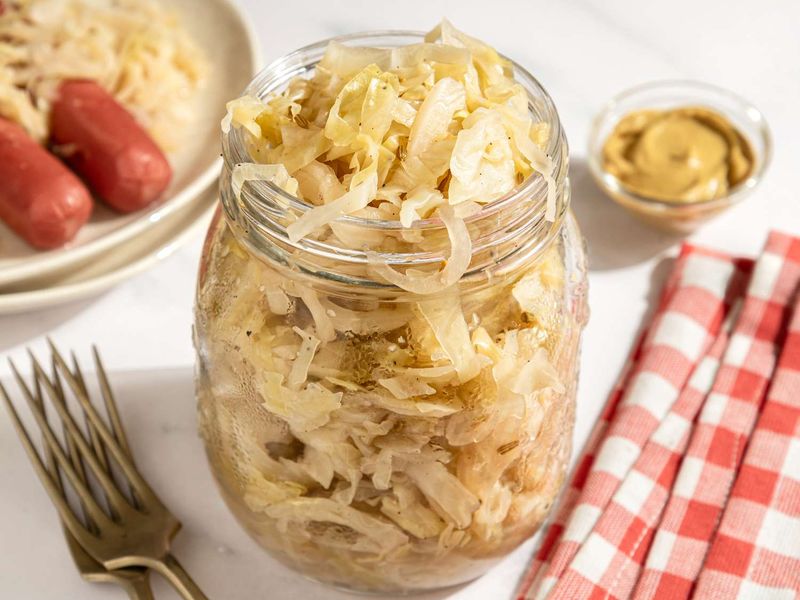
Fermented cabbage might sound like something you'd find at the back of a forgotten fridge, but in Germany, it's a beloved staple.
Sauerkraut is made by finely shredding cabbage and letting it ferment in its own juices with salt, creating a tangy, slightly sour flavour that pairs brilliantly with rich meats and sausages.
Brits, however, often find the smell off-putting and the texture too soft and soggy for their liking.
It's also packed with probiotics, making it a gut-friendly superfood long before that was trendy.
Once you get past the initial shock, it grows on you.
4. Kartoffelsalat
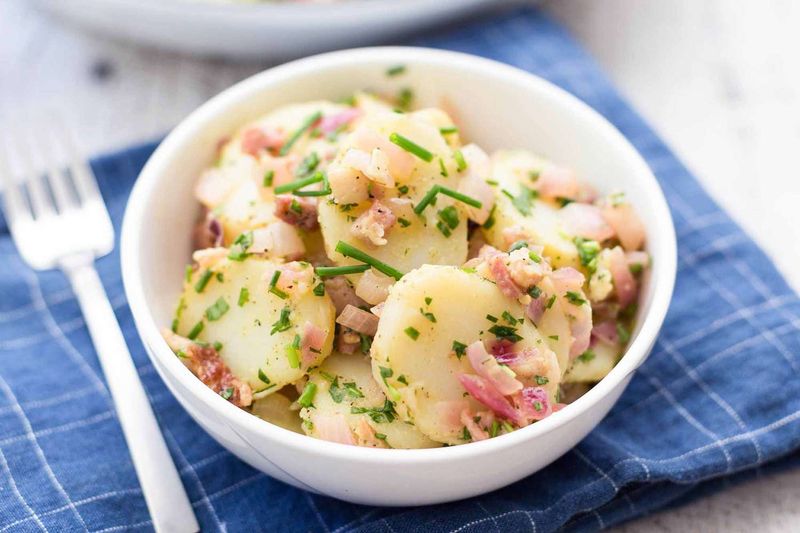
British potato salad usually involves mayo, sweetcorn, and a general sense of picnic nostalgia – but German Kartoffelsalat takes a sharply different route.
In southern Germany, it's made with warm potatoes, vinegar, oil, mustard, and sometimes bacon or onions, creating a tangy, savoury side that's worlds apart from our creamy versions.
Northern Germany does use mayo, but even then, it's lighter and less sweet than what we're used to.
The warm, vinegary style can taste almost pickle-like, which catches many Brits off guard.
It's an acquired taste, but utterly moreish once you're converted.
5. Spätzle
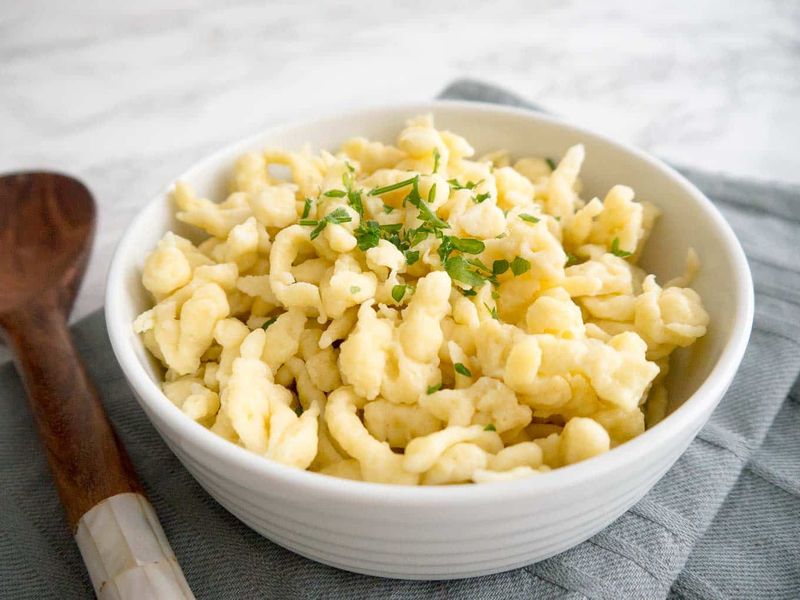
Think of Spätzle as Germany's answer to pasta, except squiggly, soft, and made from a batter rather than rolled dough.
These little egg noodles are pressed through a special grater or sieve into boiling water, creating irregular, bumpy shapes that soak up sauces beautifully.
Brits often mistake them for gnocchi or dumplings, but the texture is softer and more delicate.
They're commonly served with cheese (Käsespätzle), gravy, or alongside roasts, acting as the ultimate comfort carb.
Once you've tried them fresh and buttery, shop-bought pasta feels a bit dull in comparison.
6. Sauerbraten
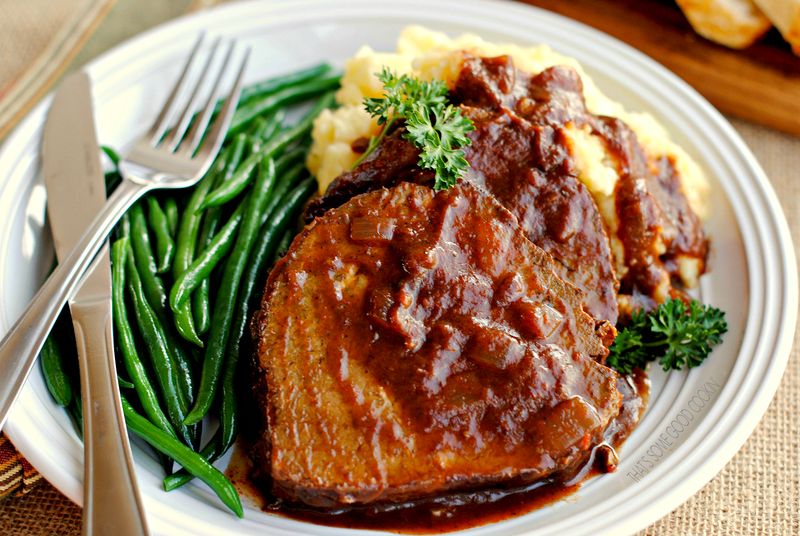
Sauerbraten is Germany's take on pot roast, but with a tangy twist that can throw off the uninitiated.
The beef is marinated for days in a mixture of vinegar, water, and spices, which tenderises the meat but also gives it a distinctly sour edge.
When slow-cooked, it becomes melt-in-your-mouth tender, often served with a rich, slightly sweet gravy made from the marinade and sometimes gingerbread crumbs.
Brits expecting a straightforward roast might find the sourness jarring at first, but it's balanced beautifully by the accompanying red cabbage and dumplings.
Patience and pickling make this dish sing.
7. Maultaschen
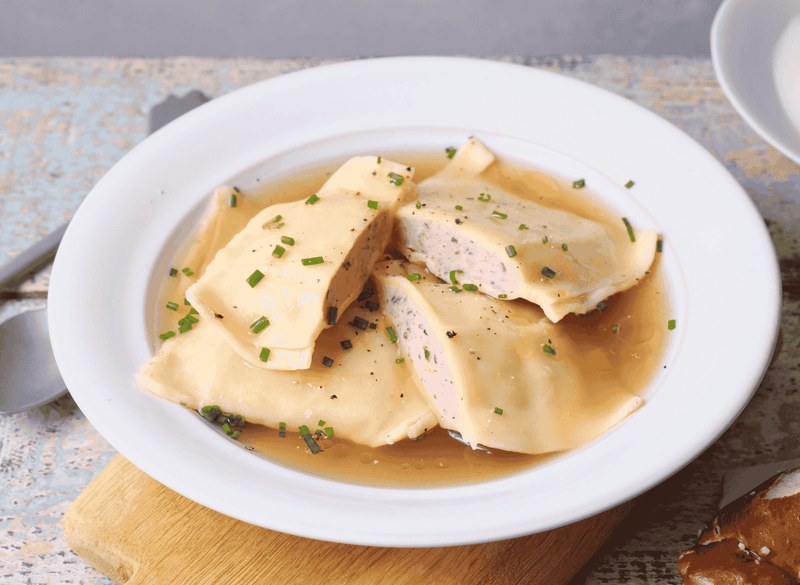
Often dubbed 'Swabian ravioli,' Maultaschen are hefty pasta parcels stuffed with minced meat, spinach, breadcrumbs, and herbs.
Legend has it that monks invented them to hide meat during Lent, fooling God with a pasta disguise – cheeky, right?
They're either served in broth or pan-fried with butter and onions, and they're far heartier than Italian ravioli.
Brits might find them a bit heavy or odd-looking, as they're larger and less delicate than what we're used to.
But bite into one, and you'll understand why they're a regional treasure in southern Germany.
8. Apfelküchle
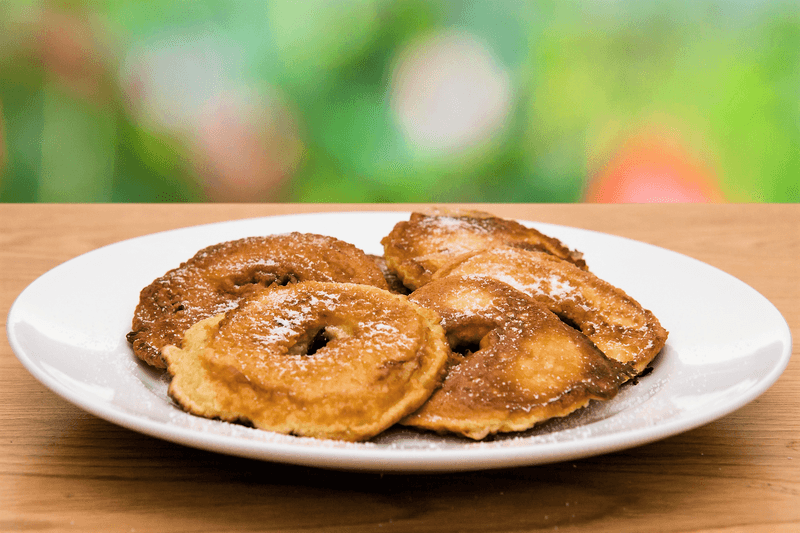
Apfelküchle are essentially apple rings dipped in batter, deep-fried, and dusted with cinnamon sugar – simple, yet utterly delightful.
The batter puffs up crispy and golden, while the apple inside stays soft and slightly tart, creating a contrast that's hard to resist.
Brits might recognise the concept from fairground doughnuts, but Apfelküchle feel more homely and less greasy.
They're often served warm as a dessert or afternoon treat, sometimes with vanilla sauce or ice cream.
It's comfort food at its finest, proving that Germans know how to do sweet treats just as well as savoury.
9. Bratkartoffeln
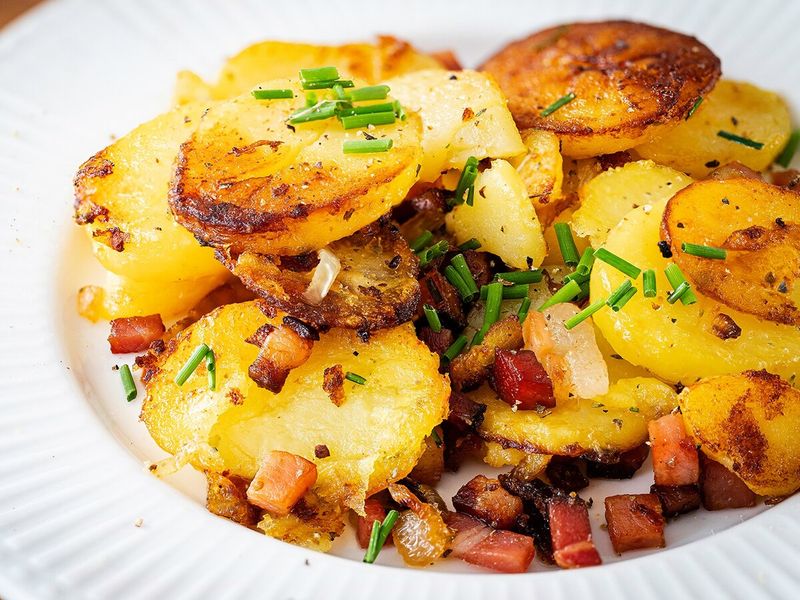
Bratkartoffeln translates to 'fried potatoes,' but these are no ordinary chips or hash browns.
Sliced boiled potatoes are pan-fried in butter or lard until crispy and golden, often mixed with onions and bacon for extra flavour.
They're a breakfast and dinner staple across Germany, served alongside eggs, sausages, or salads.
Brits might wonder why Germans bother boiling potatoes first before frying them, but this method gives them a creamy interior and a perfectly crisp exterior.
Once you've had proper Bratkartoffeln, frozen oven chips feel like a sad compromise.
10. Quarkbällchen
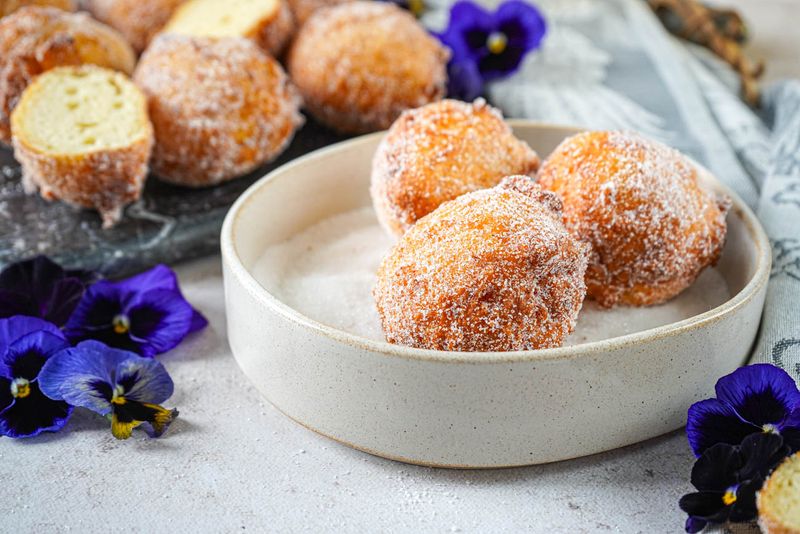
Quarkbällchen, often found in German bakeries, are small, deep-fried balls made from quark cheese dough.
These delightful pastries are typically dusted with powdered sugar, adding a touch of sweetness to their slightly tangy flavor.
Their crispy exterior and soft interior make them a favorite comfort food among Germans.
Yet, their simplicity often confounds Brits who might expect more elaborate pastries.
But sometimes, it's the simplest pleasures that leave the most lasting impressions.