








Bone broth has slipped back into modern kitchens with a mix of comfort, nostalgia and that cosy feeling you get from something gently bubbling on the stove.
Many cooks say it reminds them of old family habits, even though it now appears in trendy cafés and supermarket shelves alongside the usual soups.
You might be surprised by how this simple pot of simmered bones fits so naturally into today’s cooking routines.
This article provides general information only and should not be taken as health or nutrition advice. Always check reliable health sources or speak with a qualified professional if you have questions about your diet.
Nutritional Reasons Bone Broth Is Back On The Radar
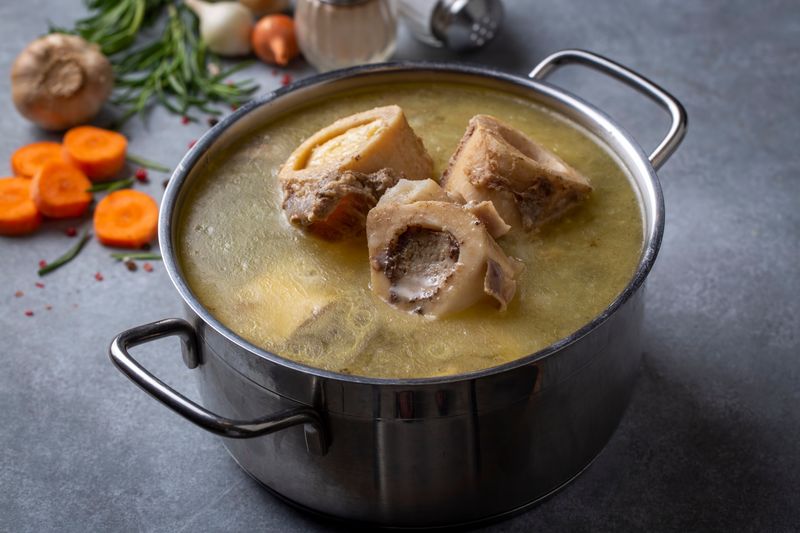
Bone broth's comeback is largely about what is actually in the pot, not just nostalgia.
Long-simmered bones release small amounts of collagen, gelatine, amino acids like glycine, and minerals such as calcium, magnesium, and phosphorus into the liquid.
Studies show that gelatine and collagen can contribute to overall protein intake, but bone broth itself usually contains modest protein compared with a full meal, so it is more of a supportive food than a magic fix.
Many people find a warm mug of bone broth soothing and easy to sip when they do not feel like eating a big plate of food, which helps with overall fluid and energy intake.
Because it is usually low in sugar and can be made with limited salt, it can fit well into a balanced way of eating if you keep an eye on how much seasoning you add.
It is important to remember that bone broth is not a cure-all or a guaranteed treatment for any health condition, but it can be a cosy, nourishing part of your routine.
The Real Difference Between Stock, Broth, And Bone Broth
People talk about stock, broth, and bone broth as if they are all the same, but there are some simple differences.
Classic stock is usually made from bones and trimmings simmered for a few hours and is often used as a base for sauces and gravies.
Broth usually includes more meat and vegetables and can be seasoned more strongly because it is often served on its own as a soup.
Bone broth tends to be simmered for much longer, sometimes 12 hours or more, which gives it a richer texture from gelatine when it cools.
In everyday cooking, many home cooks still use the words interchangeably, and you will often see cartons labelled stock or broth used in exactly the same way.
What matters most in your kitchen is how it tastes and what you are using it for, rather than which term sits on the label.
Knowing the basic difference simply helps you choose the version that suits your recipe and your patience level.
How People Are Using Bone Broth In Modern Everyday Cooking
Bone broth is not just something you sip from a mug in a trendy café.
Many people use it as a base for soups, stews, risottos, and sauces because it adds more body and savoury flavour than water.
Home cooks pour it into noodle bowls, cook grains like rice or barley in it, or use it to loosen mashed potatoes instead of milk for a richer taste.
Some like to drink a small cup in the afternoon instead of a coffee or sweet snack, especially in colder weather.
You will also see ready-to-heat pouches and cartons in supermarkets, which makes it easier to add a splash to weeknight recipes without boiling a pot for hours.
Even with all the convenience options, plenty of people still enjoy the ritual of saving leftover bones and simmering their own batch at the weekend.
It is a nice mix of old-fashioned kitchen habits and modern shortcuts working together.
What Science Actually Says About Bone Broth And Health
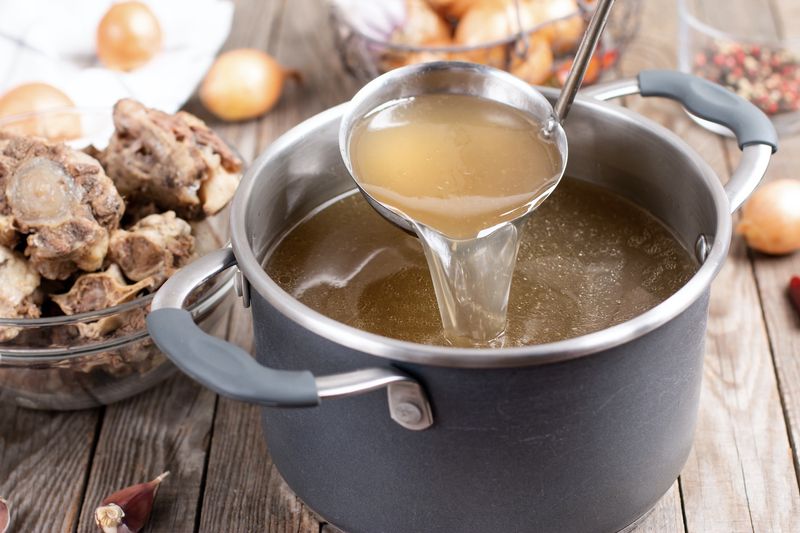
For all the hype, the science around bone broth is still quite limited and very specific.
Researchers have studied components like collagen, gelatine, and certain amino acids in relation to joint health, skin, and gut function, but most of these studies use isolated supplements, not a mug of broth from your stove.
Bone broth can contribute small amounts of these nutrients, but the exact content changes a lot depending on the bones, cooking time, and recipe, so it is hard to guarantee what you are getting in each cup.
Some tests have found that bone-based broths can contain measurable levels of minerals like calcium, yet often not enough to cover a large share of daily needs on their own.
Salt can also be on the higher side in some ready-made versions, which is worth checking on the label if you are watching your intake.
Overall, it is fair to say bone broth can be part of a healthy pattern of eating, but it should not replace balanced meals or medical advice.
Treat it as a comfort food with some potential benefits, rather than a miracle cure in a mug.
Simple Tips For Making Bone Broth Safely At Home
Making bone broth at home is fairly straightforward, but a few small steps keep it safe and tasty.
Using fresh, good-quality bones and refrigerating or freezing them quickly if you are not cooking straight away helps reduce the risk of spoilage.
Many cooks roast the bones first to deepen the flavour, then simmer them gently with water, vegetables, and a little vinegar to help draw out more gelatine.
It is important to keep the pot at a steady, low simmer rather than a rapid boil so the broth stays clear and does not evaporate too quickly.
Once it is cooked, cooling it promptly, storing it in the fridge, and using it within a few days, or freezing it in small portions, keeps it food-safe.
Skimming off excess fat after chilling is a simple way to adjust the richness to your taste.
With those basics in place, you can confidently keep a batch of homemade bone broth on hand as a cosy, versatile kitchen staple.