



British kitchens haven’t always looked the way they do today - and neither have the rules behind what ends up on our plates.
From banned additives to stricter labelling, food safety laws have quietly reshaped everyday eating habits more than most of us realise.
The story of how Britain cleaned up its cupboards is a fascinating reminder that what’s considered safe today wasn’t always the case.
All information is provided for general interest only. Regulations and standards may vary by region and are subject to change. Photos are for illustrative purposes only.
A Medieval Start With Basic Bread Rules
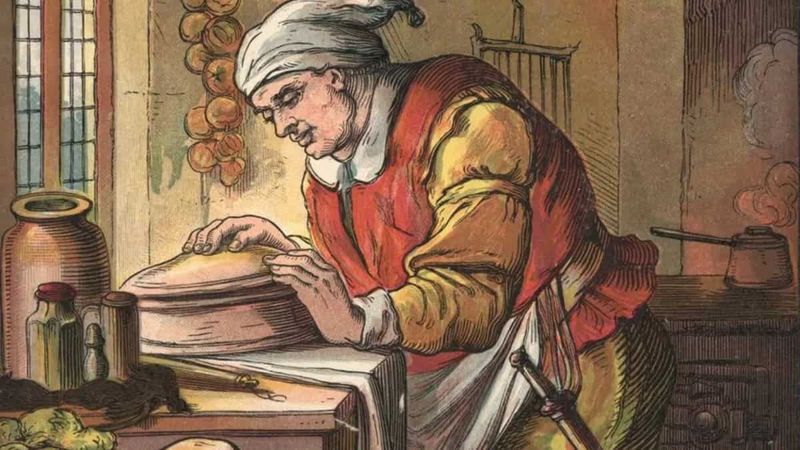
The roots of food regulation in Britain go back to the 13th century with the Assize of Bread - a law that set rules for the weight, quality, and price of bread to protect consumers from being swindled.
It was crude by today's standards, as quality was judged by sight, smell, or taste rather than scientific testing, yet it shows that even centuries ago there was concern about food fairness.
Over time, those basic laws laid a foundation for increasingly complex food regulation as commerce and consumption expanded across the country.
The Big Shift: The Food Safety Act 1990 Changes The Game
Before 1990, rules around food mostly concerned obvious problems like poisonous additives or tainted milk - hygiene and labelling weren't always strictly regulated.
The Food Safety Act 1990 changed that, requiring any food sold to be safe to eat, accurately described, and of a quality the buyer would reasonably expect.
This meant producers, shops, and restaurants became legally responsible - not just the consumer - for making sure food was clean, properly labelled, and not misleading.
A New Watchdog: The Rise Of The Food Standards Agency
In 2000 the Food Standards Agency (FSA) was founded - a body solely devoted to protecting public health as it relates to food across England, Wales, and Northern Ireland.
The FSA brought scientific oversight, clarity and independence to food regulation, separating food safety from market or farming interests in government.
Thanks to this, we now get clearer labelling, recalls when needed, and stronger safety inspections - affecting what shelf foods reach our plates.
Hygiene Rules Tighten Up With Modern Regulations
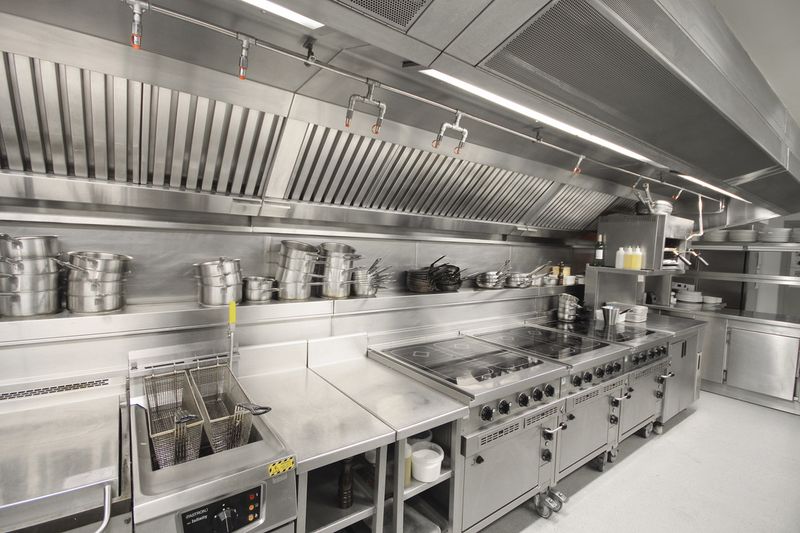
As part of ongoing reforms, the Food Hygiene (England) Regulations 2005 came into effect at the start of 2006, putting stricter hygiene requirements on any business handling or serving food.
These laws mandate clean kitchens, safe storage temperatures, staff training, and traceability - making it far harder for unsanitary or low-quality food to slip through.
What we eat today is safer partly because restaurants, shops and producers must meet these hygiene standards before they're allowed to sell.
From Shelf-Fillers To Transparency: Better Labelling And Standards
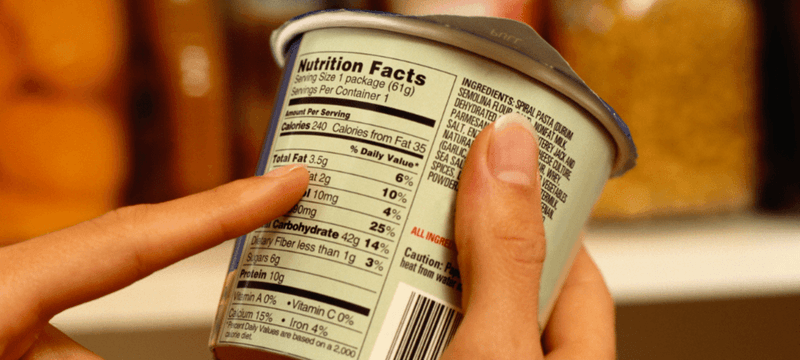
Modern food laws demand accurate labels - food must be described correctly in terms of ingredients, allergens, origin and nutritional info under the core legislation.
That means fewer nasty surprises - you know what's really in your tin or packet before you buy, which matters whether you're avoiding allergens or striving for a balanced diet.
It also curbs misleading marketing - no more vague claims about special ingredients hiding harmful additives or lower-quality produce.
How Food Crises Prompted Legal Overhauls And Changed What Landed On Our Plates
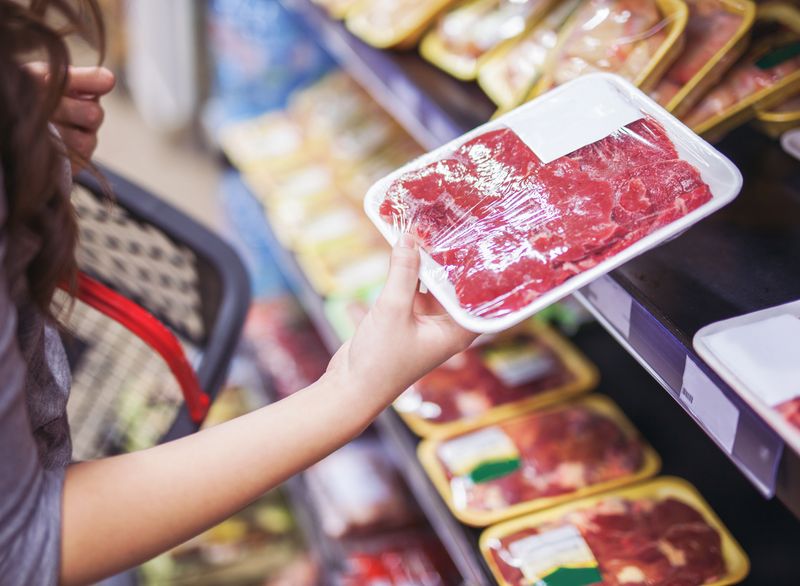
Scandals like the BSE outbreak in the 1990s and later food scares exposed flaws in the old system and pushed the UK to overhaul food regulation, leading to stricter laws and oversight.
As a result, consumers began demanding higher standards and transparency - changing our collective expectations so that food became about safety and quality, not just convenience or price.
Today that shift affects everything - from where we buy meat, to how it's inspected, to how clearly ingredients are listed - meaning we eat much differently than even a few decades ago.
Allergen Awareness Becomes Law And Saves Lives
Starting in 2014, UK law required all food businesses to provide allergen information for non-packaged foods, a change sparked by tragic cases where customers died from undeclared allergens.
This regulation means restaurants, cafes, and takeaways must clearly list the 14 major allergens in every dish they serve.
For millions living with food allergies, this law transformed eating out from a gamble into a safer experience.
Parents no longer fear hidden dangers in school lunches, and adults can dine confidently knowing exactly what they're consuming.