








Ever looked at a label and felt completely lost in a sea of unpronounceable ingredients?
You’re not alone - many additives hide in plain sight, and while some are harmless, others can take a quiet toll on your health over time.
Learning which ones to skip isn’t about fear, it’s about making smarter choices that keep you feeling your best.
This content is for general informational purposes only and should not replace professional medical advice, diagnosis, or treatment. Always consult a qualified healthcare professional before making changes to your diet or health routine.
1. Sodium Nitrite / Sodium Nitrate

Bacon lovers, brace yourselves.
Nitrites and nitrates keep processed meats looking fresh and rosy, but they can form nasty compounds called nitrosamines in your body, which have been linked to certain cancers.
Found in bacon, ham, hot dogs, and deli meats, they're worth dodging when you can.
Look for nitrite-free options or better yet, choose fresh meats instead.
2. Artificial Food Colourings
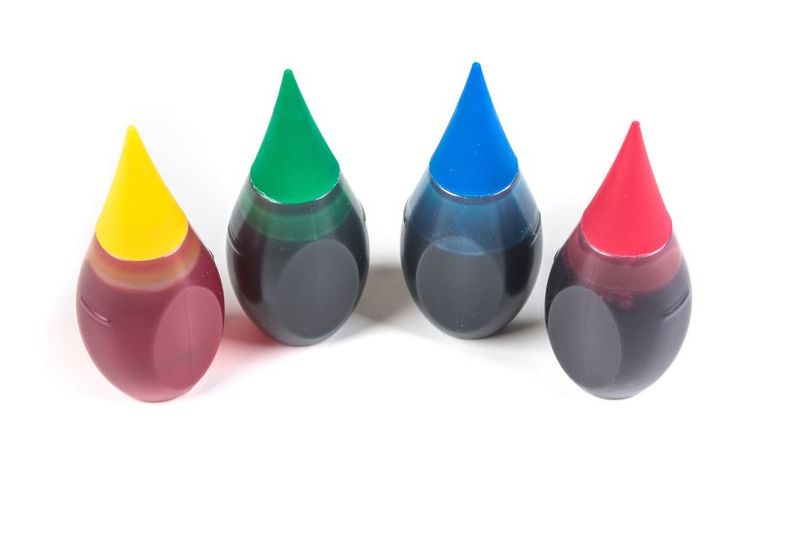
Bright blue sweets and neon orange crisps might look fun, but synthetic dyes can trigger hyperactivity in some kids and allergic reactions in others.
Red 40, Yellow 5, and their mates are banned in several countries but still lurk in loads of British snacks.
Natural colours from beetroot or turmeric work just fine, so why risk it?
3. BHA / BHT
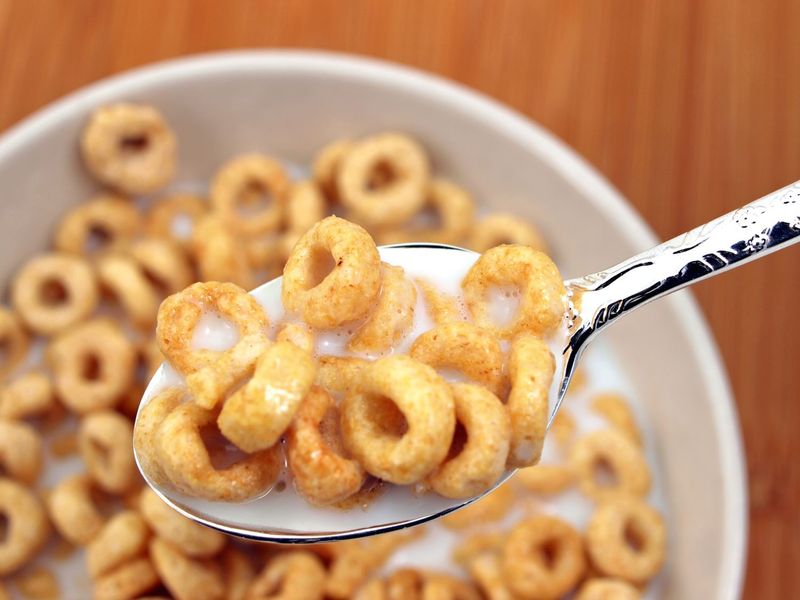
Butylated hydroxyanisole and butylated hydroxytoluene sound like something from a science lab, and they sort of are.
Used to stop fats from going rancid in cereals, crisps, and baked goods, they've raised red flags in animal studies for potential cancer risks.
They’re still permitted in small amounts, but many health experts suggest limiting them until more long-term human research is available.
4. High-Fructose Corn Syrup
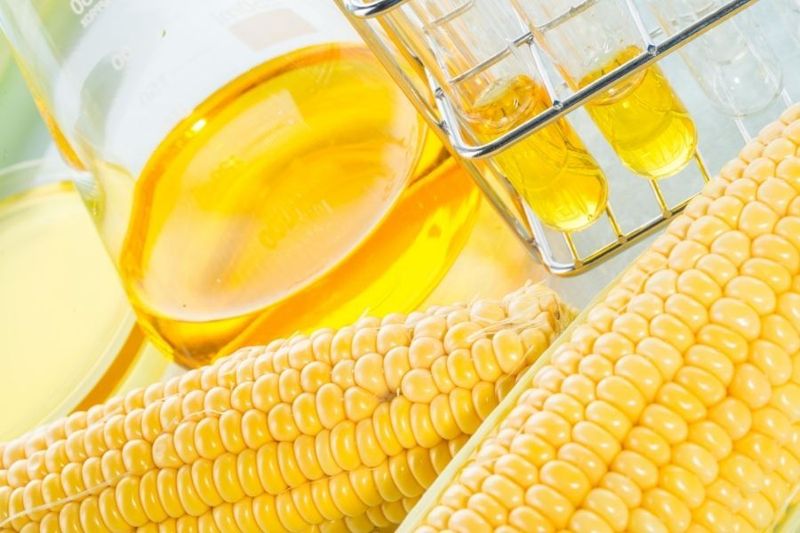
This sweetener sneaks into nearly everything from fizzy drinks to ketchup, and your body processes it differently than regular sugar.
It's been linked to obesity, type 2 diabetes, and fatty liver disease because it heads straight to your liver for processing.
Swap it for products sweetened with cane sugar or honey when possible.
Your liver will thank you.
5. Artificial Sweeteners
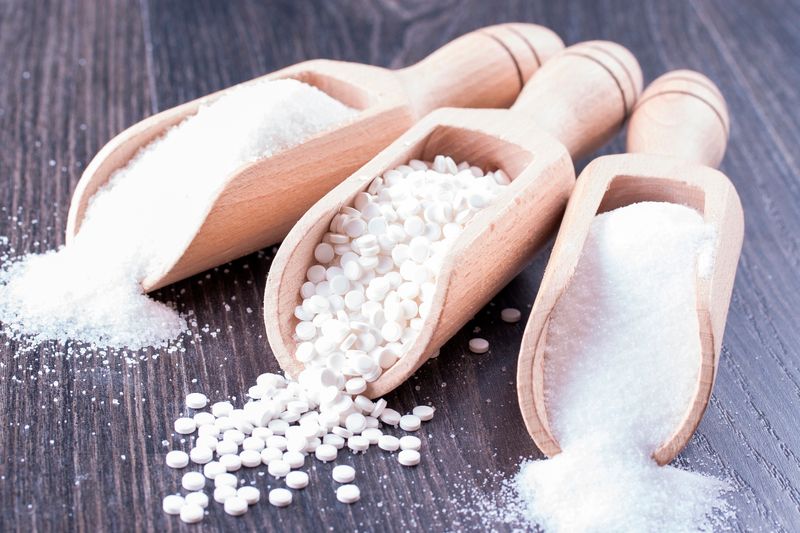
Aspartame, sucralose, and saccharin promise sweetness without calories, but the trade-off might not be worth it.
Some studies suggest they mess with your gut bacteria and may even increase sugar cravings rather than curbing them.
Headaches and digestive troubles pop up in certain folks too.
Natural sweeteners like stevia offer a gentler alternative if you need that sweet fix.
6. Potassium Bromate

Bakers use this to make dough rise higher and give bread that fluffy texture, but it's banned in the EU, Canada, and several other places for good reason.
It's classified as a possible carcinogen and can damage kidneys.
Most of it bakes off, but why take the chance?
Choose breads labelled bromate-free or unbromated flour.
7. Certain Emulsifiers

Emulsifiers like carrageenan, polysorbate 80, and carboxymethylcellulose help mix ingredients that normally wouldn't blend, like oil and water.
Recent research suggests some may trigger inflammation and harm gut health, potentially contributing to digestive disorders.
Found in ice cream, salad dressings, and processed sauces, they're worth reading labels for.