


Each generation brings its own festive favourites, but some traditional dishes have gradually disappeared from the modern Christmas spread.
From once-popular classics to meals that now seem a little outdated, how Brits celebrate with food has clearly shifted over the years.
These holiday habits may stir up nostalgia – or leave you grateful they’re no longer on the menu.
This content is for general information and entertainment purposes only.
Food traditions and availability may vary by region and household.
1. Formal Sit-Down Meals With Strict Timings
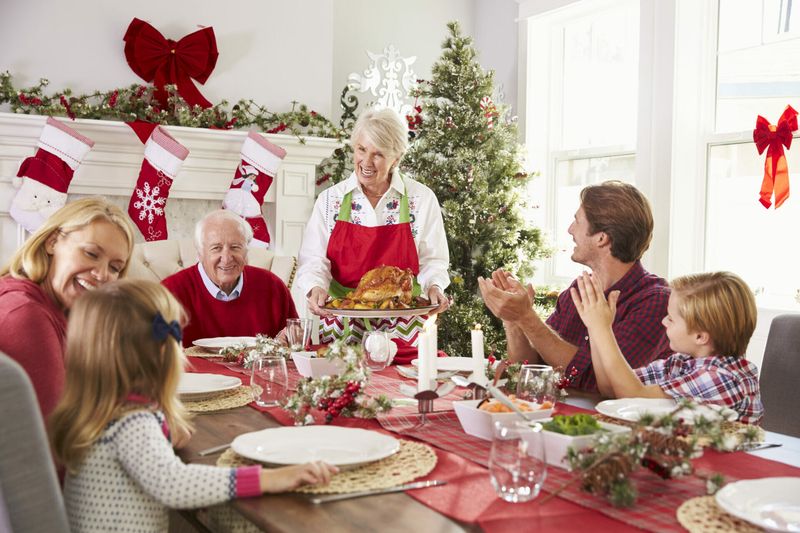
Traditional holiday meals often followed a rigid structure, with everyone expected to sit down at a precise time and follow a set order of courses.
While this once signalled occasion and effort, it can now feel restrictive for families juggling different schedules or hosting larger groups.
Many households have moved towards more relaxed, flexible dining that allows guests to eat at their own pace.
This shift reflects a broader change in how people prioritise comfort and ease during festive gatherings.
2. Limited Vegetarian Or Vegan Options
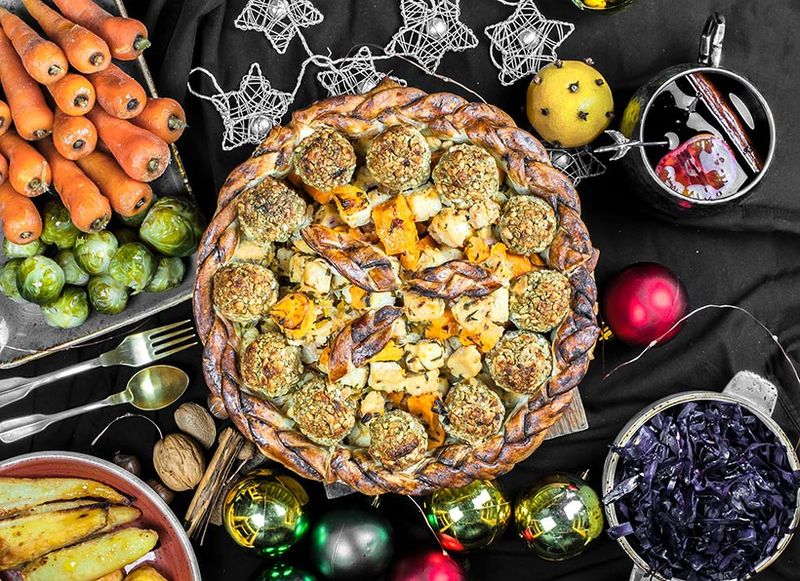
For many years, festive menus were built almost entirely around meat-based dishes, with plant-based options treated as an afterthought.
This often meant vegetarian or vegan guests were offered a single substitute rather than a meal that felt equally considered.
As eating habits have changed, this approach now feels outdated, especially with so many well-established plant-based recipes available.
Modern holiday tables are more likely to include inclusive dishes that everyone can enjoy, regardless of dietary preference.
3. Overboiled Brussels Sprouts With No Seasoning
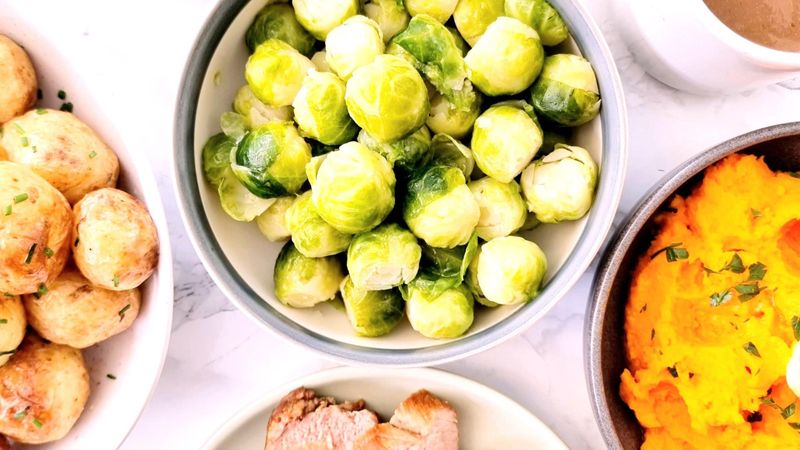
Remember when Brussels sprouts arrived at the table looking like soggy little cabbages that had given up on life?
Those grey-green blobs were boiled until they surrendered all flavour and texture.
Modern cooks now roast them with olive oil, garlic, and a bit of seasoning until they're crispy and caramelised.
Nobody misses those mushy, bitter sprouts that made kids hide vegetables under their mashed potatoes.
4. Fruitcake That Lasts Until Next Christmas
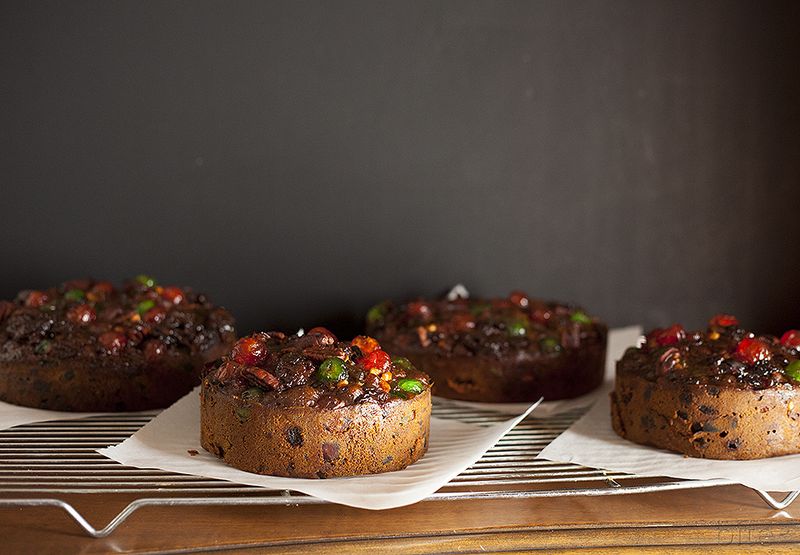
Fruitcake used to be the gift that kept on giving, mainly because nobody actually ate it.
These dense bricks of candied fruit and mystery ingredients could survive months without going off.
Families would re-gift them or leave them sitting in tins until the following December rolled around.
These days, people prefer fresh desserts that don't double as doorstops or require archaeological tools to slice through them properly.
5. Overcooked Turkey That Needs A Pint Of Gravy
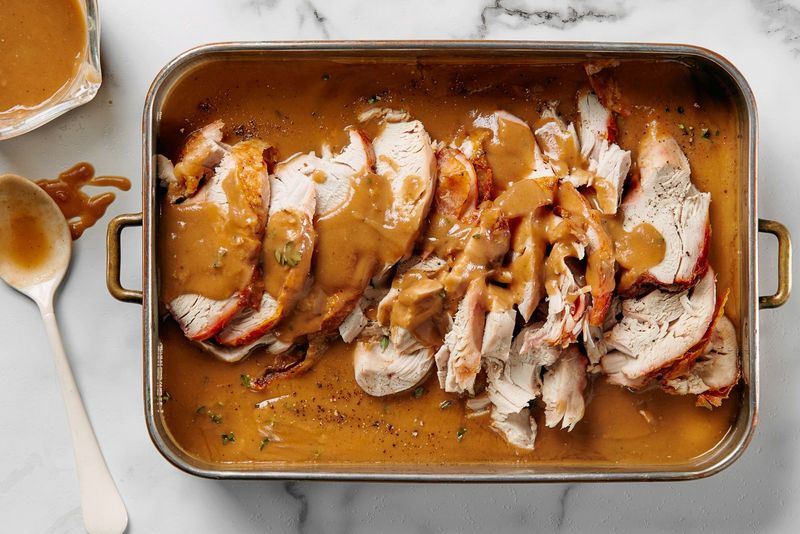
Dry turkey was practically a Christmas tradition, wasn't it?
The bird would sit in the oven for hours until it resembled something closer to cardboard than poultry.
Everyone needed gallons of gravy just to get each mouthful down without choking.
Nowadays, people use meat thermometers, brining techniques, and proper timing to keep their turkey juicy and flavourful without drowning it in sauce to make it edible at all.
6. Making Jelly Trifle With Tinned Fruit
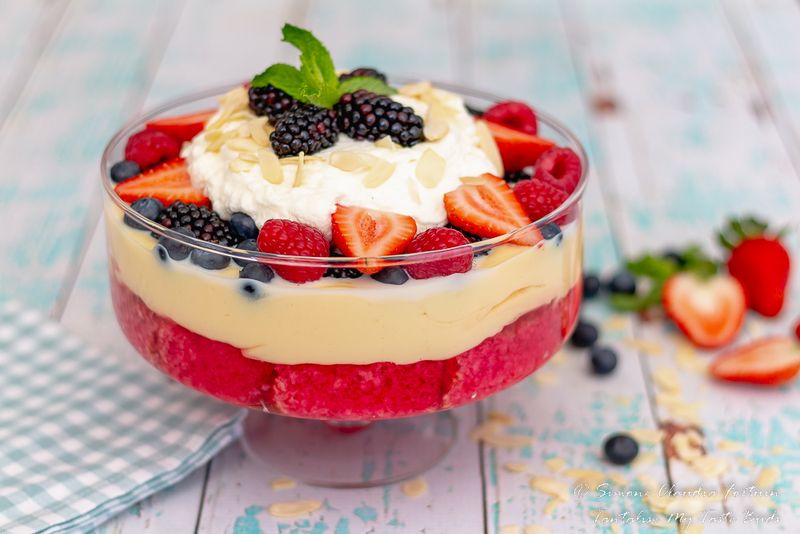
Trifle used to mean layers of bright jelly made from cubes, tinned peaches swimming in syrup, and custard from a packet.
It looked impressive in the glass bowl but tasted artificial and overly sweet.
The tinned fruit had that peculiar texture that fresh fruit never has.
Modern trifles use fresh berries, proper custard, and quality sponge, creating something that actually tastes as good as it looks on the festive table.
7. Serving Prawn Cocktail In Glass Cups
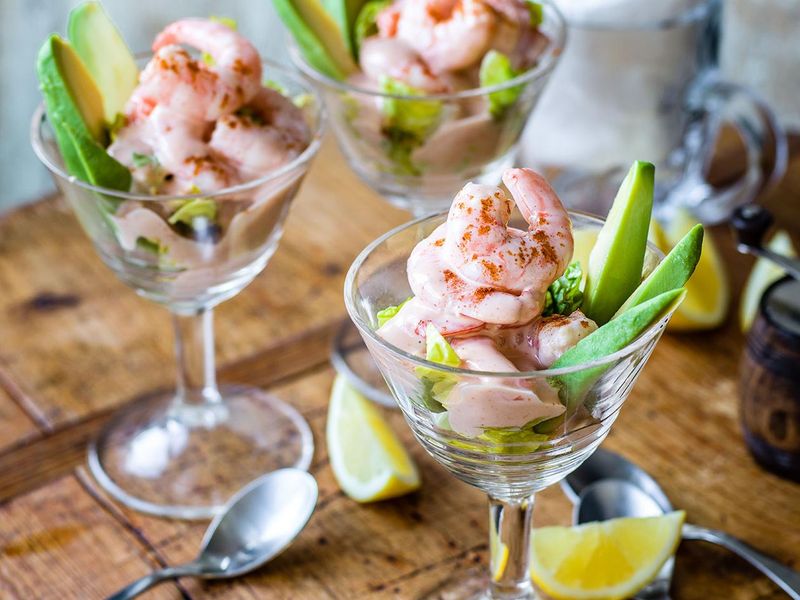
Prawn cocktail in those fancy little glass cups screamed sophistication back in the seventies and eighties.
The pink sauce, wilted lettuce, and rubbery prawns were considered the height of dinner party elegance.
It felt posh but often tasted bland and uninspiring.
These days, people opt for fresh seafood platters or Asian-inspired prawn dishes that bring actual flavour and excitement to the Christmas starter without the retro kitsch factor.
8. Cooking Everything In Lard Or Dripping
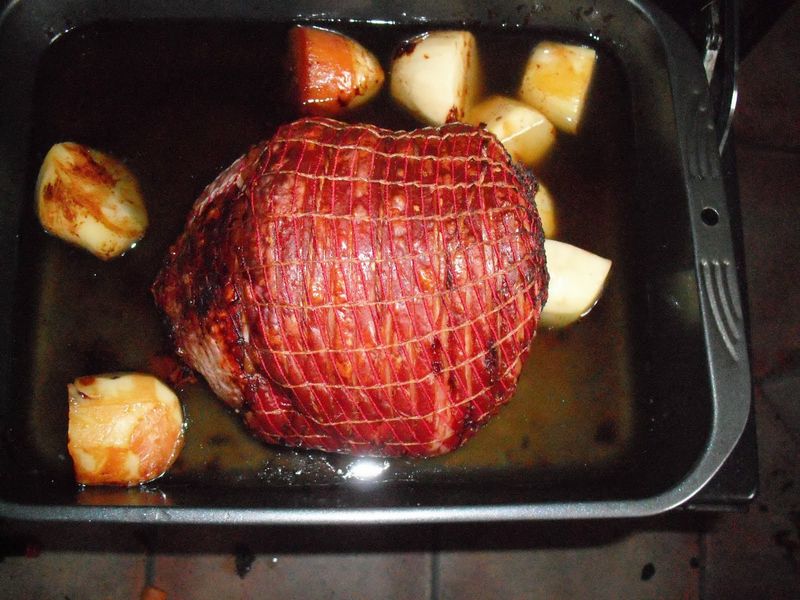
Lard and dripping were once the go-to fats for roasting everything at Christmas, from potatoes to parsnips.
They gave food that rich, heavy taste that sat in your stomach like a brick.
Health concerns aside, the flavour was often overwhelming and greasy.
Modern cooks prefer lighter oils like olive or rapeseed that still crisp up vegetables beautifully without leaving everyone feeling sluggish and overly full after the festive meal.
9. Boiled Carrots With No Flavour
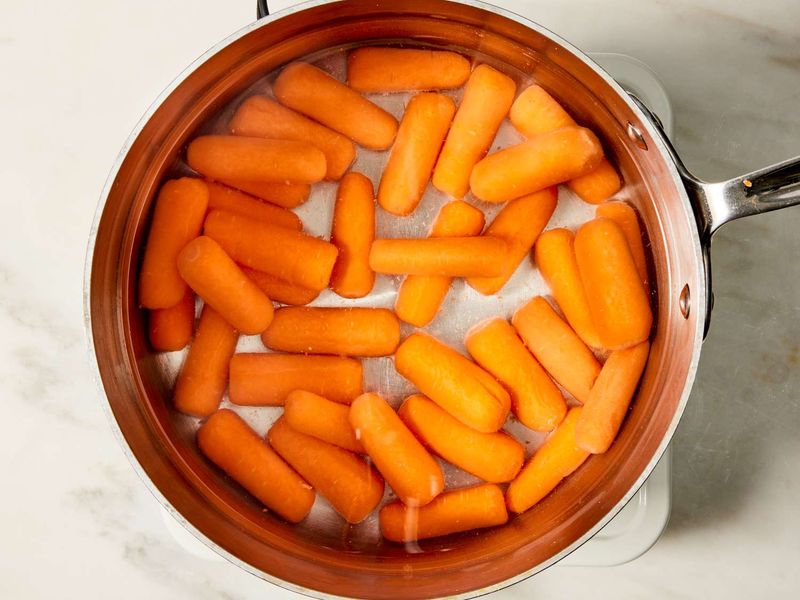
Boiled carrots used to arrive at the table as soft, orange sticks with absolutely zero personality.
No butter, no herbs, no seasoning whatsoever.
They were just there, taking up space on the plate and contributing nothing to the meal except a splash of colour.
Today's carrots get roasted with honey and thyme or glazed with butter and fresh herbs, transforming them into something people actually want to eat rather than politely ignore.
10. Serving Every Meal With Bread Sauce
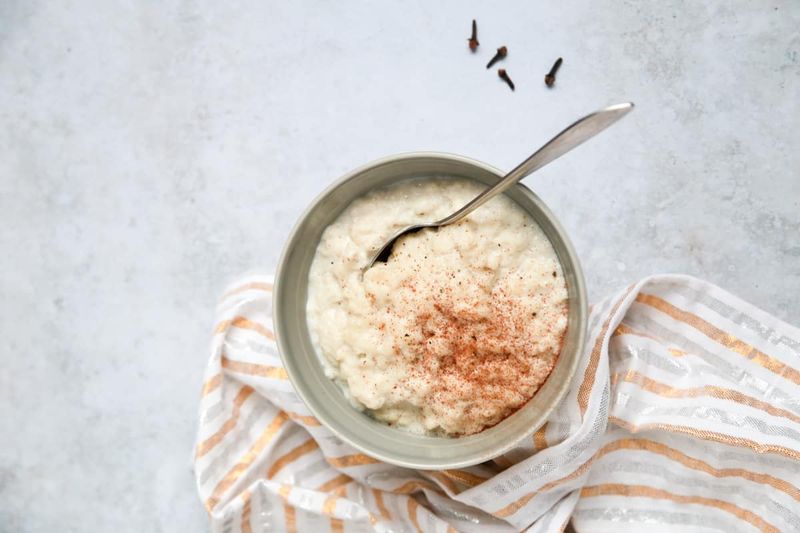
Bread sauce was that mysterious white gloop that appeared next to the turkey every single year without fail.
Made from breadcrumbs, milk, and onions studded with cloves, it divided opinion sharply.
Some loved it, but most found it stodgy and unnecessary.
Modern Christmas tables offer more exciting accompaniments like cranberry relish, herb butters, or flavourful stuffings that complement the meal without the strange texture that bread sauce brings to the plate.