





From cheese boards to morning coffee runs, it seems more and more foods once taken for granted are quietly disappearing from British shopping baskets.
Prices keep creeping up, and even simple staples are starting to feel like small luxuries.
It’s fascinating to see which treats people are now saving for special occasions instead of everyday enjoyment.
This content is for general information and entertainment purposes only. Availability and prices may vary by location and over time. Photos are for illustrative purposes only.
1. Cheese
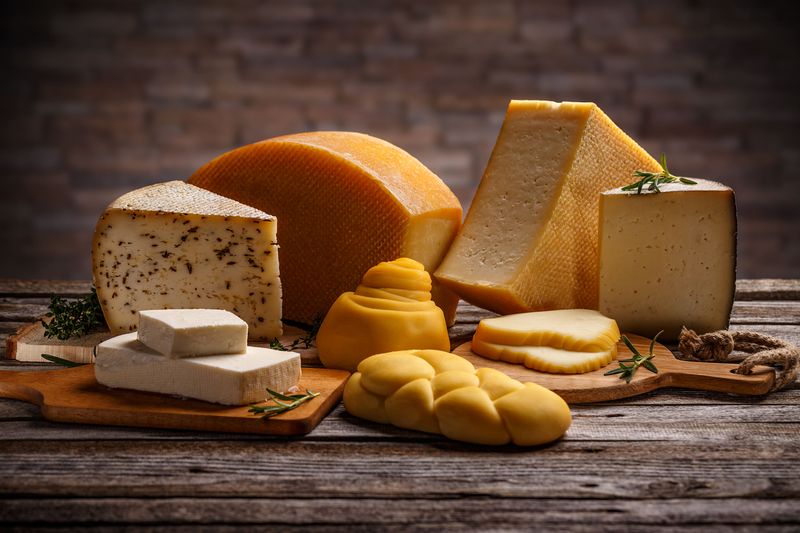
Cheddar used to be a kitchen essential, but prices have soared beyond what many households can justify.
Whether it's for sandwiches, pasta, or a cheeseboard, the cost per block has doubled in some shops.
Families are swapping branded varieties for cheaper alternatives or cutting cheese out altogether.
The squeeze on dairy farmers and rising production costs mean this beloved staple might become an occasional luxury rather than an everyday item.
2. Olive Oil
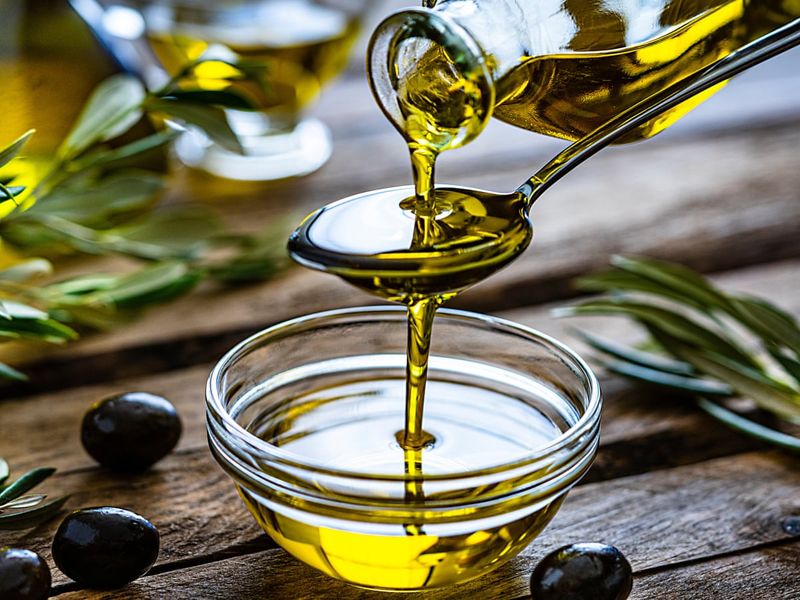
Once a go-to for healthy cooking, olive oil has become shockingly expensive in recent months.
Poor harvests in Mediterranean countries and global supply issues have sent prices skyrocketing.
Many home cooks are switching to sunflower or vegetable oil to save money, even though they know olive oil is healthier.
What used to be a pantry staple now feels like a luxury splurge that's hard to justify when budgets are tight.
3. Butter
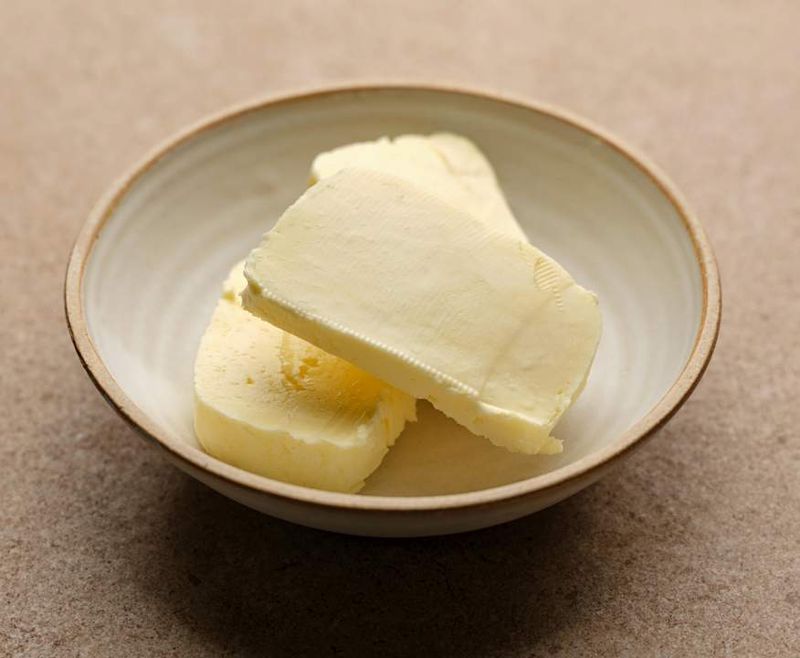
Real butter has always been a treat, but now it's priced like gold in many supermarkets.
Rising dairy costs and energy prices have pushed butter beyond what many can afford.
Shoppers are reaching for margarine or spreads instead, sacrificing taste for savings.
Toast just isn't the same without proper butter, but when a single pack costs several pounds, it's one of the first things to go from the weekly shop.
4. Beef
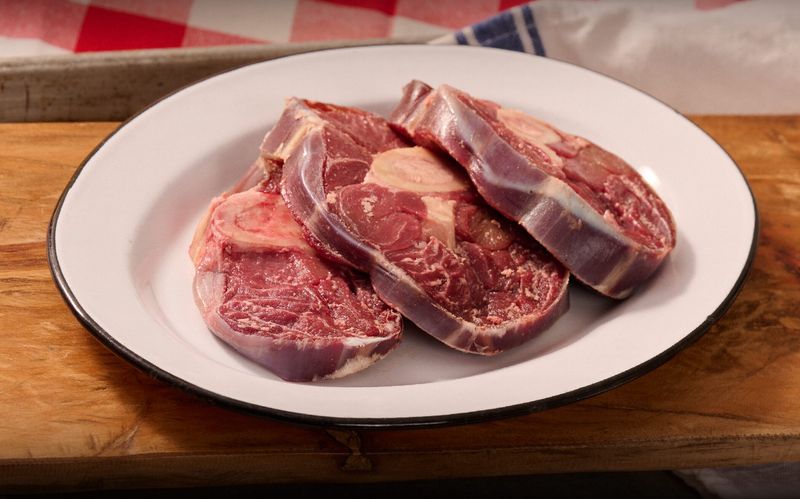
Sunday roasts with beef are becoming a distant memory for many families struggling with food costs.
Quality cuts have always been pricey, but even mince has climbed to eye-watering levels.
People are turning to chicken, pork, or vegetarian options to stretch their budgets further.
Farmers face higher feed and fuel costs, which trickle down to consumers who simply can't afford beef like they used to anymore.
5. Salmon
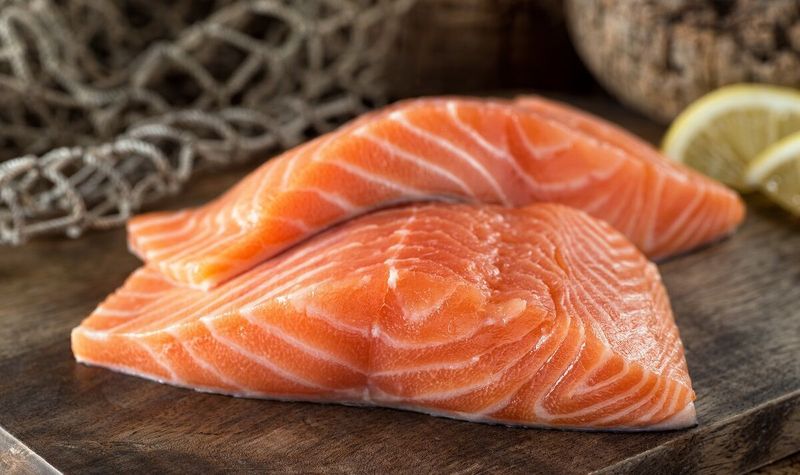
Salmon was once considered an affordable way to eat healthy fish, but those days are long gone.
Both farmed and wild varieties have jumped in price dramatically.
Environmental concerns and supply chain disruptions have made this nutritious option unaffordable for regular meals.
Families who relied on salmon for quick, healthy dinners are now choosing cheaper fish like mackerel or skipping seafood entirely to keep within their grocery budgets each week.
6. Coffee
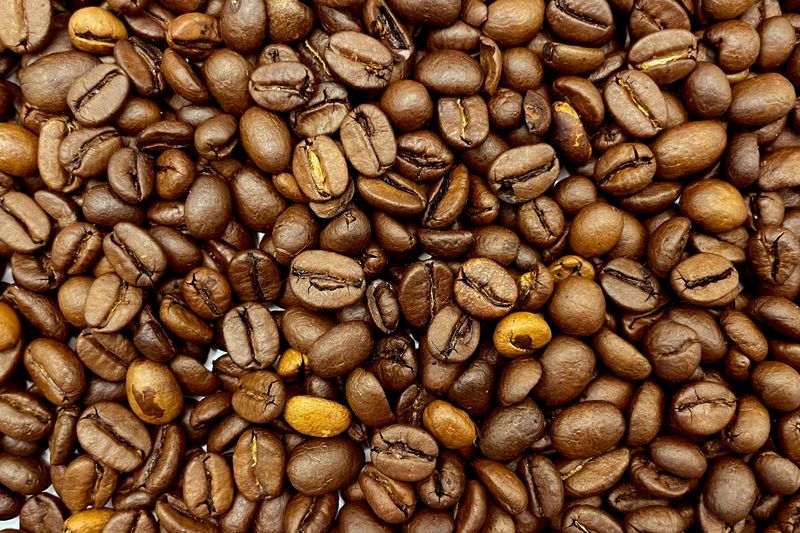
That morning cup of proper coffee is becoming an unaffordable luxury for many Brits these days.
Climate change affecting coffee-growing regions and shipping costs have driven prices through the roof.
People are switching to cheaper instant brands or cutting back on their daily cups.
What started as a simple pleasure has turned into a budget dilemma, with some households giving up coffee completely in favour of tea.
7. Chocolate
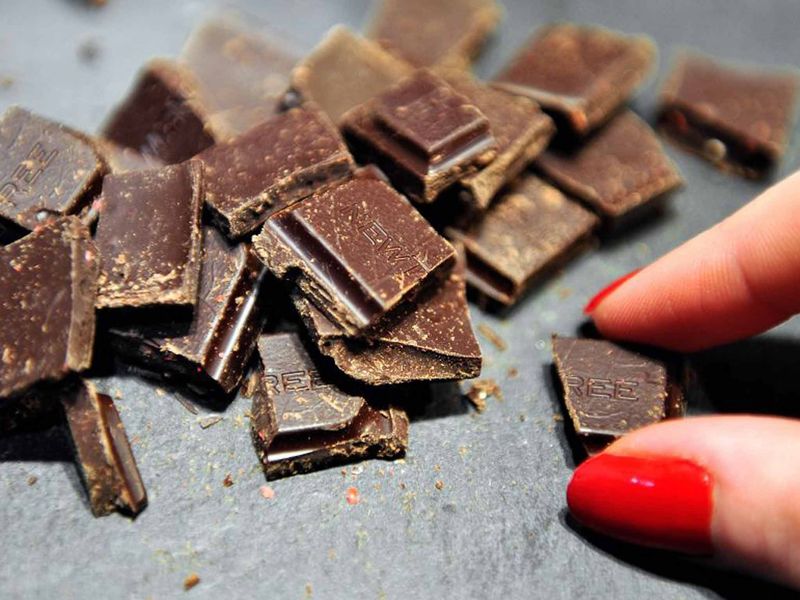
Even a simple chocolate bar feels like a treat you need to think twice about purchasing now.
Cocoa prices have surged globally, and manufacturers have responded with smaller bars at higher prices.
Kids' lunchboxes and evening snacks are missing this sweet staple.
Families are saving chocolate for special occasions rather than keeping it as an everyday item, marking a sad shift in what used to be an affordable indulgence.