







It might seem unusual to outsiders, but for Brits, beans on toast is more than a quick meal - it’s pure comfort on a plate.
There’s something about the warm, savoury sauce soaking into buttery bread that feels both homely and satisfying.
But how did this simple dish become such a beloved part of British culture?
The story goes far deeper than just convenience.
This article is for general information only. Food traditions, ingredient choices, and preparation methods may vary between households and regions. Photos are for illustrative purposes only.
A Humble Dish With Surprising History

Beans on toast didn’t appear out of nowhere - it was actually introduced by Heinz in the late 1920s as a way to promote baked beans in Britain.
The idea quickly caught on, offering an affordable and filling option for busy households.
Its simplicity made it especially appealing in the post-war years, when people sought easy, nourishing meals after long days.
What began as a clever marketing move soon became a cultural staple loved for its comfort, convenience, and nostalgia.
How Baked Beans Became A British Staple
Heinz introduced baked beans to Britain in 1901, and the timing couldn't have been better.
The company's sweet tomato sauce recipe appealed to British tastes far more than American versions.
By the 1920s, aggressive marketing campaigns positioned baked beans as nutritious, convenient, and delicious.
Supermarkets stocked them affordably, making them accessible to everyone.
The distinctive blue tin became a kitchen cupboard essential across the nation.
Today, Brits consume about 1.5 million cans daily, with most households keeping at least one tin on hand for emergencies or quick meals.
The Role Of Convenience In Its Popularity
Modern life moves fast, and beans on toast delivers satisfaction in under five minutes.
Students, busy parents, and workers alike appreciate meals that don't demand complicated recipes or expensive ingredients.
You simply heat the beans, toast the bread, and combine.
No fancy equipment or culinary skills required.
The dish works brilliantly for breakfast, lunch, dinner, or even midnight snacks when hunger strikes unexpectedly.
This versatility means beans on toast fits seamlessly into any schedule, making it the ultimate fallback option when time runs short but appetites need satisfying quickly.
Why It's More Than Just A Breakfast Food
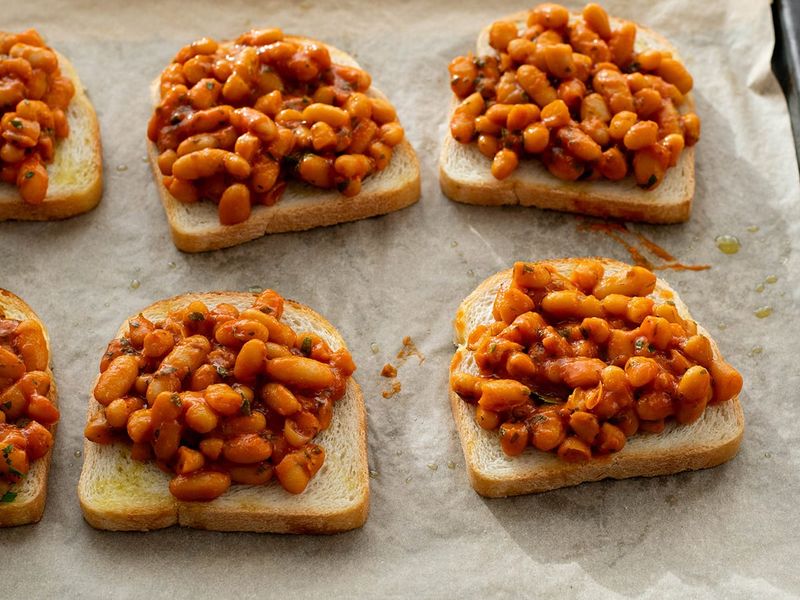
Whilst many consider it breakfast fare, beans on toast refuses to be confined to morning hours alone.
University students rely on it for budget-friendly dinners after long study sessions.
Families serve it as easy teatime meals when everyone's schedules clash.
Some Brits even enjoy it as a light supper before bed, finding comfort in its familiar warmth.
The dish adapts beautifully to any occasion, whether you're feeling poorly, celebrating payday, or simply craving something satisfying.
Its flexibility across mealtimes reflects how deeply embedded it is within British eating habits and daily routines.
The Enduring Comfort Of Beans On Toast
There's something undeniably soothing about beans on toast that transcends mere nutrition.
The combination of warm, savoury beans melting into buttery toast creates instant comfort during stressful days or gloomy weather.
Many Brits associate the dish with childhood memories, sick days spent at home, or their grandmother's kitchen.
It represents simplicity in an increasingly complicated world.
No matter how sophisticated our palates become, beans on toast remains a reliable friend.
This emotional connection ensures the dish will continue comforting future generations of Brits for years to come.