


Growing up in a big family meant mealtime was always a little chaotic - in the best possible way.
Between fighting over the last roast potato and sharing dessert that mysteriously got smaller by the second, food became more than just a necessity; it was part of the fun.
Those old habits stick around, quietly revealing the shared chaos and laughter that shaped your appetite for life.
All information is provided for general interest and entertainment purposes only. Taste, experience, and traditions may vary from family to family.
You're A Master At Grabbing Seconds Before They're Gone
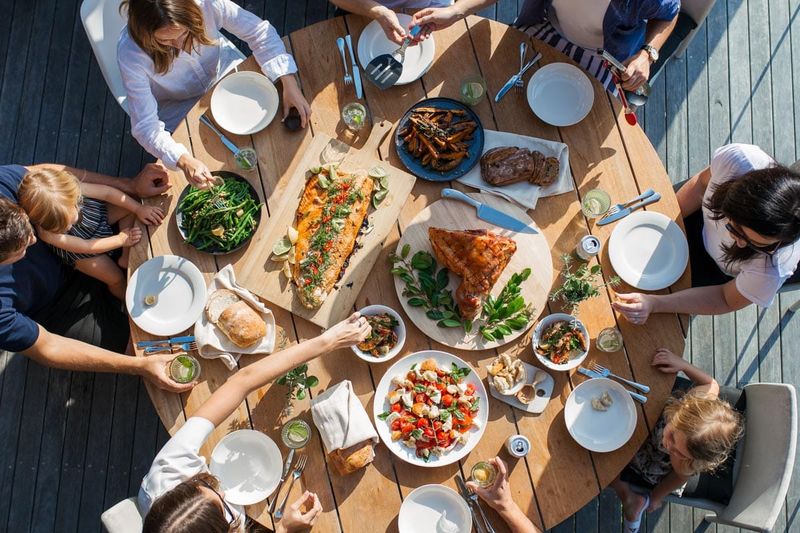
Growing up in a big family means mealtime was a full-contact sport.
You learned early that hesitation meant missing out on the last roast potato or slice of pie.
Those lightning-fast reflexes at the dinner table? They've stayed with you for life.
Even now, you can spot the good piece of lasagne from across the room before anyone else.
It's not greed - it's survival, honed by years of family dinners that felt like friendly food battles.
You're Weirdly Good At Stretching A Meal
When there were seven mouths to feed, Mum or Dad had to make one pot of stew go a long way.
You've inherited that same instinct, always knowing how to turn leftovers into something brilliant.
Half a roast chicken becomes soup, sandwiches, and maybe even a curry the next day.
You never waste food because you were taught that every spoonful counts.
Cooking for two now feels like luxury dining compared to your childhood table for eight.
You Eat Fast - Really Fast
There was no leisurely dining in a big household, you learned to eat quickly - because slow eaters rarely got seconds.
It wasn't rude; it was strategy, and everyone understood the rules.
Now, you still finish your plate before anyone else without even realising it.
It's a lifelong habit that probably started somewhere between a meatloaf and a family-sized lasagne.
You Have A Deep Love For Big-Pot Dinners
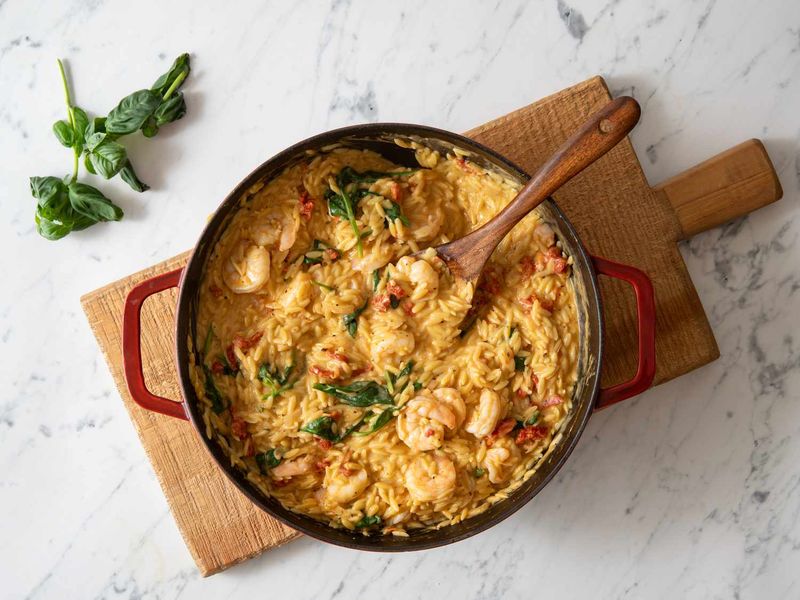
Casseroles, spaghetti Bolognese, shepherd's pie - the classics of big-family life.
You grew up on meals that could feed an army without breaking the bank.
To you, there's comfort in the sound of a bubbling pot and the smell of something hearty in the oven.
Fancy plating doesn't impress you nearly as much as a steaming bowl that everyone can share.
Big meals made for big memories, and they still taste like home.
You're Not Fussy About Sharing Food
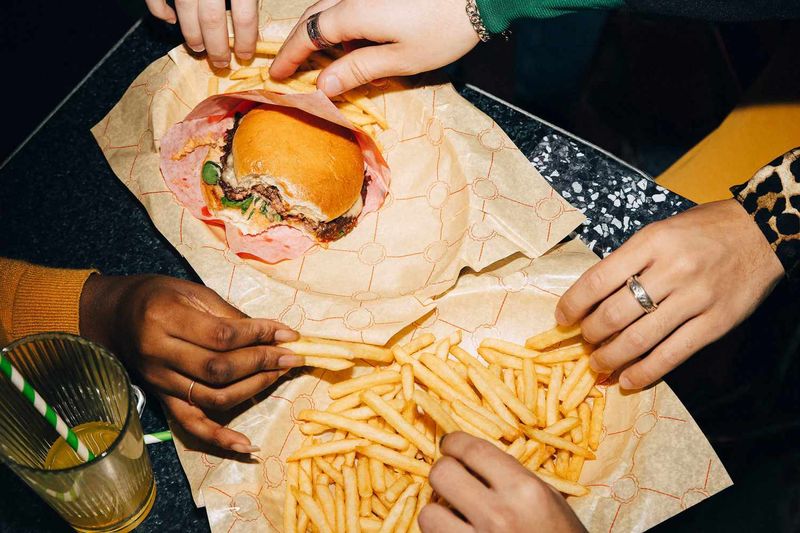
When you've split a pizza six ways or shared a bag of chips with all your siblings, personal portions don't mean much.
You're used to people picking off your plate or stealing a fry when you're not looking.
It might annoy others, but you hardly notice - that's just what mealtime always looked like.
There's something comforting about food being a group activity, not a solo mission.
Eating alone almost feels strange when you grew up surrounded by chatter and elbows.
You Know Exactly How To Divide Food Fairly
Cutting a cake into equal slices or splitting snacks evenly is practically a science for you.
You learned early that uneven portions caused arguments, so fairness became essential.
Your eye for dividing food is surprisingly accurate, even without a ruler or scale.
Whether it's sharing a chocolate bar or portioning out dinner, you make sure everyone gets their due.
It's a habit born from years of sibling negotiations and keeping the peace at the table.
You Have A Soft Spot For Cheap, Filling Comfort Food
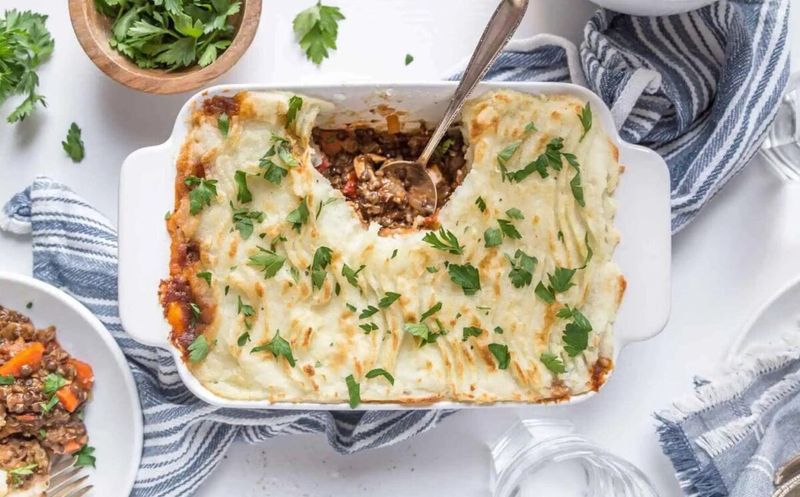
Things like baked beans on toast, fish fingers, or cottage pie feel like pure nostalgia.
These weren't fancy meals - they were practical, affordable, and loved by everyone.
They remind you of noisy kitchens and second helpings before homework.
Even now, no restaurant meal can beat the warmth of something simple that fed a full house.
Big-family food wasn't about presentation - it was about togetherness.
You Automatically Make Extra When Cooking
Even when you're cooking for yourself, you somehow end up with enough to feed four people.
It's like your brain refuses to accept that smaller batches are acceptable.
Recipes for two feel stingy, so you double or triple them without thinking.
Freezing leftovers for later has become your routine because cooking just a single portion feels unnatural.
Your upbringing taught you that more is always better when it comes to home-cooked meals.
You Feel Guilty Throwing Away Food
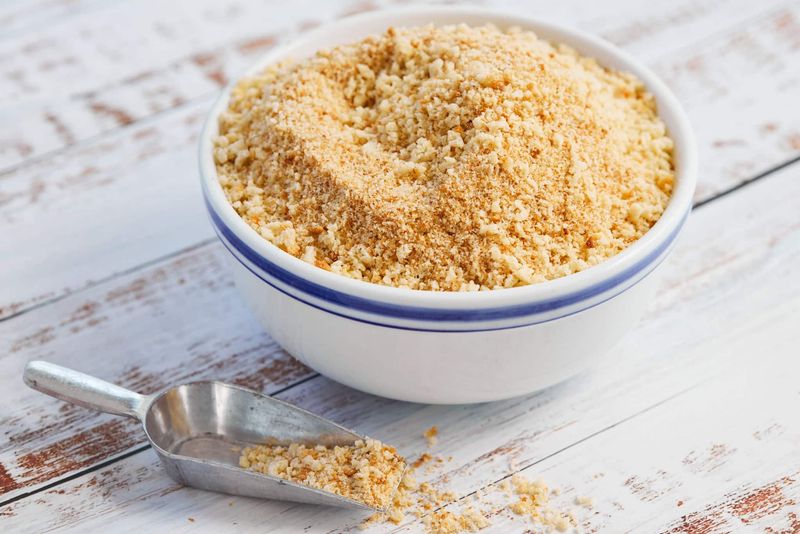
Even a slightly stale bread roll or wilted lettuce makes you pause before binning it.
Your parents made it clear that wasting food was unacceptable, especially when feeding a big family on a budget.
That lesson stuck with you harder than most.
You'll find creative uses for almost anything before tossing it out.
Stale bread becomes breadcrumbs, overripe bananas turn into cake, and limp vegetables get thrown into soup without hesitation.
You're Comfortable Eating The Same Meal Multiple Days In A Row
Monday's spaghetti became Tuesday's lunch and Wednesday's dinner with a different sauce.
Variety wasn't always possible when cooking for a crowd, so you learned to appreciate a good meal even the third time around.
Eating the same thing repeatedly doesn't bore you - it's just efficient.
Meal prep culture feels familiar because you've been doing it your whole life.
Repetition meant less work for whoever was cooking, and you respected that hustle.
You Appreciate A Fully Stocked Pantry Like Nothing Else
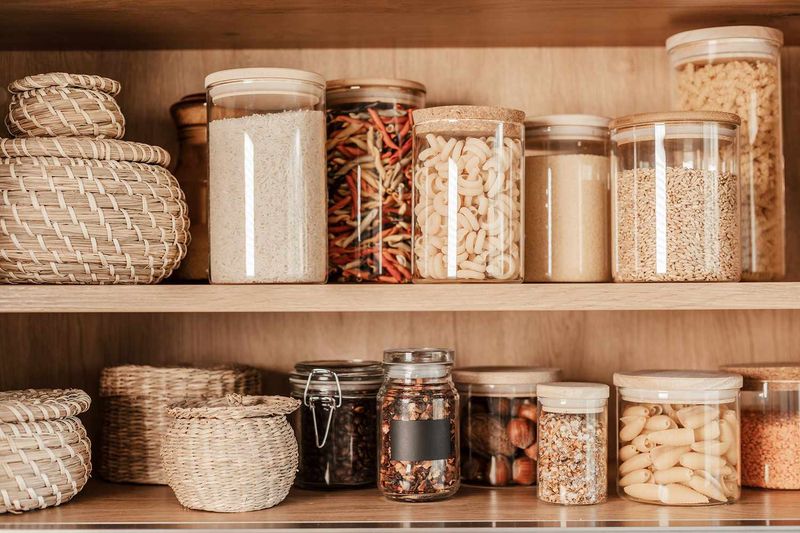
Walking into a kitchen with a pantry bursting with tins, pasta, rice, and snacks feels incredibly satisfying.
Growing up, a full pantry meant security - it meant everyone would eat well that week.
Running low on staples caused stress because restocking for a big family was expensive.
Now, keeping your cupboards stocked brings genuine peace of mind.
It's not hoarding; it's making sure you're prepared, just like your parents always were.