








For many people, bread is the one food they can’t imagine living without - warm, soft, and comforting.
But giving it up, even for a short while, can bring some surprising changes to how you feel, from your energy levels to your digestion.
Whether you’re curious about cutting back or just wondering what really happens, it’s worth knowing the facts before you say goodbye to your daily loaf.
This article is for general informational purposes only and should not replace professional medical or dietary advice. Everyone’s nutritional needs are different, so it’s best to speak with a healthcare professional before making significant changes to your diet.
Changes In Your Energy Levels
Removing bread from your meals can shake up how energised you feel throughout the day.
Some people notice steadier energy without the spikes and crashes that come from refined carbohydrates.
Others might feel tired at first as their body adjusts to a new fuel source.
It varies from person to person, but many find their stamina improves once they adapt to the change.
Impact On Blood Sugar Control
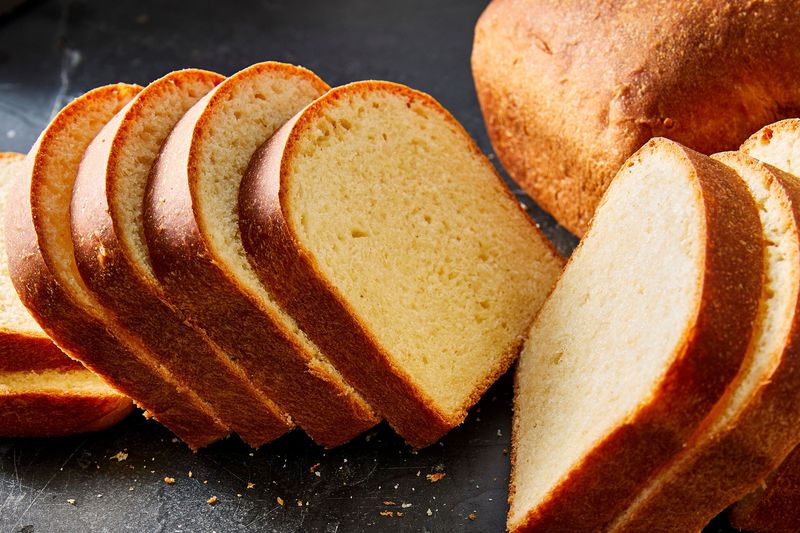
White bread especially can cause your blood sugar to spike quickly after eating.
When you eliminate bread, your glucose levels tend to stay more balanced throughout the day.
This steadier blood sugar can reduce your risk of developing insulin resistance.
People with diabetes or prediabetes often see noticeable improvements in their readings after making this dietary shift.
Possible Weight Fluctuations
Cutting out bread often means fewer calories and carbohydrates in your daily intake.
Many people experience weight loss, particularly if they were eating large portions of bread regularly.
However, it depends on what you replace bread with - loading up on other high-calorie foods won't help.
The key is making smart swaps that keep you satisfied without overdoing it.
Effects On Digestion And Fibre Intake
Wholemeal bread provides valuable fibre that keeps your digestive system running smoothly.
Without it, you might notice changes in your bowel movements or feel less regular.
To avoid digestive issues, focus on eating plenty of vegetables, fruits, and legumes.
These foods can easily replace the fibre you'd normally get from bread and keep everything working properly.
Adjustments In Nutrient Balance

Many breads are fortified with important nutrients like iron, calcium, and B vitamins.
When you stop eating bread, you might miss out on these added vitamins unless you plan carefully.
Check your diet to ensure you're getting enough of these nutrients from other sources.
Leafy greens, nuts, seeds, and fortified cereals can help fill any nutritional gaps left behind.
Cravings And Mood Shifts
Carbohydrates play a role in supporting serotonin production, which helps regulate mood and feelings of calm.
When you cut back on bread, you might notice small mood changes at first, especially if you’ve been used to eating it daily.
Cravings for bread or other carbs can appear as your body adjusts to a lower intake.
Choosing complex carbohydrates such as oats, quinoa, or sweet potatoes can help keep your energy and mood steady during the transition.
Finding Healthy Alternatives To Bread
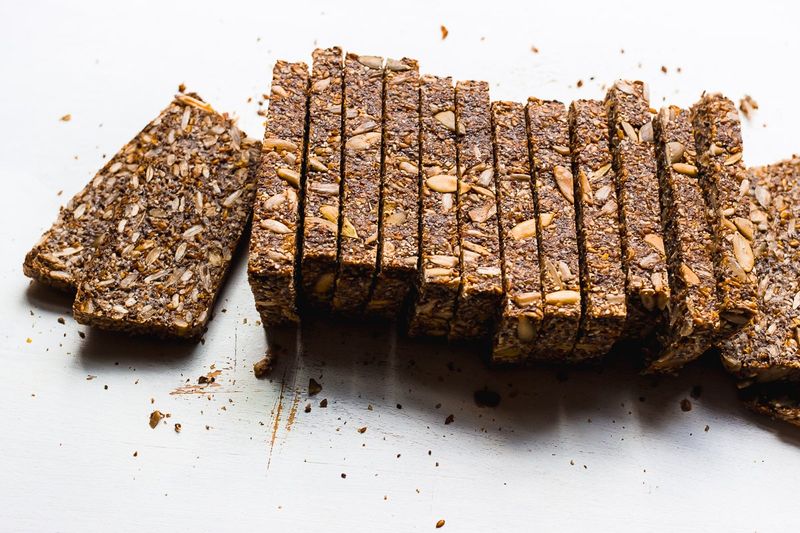
Giving up bread doesn't mean sacrificing your favourite meals - you just need creative substitutes.
Lettuce wraps, portobello mushroom caps, and sweet potato slices work brilliantly for sandwiches and burgers.
Cauliflower toast and almond flour crackers offer satisfying crunch without traditional bread.
Experimenting with these alternatives keeps meals interesting whilst helping you stick to your new eating plan successfully.
Potential Reduction In Bloating
Some people find that reducing bread helps with bloating, particularly if they’re sensitive to gluten or certain types of carbohydrates.
For others, the difference may be less noticeable and depends on their overall diet.
Paying attention to how your body reacts is the best way to tell if bread was contributing to discomfort.
A balanced diet with enough fibre and hydration can also help maintain a more comfortable, settled stomach.
Changes In Your Relationship With Food
Eliminating bread forces you to think more carefully about what you're eating each day.
This mindfulness can lead to healthier food choices overall and a better understanding of your body's needs.
You might discover new favourite foods or cooking methods you'd never tried before.
This shift often creates a more positive, intentional relationship with eating that benefits your long-term health and wellbeing.