






Everyone has their version of comfort food - that one dish that instantly feels like home.
For some, it’s a bowl of something hearty passed down through the family; for others, it’s a quick bite that fits into a busy, modern life.
Each generation brings its own flavours and traditions to the table, proving that comfort food is as much about memory as it is about taste.
This article is for informative and entertaining purposes only. Taste, appearance, and availability may vary.
The Wartime Generation: Simple, Sturdy, And Resourceful
For those who grew up during or just after the Second World War, comfort food was all about making do and stretching what you had.
Think meat-and-two-veg, shepherd's pie, and rice pudding - dishes that filled hungry stomachs without fancy ingredients.
Rationing meant creativity was key, and cooks became masters of flavouring with drippings, herbs from the garden, or a dash of gravy.
The real comfort wasn't just in the meal itself but in the sense of security and warmth it brought after years of uncertainty.
The Baby Boomers: Sunday Roasts And Puddings Galore

Boomers grew up in a time when family meals were sacred, and Sunday lunch was the week's highlight.
Comfort food for them often means the classic British roast - crispy potatoes, Yorkshire puddings, and lashings of gravy.
Desserts like apple crumble or bread and butter pudding sealed the deal.
This was also the era when tinned goods and convenience foods became household staples, bringing both excitement and novelty to the dinner table.
A tin of Heinz tomato soup or Ambrosia rice pudding still sparks nostalgia for many.
Generation X: Takeaways And TV Dinners
For Gen X, comfort food reflects the fast-changing lifestyles of the 1980s and 1990s.
Microwave meals and takeaways became symbols of convenience for busy families.
Think fish and chips wrapped in paper, instant noodles, or a big bowl of spaghetti bolognese - quick, tasty, and easy.
Global flavours began to enter British kitchens too, with curry nights, Chinese takeaways, and lasagne becoming new comfort staples.
It was food for multitaskers - hearty enough to fill you up but simple enough to enjoy while watching your favourite telly show.
Millennials: Nostalgia With A Modern Twist
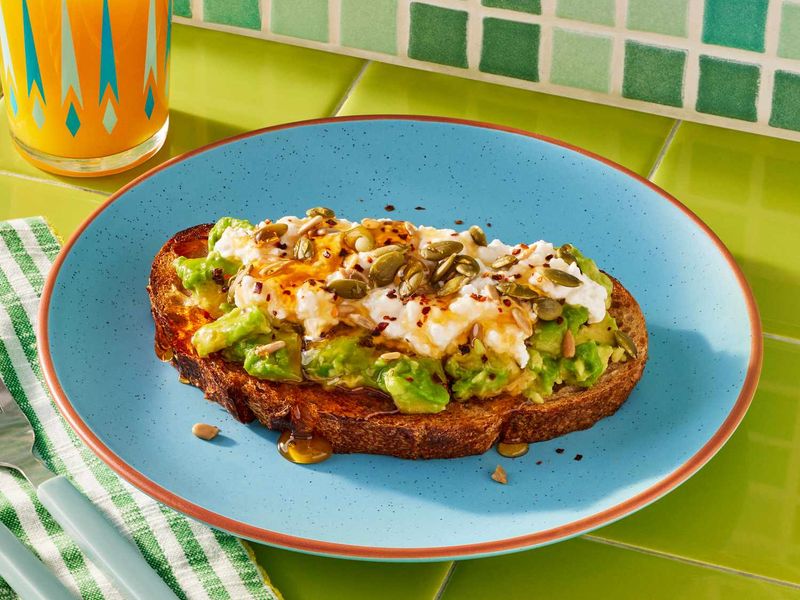
Millennials love a nod to the past but aren't afraid to reinvent it.
Their comfort food often blends childhood classics with modern tastes - mac and cheese made with artisan cheddar, or a Sunday roast turned into a wrap.
Avocado toast, sourdough everything, and plant-based alternatives also fit the bill.
For this generation, food is as much about self-care as it is about taste.
Eating comfort food might mean cooking from scratch after a long week, sharing a meal with friends, or even baking banana bread for a serotonin boost.
Gen Z: Global Flavours And Emotional Fuel
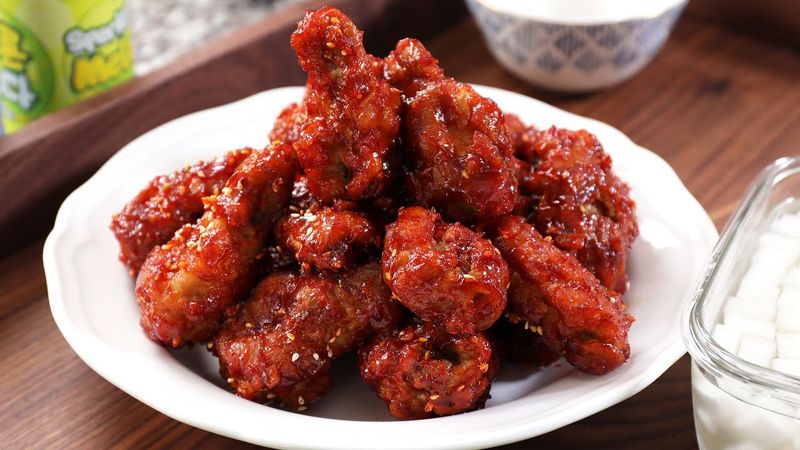
For Gen Z, comfort food has gone global - and digital.
This is the social media generation, where ramen, bubble tea, and Korean fried chicken trend one week, and baked feta pasta takes over the next.
Comfort food isn't just about taste anymore; it's about connection, creativity, and shared experiences online.
They embrace fusion dishes, celebrate cultural variety, and aren't shy about mixing sweet with savoury or traditional with trendy.
For them, comfort food is about joy in every scroll, sip, and spoonful - a reminder that good food connects everyone, no matter the generation.
The Future: Where Comfort Food Is Heading
As we look ahead, comfort food continues to evolve with our changing world.
Sustainability matters more than ever, with people seeking foods that comfort both body and conscience.
Plant-based innovations, locally sourced ingredients, and zero-waste cooking are shaping new traditions.
Technology plays a bigger role too, from meal kit deliveries to AI-suggested recipes based on mood and nutrition.
Yet the heart of comfort food remains unchanged - it's still about connection, memories, and that feeling of home, no matter how modern the kitchen becomes.