

There’s something special about the way every corner of Britain has its own secret bake.
Ask a local, and they’ll proudly point you toward something you won’t find in any national chain – the kind of treat that’s been passed down through families and tucked into lunchboxes for generations.
Each one tells a little story about where it came from, baked right into its flaky crust or sweet filling.
All information is provided for general interest only. Taste, appearance, and availability may vary. Photos are for illustrative purposes only.
1. Cornish Pasty (Cornwall)
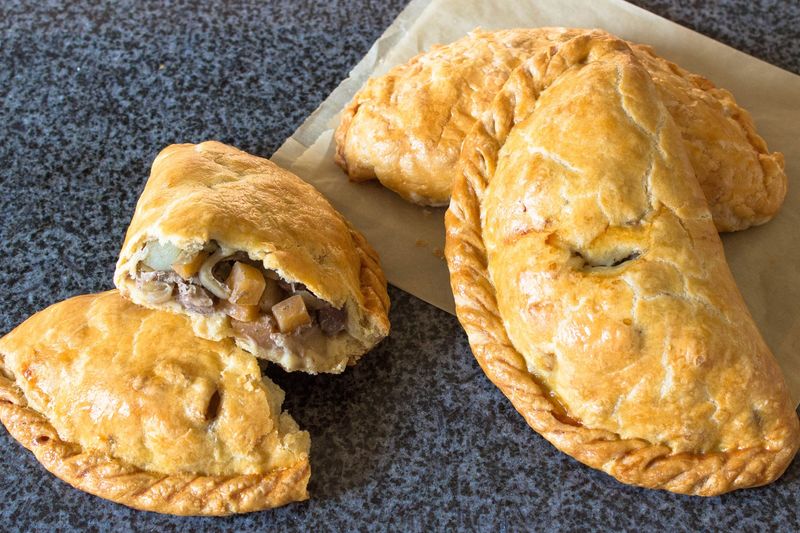
Golden pastry crimped along one edge creates a distinctive D-shape that's instantly recognisable across Cornwall.
Beef, potato, swede, and onion fill this handheld meal that miners once carried underground for lunch.
The thick crust served as a handle, keeping dirty fingers away from the food inside.
Authentic versions must be made in Cornwall to earn protected status, ensuring traditional methods survive for future generations.
2. Scotch Pie (Scotland)
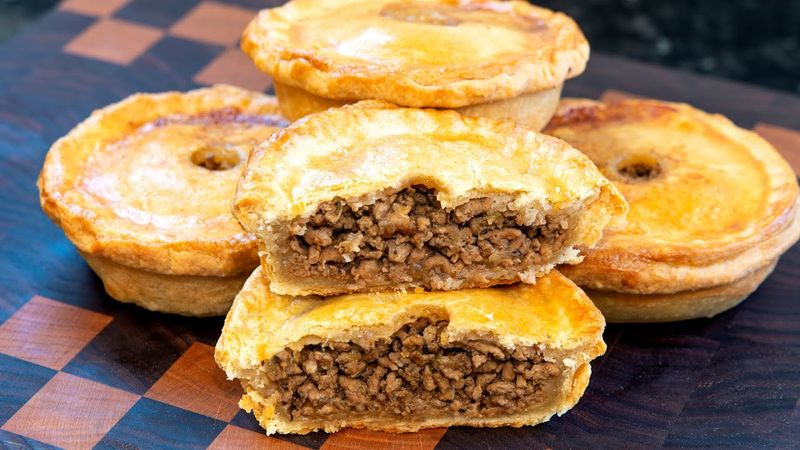
Small, round, and surprisingly filling, this Scottish favourite sits snugly in your palm like a meaty treasure.
Mutton or lamb fills the crispy shell, though modern versions sometimes use beef instead.
The raised crust stands tall with a flat lid on top, creating space for gravy or beans if you fancy.
Football fans queue for these at half-time, making them as much a sporting tradition as a culinary one.
3. Stottie Cake (North East England)
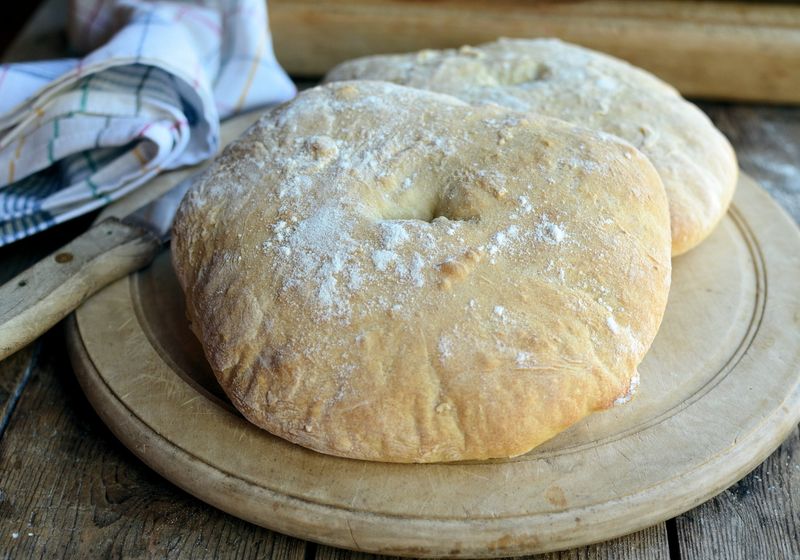
Flat, round, and dense, this bread looks nothing like a cake despite its confusing name.
North East bakers create this filling carbohydrate by "stotting" or bouncing the dough to test its readiness.
Split horizontally, it becomes the perfect vessel for bacon, sausage, or pease pudding sandwiches.
The chewy texture holds generous fillings without falling apart, making it a lunchtime favourite across Newcastle and surrounding areas for generations.
4. Eccles Cake (Eccles, Greater Manchester)
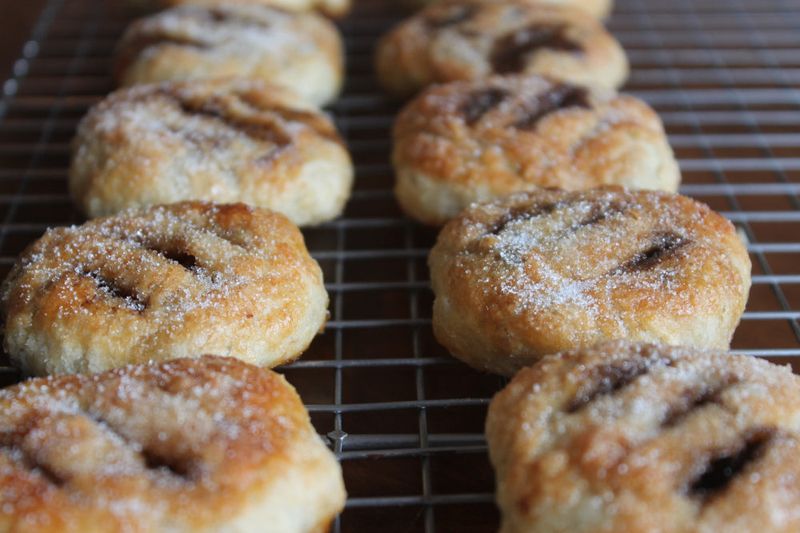
Flaky pastry encases a sticky, spiced currant filling that oozes sweetness with every bite.
Three slashes across the top allow steam to escape whilst baking, creating the signature appearance.
Sugar crystals sparkle on the surface, adding extra sweetness and crunch.
Originally sold at Eccles wakes fairs centuries ago, these small rounds of joy remain a teatime staple throughout Greater Manchester, though many outside the region have never encountered them.
5. Lardy Cake (South East England)
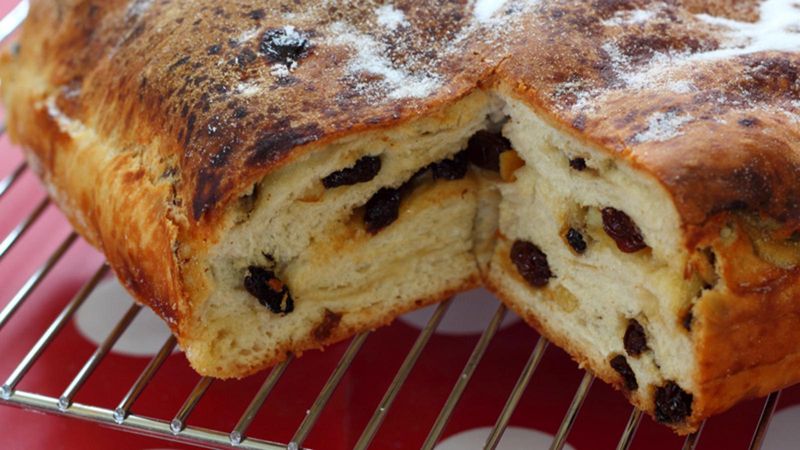
Rich, sticky, and absolutely loaded with lard, this indulgent treat makes no apologies for its calorie content.
Layers of dough, fat, sugar, and dried fruit create an intensely sweet bread that glistens with caramelised syrup.
Wiltshire claims ownership, though neighbouring counties argue otherwise.
The bottom becomes gloriously crispy whilst the inside stays soft and yielding, making each slice a textural adventure that demands a strong cup of tea alongside.
6. Forfar Bridie (Scotland)
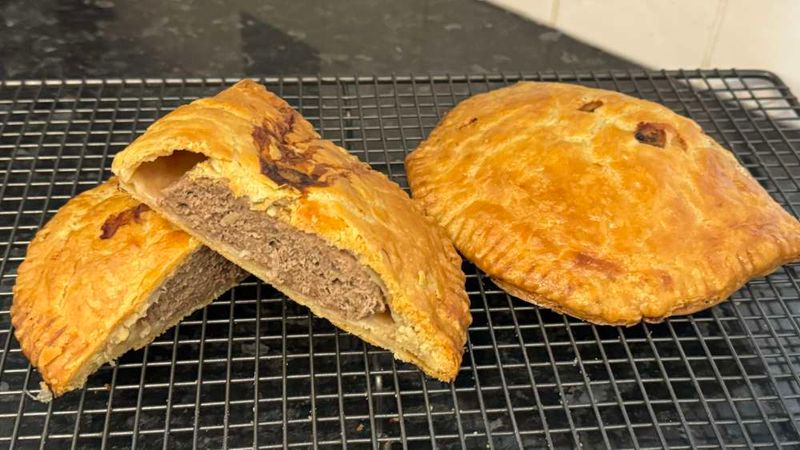
Crescent-shaped pastry distinguishes this Scottish speciality from its Cornish cousin, though both share similar working-class origins.
Minced beef and onions fill the crispy shell, sometimes with a touch of suet for extra richness.
Forfar bakers have perfected this recipe over centuries, creating a lunch option that workers could easily carry and eat.
No potatoes appear inside, setting it apart from pasties and keeping the focus squarely on quality meat and seasoning.
7. Pikelets (Wales and Northern England)
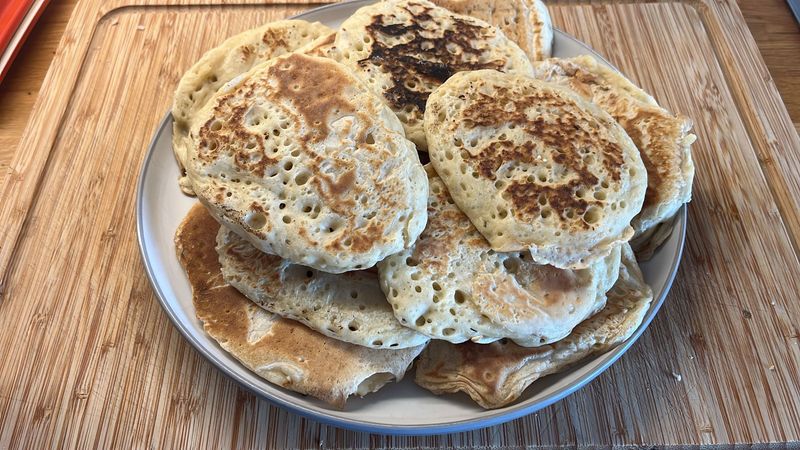
Thinner than crumpets and cooked without a ring, these griddle cakes spread naturally into irregular shapes whilst cooking.
Small holes appear across the surface, perfect for catching melted butter that pools deliciously in every crater.
Welsh families often make batches on Sunday afternoons, filling kitchens with their distinctive yeasty aroma.
Serve them warm, slathered with butter and jam, for an afternoon treat that costs pennies but tastes like childhood memories.
8. Bedfordshire Clanger (Bedfordshire)
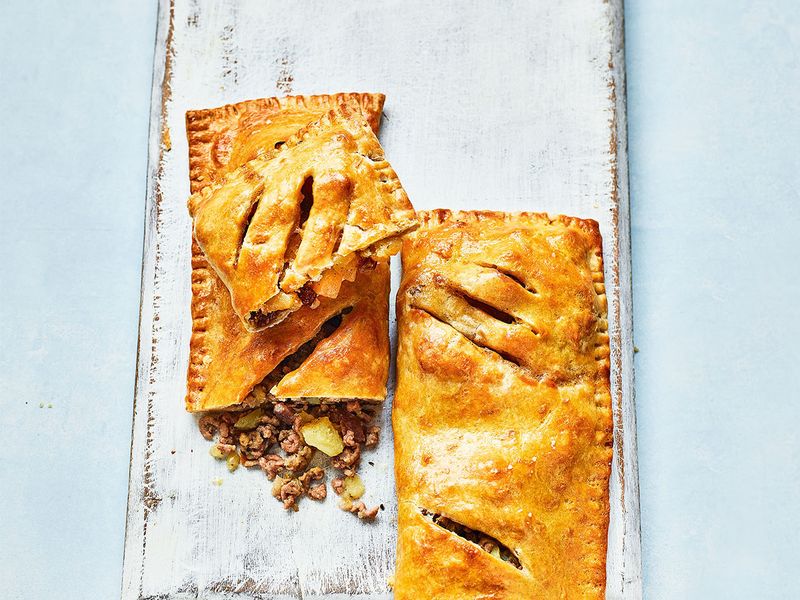
Half savoury, half sweet - this elongated suet pastry served as a complete meal for agricultural labourers working long days in fields.
Meat and vegetables occupy one end whilst jam or fruit fills the other, separated by a pastry wall.
Workers knew which end to eat first by the position of the crimp, ensuring they finished with dessert.
This ingenious design solved the problem of carrying two courses in one portable package, though few bakeries still produce them today.
9. Welsh Bara Brith (Wales)
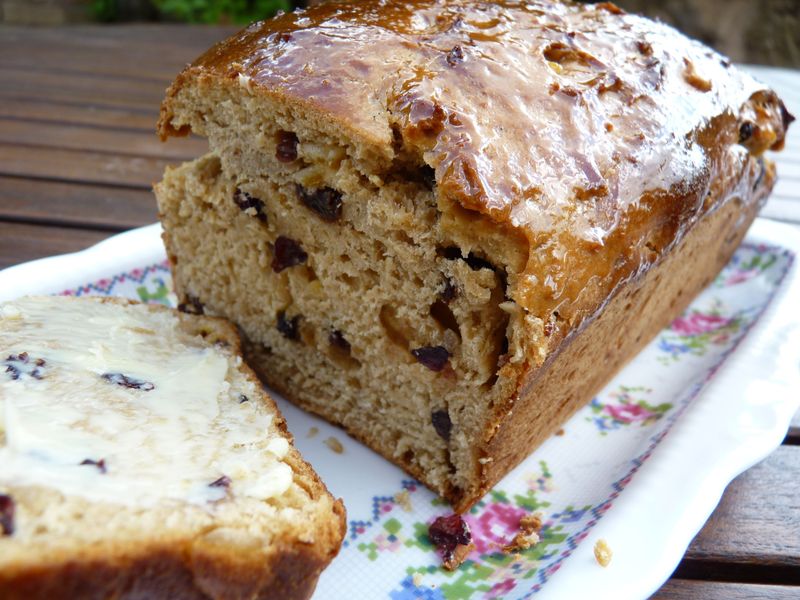
Translated as "speckled bread," this fruity loaf tastes somewhere between cake and bread, defying simple categorisation.
Dried fruit soaks overnight in tea, plumping up beautifully before mixing with flour and spices.
The result emerges dark, moist, and intensely flavourful, improving over several days as flavours meld together.
Slice it thickly, spread with salted butter, and savour a taste of Welsh heritage that grandmothers have baked for countless generations across the valleys.
10. Glamorgan Sausage (Wales)
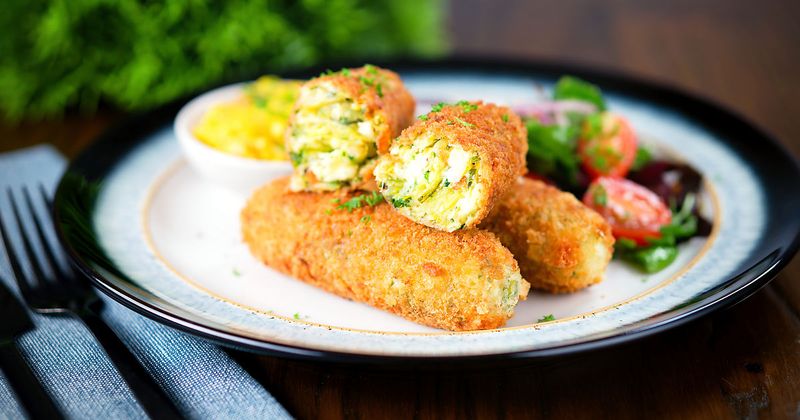
Despite its name, no meat appears in this vegetarian classic that predates modern plant-based trends by centuries.
Caerphilly cheese, leeks, and breadcrumbs form the mixture, shaped into sausage forms and fried until golden.
Originally created when meat was scarce or unaffordable, these cheese sausages became beloved in their own right.
Crispy outside and creamy within, they prove that Welsh ingenuity transforms simple ingredients into something unexpectedly delicious and wholly satisfying.