






When little ones start exploring food, it’s tempting to let them try everything on your plate.
But some foods that seem harmless can actually pose choking hazards or upset their developing systems.
Knowing which items to skip early on makes mealtimes safer and far less stressful for everyone.
All information is provided for general interest only. It should not replace advice from a qualified healthcare professional. Always consult your child’s doctor or paediatrician before making changes to their diet. Photos are for illustrative purposes only.
1. Whole Grapes
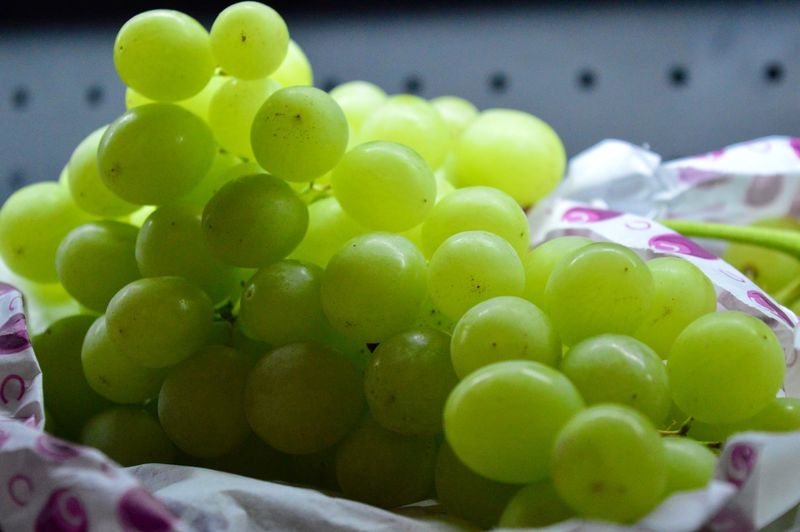
Round, slippery, and perfectly sized to block a small airway, whole grapes are amongst the most common choking hazards for young children.
Their smooth skin makes them slide easily down the throat without being chewed properly.
Even if your toddler has teeth, they might not understand the importance of thorough chewing yet.
Always slice grapes lengthways into quarters before serving them to children under three.
2. Popcorn
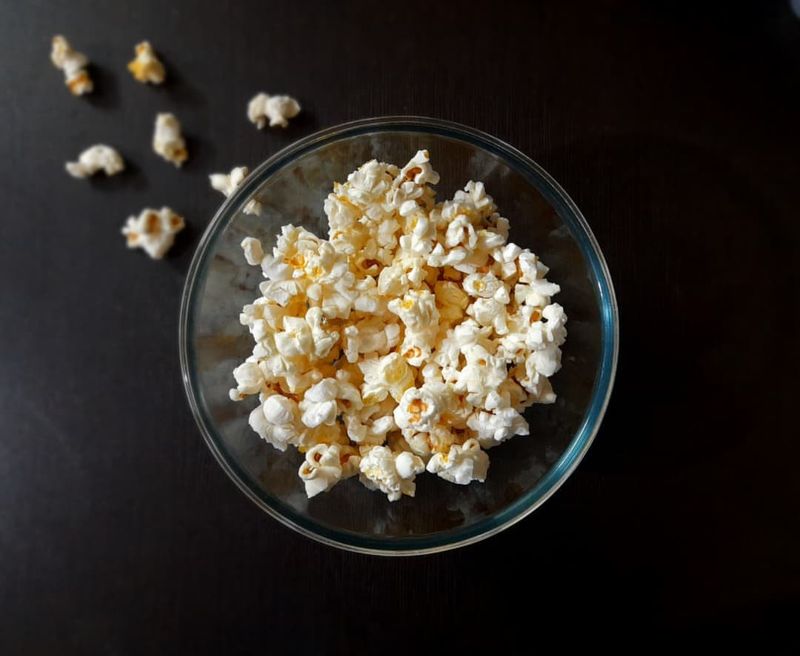
That favourite cinema snack might seem harmless, but popcorn kernels can easily lodge in a toddler's windpipe.
The irregular shapes and hard texture make them difficult for little ones to chew and swallow safely.
Unpopped or partially popped kernels present an even greater danger, as they're incredibly hard and can cause injury.
Wait until your child is at least four years old before introducing this crunchy treat.
3. Nuts And Seeds
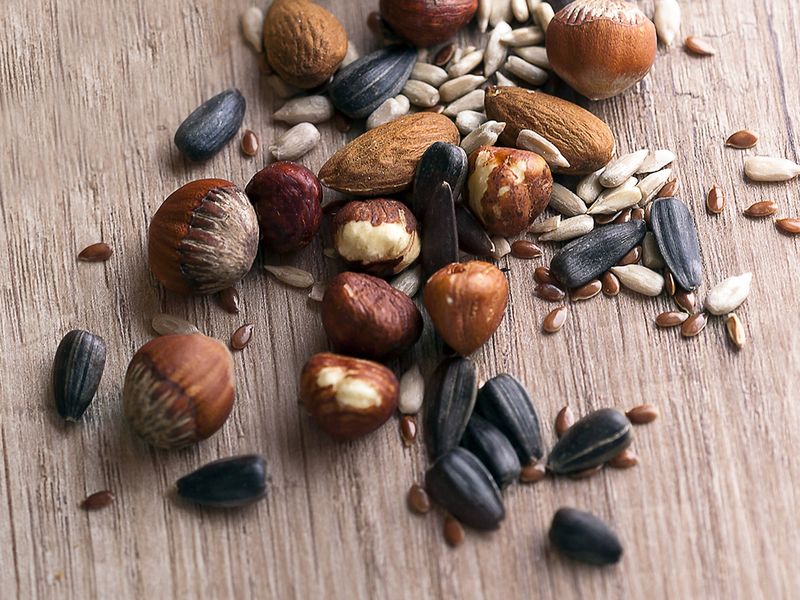
Despite their impressive nutritional profile, whole nuts and seeds are simply too risky for children under three.
Their small size and hard texture create a perfect storm for choking incidents.
Additionally, they can easily be inhaled into the lungs, causing serious respiratory problems that may require medical intervention.
Nut butters spread thinly on toast offer a safer alternative for getting those healthy fats into your toddler's diet.
4. Hard Sweets
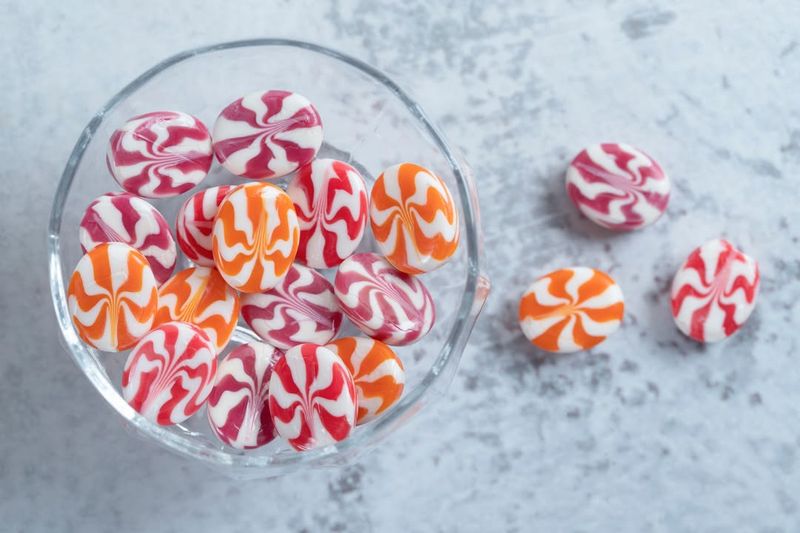
Brightly coloured and tempting, hard sweets are designed to dissolve slowly in the mouth - something toddlers simply cannot manage safely.
Young children often try to swallow them whole or bite down, creating chunks that can block airways.
The smooth, round shape makes them particularly dangerous as they can slip down the throat unexpectedly.
Save these treats for when your child is older and understands how to eat them properly.
5. Raw Carrots
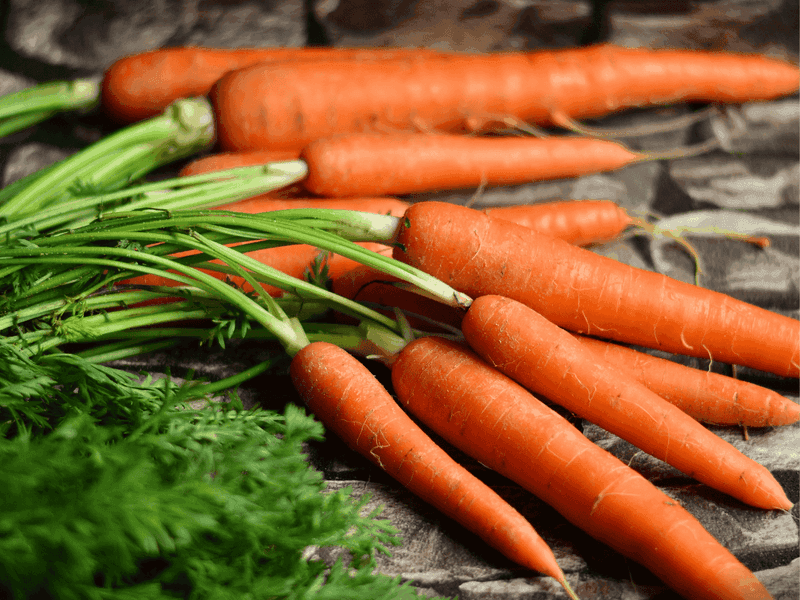
Carrots are wonderfully nutritious, but serving them raw to toddlers creates unnecessary risk.
Their firm, crunchy texture requires strong chewing ability that most children under three haven't fully developed.
Large pieces can break off and become lodged in the throat, whilst the hard surface makes them difficult to manage.
Steaming or boiling carrots until soft transforms them into a safe, delicious option your little one can enjoy without worry.
6. Unpasteurised Dairy Products
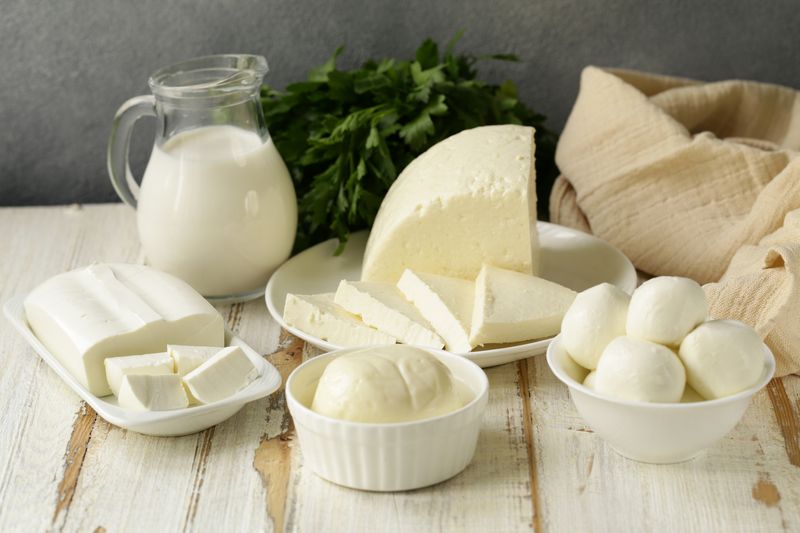
Raw milk and cheeses might seem wholesome, but they can harbour dangerous bacteria like E. coli, Salmonella, and Listeria.
Young children have developing immune systems that cannot effectively fight off these pathogens, which can cause severe foodborne illness.
Pasteurisation kills harmful bacteria whilst preserving most nutrients, making it essential for products given to vulnerable groups.
Always choose pasteurised dairy products for your toddler's safety and wellbeing.
7. High-Sodium Snacks
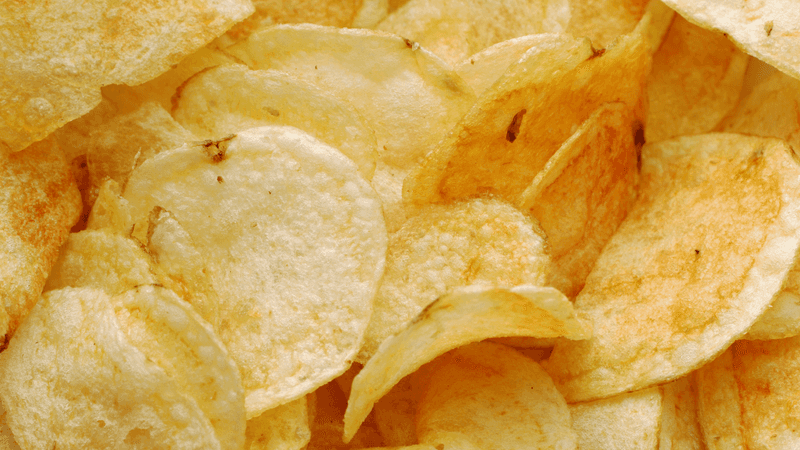
Crisps, pretzels, and other salty snacks might be adult favourites, but they're far too high in sodium for toddlers.
High sodium in early childhood may also establish unhealthy taste preferences that last a lifetime.
Choose fresh fruits, vegetables, and whole grains instead to build healthy eating habits from the start.
8. Sugary Drinks
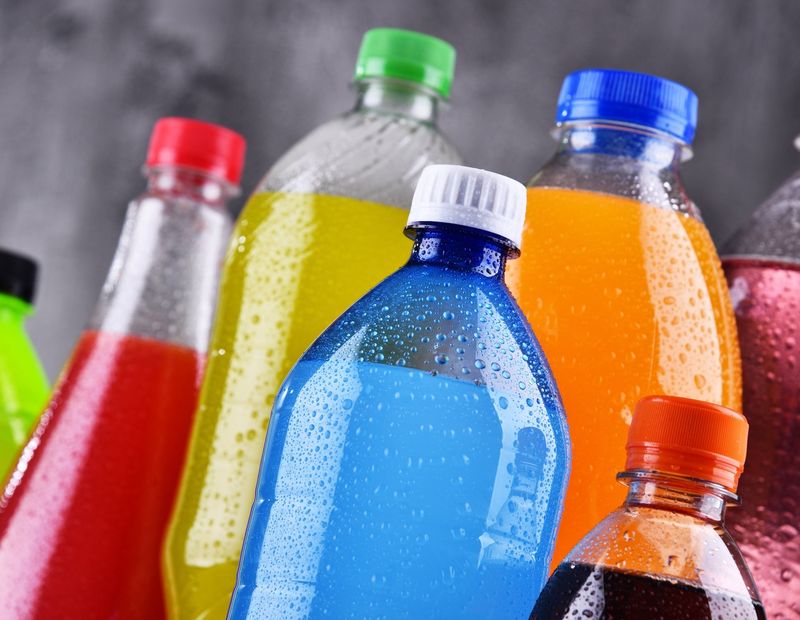
Fizzy drinks, fruit squash, and even pure fruit juice might seem like treats, but they're essentially liquid sugar with little nutritional value.
These beverages contribute to tooth decay, obesity, and can fill up little tummies, leaving no room for nutritious foods.
They also train young taste buds to prefer overly sweet flavours.
Stick to water and breast milk or formula to keep your toddler properly hydrated and healthy.
9. Raw Eggs
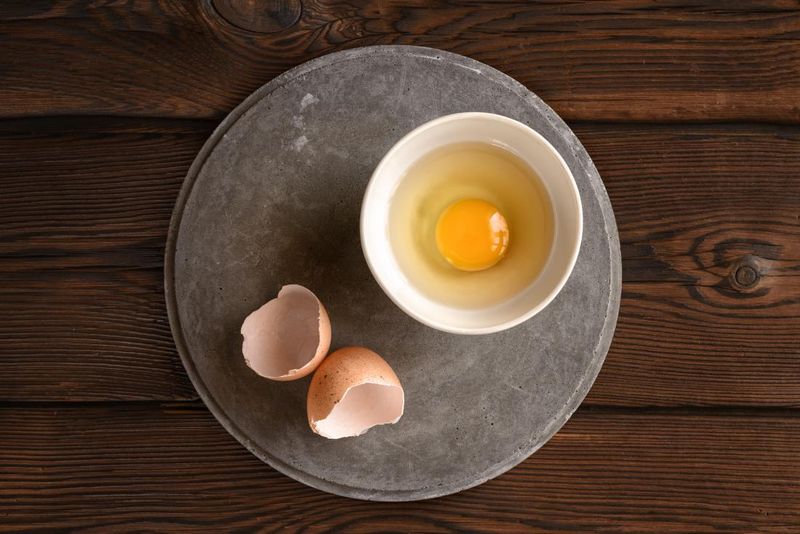
Whether in homemade mayonnaise, cake batter, or runny scrambled eggs, raw or undercooked eggs pose a real threat to young children.
They can contain Salmonella bacteria, which causes food poisoning with symptoms like vomiting, diarrhoea, and fever.
Toddlers are particularly vulnerable because their immune systems are still developing.
Always cook eggs thoroughly until both the white and yolk are completely firm before serving them to children under three.