








Winter often brings a shift in familiar smells and flavours, with spices becoming more prominent in kitchens and seasonal foods.
For many people, these aromas are closely linked to comfort and tradition, while others find them stronger than they prefer.
This mix of reactions helps explain why certain winter spices are so widely used yet not universally enjoyed.
All information is provided for general interest only.
Taste, aroma, and availability may vary.
Photos are for illustrative purposes only.
1. Cinnamon
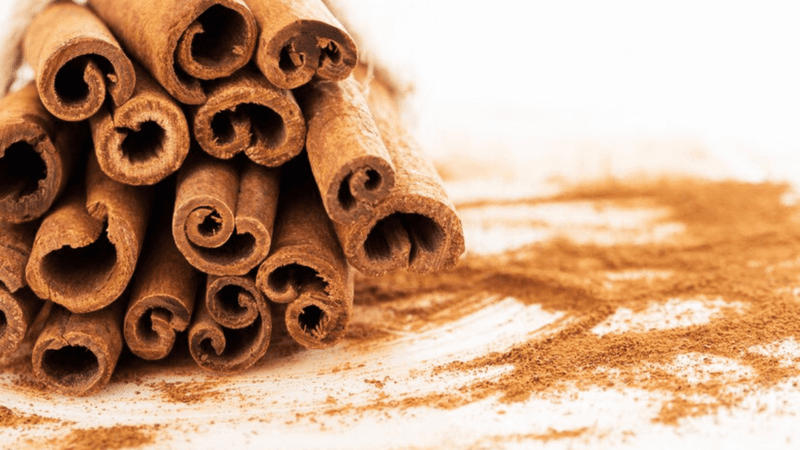
Some folks find cinnamon's sweet warmth comforting, whilst others think it tastes like eating a scented candle.
The flavour can be overpowering in baked goods, leaving a burning sensation on the tongue that lingers far too long.
Many people associate it with childhood medicine or overly spiced desserts, creating negative memories.
Its dominance in winter treats means there's often no escaping it, which frustrates those who simply can't stand the taste.
2. Nutmeg
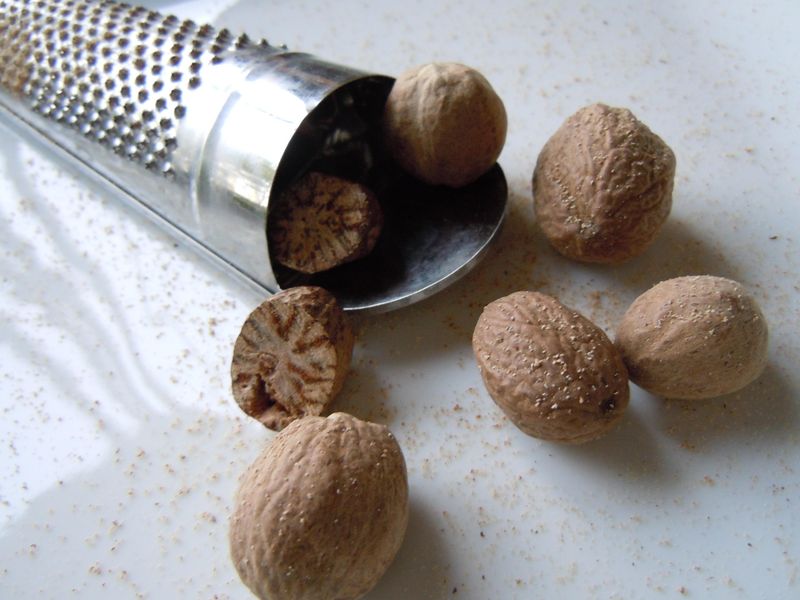
A little nutmeg goes a long way, but too much transforms eggnog and custards into something bitter and unpleasant.
Its earthy, slightly medicinal flavour doesn't appeal to everyone, especially when sprinkled generously over festive beverages.
Some describe the taste as soapy or musty, which ruins otherwise delicious treats.
For sensitive palates, even a pinch feels overwhelming and spoils the entire dish.
3. Cloves
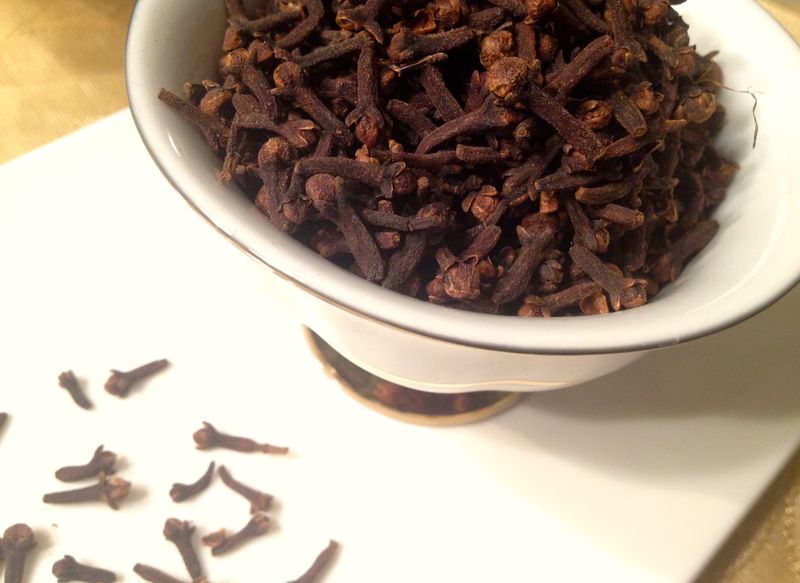
Biting into a whole clove hidden in baked ham ranks among winter's most unpleasant surprises.
The intense, almost numbing flavour overpowers everything else, leaving a bitter aftertaste that's hard to shake.
Many find cloves smell lovely but taste far too strong, like chewing on a dentist's anaesthetic.
Their pungent nature divides households every festive season, with some refusing dishes containing them entirely.
4. Ginger
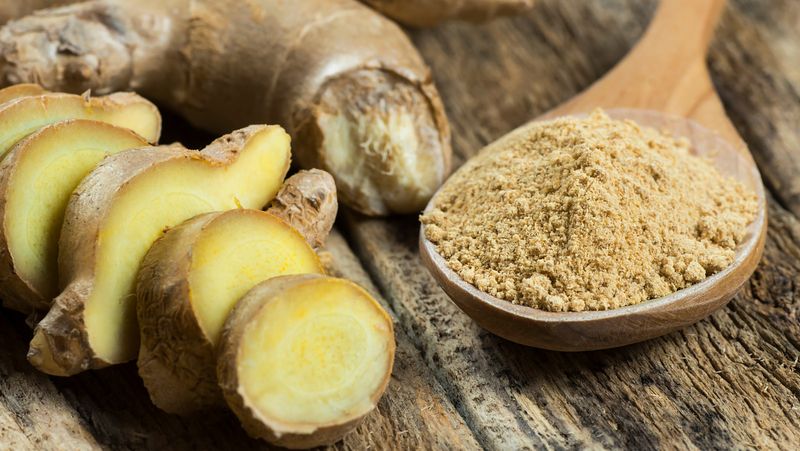
Ginger's sharp, fiery kick works wonders in biscuits and warming teas, but not everyone enjoys that burn.
For some, the spicy heat feels aggressive rather than comforting, especially when it dominates gingerbread or festive cakes.
The flavour can also taste medicinal, reminding people of remedies for upset stomachs rather than festive cheer.
Its boldness simply doesn't suit every palate during the holidays.
5. Allspice
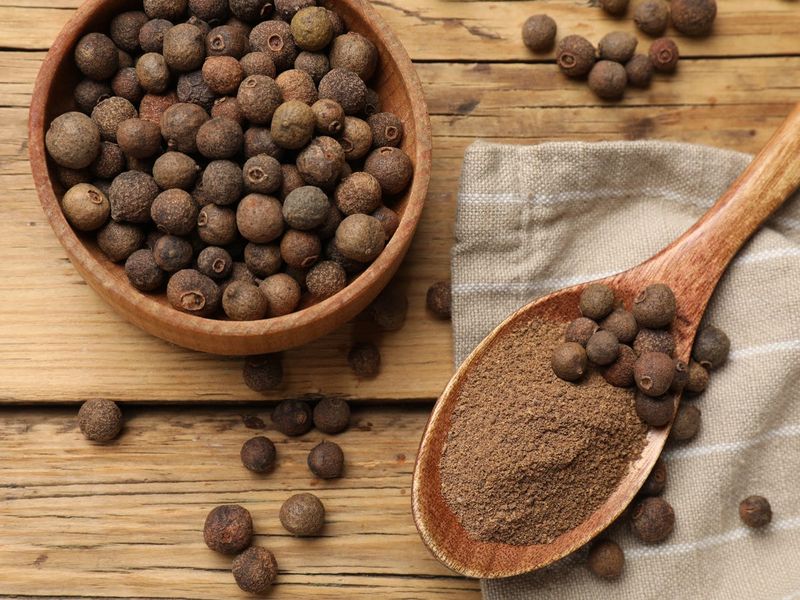
Despite its name suggesting a blend, allspice comes from a single berry with a complex flavour profile.
That combination of cinnamon, nutmeg, and clove notes confuses taste buds, making some people feel like they're eating everything at once.
The muddled taste can overwhelm delicate dishes, leaving an unpleasant, heavy aftertaste.
Those who prefer simpler flavours often find allspice too complicated and off-putting in festive recipes.
6. Star Anise
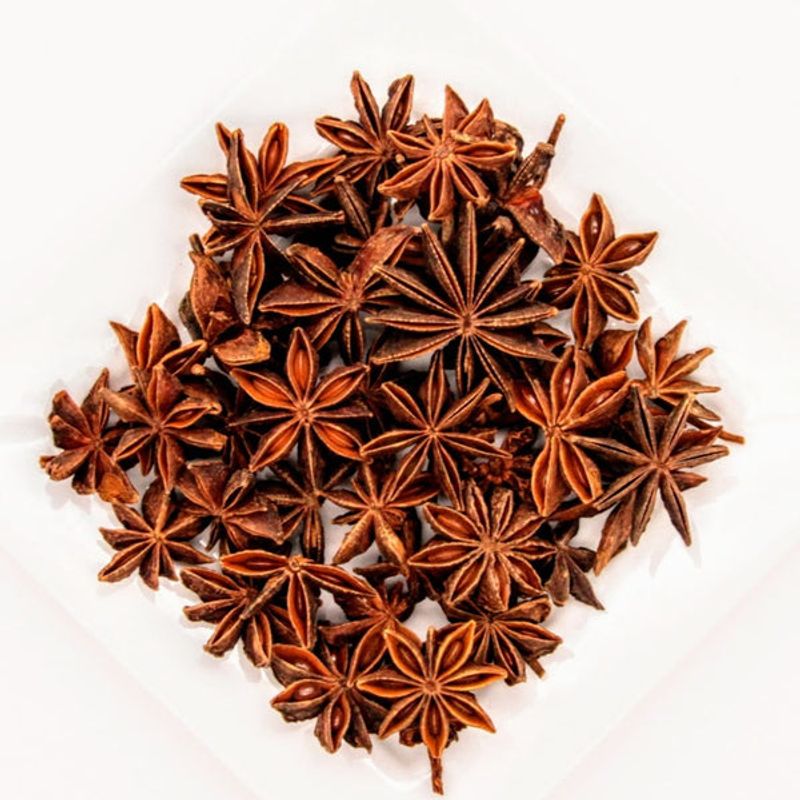
With a flavour reminiscent of liquorice, star anise immediately divides people into love-it or hate-it camps.
Its sweet, aromatic intensity works beautifully in mulled beverages, but for liquorice haters, it's absolutely dreadful.
The taste can feel artificial or medicinal, ruining otherwise enjoyable winter drinks and stews.
Even the scent alone turns some people away from festive recipes containing this polarising spice.
7. Cardamom
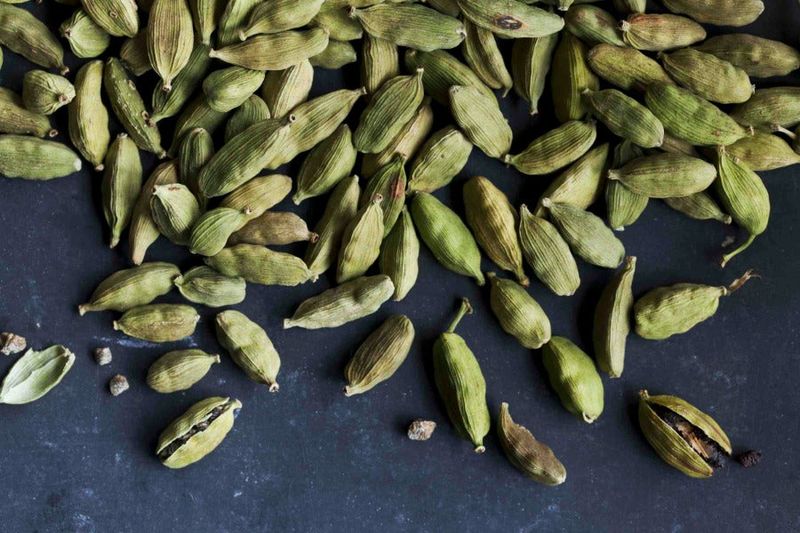
Cardamom brings a unique, floral sweetness to Scandinavian baking and chai, but its perfumed quality isn't universally loved.
Some describe the flavour as soapy or like eating potpourri, which completely ruins festive breads and biscuits.
The tiny seeds hide in baked goods, delivering unexpected bursts of intense flavour that catch people off guard.
Its distinctiveness makes cardamom a spice many simply avoid entirely.
8. Mace
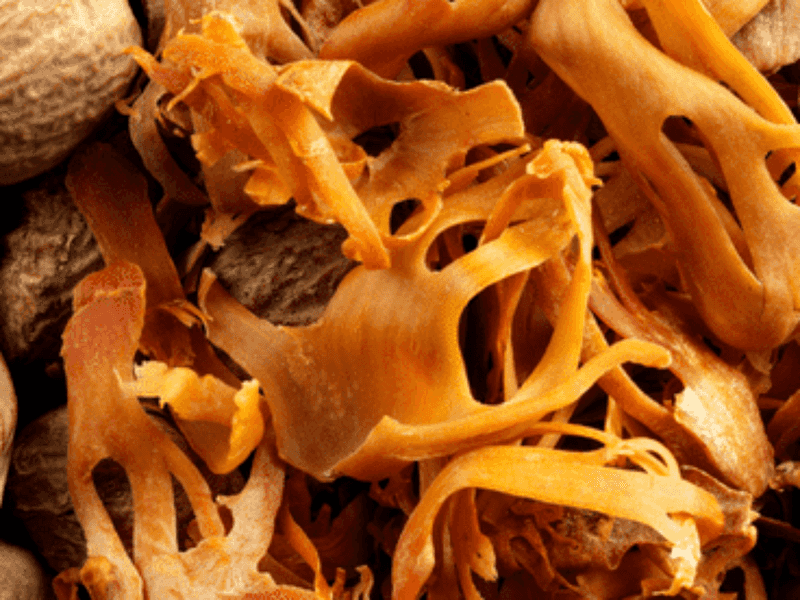
Mace comes from nutmeg's outer covering, delivering a similar but slightly more delicate flavour that still divides opinion.
Its warm, peppery notes can taste oddly floral or chemical to sensitive palates, especially in savoury dishes.
Many people don't even realise they're tasting mace, but instinctively dislike something about the overall flavour profile.
This lesser-known spice quietly ruins winter dishes for its detractors.
9. Peppermint

Peppermint screams winter holidays, appearing in everything from hot chocolate to festive sweets and desserts.
But for some, the cooling menthol sensation feels more like toothpaste than a treat, ruining perfectly good chocolate.
The flavour can be overwhelmingly strong, leaving mouths feeling icy and uncomfortable rather than refreshed.
Many wish peppermint would stay in dental products instead of invading their festive foods.
10. Aniseed
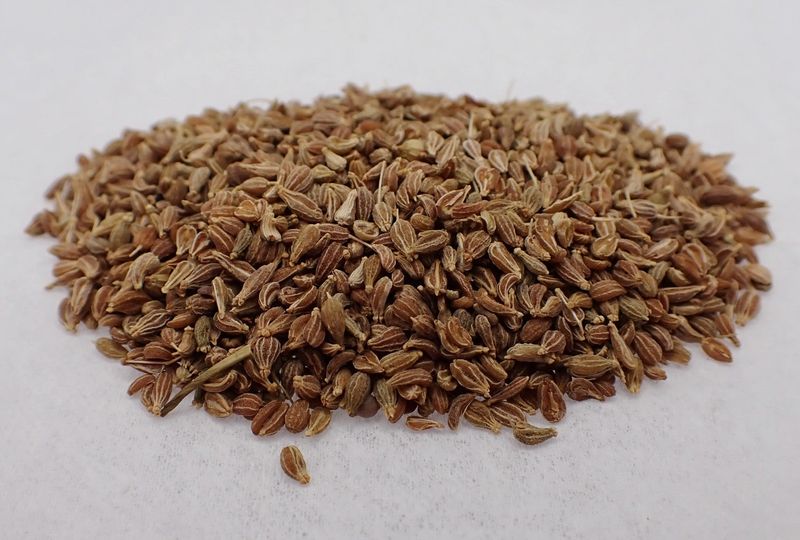
Similar to star anise, aniseed delivers that distinctive liquorice flavour that immediately repels anyone who dislikes the taste.
Found in traditional festive biscuits and European sweets, it creates an intense, sweet flavour that lingers uncomfortably.
For those who can't stand liquorice, aniseed ruins entire batches of otherwise lovely baked goods.
Its presence in winter recipes remains a source of frustration for many.
11. Saffron
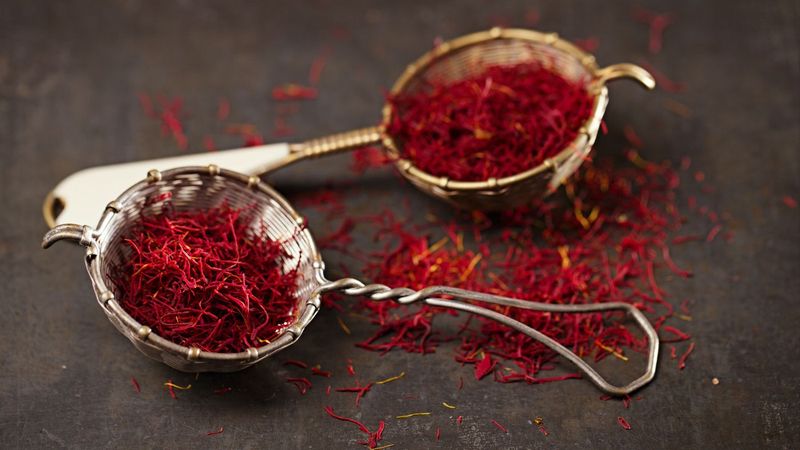
A pinch of saffron can transform a dish with its luxurious hue and aroma.
Its earthy undertones and floral notes make it a staple in many festive recipes.
But for some, its distinct flavor is overpoweringly medicinal.
Saffron’s expense also adds to its polarizing reputation.
In several cultures, it is revered as a symbol of hospitality and warmth.
Yet, not everyone appreciates its unique taste, finding it too bold for their liking.
12. Juniper Berries
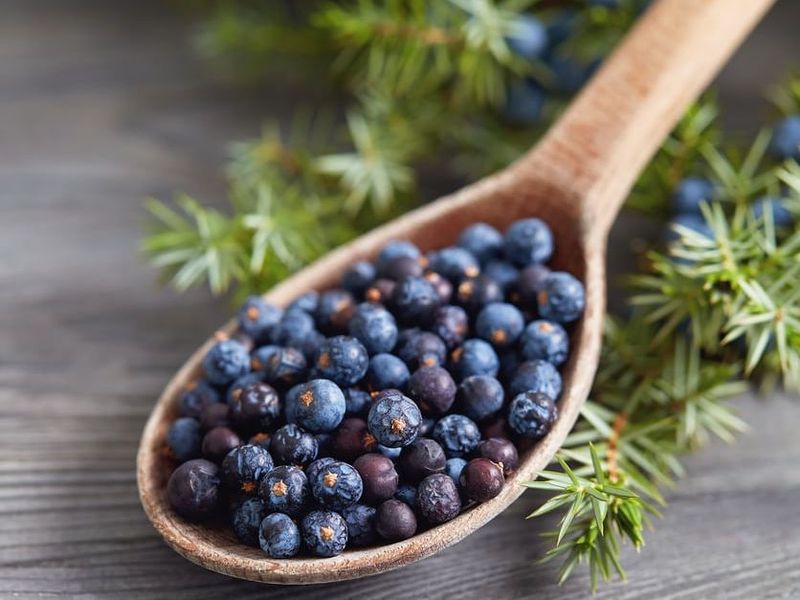
Juniper berries bring a piney freshness to winter dishes and beverages.
Their sharp, resinous flavor often enhances meats and beverages, like gin.
For some, the taste is reminiscent of cleaning products rather than culinary delights.
These small, blue berries are more than just a spice; they symbolize protection and healing in folklore.
Despite their benefits, their intense flavor can be divisive.
Interestingly, juniper berries are one of the few spices that come from a conifer, setting them apart in the spice world.
This uniqueness contributes to both their appeal and aversion.