





Something about December always seems to inspire a craving for warm, spiced bakes fresh from the oven.
Few treats capture that feeling better than a classic gingerbread loaf – rich with ginger, cinnamon and treacle, and filled with nostalgic charm.
Whether homemade or picked up from the local bakery, this simple yet comforting bake has become a true seasonal staple.
Here’s why gingerbread loaves continue to hold a special place on festive tables every December.
All information is provided for general interest only.
Taste, appearance, and availability may vary.
Photos are for illustrative purposes only.
A Sweet Tradition Rooted In History

Medieval monks were among the first in Britain to bake gingerbread, using it as both a treat and a medicinal remedy.
By the Tudor period, gingerbread had become a festive staple, often shaped into elaborate figures and sold at fairs across the country.
Fast forward to today, and the loaf version has become a December mainstay in homes and bakeries nationwide.
Its rich, dark crumb and sticky texture remind us of simpler times when baking meant gathering round the kitchen table.
That connection to the past makes every slice feel like a little piece of history.
No wonder it remains a cherished part of our winter celebrations.
The Warming Spices That Define The Season
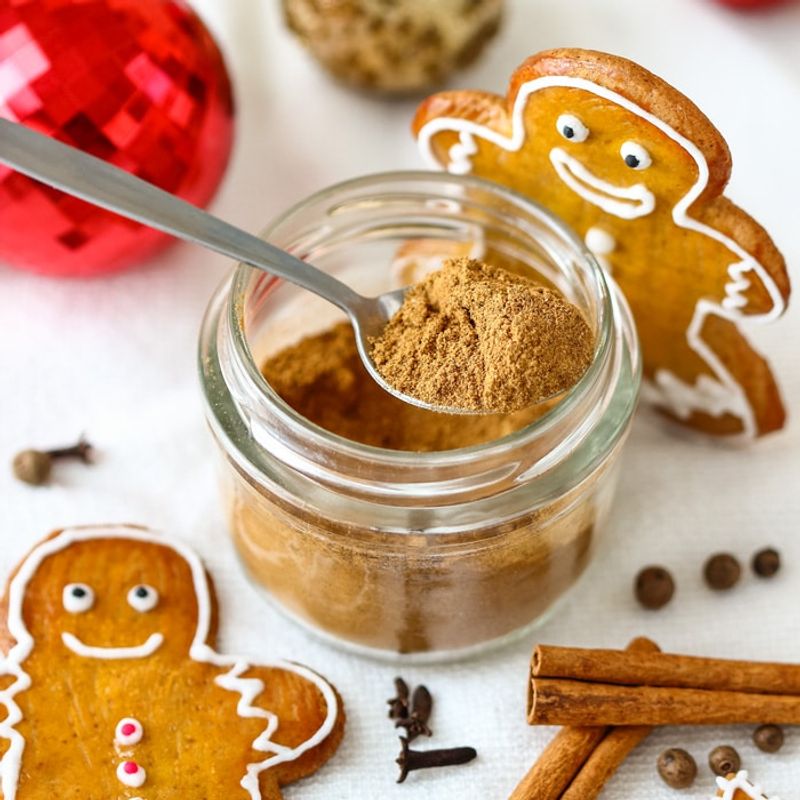
Ground ginger, cinnamon, nutmeg, and cloves aren't just flavour enhancers – they're the very soul of December baking.
These spices have been traded and treasured in Britain since the spice routes opened centuries ago.
When combined in a gingerbread loaf, they create a warmth that feels like wrapping yourself in a woolly jumper on a frosty morning.
The gentle heat from the ginger balances beautifully with the sweetness of black treacle or golden syrup, both British larder essentials.
Each bite delivers a comforting kick that wakes up your taste buds without overwhelming them.
It's no surprise these spices are synonymous with festive cheer across the UK.
A Comforting Bake That Fills The Home With Aroma
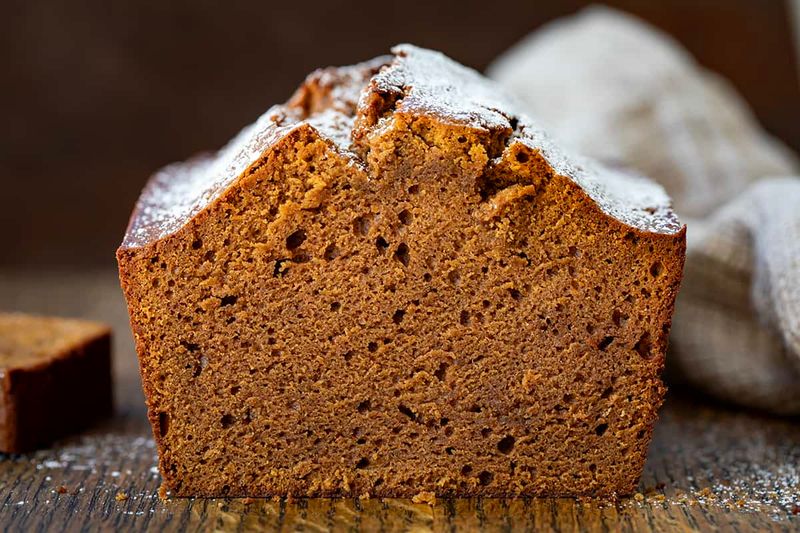
Walking into a house where gingerbread is baking is like receiving a warm hug from your kitchen.
The aroma of spices mingling with butter and treacle travels through every room, signalling that something special is happening.
British homes in December often smell of pine trees and candles, but nothing quite compares to the scent of fresh gingerbread.
That fragrance has a way of bringing people together, drawing family members to the kitchen like moths to a flame.
Even if you buy a ready-made loaf from Tesco or Waitrose, warming it gently releases those gorgeous smells all over again.
It transforms an ordinary afternoon into something truly cosy and memorable.
Easy To Share, Gift, Or Enjoy With A Hot Drink
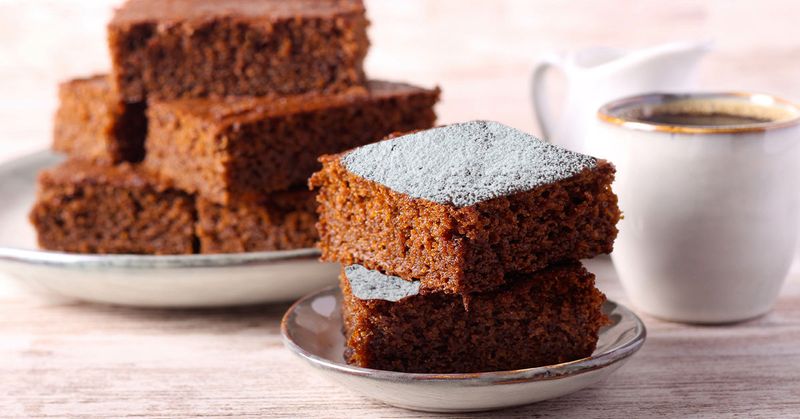
One of the best things about gingerbread loaves is how wonderfully portable and shareable they are.
Wrap a homemade loaf in parchment and ribbon, and you've got a thoughtful gift that beats shop-bought biscuits any day.
Slice it up at work, and your colleagues will think you're brilliant – it pairs perfectly with a proper cup of builder's tea or a frothy cappuccino.
British cafés like Costa and independent coffee shops often stock gingerbread loaves during December for exactly this reason.
Its dense, moist texture means it travels well and doesn't crumble into a mess in your bag.
Whether you're hosting or visiting, gingerbread loaf is always a crowd-pleaser.
Why Its Flavour Only Gets Better With Time
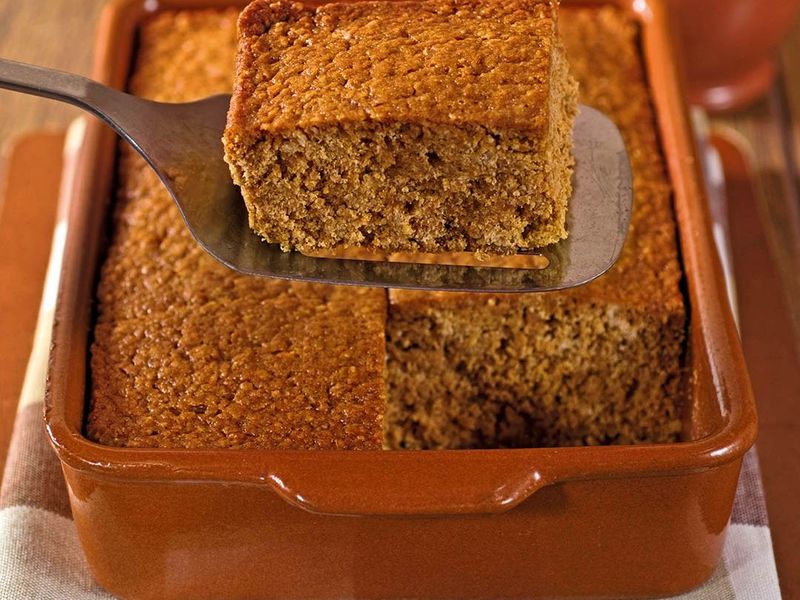
Unlike most baked goods that go stale quickly, gingerbread loaves actually improve as they sit.
The moisture from the treacle and syrup continues to work its magic, making the loaf even stickier and more flavourful after a day or two.
This makes it ideal for busy December schedules – bake it on Sunday, and it'll still be gorgeous by Wednesday.
Many British bakers wrap their gingerbread tightly in foil and store it in a tin, allowing the spices to deepen and mellow over time.
Some even say a week-old gingerbread loaf tastes better than a fresh one, with richer, more rounded flavours.
That's proper convenience with delicious results.