







There was a time when certain foods were regulars in British kitchens – before health officials decided they were too risky to keep on the shelves.
Over the years, changing safety standards and scientific research have led to bans, reformulations and tighter regulations on everyday staples once considered perfectly safe.
Some were childhood favourites, while others were pantry essentials that quietly disappeared as health concerns grew.
Here are several foods that vanished from British tables after officials raised the alarm.
All information is provided for general interest only.
Taste, appearance, and availability may vary.
Photos are for illustrative purposes only.
1. Processed Foods With Industrial Trans Fats
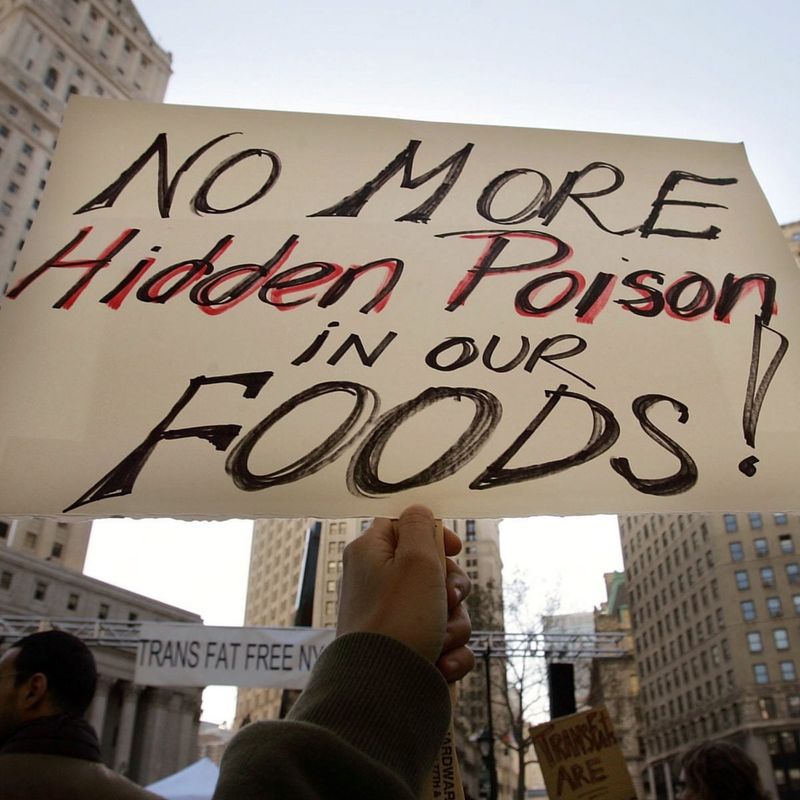
Back in the day, supermarket aisles were packed with ready meals and snacks loaded with something called industrial trans fats.
These chemically altered fats helped processed foods last longer on shelves and gave them that satisfying crispy texture we all loved.
Manufacturers chucked them into everything from frozen pies to biscuits without a second thought.
Then scientists discovered these fats were absolutely wrecking people's hearts, clogging arteries faster than you could say coronary disease.
Health officials eventually cracked down hard, and by 2018, the UK had effectively banned them from our food supply, making those old-school processed treats a thing of the past.
2. Traditional Margarine Made With Hydrogenated Oils
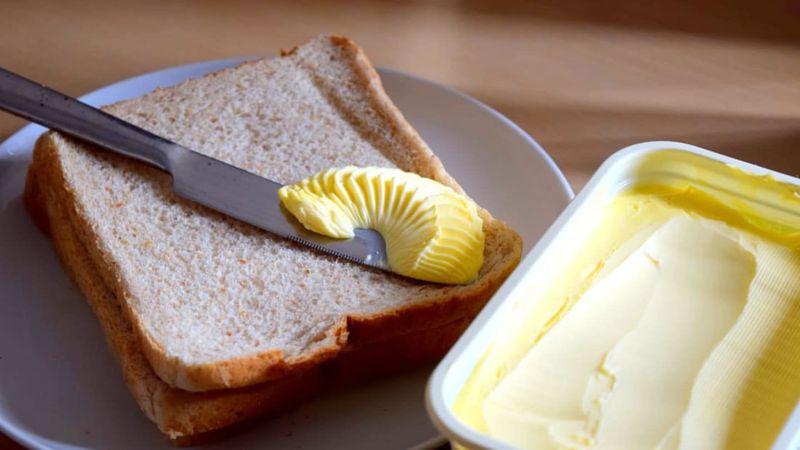
Your nan probably swore by margarine, spreading it thick on toast every morning whilst insisting it was healthier than butter.
The original versions were made using hydrogenated oils, a process that turned liquid vegetable oil into solid spread but created those nasty trans fats along the way.
For decades, margarine sat proudly in British fridges as the sensible, modern choice for health-conscious families.
Once the truth about trans fats emerged, manufacturers had to completely reformulate their recipes.
The margarine you buy today bears little resemblance to the hydrogenated stuff that once ruled breakfast tables across the nation.
3. Raw Milk Once Sold In Shops
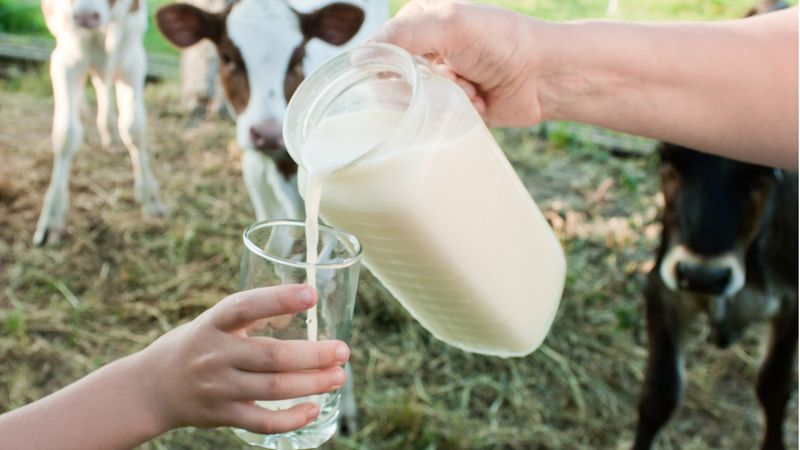
There was a time when you could nip to your local shop and buy raw, unpasteurised milk straight from the farm.
Many people loved the rich, creamy taste and believed it was more natural than the heat-treated stuff.
The milkman would deliver it right to your doorstep in those classic glass bottles, and families would pour it over their cornflakes without worry.
Health officials eventually stepped in after linking raw milk to serious bacterial infections like E. coli and salmonella.
Strict regulations now mean raw milk can only be sold directly from farms in England and Wales, and it is completely banned in Scotland.
4. High-Risk Offal Removed After The BSE Crisis
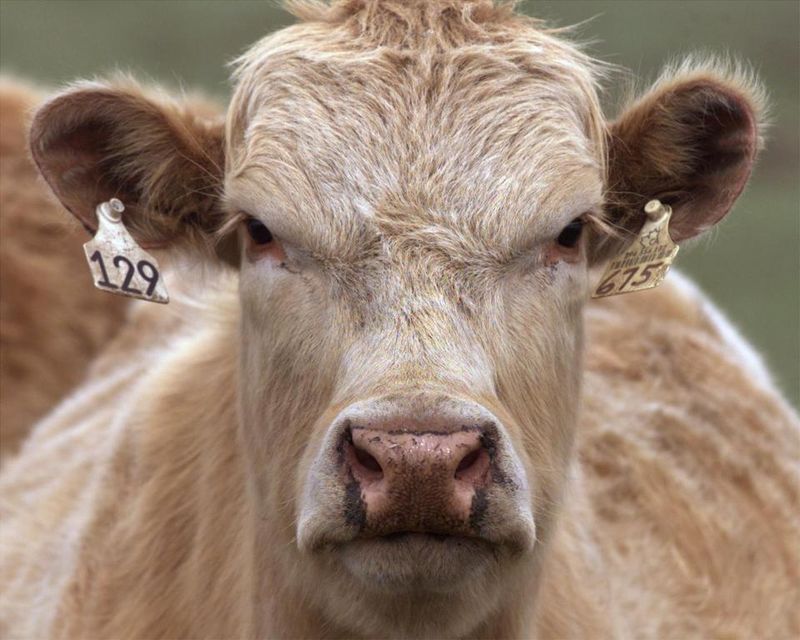
British butchers once sold every imaginable bit of the cow, including brains, spinal cord, and other organ meats that made up traditional dishes.
Offal was cheap, widely available, and featured in classic recipes passed down through generations.
Then the BSE crisis – mad cow disease – hit in the 1980s and 1990s, causing absolute panic across the country.
Scientists discovered the disease lurked in specific parts of cattle, particularly the brain and spinal tissue.
The government swiftly banned high-risk offal from entering the food chain, and certain cuts vanished from butcher counters forever, changing British meat-eating habits permanently.
5. Mass-Produced Snacks High In Fat, Sugar, And Salt
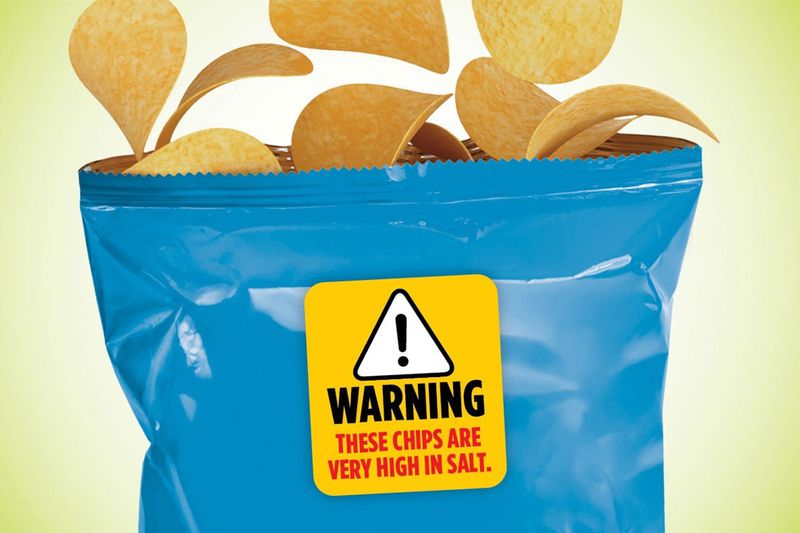
Walk down any supermarket aisle in the 1990s and you would find snacks absolutely bursting with fat, sugar, and salt in quantities that would shock you today.
Crisp packets, chocolate bars, and biscuits were engineered to be as moreish as possible, with little thought given to nutritional consequences.
Kids' lunchboxes were packed with treats that contained eye-watering amounts of these ingredients.
Public health campaigns and government pressure eventually forced manufacturers to reformulate their recipes, slashing levels of the unhealthy trio.
Whilst these snacks still exist, they are notably different from their old-school versions.
6. Foods Containing Now-Banned Additives
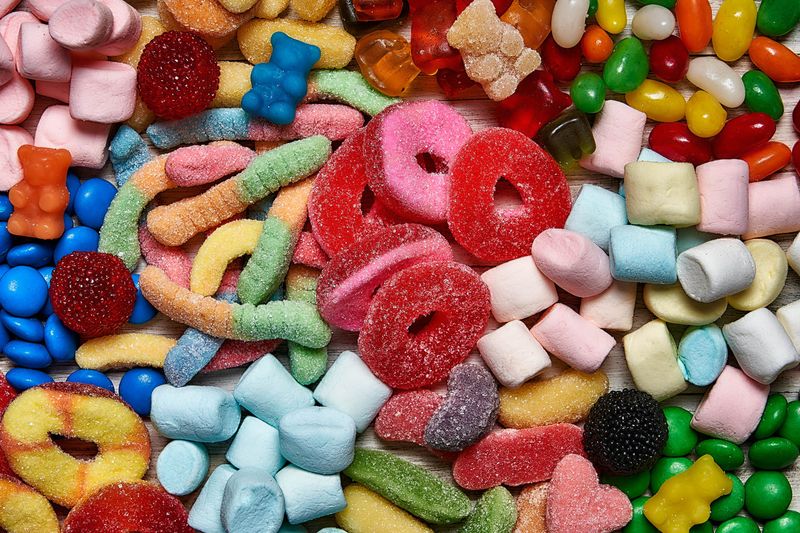
Bright orange squash, luminous sweets, and suspiciously colourful desserts once lined British shelves, their vivid hues courtesy of artificial additives now kicked to the kerb.
Ingredients like certain azo dyes and preservatives were chucked into everything to make food look more appealing and last longer.
Parents happily served these products to their children, completely unaware of potential health risks lurking in those vibrant colours.
Research eventually linked some additives to hyperactivity in children and other health concerns, prompting authorities to ban or restrict their use.
Many of your childhood favourites either disappeared or got reformulated with natural alternatives.
7. Unregulated Dairy And Meat Products Of The Past
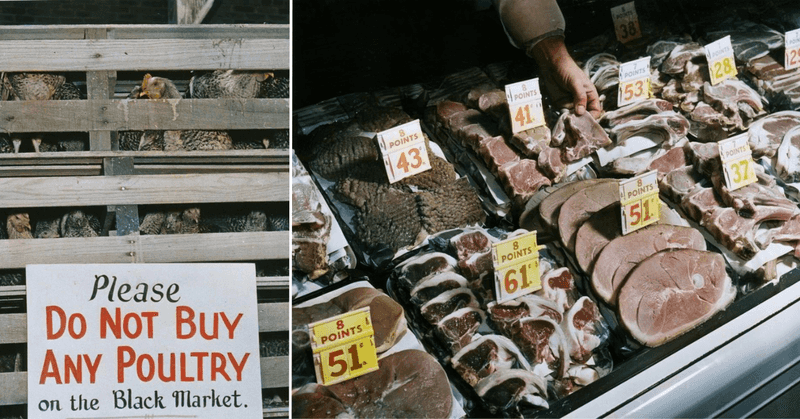
Decades ago, you could buy dairy and meat products from local farms and markets with virtually no regulatory oversight whatsoever.
Farmers sold homemade cheeses, cured meats, and other products directly to consumers without the strict hygiene standards and inspections we take for granted today.
It felt wonderfully traditional and authentic, connecting people directly to their food sources.
Unfortunately, the lack of regulation meant foodborne illnesses were far more common, and contamination risks ran high.
Modern food safety laws now require rigorous testing, proper storage temperatures, and regular inspections to protect consumers from potentially dangerous products.
8. Imported Foods High In Harmful Fats
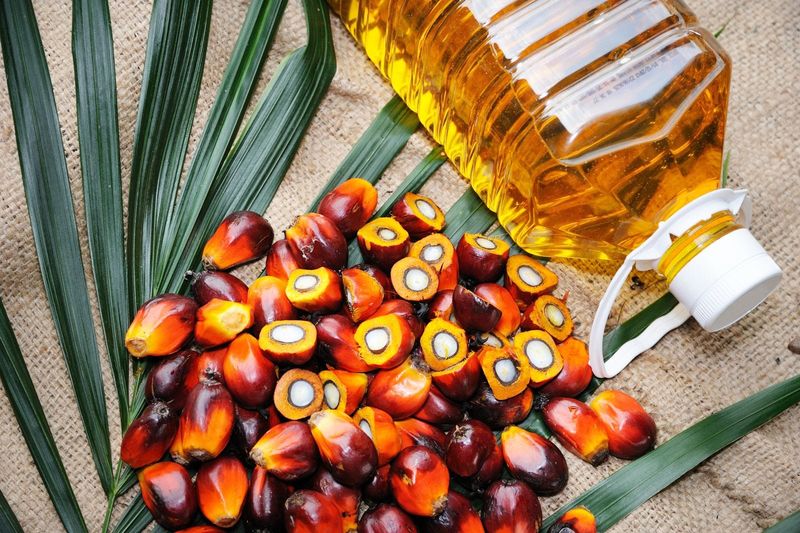
For years, British supermarkets stocked imported biscuits, snacks, and ready meals loaded with palm oil and other fats linked to heart disease.
These products came from all over the world, often manufactured with cheaper ingredients and lower standards than UK-made equivalents.
Shoppers grabbed them without realising the health implications hidden in those ingredient lists.
Growing awareness about harmful fats and their impact on cardiovascular health led to tighter import regulations and labelling requirements.
Health officials now scrutinise imported foods more carefully, and many products have been reformulated or removed from shelves entirely to meet British standards.