








It’s tempting to believe that cutting certain foods out is the secret to feeling healthier, but our bodies are far smarter than that.
They thrive on balance - a little of everything, in the right amounts, instead of strict rules and endless “no” lists.
Finding that middle ground makes eating not only healthier but far more enjoyable too.
All information is provided for general educational purposes and should not be taken as medical or dietary advice.
Readers concerned about nutrition or specific health conditions should consult a qualified healthcare professional.
Why Our Bodies Need A Bit Of Everything
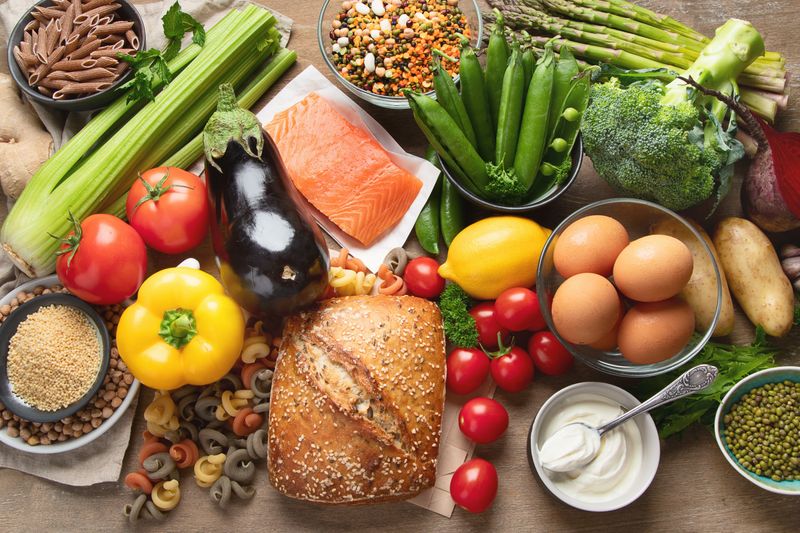
Our bodies run on a mix of different nutrients like carbs, proteins, fats, fibre, vitamins, and minerals.
Each one plays an important role in keeping things running smoothly.
Cutting out whole food groups can lead to gaps in essential nutrients that we actually need for energy, brain function, and a strong immune system.
When you ditch entire categories like carbs or fats, you might miss out on vitamins and healthy fats that help your body perform well.
A balanced diet gives your body the variety it needs instead of focusing on trendy restrictions.
Balance Supports Long-Term Wellbeing, Not Just Short-Term Fixes
Trendy elimination diets often promise quick results, but those changes rarely last.
Restrictive plans can lead to fast weight loss, but they're usually difficult to maintain.
A balanced way of eating is much easier to live with day to day.
You can enjoy all sorts of foods without feeling like you're constantly breaking the rules.
This approach helps you avoid the yo-yo effect of losing and regaining weight.
Balanced habits are more sustainable, less stressful, and better for your mental health too.
Balanced Diets Help Protect The Heart And Lower Disease Risk
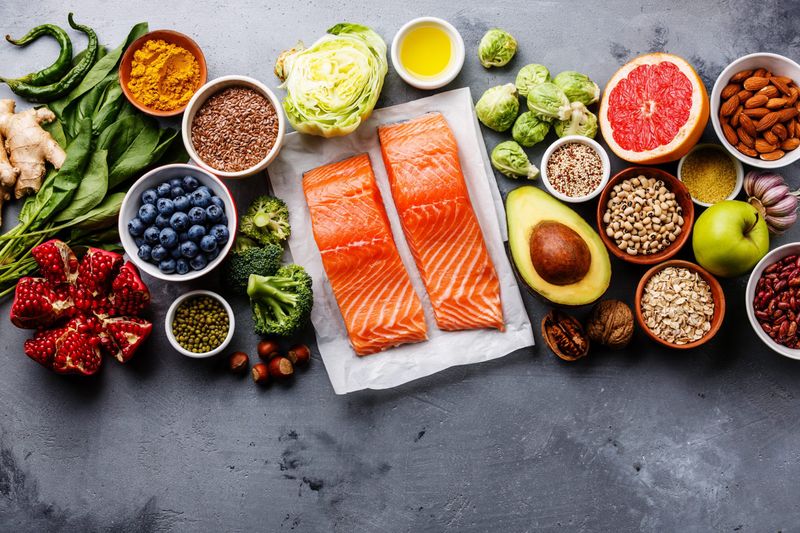
Eating a wide variety of fruits, vegetables, whole grains, healthy fats, and lean proteins keeps your body strong.
Balanced diets are linked to lower risks of heart disease, diabetes, and even certain cancers.
When you cut out too many foods, you might replace them with less nutritious options.
For example, avoiding fats entirely can make you rely on sugar or processed alternatives instead.
A balanced plate supports stable blood sugar, healthy cholesterol, and a calmer metabolism.
In the long run, that means fewer health issues.
Helps Maintain A Healthy Relationship With Food
When you completely eliminate foods, it can make you think about them even more.
Over time, that can create stress around eating or guilt if you slip up.
Some people even develop an unhealthy obsession with clean eating.
A balanced approach lets you enjoy a wide range of foods without fear or pressure.
You can have the occasional treat and still feel good about your choices.
This way, food becomes enjoyable again rather than something to stress about.
Variety Means More Nutrients, More Energy, Better Mood
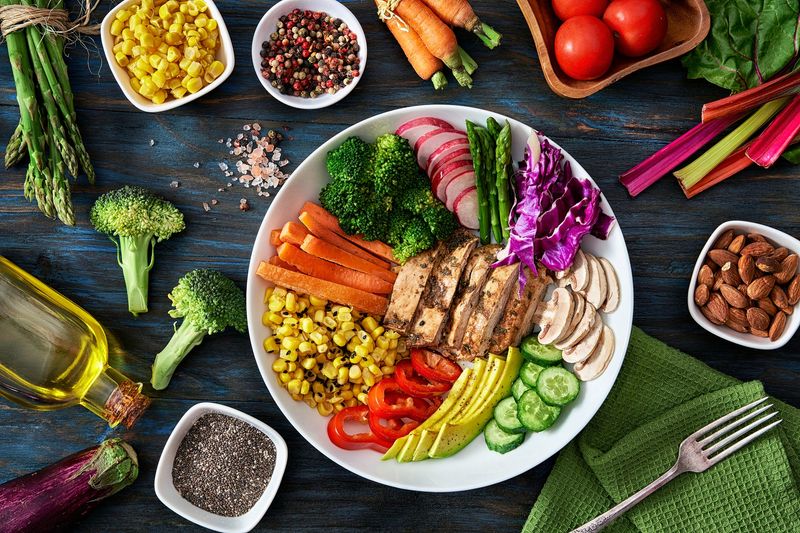
Different foods bring different benefits - from vitamins and minerals to antioxidants and fibre.
Each of these supports something vital, like your brain, immune system, digestion, or even your mood.
If you cut out too many foods, your energy levels and focus can drop.
Balanced eating helps you get a mix of nutrients that keep you sharp and steady.
It's about combining rather than restricting, making your diet more colourful and exciting.
This variety keeps both your body and mind in a happier, healthier place.
Balanced Eating Fits Everyday Life Better Than Strict Diet Rules
Life isn't predictable, and food shouldn't feel like a test you're always failing.
Strict diet rules can make social events or busy days stressful.
A balanced approach lets you adapt, whether you're eating out or grabbing something on the go.
It gives you room to enjoy your food without feeling guilty.
Because it's easier to manage, you're more likely to stick with it long term.
That's what makes balance far more realistic than any short-lived diet trend.
Cutting Foods Out Can Backfire - Balance Helps You Stay Consistent
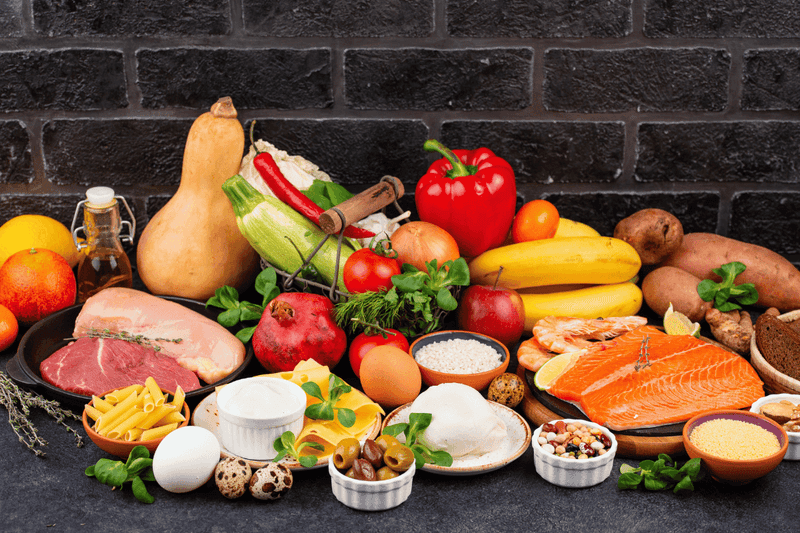
When you restrict too much, cravings and binge-eating can sneak up on you.
You might start to feel frustrated, tired, or even guilty about food.
That's why balance works better - it removes the all or nothing mindset.
You can enjoy your favourites in moderation and still feel healthy.
It also keeps your relationship with food relaxed instead of tense or guilt-driven.
In the end, it's not about cutting out - it's about finding the right mix that works for you.