







Ever noticed how foods you once couldn’t stand suddenly taste amazing years later?
That’s because your taste buds aren’t fixed – they’re constantly renewing, adapting, and responding to changes in your body and environment.
From hormones and ageing to lifestyle habits, plenty of factors influence how flavours hit your palate over time.
It’s why your tastes evolve and why that once-hated sprout might just be your new favourite side.
This article is for general informational purposes only.
Individual taste changes can vary based on health, age, and diet.
For persistent changes in taste or appetite, consult a healthcare professional.
1. Taste Buds Regenerate Naturally
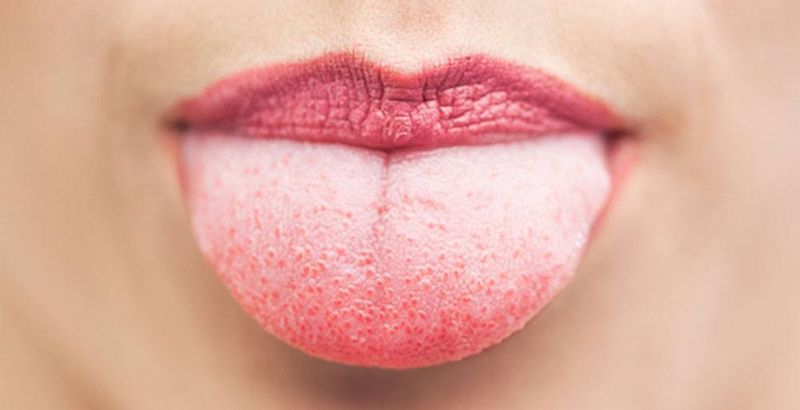
Your tongue is basically a biological conveyor belt, constantly refreshing itself every couple of weeks.
Taste buds don't hang about forever – they die off and get replaced by shiny new ones throughout your life.
This turnover process means you're essentially getting a fresh palate regularly, though the quality and quantity of these replacements shift as you age.
When you're young, regeneration happens at lightning speed, keeping your taste sharp and sensitive.
As decades pass, the replacement rate slows down a bit, which explains why Grandma might need more seasoning on her shepherd's pie than you do.
2. Hormonal Changes Influence Taste

Pregnancy cravings for pickled onion crisps at 3am aren't just folklore – hormones genuinely mess with your flavour radar.
Oestrogen, testosterone, and other chemical messengers directly impact how taste receptors function and communicate with your brain.
Women often notice their palate shifting during monthly cycles, pregnancy, or menopause, suddenly craving foods they'd normally avoid or finding favourite treats utterly unappealing.
Blokes experience this too, particularly as testosterone levels naturally decline with age.
These hormonal wobbles can make that Marmite on toast taste completely different from one year to the next.
3. Lifestyle Habits Reshape Sensitivity

Fancy a revelation? Your Saturday night curry habit might actually be training your palate to handle more heat.
Regular exposure to intense flavours – whether spicy vindaloo, strong Cheddar, or bitter coffee – gradually desensitises your taste receptors.
Smoking is particularly notorious for dulling taste sensitivity, coating receptors in a film that mutes flavours across the board.
Even your stress levels play a role, with chronic tension potentially dampening flavour perception over time.
4. Your Brain Rewires Preferences
Remember gagging at olives as a child but now demolishing them on your Tesco pizza?
That's your brain doing a complete U-turn on what counts as delicious.
Neuroplasticity – your brain's ability to form new connections – means taste preferences aren't set in stone.
Repeated exposure to foods gradually rewires neural pathways, transforming former enemies into allies.
This is why nutritionists suggest trying disliked foods multiple times before writing them off completely.
Your brain might eventually decide that rocket salad or blue Stilton deserves a spot on your favourites list after all.
5. Aging Reduces Taste Receptor Count
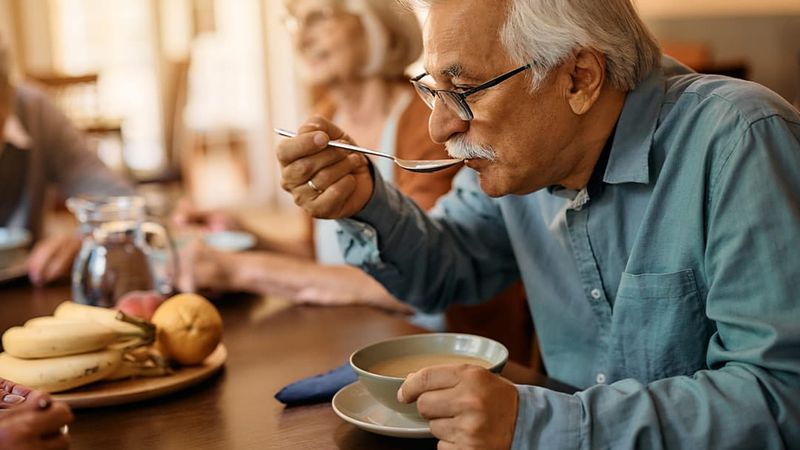
Getting older comes with some proper perks, but unfortunately, a super-sensitive palate isn't one of them.
From around age 50 onwards, the number of functioning taste buds begins declining noticeably.
You're born with roughly 10,000 taste buds, but this number gradually shrinks as decades tick by.
This natural reduction explains why older relatives often reach for the salt cellar more frequently or prefer stronger-flavoured foods like aged Cheddar or well-seasoned Lancashire hotpot.
Foods that once tasted vibrant may seem disappointingly bland without that youthful abundance of receptors working overtime.
6. Medications Can Alter Flavour Perception
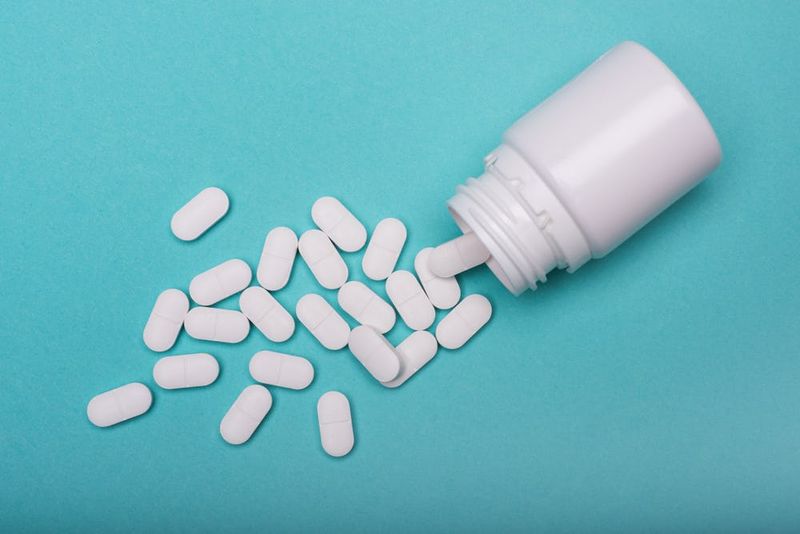
Popping pills for blood pressure or antibiotics might explain why your morning tea suddenly tastes like dishwater.
Hundreds of common medications interfere with taste perception, leaving metallic, bitter, or just plain weird flavours lingering in your mouth.
Antidepressants, antihistamines, and even some vitamin supplements are notorious culprits.
If your favourite Hobnobs suddenly taste off after starting new medication, it's worth mentioning to your doctor rather than blaming the biscuit tin.
7. Your Sense Of Smell Affects Taste
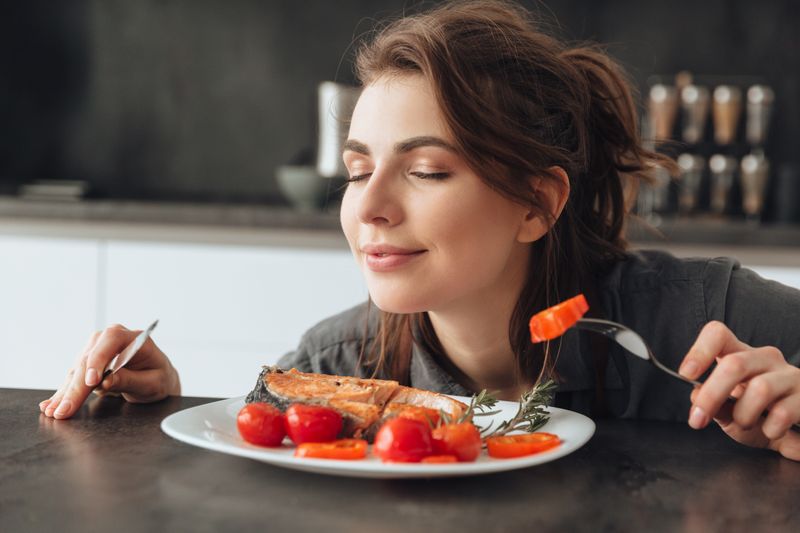
Ever notice how food tastes like cardboard when you've got a stinking cold?
That's because roughly 80% of what you perceive as taste actually comes from your nose, not your tongue.
Aroma molecules travel up the back of your throat to olfactory receptors, creating the complex flavour experience you associate with your favourite fish and chips or Sunday roast.
As your sense of smell naturally declines with age or gets temporarily blocked by illness, foods lose their nuanced flavours.
That Marks & Spencer trifle won't taste nearly as glorious when your nose is completely stuffed up.
8. Exposure To New Foods Expands Your Palate
Sticking to plain chicken and chips your whole life means you're missing out on proper palate development.
Trying new flavours – whether Korean kimchi from Waitrose or proper Cornish yarg cheese – actually trains your taste buds to appreciate broader flavour profiles.
Each novel food experience creates new reference points in your brain's flavour library.
This adventurous eating literally expands your ability to detect and enjoy subtle taste differences.
The more varied your diet, the more sophisticated your palate becomes, transforming you from a fussy eater into someone who genuinely appreciates everything from tangy sourdough to pungent blue cheese.