








Butter has a way of turning ordinary food into something special.
A little pat melting on warm toast or swirling through a hot pan can transform flavour and texture in an instant.
There’s a reason cooks swear by it - butter simply makes everything taste richer, smoother, and more satisfying.
All information is provided for general interest and reflects commonly accepted culinary knowledge, photos are for illustrative purposes only.
Butter Is A Natural Flavour Carrier
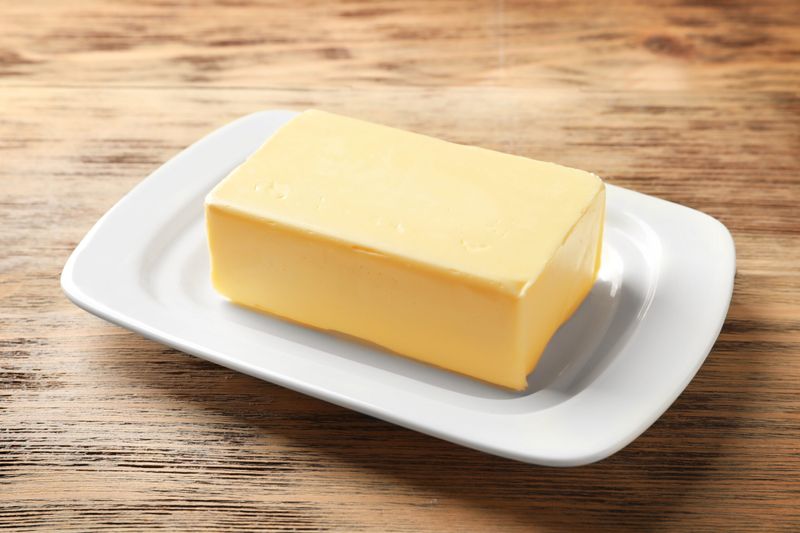
Butter is mostly milk fat, and fat is excellent at dissolving and holding aromatic compounds from herbs, spices, and browned foods.
Those aromas then release slowly as you eat, so flavours feel fuller and last longer.
Because butter melts just below body temperature, it coats your tongue precisely when you start chewing, which helps more flavour molecules reach your taste receptors.
A tiny amount can lift pan juices, herbs, and pepper into a balanced sauce without masking anything.
Salted butter adds a small seasoning boost that heightens sweetness and savoury notes.
The result is not a new taste, but more of the tastes already in the dish.
Browning Milk Solids Creates New Aromas
When you gently cook butter until it turns golden and smells nutty, the milk solids in it brown.
That browning creates new flavour compounds that many people describe as toasty, biscuity, and slightly caramel like.
Stirring browned butter into vegetables, pasta, or baked goods adds depth you cannot get from plain fat. Those tiny browned flecks are where much of the magic lives, so do not strain them out unless a recipe specifically asks.
A squeeze of lemon or a pinch of salt at the end makes those aromas pop even more.
Used on simple ingredients, it makes them taste far more complex.
It Gives Food A Silky Mouthfeel
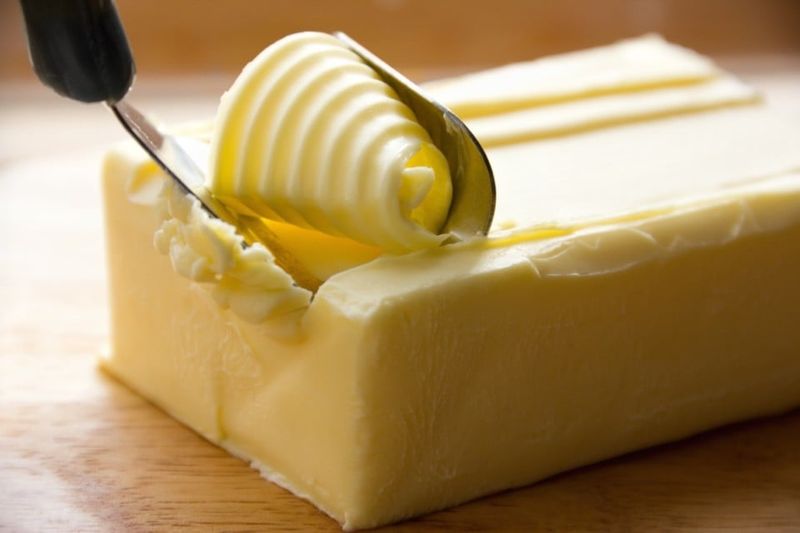
Because it is solid when chilled and fluid when warm, it melts across the palate and smooths out rough edges in sauces, soups, and pan juices.
That silky coating helps flavours linger and feel rounded rather than sharp.
Finishing a sauce with a small cube whisked in off the heat gives shine and a luxurious feel without making it greasy.
The same trick helps a quick pan sauce cling to meat or veg instead of sliding off.
It is a tiny step with a big payoff at the table.
Butter Supercharges Browning In The Pan
Those milk solids do more than taste good, they also help food colour faster.
A little butter with your neutral oil encourages golden edges on mushrooms, fish, or eggs.
Browning means new flavour compounds, and new flavour compounds mean tastier dinners.
Keep the heat moderate so the butter does not scorch, or mix butter with oil to raise the cooking tolerance.
Baste gently and you will carry the aromatic browned fat over the surface of the food.
Baking Loves Butter For Structure And Flake
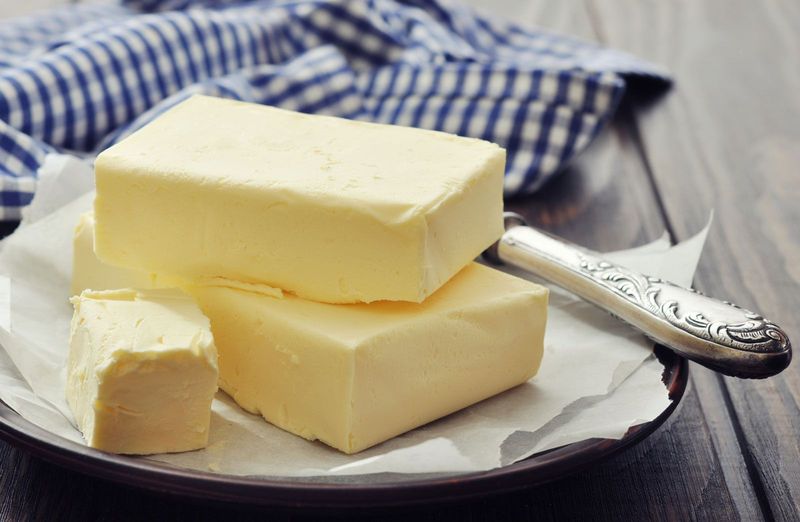
In cakes, creaming butter with sugar traps tiny bubbles of air that help the batter rise evenly.
In pastries and scones, cold butter leaves little pockets that turn to steam in the oven, giving tenderness and flake.
Shortbread relies on butter for its crumbly snap and clean flavour.
Because butter carries flavour so well, vanilla, citrus zest, and spices taste more vivid in a butter rich dough.
Chilling dough keeps the butter firm so layers stay defined during baking, the technique is simple, the texture is unmistakable.
Emulsions And Sauces Behave Better With Butter
Butter contains a small amount of natural emulsifiers from milk, which helps water and fat hold together.
That is why a knob whisked into pan juices creates a glossy sauce that clings.
Classic emulsified sauces rely on butter for body and shine, and even a quick water and butter emulsion can keep a delicate sauce stable long enough to serve.
Add it off the heat and keep whisking so the sauce stays smooth.
Season lightly at the end to avoid breaking the emulsion.
A clean, satiny finish makes everything on the plate taste more complete.
Cultured And Salted Butter Add Character
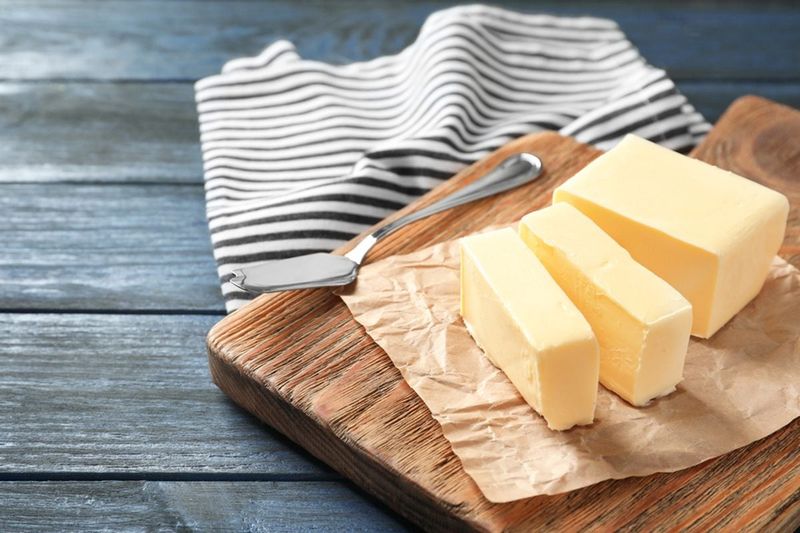
Cultured butter is made with live cultures that produce tangy, buttery aromas often linked with bakery notes you might describe as slightly cheesy or yoghurty.
That extra complexity can make simple bread, steamed veg, or new potatoes taste special.
Salted butter brings gentle seasoning that enhances sweetness in corn, tomatoes, and shellfish.
Choosing the right butter for the job is a small decision that changes the whole dish.
It is an easy way to add nuance without extra effort.