



There was a time when Christmas tables across Britain looked very different from the ones we know today.
Aromas of roasted goose, rich puddings, and spiced punch filled kitchens, marking the season with flavours steeped in history.
Some of these dishes have quietly faded from modern menus, but their stories still capture the warmth and charm of a truly traditional Christmas.
All information is provided for general interest and may not reflect regional variations or modern adaptations.
1. Roast Goose
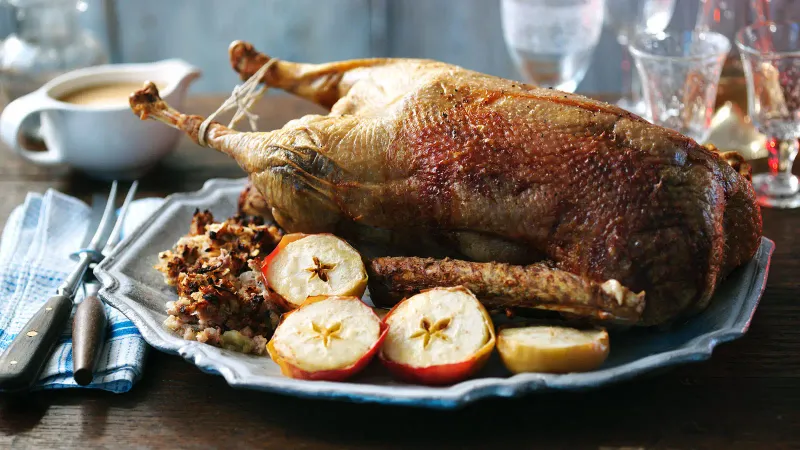
Before turkey claimed the throne, roast goose ruled British Christmas tables for centuries.
Families saved all year to afford this prized bird, which symbolised prosperity and celebration.
The rich, fatty meat required careful roasting to achieve perfectly crispy skin.
Goose grease was treasured for cooking and even medicinal purposes throughout winter.
Though turkey eventually won out due to its larger size and milder flavour, goose remains a nostalgic choice for traditionalists.
2. Figgy Pudding
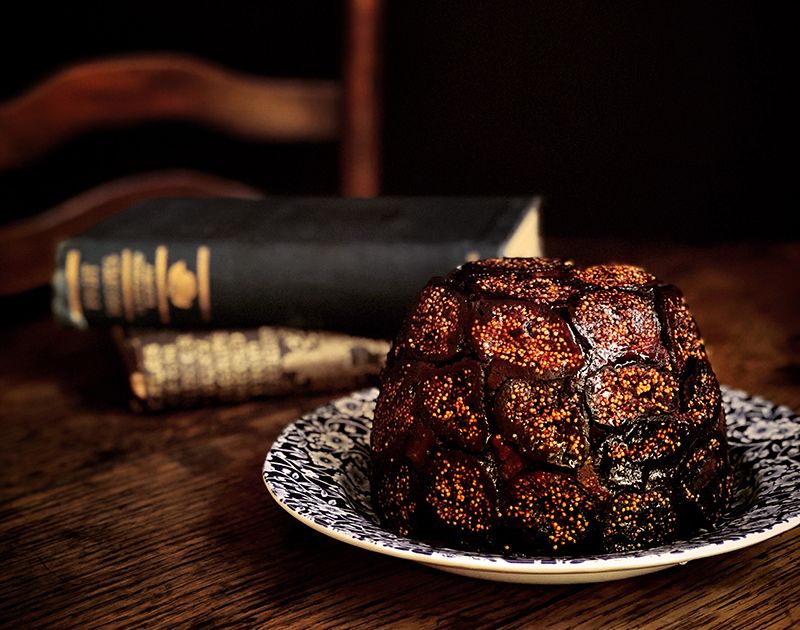
Carollers once demanded this mysterious dessert at your doorstep, but what exactly is figgy pudding?
This dense, steamed pudding packed with figs, suet, and spices dates back to medieval England.
Unlike modern Christmas pudding, the fig-heavy version had a distinct texture and sweetness.
Preparation began weeks in advance, allowing flavours to mature beautifully.
The tradition faded as recipes evolved, but the famous carol keeps its memory alive in British Christmas culture.
3. Mince Pie With Suet Crust
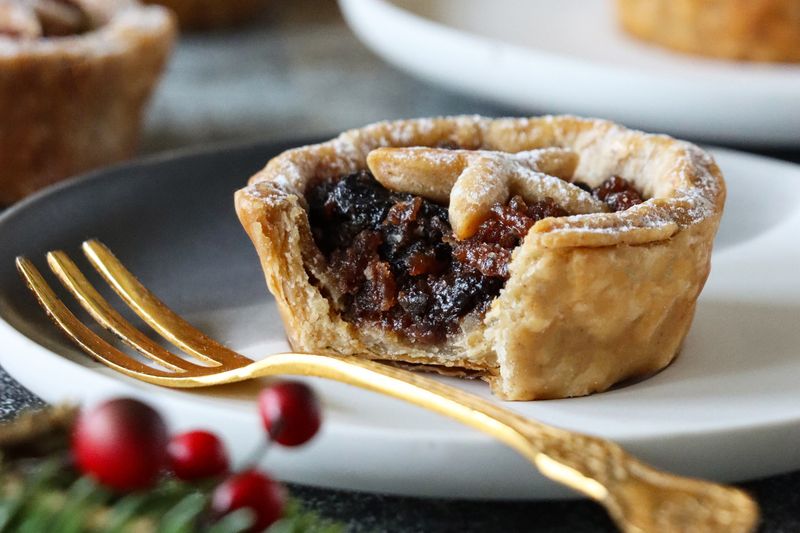
Mince pies still appear at Christmas, but their original suet-based pastry has largely vanished.
Victorian bakers prized suet for creating exceptionally rich, crumbly crusts that melted in your mouth.
Animal fat gave these pies a savoury depth that modern butter versions lack.
The filling once contained actual minced meat alongside dried fruits and spices.
Today's vegetarian versions would puzzle our ancestors, who valued the hearty, meaty richness of authentic suet pastry.
4. Boiled Christmas Cake
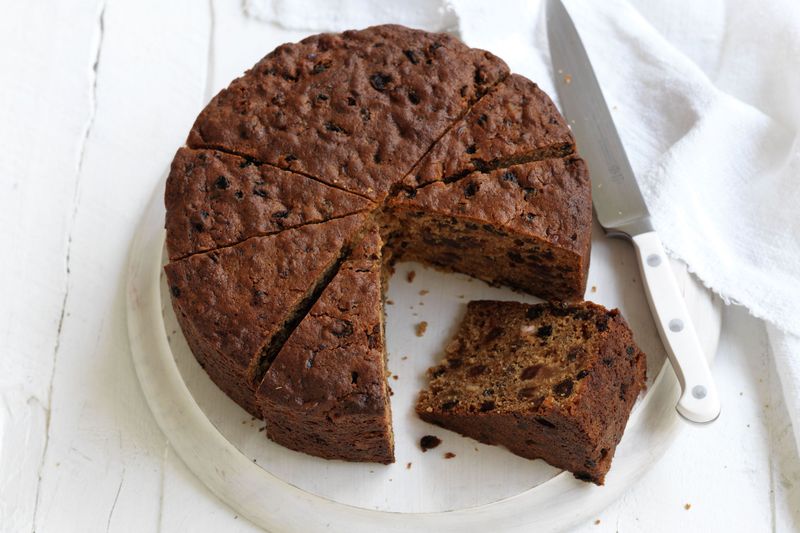
Boiled cakes were essential when many households lacked proper baking facilities.
Cooks mixed dried fruits, spices, and flour, then steamed the batter in cloth pudding bags for hours.
The method produced incredibly moist cakes that kept for months.
As ovens became commonplace, the laborious boiling technique disappeared.
Modern baked versions are drier but easier, explaining why this wonderfully soggy tradition faded from Christmas kitchens across Britain.
5. Chestnut Stuffing
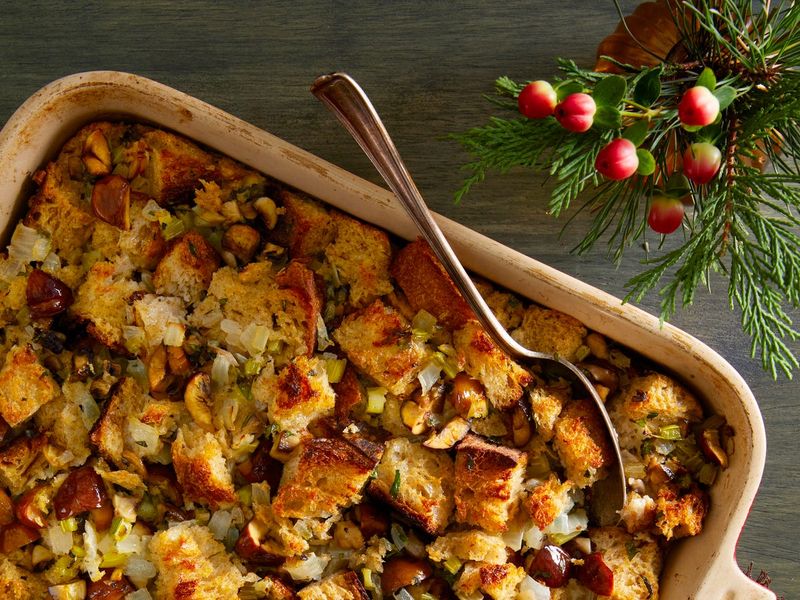
British woodlands once provided Christmas chestnuts in abundance, making this stuffing a seasonal staple.
Cooks roasted, peeled, and chopped chestnuts before mixing them with herbs, breadcrumbs, and butter.
The sweet, earthy flavour complemented roast goose beautifully.
As chestnut trees declined due to disease and imported alternatives became cheaper, this labour-intensive stuffing lost popularity.
Sage and onion varieties took over, though chestnut stuffing occasionally appears as a nostalgic nod to Britain's forested past.
6. Plum Duff
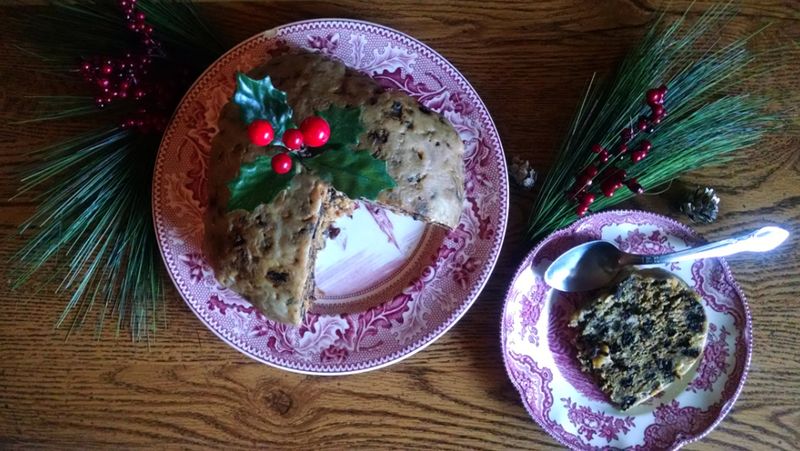
Sailors and working-class families cherished this simpler cousin of Christmas pudding.
Plum duff contained dried plums (actually raisins), flour, suet, and minimal spices, making it affordable for ordinary households.
The pudding was boiled in cloth bags aboard ships and in humble kitchens across Britain.
Wealthier families preferred fancier puddings with exotic ingredients.
As living standards rose, plum duff's plain reputation caused it to disappear, remembered now mainly through naval history and folk songs.
7. Bread Sauce
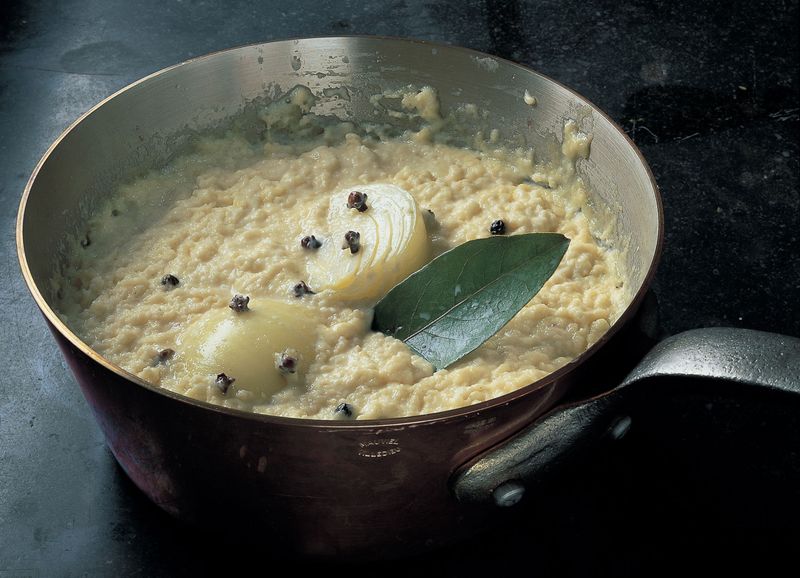
This peculiar sauce puzzles modern diners, but Victorians considered it essential alongside roast poultry. Cooks simmered milk with onion, cloves, and breadcrumbs until thick and creamy.
The result was comforting and surprisingly delicious, though admittedly unusual looking.
Bread sauce utilized stale bread efficiently, reflecting practical Victorian kitchen values.
As gravy became the preferred accompaniment and convenience products dominated, this labour-intensive sauce quietly disappeared.
Few young Britons today have even tasted this once-ubiquitous Christmas staple that graced every festive table.
8. Spiced Beef Roast
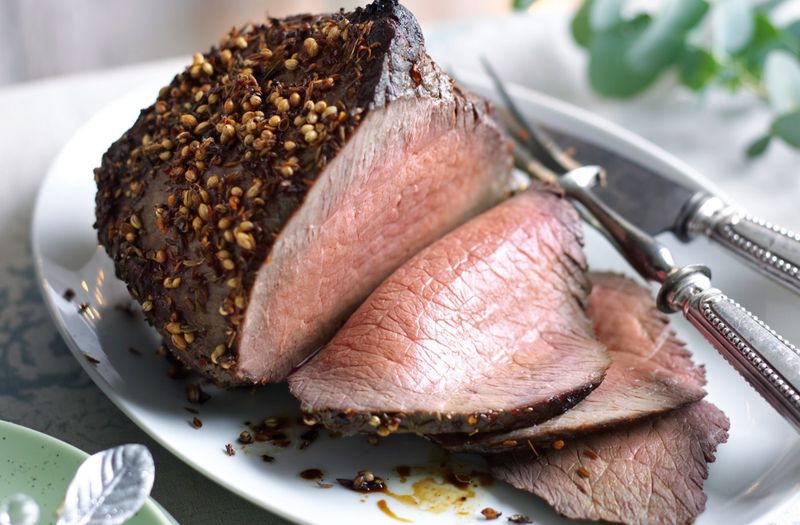
Irish and British families once prepared this spectacular centrepiece weeks before Christmas.
Beef joints were rubbed with salt, brown sugar, and warming spices, then left to cure in cool pantries.
The lengthy preparation created incredibly flavourful, tender meat with a distinctive spiced crust.
Slow roasting on Christmas Day filled homes with mouthwatering aromas.
As refrigeration reduced the need for preservation techniques and turkey became fashionable, this time-honoured tradition faded, taking its complex, aromatic flavours with it.