








Fibre might not be the flashiest part of your diet, but your body definitely knows when it’s missing.
Many Brits fall short of the daily recommendation, and the effects can quietly build up over time – from sluggish digestion to dips in energy and mood.
Getting enough fibre isn’t just about keeping things moving; it plays a big role in balancing blood sugar, supporting gut health, and helping you feel your best every day.
This content is for general informational purposes only; it should not be taken as medical or dietary advice.
Always consult a qualified healthcare professional or nutritionist before making significant changes to your diet.
Photos are for illustrative purposes only.
1. Constipation Becomes A Frequent Issue

Ever wondered why your trips to the loo feel like a chore?
Without enough fibre, your digestive system basically slows to a crawl.
Fibre adds bulk to your stool and helps everything move along smoothly through your intestines.
When you're not getting enough, waste sits around longer than it should, becoming harder and more difficult to pass.
Nutritionists recommend around 30g of fibre daily for adults, yet most of us barely scrape 18g.
Loading up on wholemeal bread, porridge, and plenty of veg can make all the difference to keeping things regular and comfortable.
2. Bloating Starts Showing Up More Often

Feeling like you've swallowed a balloon after meals? That uncomfortable, tight sensation around your middle might be down to a lack of fibre messing with your gut.
Fibre feeds the good bacteria in your digestive system, and when they're starving, things get out of balance. Gas builds up, digestion slows down, and you end up feeling puffy and sluggish.
Ironically, adding fibre back in gradually can help reduce bloating over time. Try introducing more lentils, beans, or a handful of berries into your meals, but do it slowly to let your gut adjust properly.
3. Blood Sugar Spikes Become More Pronounced

Picture this: you polish off a sandwich and feel brilliant for half an hour, then suddenly crash hard and crave something sugary.
That rollercoaster ride is partly because fibre helps slow down how quickly sugar enters your bloodstream.
Without enough of it, carbs get absorbed too fast, sending your glucose levels soaring before they plummet again.
This can leave you feeling jittery, tired, and constantly reaching for snacks.
Swapping white bread for seeded varieties or adding chickpeas to your salad can smooth out those peaks and valleys, keeping your energy steadier throughout the day.
4. Hunger Returns Faster After Meals

You know that mate who's always rummaging through the cupboards an hour after dinner?
They might just be missing out on fibre.
High fibre foods take longer to digest, which means they keep you feeling full and satisfied for ages.
When your diet's lacking, meals pass through quickly, leaving your stomach growling well before your next scheduled eating time.
This often leads to snacking on less nutritious options and consuming more calories overall.
Adding a jacket potato with the skin on, or a bowl of vegetable soup, can help stretch that satisfied feeling much longer between meals.
5. LDL (Bad) Cholesterol May Increase

Cholesterol gets a bad rap, but the real villain is when your LDL levels creep up unchecked.
Soluble fibre, found in foods like oats and beans, actually binds to cholesterol in your digestive system and helps escort it out of your body before it causes trouble.
Skip the fibre, and your body has a harder time managing cholesterol levels naturally.
Over time, this can contribute to heart health concerns that nobody wants to deal with.
A daily bowl of porridge or some barley in your stew can be a simple, tasty way to support healthier cholesterol numbers.
6. Losing Weight Becomes More Difficult

Trying to shift a few pounds without enough fibre is like cycling uphill with the brakes on.
Fibre-rich foods are naturally more filling, meaning you're less likely to overeat or reach for that second biscuit after lunch.
They also tend to be lower in calories while taking up more space in your stomach, which is brilliant for portion control.
When your diet lacks fibre, you might find yourself constantly hungry and struggling to stick to any eating plan.
Incorporating more vegetables, fruit, and whole grains can make weight management feel far less like a battle and more like a natural process.
7. Your Gut Microbiome Loses Diversity
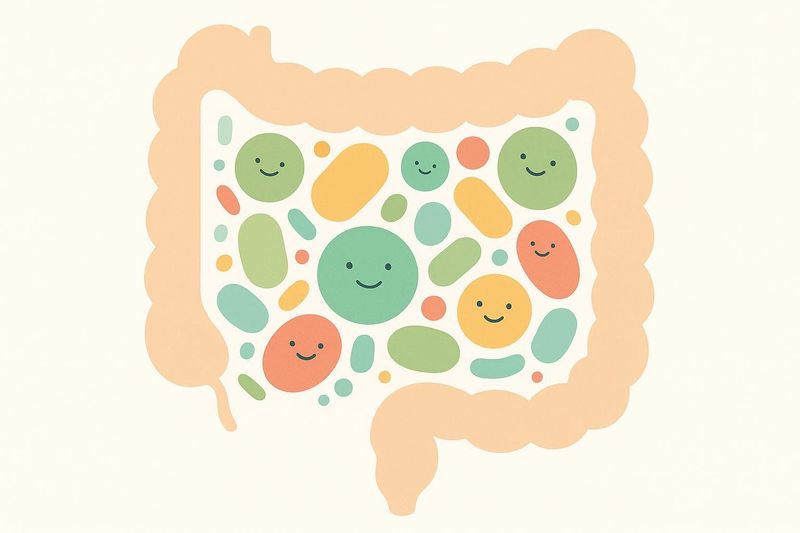
Your gut is home to trillions of tiny organisms that do everything from boosting your immune system to affecting your mood.
These little helpers thrive on fibre, using it as their main food source to grow and multiply.
When fibre runs short, the diversity of your gut bacteria starts to dwindle, and that can have knock-on effects throughout your entire body.
A less varied microbiome has been linked to digestive issues, weakened immunity, and even mental health struggles.
Eating a rainbow of fibrous foods like apples, carrots, and lentils helps keep your gut community thriving and diverse.
8. The Risk Of Hemorrhoids Rises

Nobody wants to chat about piles, but they're surprisingly common when fibre intake drops too low.
Straining during bowel movements puts extra pressure on the veins around your bottom, and over time, this can lead to swollen, painful hemorrhoids.
Fibre prevents this by keeping stools soft and easy to pass, so there's no need for all that pushing and straining.
Once hemorrhoids develop, they can be incredibly uncomfortable and take ages to heal properly.
Keeping your fibre intake up with plenty of fruit, veg, and wholegrains is one of the simplest ways to avoid this painful problem altogether.
9. Inflammation Levels May Rise

Often hidden beneath the surface, inflammation can silently affect your health.
Without enough fibre, your body's inflammatory responses may intensify, potentially leading to chronic conditions.
Fibre plays a crucial role in feeding beneficial gut bacteria.
These bacteria produce anti-inflammatory compounds that help regulate the body's immune response.
Moreover, a low-fibre diet can lead to the dominance of harmful bacteria, exacerbating inflammation.
This imbalance may not always be visible immediately but can contribute to joint pain and fatigue over time.