





There’s something about winter that makes us crave desserts dusted with cinnamon, nutmeg, and ginger. These cosy spices don’t just add flavour – they bring warmth, nostalgia, and a sense of comfort that feels tailor-made for cold nights.
Rooted in centuries of tradition, they’ve become the heart of seasonal baking, turning simple puddings and pies into proper festive favourites.
This content is for general informational purposes only. Individual taste preferences, spice blends, and results may vary. Photos are for illustrative purposes only.
The Ancient Origins Of Spiced Sweets

Long before your nan was baking Christmas pudding, ancient civilisations were already mixing spices into their sweet treats.
Romans would grind up pepper and cinnamon to preserve fruit and add depth to honey cakes, whilst medieval cooks believed spices could balance the body's humours during chilly months.
When wealthy Britons got their hands on these exotic imports, they'd show off by loading their festive bakes with as much spice as they could afford, a tradition that stuck around long after spices became more affordable.
How Cinnamon Became The Flavour Of Winter
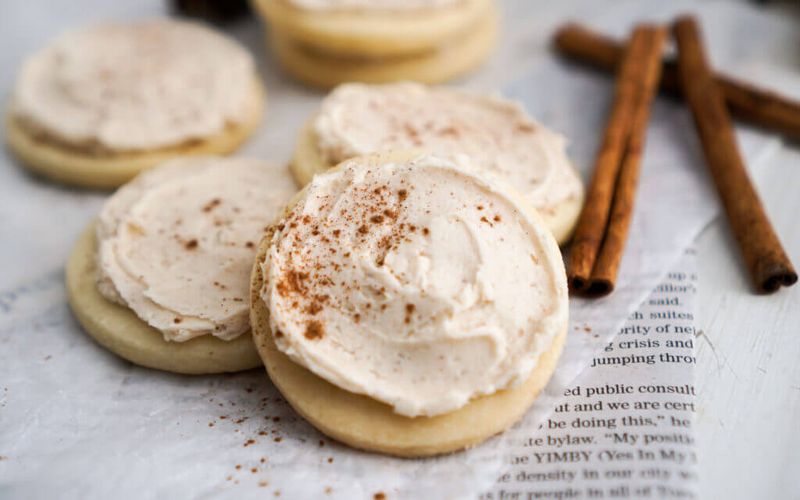
Ever noticed how a whiff of cinnamon instantly makes you think of Christmas markets and cosy nights in? That's no accident. Cinnamon's warm, sweet aroma triggers memories and creates a sense of comfort that's perfect for the colder months.
British bakers latched onto cinnamon centuries ago when it arrived via spice traders. It paired brilliantly with apples, a fruit that's harvested in autumn and stored through winter.
From apple crumbles to cinnamon buns at your local bakery, this spice became synonymous with British winter puddings and hasn't looked back since.
Nutmeg's Journey From Luxury To Kitchen Staple
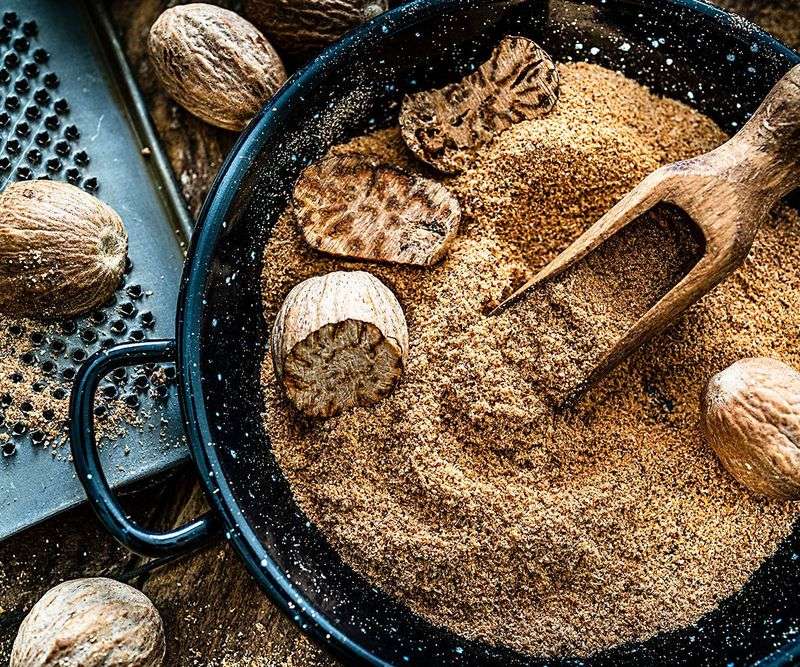
Nutmeg was once so precious that wars were fought over it. Seriously. The tiny Banda Islands were the only place it grew, and European powers battled for control of the trade.
By the Georgian era, wealthy Brits would carry personal nutmeg graters to show off their access to this exotic treasure.
Today, you'll find nutmeg in every supermarket spice aisle, but it still holds pride of place in traditional British winter bakes.
A grating over custard tarts or stirred into bread and butter pudding gives that subtle warmth that makes cold evenings feel a bit more bearable.
The Warming Science Behind Spices
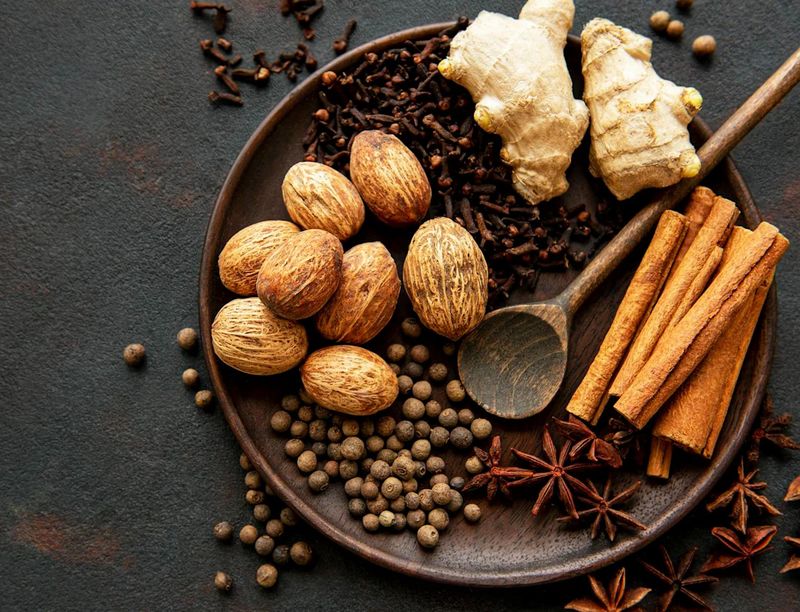
There's actual science behind why spices make you feel warmer. Compounds like capsaicin in ginger and piperine in black pepper increase blood circulation and slightly raise your body temperature.
Nutritionists confirm that whilst they won't replace your central heating, spices do create a genuine warming sensation from the inside out.
This biological response explains why cultures in colder climates have always gravitated towards spiced foods during winter.
Your body recognises that hit of ginger in a parkin or cloves in mulled cider as something that'll help you feel cosier when the wind's howling outside.
Why Spices Pair So Well With Rich Desserts
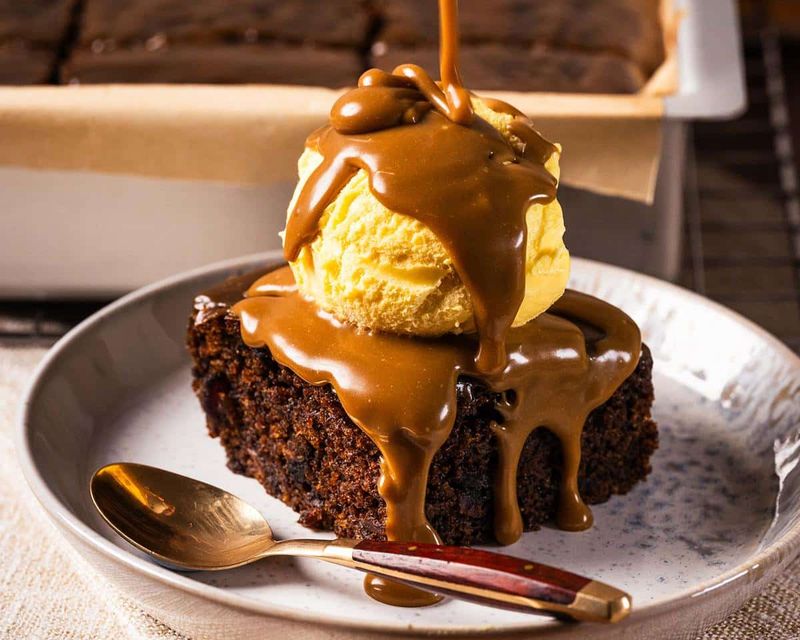
Rich, heavy desserts can feel a bit much on their own, especially after a big Sunday roast. That's where spices come in as the perfect counterbalance. Ginger cuts through the richness of treacle tart, whilst cardamom lifts a dense rice pudding without overwhelming it.
British winter puddings tend to be packed with butter, cream, and dried fruit, making them proper comfort food. Adding spices creates complexity and stops them from feeling too cloying.
It's why your Christmas cake needs that blend of mixed spice, and why sticky toffee pudding benefits from a hint of cinnamon in the sauce.
The Role Of Trade Routes In Britain's Love Of Spice
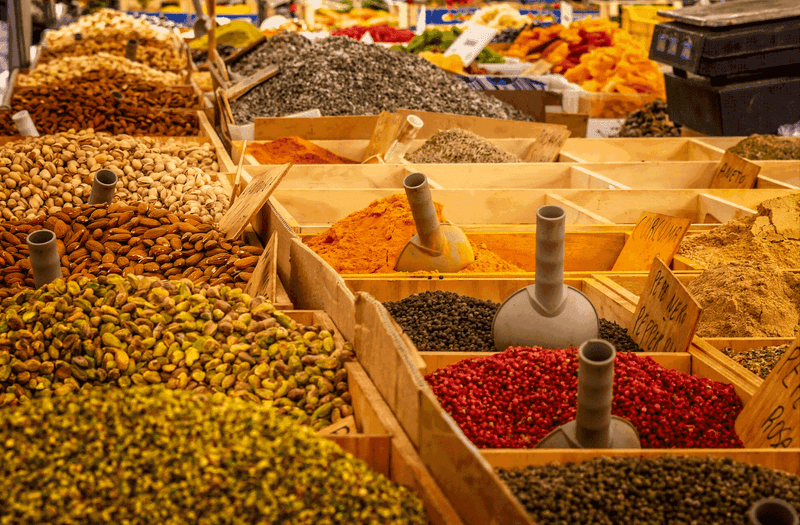
Britain's obsession with spiced desserts owes a lot to our maritime history. When ships returned from the East Indies loaded with cinnamon, cloves, and nutmeg, these treasures found their way into the kitchens of merchants and aristocrats who wanted to flaunt their wealth and worldly connections.
Port cities like Bristol and Liverpool became spice hubs, and soon recipes trickled down through social classes.
By the Victorian era, even working families could afford a pinch of mixed spice for their Christmas baking. Those old trade routes shaped modern British baking in ways we still taste today.
How Holiday Traditions Kept Spiced Baking Alive
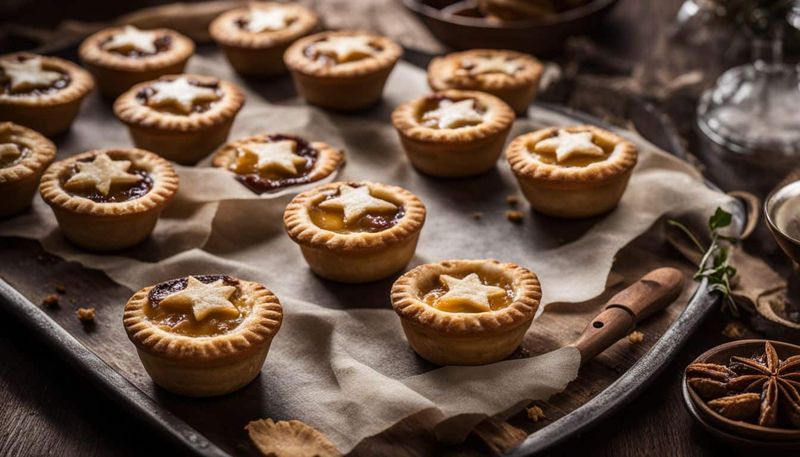
Christmas wouldn't be Christmas without mince pies, gingerbread, and spiced biscuits. These traditions have kept spiced baking relevant for generations, even as food trends come and go. Families pass down recipes that call for specific spice blends, creating an unbroken link to the past.
Regional variations add even more character. Yorkshire parkin uses ginger and treacle, whilst Scottish black bun is packed with cinnamon and allspice.
These festive bakes aren't just desserts, they're edible history that reminds us why winter and spices are such natural companions in British culture.
Modern Twists On Classic Spiced Treats
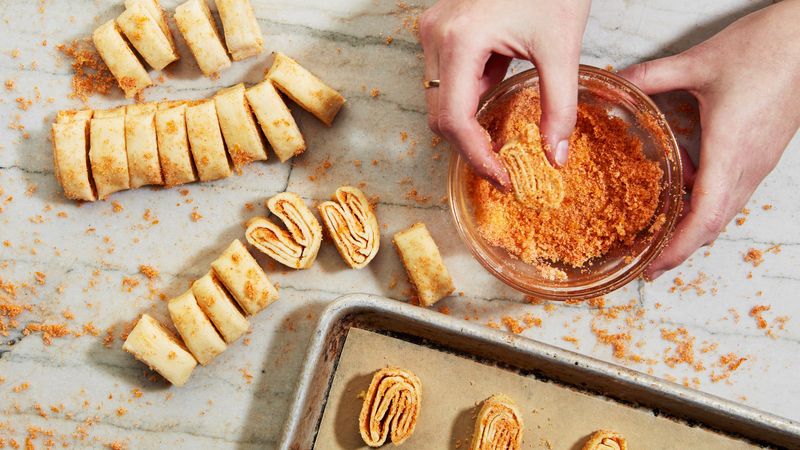
Whilst traditional recipes still reign supreme, modern British bakers are getting creative with spices.
Cardamom is showing up in doughnuts at trendy London bakeries, and chai spice blends are making their way into cheesecakes and brownies. High street chains like Greggs and Pret have jumped on board with seasonal spiced offerings that fly off the shelves.
Supermarkets now stock everything from ginger stem for home baking to ready-made spice mixes that make it dead easy to add warmth to your winter puds. The classics aren't going anywhere, but there's room for innovation too.