








There’s a bit of winter magic happening in the garden once the frost rolls in. Some vegetables don’t just survive the cold – they actually thrive in it.
When temperatures drop, these hardy plants transform their starches into natural sugars, giving them a sweeter, richer flavour that’s hard to beat. From carrots to kale, these winter wonders prove that a little chill can make all the difference.
This content is for general informational purposes only. Flavour and growing results may vary depending on climate, soil, and storage conditions.
1. Brussels Sprouts
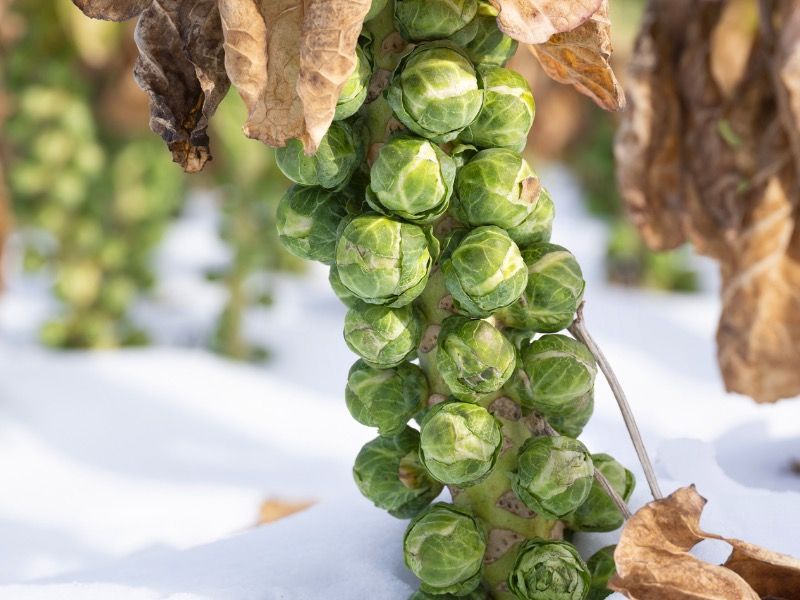
Frost works absolute magic on these little green spheres. Before a proper cold spell, they can taste bitter and a bit sulphurous, which explains why generations of British kids refused to eat them.
Once temperatures drop below freezing, though, the plant converts starches into sugars to prevent ice damage. The result is a noticeably sweeter, nuttier flavour that makes them genuinely tasty.
Most supermarkets now sell them on the stalk during winter, and they're brilliant roasted with a bit of butter and seasoning.
2. Carrots
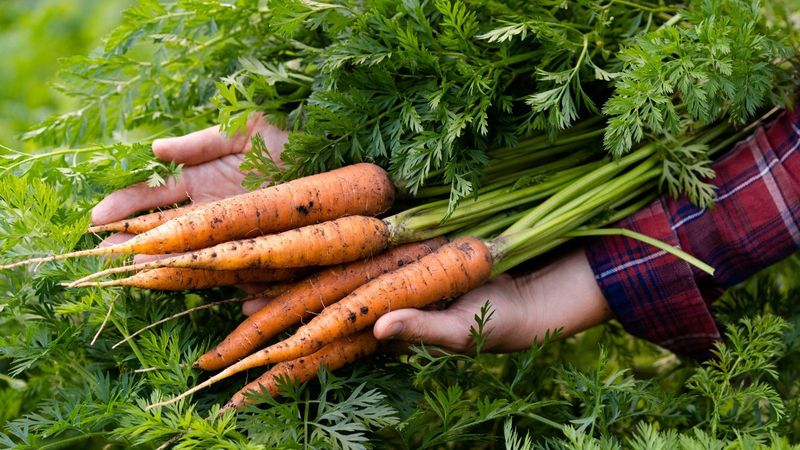
You might think carrots are sweet year-round, but winter ones are something else entirely. Cold weather triggers the same sugar-producing response, making them taste almost candy-like compared to their summer counterparts.
British growers have known this for ages, which is why traditional varieties like Chantenay are left in the ground through winter. The frost concentrates their natural sweetness beautifully.
They're perfect for roasting or adding to hearty winter stews where their enhanced flavour really shines through.
3. Kale
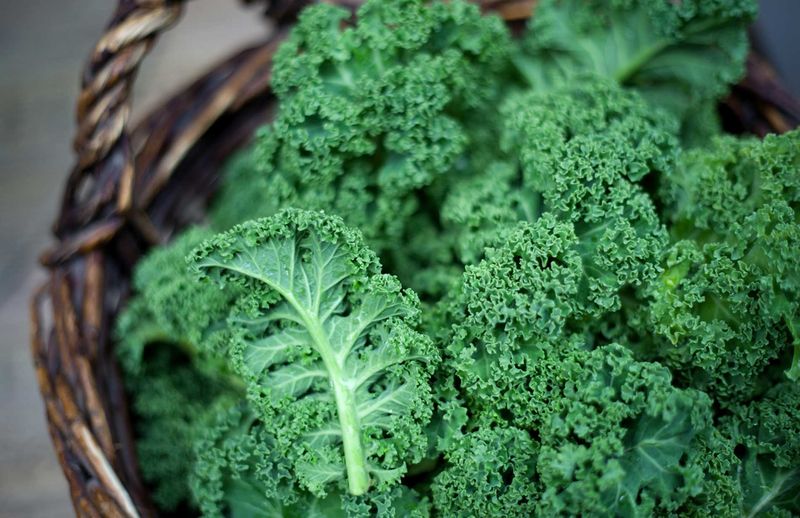
This trendy superfood actually tastes far better after it's been properly chilled. Without frost, kale can be tough and slightly bitter, requiring a good massage or long cooking to make it palatable.
A few hard frosts soften the leaves and mellow out that harsh flavour significantly. The sugars that develop make it sweet enough to eat raw in salads.
Cavolo nero, the Italian variety popular in British veg boxes, is particularly good after frost and features in loads of traditional winter recipes across the UK.
4. Parsnips
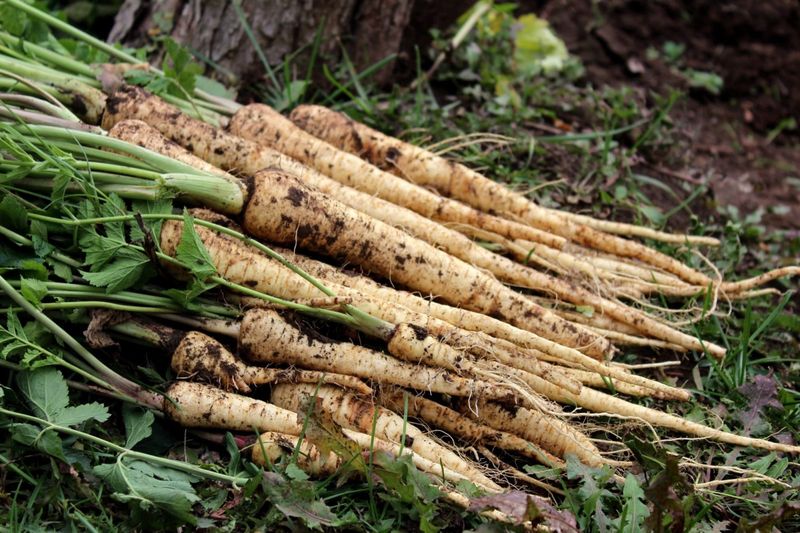
There's a reason traditional Christmas dinner includes parsnips, and it's not just nostalgia. These pale roots are genuinely unpleasant before frost, tasting woody and bland with an odd earthiness that's hard to shift.
Cold weather transforms them completely, bringing out a honeyed sweetness that makes them perfect for roasting. Many British gardeners won't harvest them until after several hard frosts.
They're brilliant alongside your Sunday roast or mashed with butter for something a bit different from standard spuds.
5. Cabbage
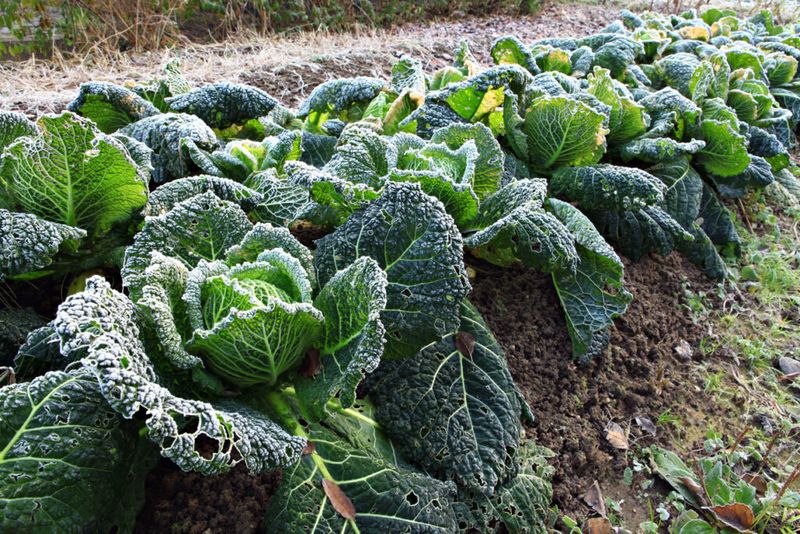
Savoy cabbage, with its crinkled leaves, is the variety that benefits most from freezing temperatures. Before frost, cabbage can taste quite strong and slightly sulphurous, making it less appealing for fresh eating.
After a good freeze, the flavour mellows beautifully and develops a subtle sweetness. This makes it perfect for traditional British dishes like bubble and squeak or colcannon.
Look for frost-kissed Savoy at farmers' markets or grow your own – it's remarkably hardy and can survive temperatures well below freezing without any protection.
6. Turnips
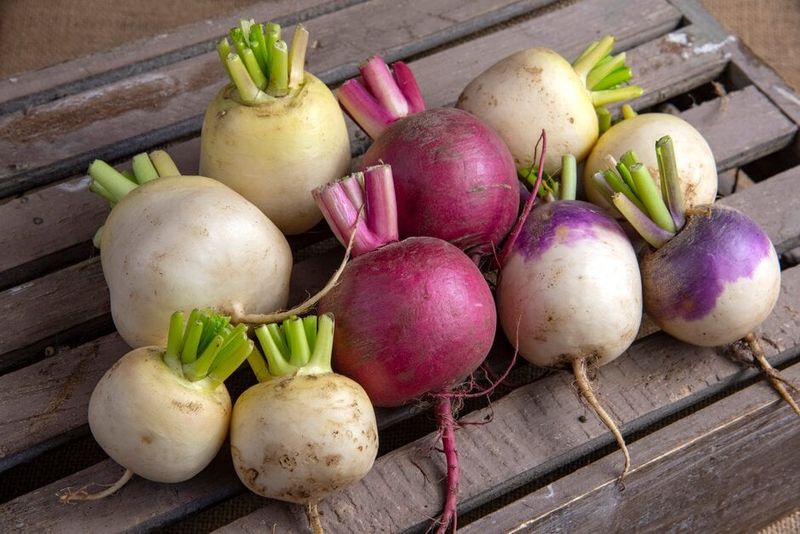
Often overlooked in modern British cooking, turnips were once a staple winter vegetable for good reason. They're quite peppery and sharp when harvested in mild weather, which puts many people off trying them.
Frost softens that bite considerably and brings out a pleasant sweetness that works brilliantly in stews and mashes. Scottish cooks have long known this, using them in traditional neeps and tatties.
Baby turnips are particularly good after frost and can be roasted whole for a simple but tasty side dish.
7. Leeks
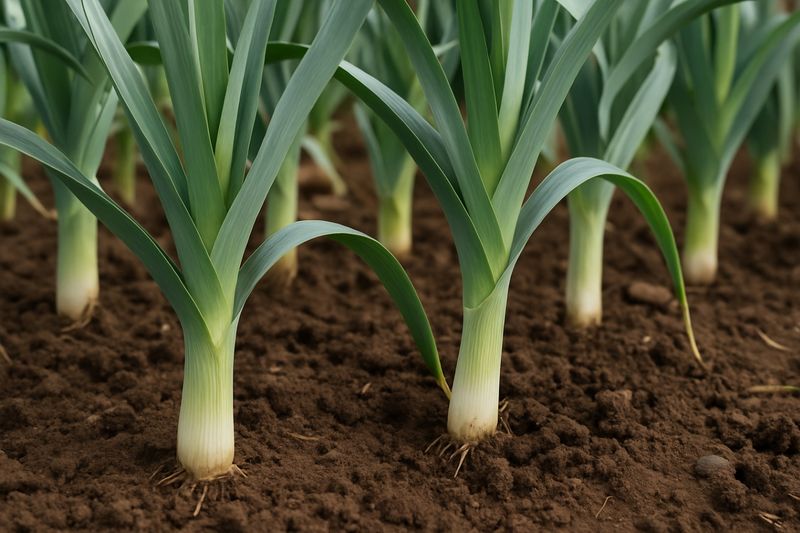
These members of the onion family are incredibly hardy and actually improve with cold weather. Summer leeks can be quite strong and oniony, sometimes even harsh, which limits how you can use them in cooking.
Winter leeks, especially those that have weathered frost, become much milder and sweeter. This makes them perfect for classic British dishes like leek and potato soup or as a gentle flavouring in pies.
They're also brilliant simply braised and served as a side – something you'd rarely do with their sharper summer cousins.
8. Swiss Chard
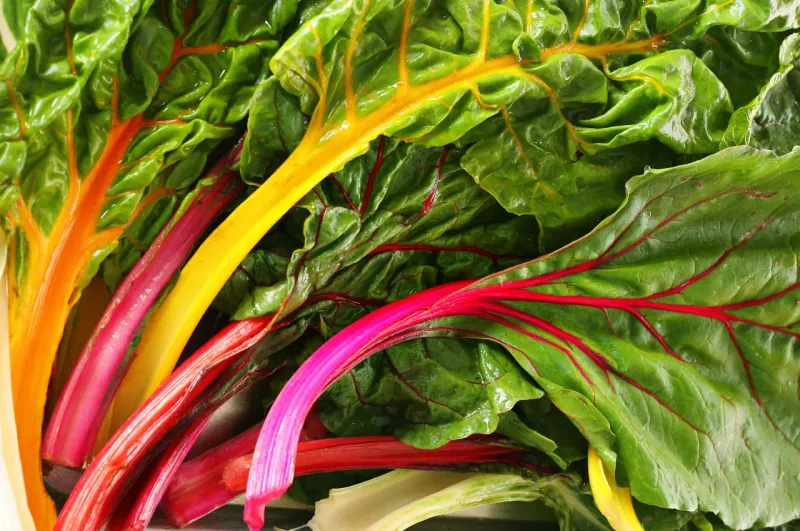
With its rainbow stems and dark leaves, chard is one of the prettiest winter veg around. Before cold weather sets in, it can taste quite earthy and mineral-heavy, similar to beetroot leaves but more intense.
Frost sweetens both the stems and leaves considerably, making them much more versatile in the kitchen. The colourful varieties – with pink, yellow, and orange stems – look stunning in winter veg boxes.
It's brilliant wilted like spinach or chopped into winter pasta dishes where its sweetness balances richer flavours beautifully.