








What you eat first thing in the morning can quietly decide how the rest of your day unfolds. That first meal doesn’t just fill your stomach - it sets the pace for your mood, focus, and energy levels.
So, whether you’re reaching for toast, oats, or just coffee, it might be worth knowing how those choices shape everything that follows.
This content is for general informational purposes only and should not be taken as medical or dietary advice. For personalised nutrition guidance, consult a qualified healthcare or nutrition professional.
Your Breakfast Sets The Tone For Energy Levels
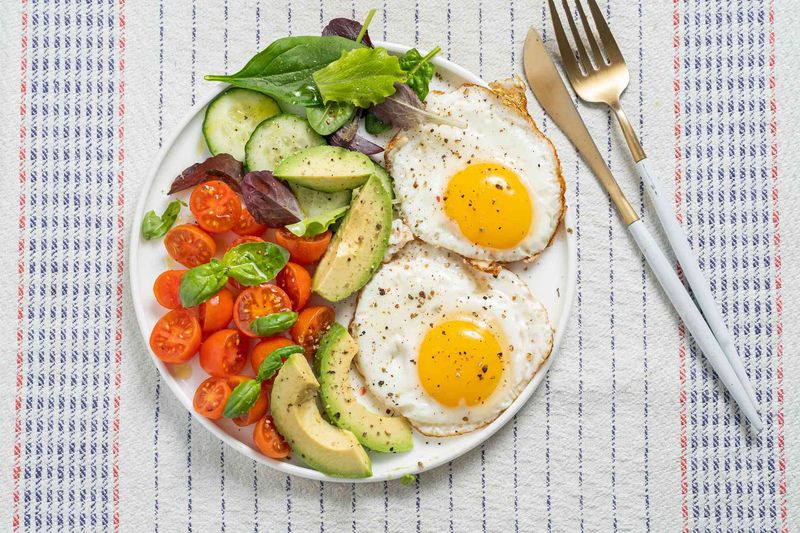
What you eat first thing in the morning has a big say in how energetic you feel later on. A breakfast with a good mix of complex carbs, protein, and healthy fats helps release energy slowly instead of giving you a quick burst that crashes by mid-morning.
Whole grains, eggs, yoghurt, and fruit are great examples of foods that keep you going. Sugary pastries or sweet cereals might taste good at first, but they often leave you sluggish a couple of hours later.
Starting your day with the right fuel really does make a difference in how you power through work or school.
Blood Sugar Balance Affects Mood And Focus
Your brain loves a steady supply of glucose, which comes from the food you eat. Balanced breakfasts - like porridge with fruit and nuts or scrambled eggs on wholegrain toast - help keep blood sugar stable.
When blood sugar spikes and then drops, it can make you irritable or tired, which is why skipping breakfast or eating only sugary foods often leads to mid-morning grumpiness. A steady release of energy means better concentration and a more even mood.
In short, what's on your plate in the morning can really shape how calmly and clearly you think throughout the day.
Protein Helps You Feel Fuller For Longer

Protein isn't just for gym-goers - it's a key part of a satisfying breakfast. Adding eggs, Greek yoghurt, nut butter, or even baked beans helps keep you full and stops those mid-morning snack cravings.
That's because protein slows digestion and keeps hunger hormones balanced. A slice of toast with jam won't hold you for long, but add some protein, and you'll last until lunch without raiding the biscuit tin.
A balanced breakfast makes it easier to make healthier food choices later on too.
Hydration Starts At Breakfast

It's easy to forget that your body goes several hours without water while you sleep. Starting the day with a drink - even before coffee - helps wake up your system.
Water, milk, or even a smoothie can help replace lost fluids and get digestion moving. Dehydration, even mild, can make you feel tired or foggy-headed, so rehydrating early is a small but powerful morning habit.
Pair that first drink with breakfast, and you're already setting yourself up for a better day.
A Good Breakfast Can Improve Long-Term Health Habits
People who regularly eat balanced breakfasts often find it easier to maintain healthy routines overall. Having something nutritious early in the day can stop overeating later and encourage better choices throughout the day.
Studies have linked regular breakfasts with improved heart health and better weight management, though it's still about quality over quantity. It's less about eating early for the sake of it and more about what you eat when you do.
Setting a positive tone in the morning can ripple through every meal that follows.
Breakfast Choices Influence Metabolism
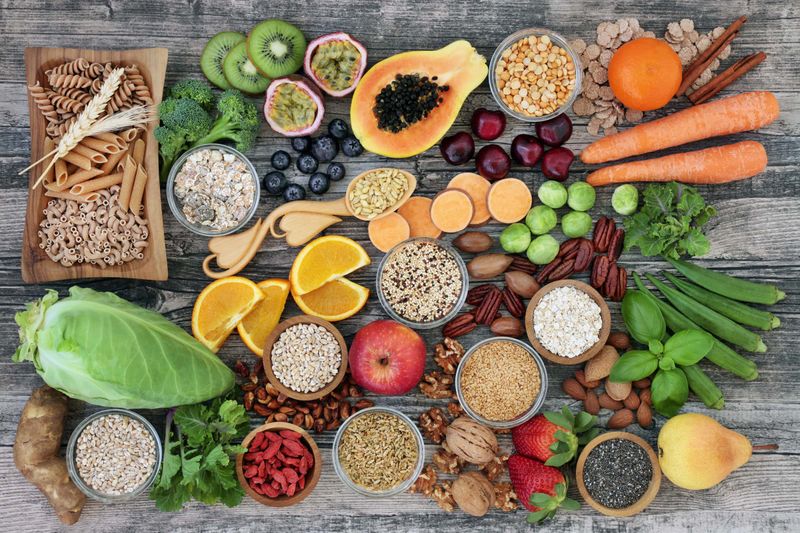
Eating breakfast can give your metabolism a gentle nudge after a night of fasting. It signals to your body that it's time to start converting food into energy again.
Skipping breakfast doesn't automatically slow metabolism for everyone, but for many people, regular morning meals help keep hunger and energy levels stable. Choosing whole foods over processed ones makes a difference too, as they're digested more slowly and provide longer-lasting fuel.
Think of breakfast as your body's green light to get moving.