






When icy winds sweep across Scandinavia and daylight fades early, the Nordic approach to eating proves that winter food can be both comforting and clever. It’s a cuisine rooted in balance – rich yet wholesome, warming yet simple – built on centuries of tradition and shaped by the land itself.
From pickled fish and rye bread to slow-cooked stews and foraged berries, Nordic countries have perfected the art of thriving through long, cold months by turning necessity into delicious ritual.
This article is intended for general interest and cultural insight; it does not offer professional dietary or nutritional guidance. For personalised advice, consult a qualified expert. Photos are for illustrative purposes only.
Why Seasonal Eating Shapes The Nordic Way Of Life
Ever wondered why Nordic folk seem so content despite months of darkness and freezing temps? A big part of the answer lies in their devotion to eating what's actually in season.
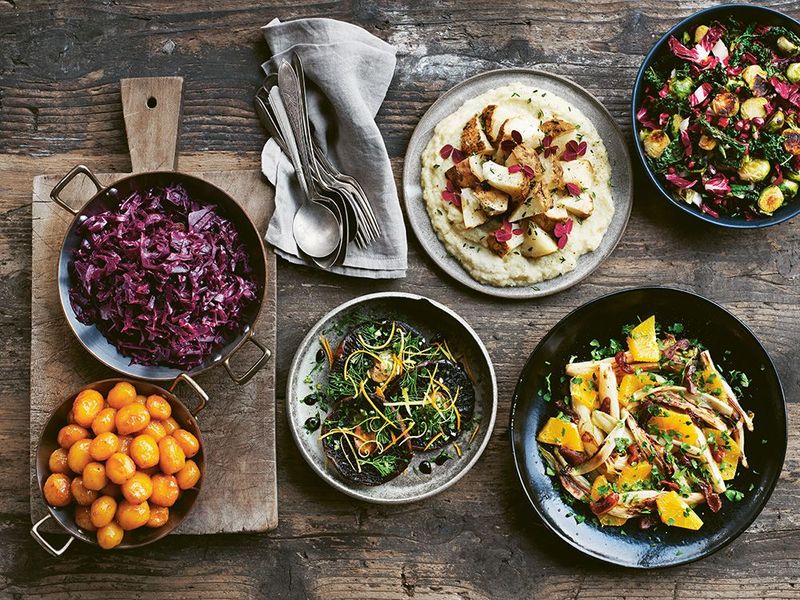
Rather than fighting nature, they work with it, celebrating the hardy root veg, preserved berries, and stored grains that thrive in their climate. This isn't some trendy food movement either – it's centuries of wisdom passed down through generations.
When you embrace what's naturally available, meals become more flavourful and meaningful. Swedes treasure their lingonberries, Norwegians adore their cabbage, and Finns can't get enough of their earthy mushrooms.
Seasonal eating also means less waste, better nutrition, and a deeper connection to the land around you.
The Secret Power Of Fermented Foods In Harsh Winters
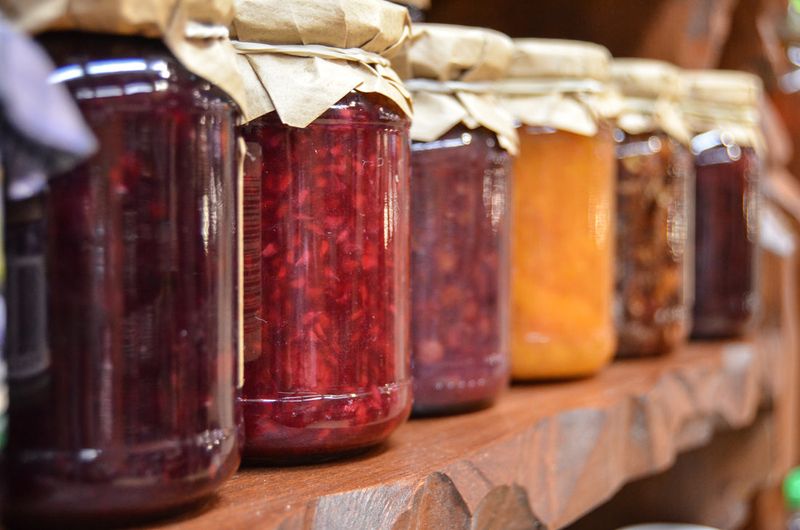
Long before anyone banged on about gut health, Nordic communities were fermenting everything they could get their hands on. When fresh produce vanished for months on end, fermentation became a lifeline, transforming simple cabbage, fish, and dairy into tangy treasures packed with flavour and nutrition. Surströmming might be infamous for its pungency, but fermented foods like gravlax and skyr are genuinely brilliant.
Fermentation doesn't just preserve food – it enhances it. The process creates probiotics that support digestion and boost immunity, which is rather handy when you're stuck indoors avoiding frostbite. Plus, the complex, savoury flavours that develop add serious depth to winter meals, turning humble ingredients into something truly special.
How Simple Ingredients Create Deep, Comforting Flavours
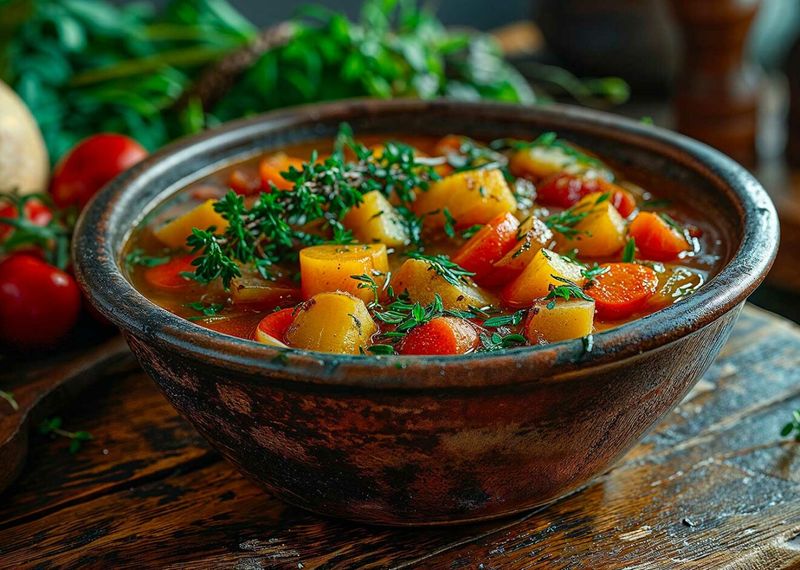
Nordic cooking proves you don't need a pantry bursting with exotic spices to create meals that warm your soul. A handful of quality ingredients – think potatoes, onions, butter, and fresh herbs – can produce the kind of comforting flavours that make you forget there's a blizzard raging outside. Slow cooking methods like braising and roasting coax out natural sweetness and richness from even the plainest veg.
There's something deeply satisfying about a meal that doesn't try too hard. A simple fish soup, a hearty barley porridge, or roasted root vegetables with a knob of butter might sound basic, but when done properly, they're absolute perfection. It's all about respecting the ingredients and letting them shine without fuss or faff.
The Role Of Communal Dining In Beating The Winter Chill
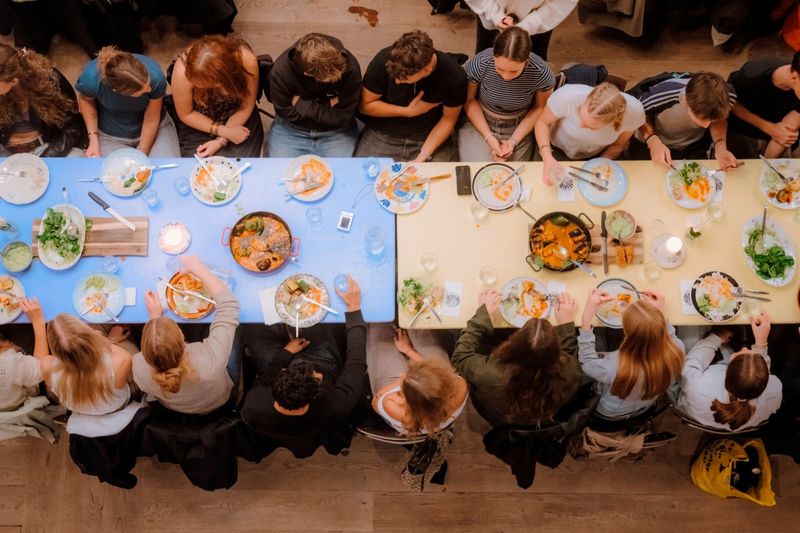
One of the most heart-warming Nordic traditions is fællesspisning – the Danish concept of communal dining that turns an ordinary meal into a celebration of togetherness.
When the nights are long and temperatures drop, people gather in community halls, cafés, or even local schools to share hearty stews, fresh bread, and good conversation. It’s not about lavish spreads or fancy plating – it’s about warmth, connection, and belonging.
Sharing food this way creates a sense of comfort that goes far beyond what’s on the plate, proving that the true secret to surviving winter isn’t just in the recipes, but in the company you keep.
Modern Nordic Cuisine – Tradition Meets Innovation On The Plate
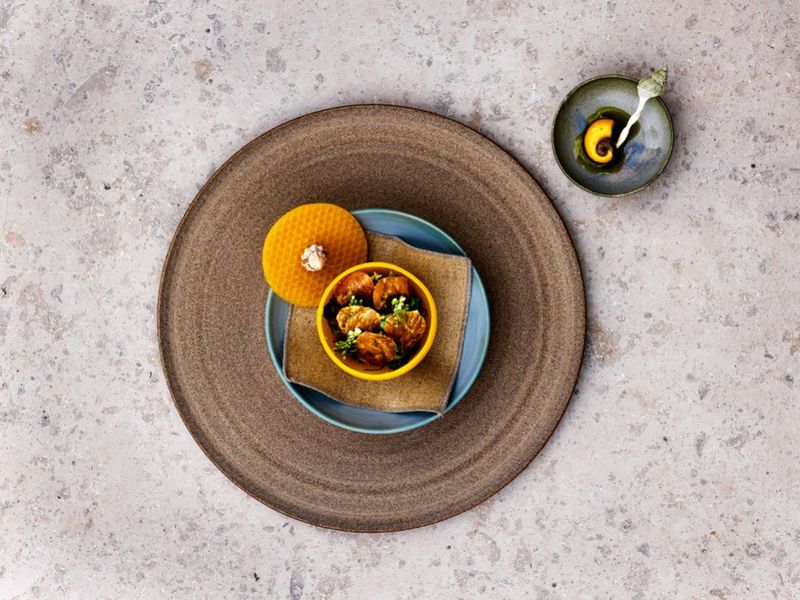
While tradition forms the backbone of Nordic eating, today's chefs aren't afraid to shake things up a bit. The New Nordic movement, championed by restaurants like Noma, takes ancient techniques and local ingredients and presents them in fresh, creative ways. Foraged herbs, wild game, and preserved fish appear alongside unexpected flavour combinations that honour the past whilst looking firmly towards the future.
This isn't about abandoning tradition – it's about evolving it. Young Nordic chefs study their grandmothers' recipes, then experiment with modern cooking methods and global influences. The result is cuisine that feels both timeless and exciting, proving that respecting your culinary heritage doesn't mean you're stuck in the past. Innovation keeps tradition alive and relevant.