








Ever find yourself on autopilot, eating the same trusty meals every day because it’s easy and predictable? There’s comfort in knowing exactly what’s on the plate, but your gut might not share that enthusiasm.
It turns out your digestion loves a bit of variety - and repeating the same menu can quietly change how your system feels and functions over time.
This content is for general informational purposes only and is not intended to replace advice from a qualified healthcare professional. Those with ongoing digestive concerns should consult a medical expert before making significant dietary changes. Photos are for illustrative purposes only.
Your Gut Bugs Thrive On Variety, Not Copy-Paste Plates

Your gut is home to a bustling crowd of microbes that respond to what you eat, and they love a mixed menu. Studies from large citizen-science projects have linked higher dietary diversity - especially eating many different plants - with a more varied, resilient gut community.
When meals look the same day after day, you may still hit your calories, but your gut guests get fewer kinds of fibres and plant compounds to chew on. Over time, that can mean a less adventurous mix of microbes, which may leave digestion feeling a bit more samey too.
The fix is simple: swap in different grains, legumes, fruits, veg, nuts, seeds, herbs, and spices across the week so your microbes aren't stuck at the world's most repetitive buffet.
Same Foods, Same Nutrients - And Possible Gaps
Another downside of a rinse-and-repeat menu is that it can miss certain vitamins and minerals without you realising it. Research consistently finds that low dietary diversity is linked with lower odds of meeting daily nutrient needs across populations.
That doesn't mean your favourite go-to bowl is bad; it just means a single dish rarely covers all bases every day, week after week. Mixing up colours and ingredients brings new nutrients to the table - think orange squash for carotenoids, leafy greens for folate, beans for iron and fibre.
Building variety into a routine helps you cover more ground without overthinking it.
Your Microbiome Can Shift In A Matter Of Days

The good news is your gut community reacts quickly when your menu changes. Studies show that switching diet patterns can reshape gut microbes within a day or two, and those changes map to what's on the plate.
This fast response means a same-meal habit isn't permanent; adding new fibres and plant foods can nudge things in a friendlier direction this week, not months from now. It also means short spells of monotony, like eating leftovers for a few days, aren't the end of the world if your overall week has range.
Think of it like playlists: repeat one song too long and the vibe goes flat.
Routine Can Help Regularity - But Timing Isn't The Same As Variety
There's a difference between eating at regular times and eating the same foods every day. Your gut has daily rhythms, and many people notice that consistent mealtimes go hand in hand with more predictable bathroom habits.
That kind of routine can support comfortable digestion without demanding a copy-paste menu. You can keep the schedule while still changing what's on the plate - for example, lunch at noon, but swap lentil soup, bean burritos, whole-grain salads, or leftover stir-fries through the week.
In short, keep the routine, ditch the repetition.
Bored Taste Buds Can Nudge Snacking - Or Undereating

Eating the same thing over and over doesn't just affect microbes; it also affects how food tastes to you. Scientists describe sensory-specific satiety, where the appeal of a food drops as you keep eating it, while different, uneaten foods still look tempting.
In plain language, your go-to dish can get dull, which may push you to roam for snacks later - or, for some people, to eat less overall because nothing sounds exciting. Both patterns can leave digestion feeling off.
Adding small twists keeps interest high without a full menu reboot.
Simple Ways To Keep The Benefits Of Routine Without The Downsides
You don't need to abandon your favourites - just build in easy variety. Keep the same framework (for example, a grain bowl at lunch) but rotate the parts: swap quinoa, bulgur, brown rice, or barley; rotate beans and lentils; trade broccoli for carrots, beetroot, or peppers.
Aim for a weekly plant headcount, where each unique plant earns a point toward a personal target. Many people use the 30-plants-a-week idea as a fun challenge, and it naturally pulls digestion-friendly fibres and plant compounds into your days.
Frozen And Canned Plants Count Too
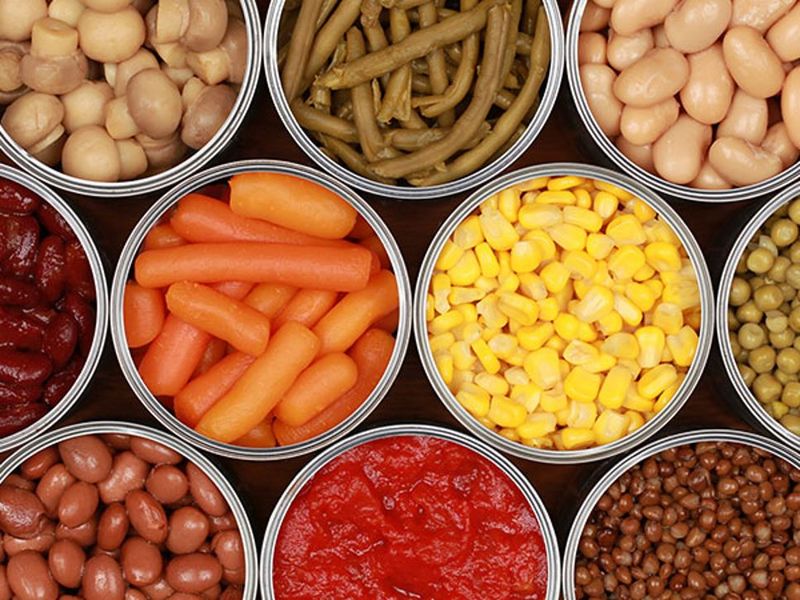
Variety doesn't have to be fancy or expensive; frozen and canned plants are great too. Frozen vegetables are picked at peak ripeness and hold onto their nutrients beautifully, while canned beans and tomatoes save time without sacrificing fibre or minerals.
Your digestion appreciates both the fibre and the mix of nutrients that come with a broader spread. Stocking a few different frozen veg bags, canned legume varieties, and shelf-stable grains means you can mix things up even on busy weeks.
Budget-friendly diversity is still diversity, and your gut microbes don't check price tags - they just want variety on the menu.