







Tea may be one of Britain’s oldest comforts, but the world of flavours goes far beyond the familiar builders’ brew. From smoky twists to floral surprises, there are blends out there that can completely change how you think about a cup of tea. Once you start exploring, you might just find a new favourite hiding among the unexpected.
This content is for general informational purposes only and reflects cultural and culinary insights rather than professional dietary advice. Photos are for illustrative purposes only.
1. Kenyan Purple Tea
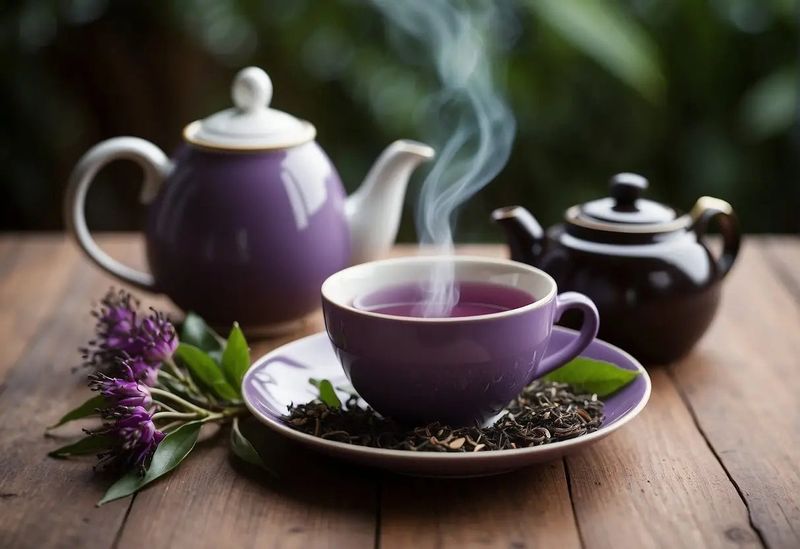
Purple leaves might sound like something from a fantasy novel, but this Kenyan treasure is absolutely real. Grown at high altitudes near Mount Kenya, these unusual plants contain anthocyanins - the same compounds that make blueberries blue.
When brewed, the tea produces a stunning violet hue that shifts to pink when you add lemon. Beyond its magical colour-changing properties, it offers a smooth, slightly sweet flavour with earthy undertones that make every sip memorable.
2. GABA Oolong
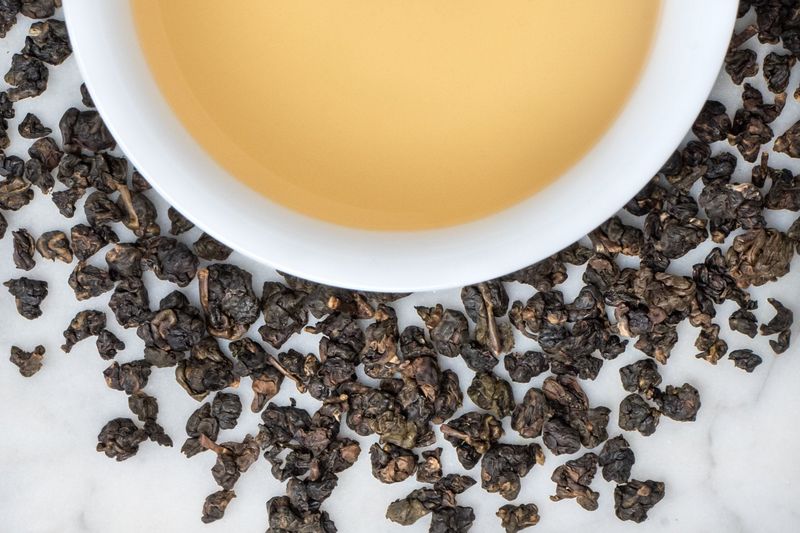
Scientists discovered something remarkable when they processed tea leaves in oxygen-free environments. The result? GABA oolong contains gamma-aminobutyric acid, a natural compound linked to relaxation and stress relief.
Originally developed in Japan during the 1980s, this tea tastes fruity and slightly tangy with hints of plum. Many people drink it before bedtime because it promotes calmness without making you drowsy, offering a gentle way to unwind after hectic days.
3. Yellow Tea
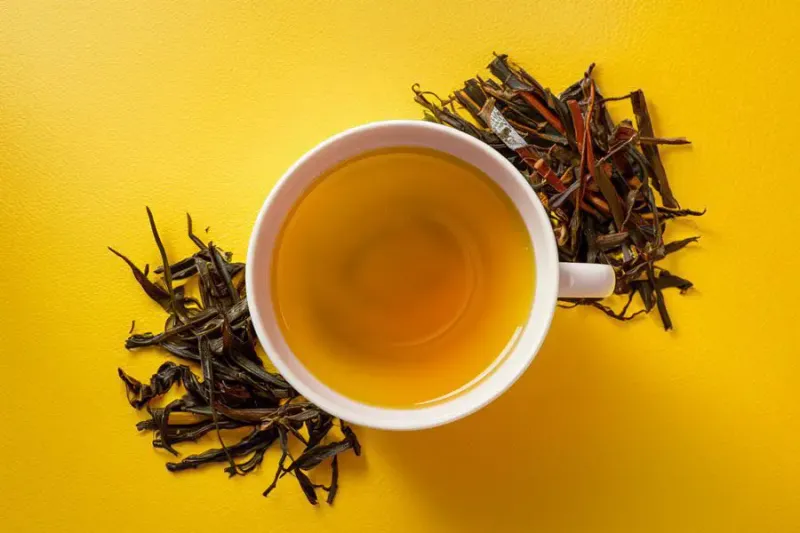
Rarer than a four-leaf clover, yellow tea represents one of China's best-kept secrets. Producers create it through a unique "sealing yellow" process where damp leaves are gently wrapped and allowed to oxidise slowly.
This labour-intensive method results in a mellow, sweet flavour without any bitterness or grassy notes found in green tea. Only a handful of regions still produce authentic yellow tea, making it incredibly precious amongst collectors and connoisseurs worldwide.
4. Kukicha Twig Tea
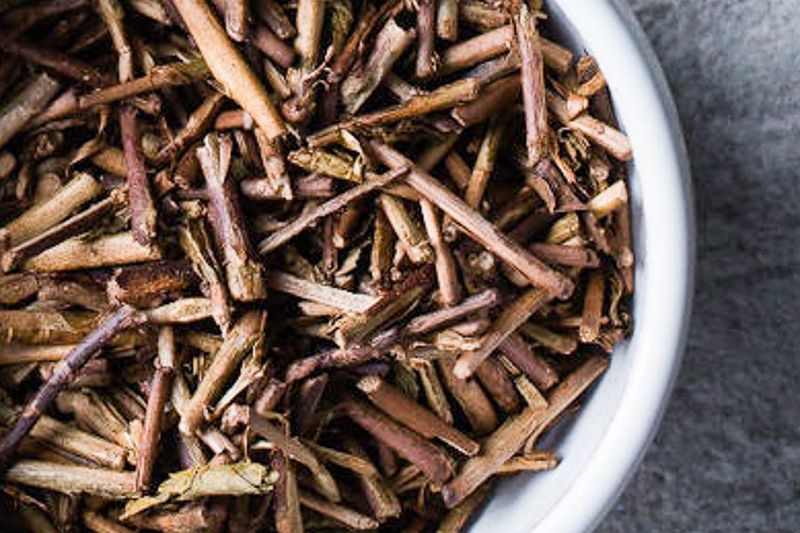
Most teas use leaves, but kukicha takes a different approach entirely. Japanese tea makers craft this unusual brew from the stems and twigs left over after processing gyokuro or sencha.
What started as a thrifty solution became a beloved beverage with its own devoted following. The nutty, slightly creamy taste contains less caffeine than leaf teas, making it brilliant for evening enjoyment. Its naturally sweet finish surprises first-time drinkers who expect something woody or bland.
5. Goishicha Fermented Tea
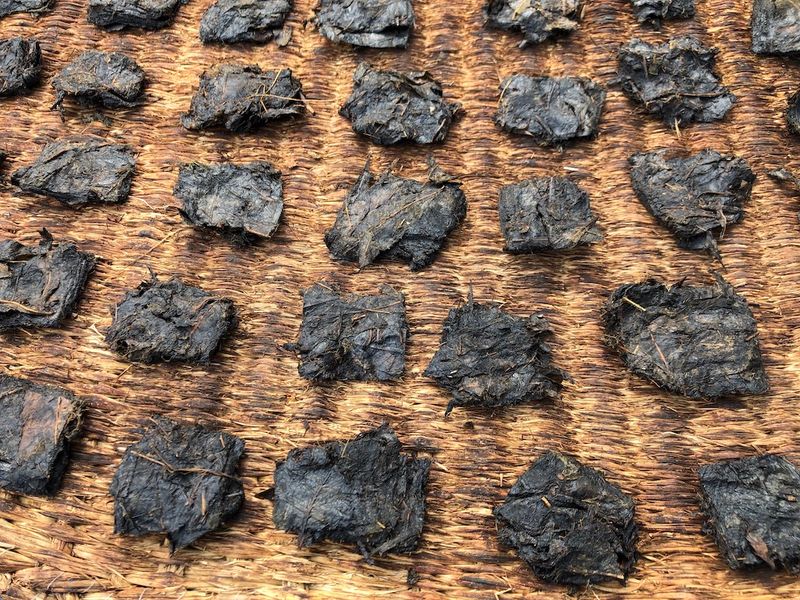
Imagine tea that looks like game pieces - that's goishicha, named after the Japanese word for checkerboard. Producers in Kochi Prefecture create this extraordinary tea through a two-stage fermentation process involving both aerobic and anaerobic bacteria.
The leaves are cut into small squares and dried, creating a distinctive appearance. Its flavour profile is deeply complex: sour, earthy, and slightly pickled, reminiscent of aged cheese. Only one village still produces authentic goishicha today.
6. Ya Bao White Bud Tea
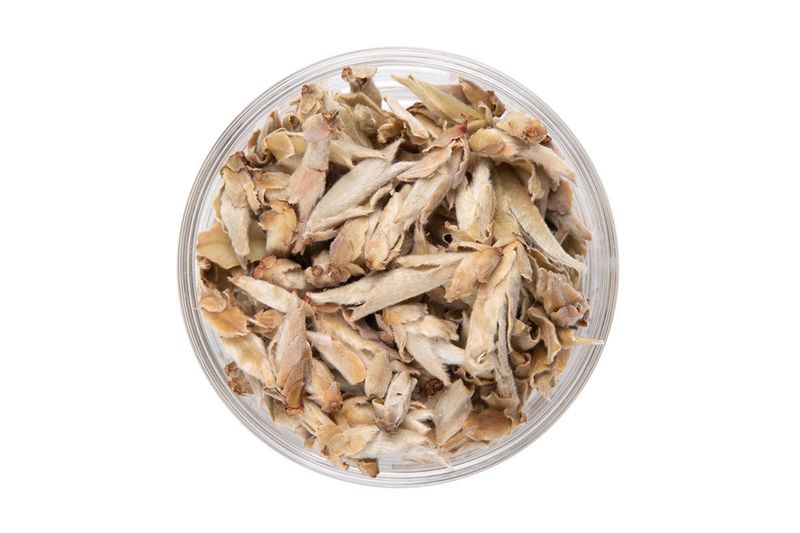
High in the Yunnan mountains, wild tea trees produce something extraordinary during winter. Ya bao consists of unopened buds harvested from ancient trees, not cultivated bushes.
These silvery buds create a brew that tastes remarkably different from typical white tea - think pine needles, wildflowers, and a subtle sweetness. Because harvesting happens only once yearly from wild trees, quantities remain extremely limited. Collectors prize it for its connection to nature's untamed beauty and surprising complexity.
7. Jin Jun Mei
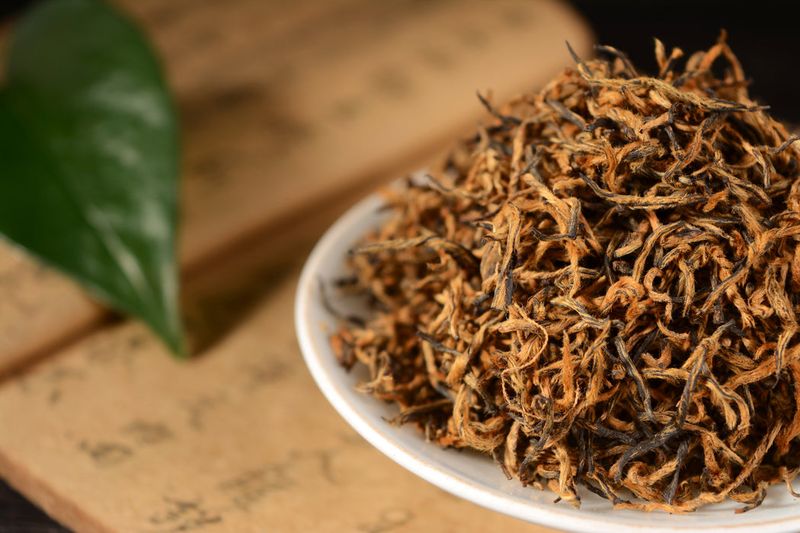
Created only in 2005, Jin Jun Mei has already become legendary amongst tea enthusiasts. Master craftsmen in Fujian Province use only the tiniest golden buds picked during early spring, requiring thousands to make just one kilogramme.
The resulting black tea delivers an incredibly smooth, sweet taste with notes of honey, chocolate, and dried fruit. No bitterness appears even after multiple infusions. Its name translates to "Golden Beautiful Eyebrow," perfectly describing the precious buds' appearance.
8. Liu Bao Dark Tea
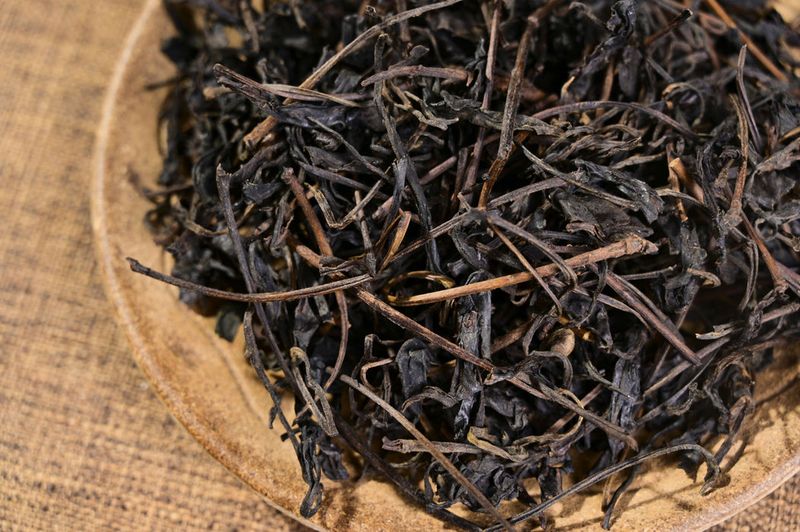
Originating from Guangxi Province, this dark tea undergoes microbial fermentation that continues for years, even decades.
Tea lovers describe its flavour as earthy, woody, and slightly sweet with hints of dried dates. Vintage Liu Bao from the 1950s sells for astronomical prices at auctions. Many people in Southeast Asia drink it traditionally because they believe it aids digestion and provides warming energy during cold weather.
9. Snow Chrysanthemum Tea
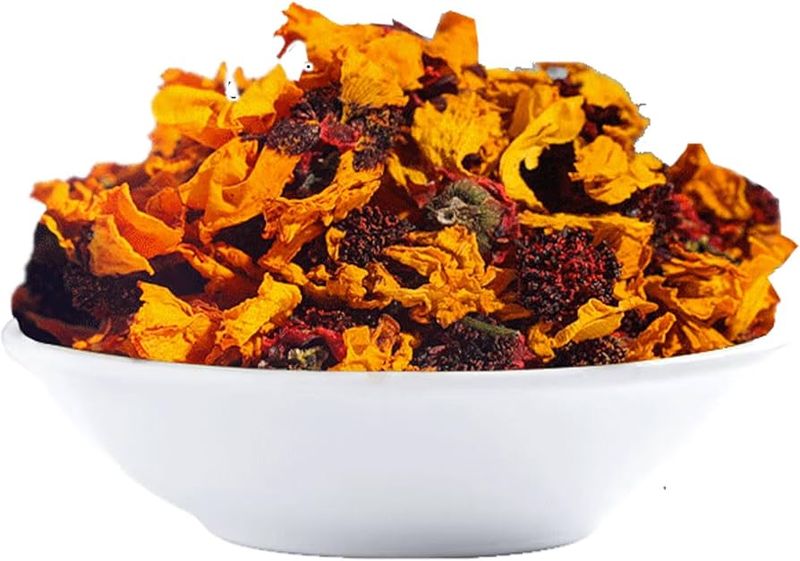
Growing at 3,000 metres above sea level in the Kunlun Mountains, snow chrysanthemums bloom where few plants survive. These tiny crimson flowers aren't technically tea leaves, but they're brewed exactly the same way.
The resulting drink glows bright amber with a sweet, slightly floral taste and subtle fruity notes. Traditional Chinese medicine practitioners have valued it for centuries. Modern drinkers appreciate its naturally caffeine-free nature and distinctive flavour that stands apart from ordinary herbal infusions.
10. Osmanthus Oolong
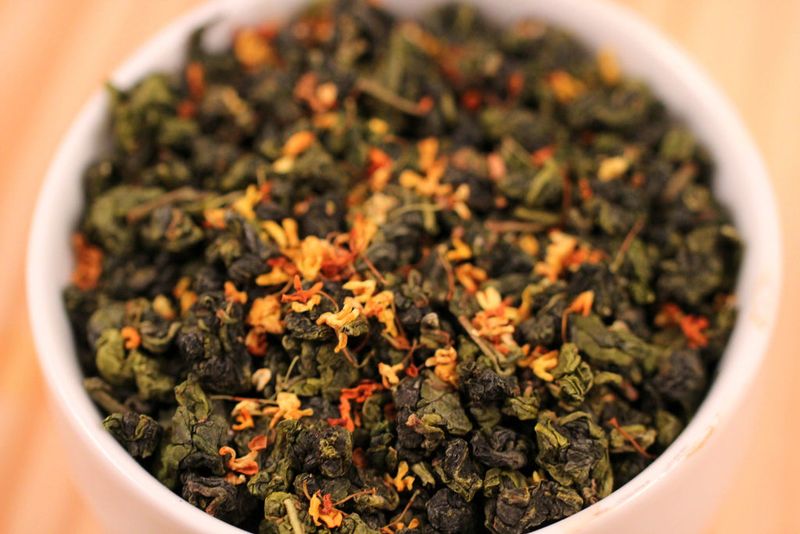
When autumn arrives in China, tiny osmanthus flowers release an intoxicating apricot-like fragrance that perfumes entire neighbourhoods. Tea makers capture this fleeting scent by layering fresh blossoms with premium oolong leaves.
The flowers impart their sweet, peachy aroma whilst the oolong provides a smooth, creamy base. Some versions include visible dried flowers, whilst others remove them after scenting. Either way, this enchanting blend transports you straight to a Chinese garden in full bloom.