







Most of us don’t think about how the lives of farm animals shape the food on our plates. Yet their daily comfort, diet, and stress levels quietly influence everything from flavour to texture. Understanding what goes on behind the farm gate can change the way we see the meat we eat.
This article is intended for general informational purposes only. Details about farming methods and meat quality are based on verified agricultural research and may vary by region. Photos are for illustrative purposes only.
Less Stress Means Better Texture And Juiciness
Calm animals usually produce meat that is tender and holds moisture well. When an animal is stressed, it burns through its energy stores, which affects the natural drop in acidity after processing.
That change in acidity can make meat pale and watery in some cases, or dark and dry in others. You may have noticed chicken that looks a bit washed out or beef that is unusually dark and sticky.
Good handling, quiet movement, and time to settle help keep stress low. The result is meat that cooks more evenly and tastes better.
Diet Changes The Fat And Flavour In Surprising Ways
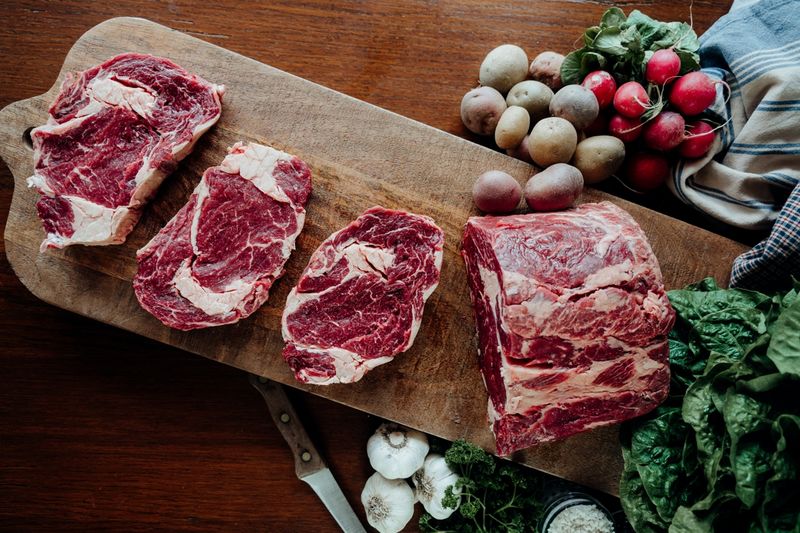
What an animal eats ends up shaping the flavour on your plate. Grass-fed animals tend to have a slightly richer, more savoury taste, with more of the types of fats found in leafy plants.
Grain-finished animals often carry more marbling, which melts during cooking and boosts tenderness. Different feeds also change the aroma, which is why lamb from herb-rich pastures can smell pleasantly herby.
Minerals and vitamins from the diet influence colour, especially in beef. In simple terms, better feed equals better building blocks for meat quality. Farmers pay close attention to feed because flavour starts long before the kitchen.
Movement Shapes Muscle Fibres And Tenderness
Daily movement changes the size and type of muscle fibres, which you can feel as chewiness or softness. Muscles that work hard become stronger and sometimes denser, which can make them a little firmer on the plate.
At the same time, regular steady activity can improve overall muscle health and blood flow, which supports good flavour. Cuts from less active muscles, like the loin, are naturally softer than cuts from busy muscles, like the shoulder.
This is why slow cooking suits the hardworking muscles so well. When animals have room to roam, you get a natural variety in textures across different cuts. That variety lets cooks choose the right method and get great results.
Space, Enrichment, And Calm Groups Keep Meat Tender
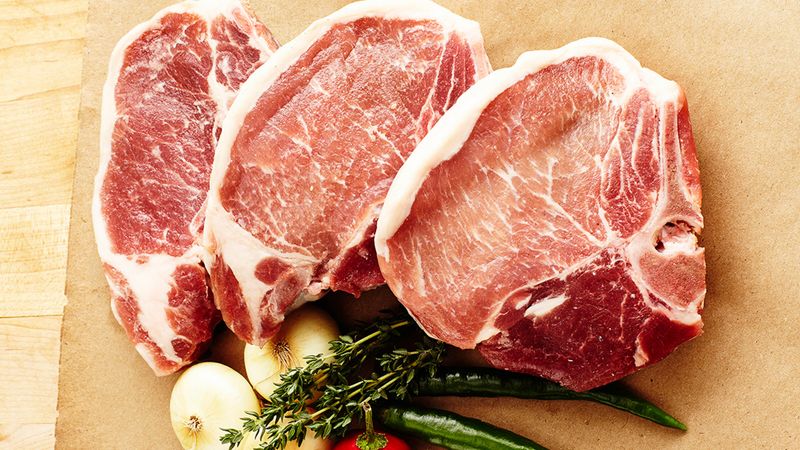
Animals kept with enough space, clean bedding, and simple enrichment tend to stay relaxed and eat well. Small touches like bedding, scratching posts for pigs, or perches for birds reduce boredom and jostling.
Calm groups fight less, which means fewer bruises and fewer tough spots in the meat. Good air, steady temperatures, and dry footing also matter, because comfort supports steady growth.
When animals are comfortable, they digest feed better and put energy into healthy muscle rather than stress responses. All of that adds up to meat that cooks predictably and stays juicy. Comfort on the farm genuinely shows up on the fork.
Weather, Shelter, And Clean Living Affect Flavour And Safety
Shelter from wind, rain, and extreme heat helps animals keep a steady body condition. Sudden cold snaps or heat waves can upset feeding patterns and slow growth, which later affects texture.
Dry, clean housing lowers the risk of skin damage and infection, which can lead to waste and trimming. Clean water is just as important, since dehydration can change how muscles handle stress.
Healthy animals with strong immune systems develop better muscle quality over time. Good hygiene also protects against harmful germs, which matters for both taste and safety. A tidy farm is one of the quiet secrets behind reliable meat.
Transport And The Final Hours Make Or Break Quality
The journey to the abattoir and the waiting period before processing have a big effect on the end product. Crowded lorries, loud noises, and rushing can spike stress and drain energy reserves.
That can lead to meat that leaks more juice in the pan and feels tougher than it should. Proper rest, gentle handling, and short journeys help keep animals calm and comfortable.
Skilled teams use quiet movement and clear routines to avoid panic. When the final steps are well managed, the natural chemistry in the muscles stays on track. That is why thoughtful handling right at the end can be the difference you taste at home.
Breed And Genetics Work Together With Environment
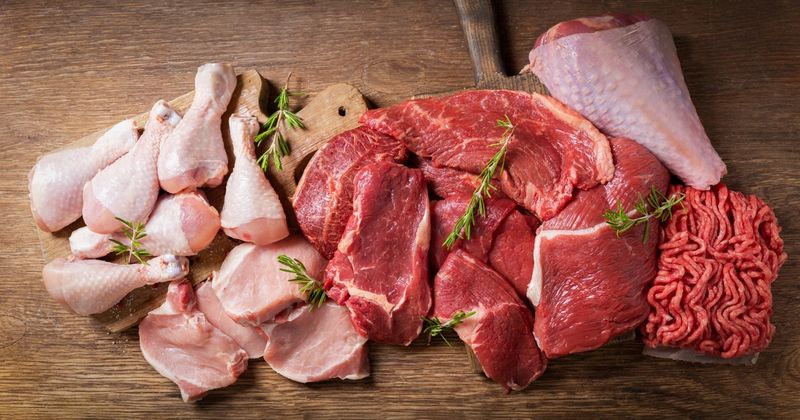
Farmers choose breeds based on climate, feed availability, and market needs. Some breeds grow quickly and suit intensive systems, while heritage breeds thrive on pasture and produce deeply flavoured meat.
Genetics determine muscle structure, fat distribution, and even how animals respond to stress. However, genes need the right environment to shine.
A breed known for marbling still needs proper feed and care to develop that quality. Matching breed traits to living conditions creates consistency and lets natural strengths come through. This partnership between nature and nurture is key to producing meat with character and reliability.