

The Second World War reshaped British cooking – and not always for the better. With strict rationing on essentials such as butter, sugar, meat, and eggs, home cooks had to adapt quickly, swapping indulgence for ingenuity.
Many classic dishes vanished from family tables altogether, replaced by thrifty recipes designed to stretch every last scrap.
Yet when peace returned and rationing finally ended, these lost favourites began to reappear, symbols of comfort, normality, and the simple joy of good food shared once again.
This content is for general information only. Historical accounts and recipes may vary depending on region and available records. Always refer to trusted sources for detailed wartime history and food heritage. Photos are for illustrative purposes only, and actual dishes may differ.
1. White Bread
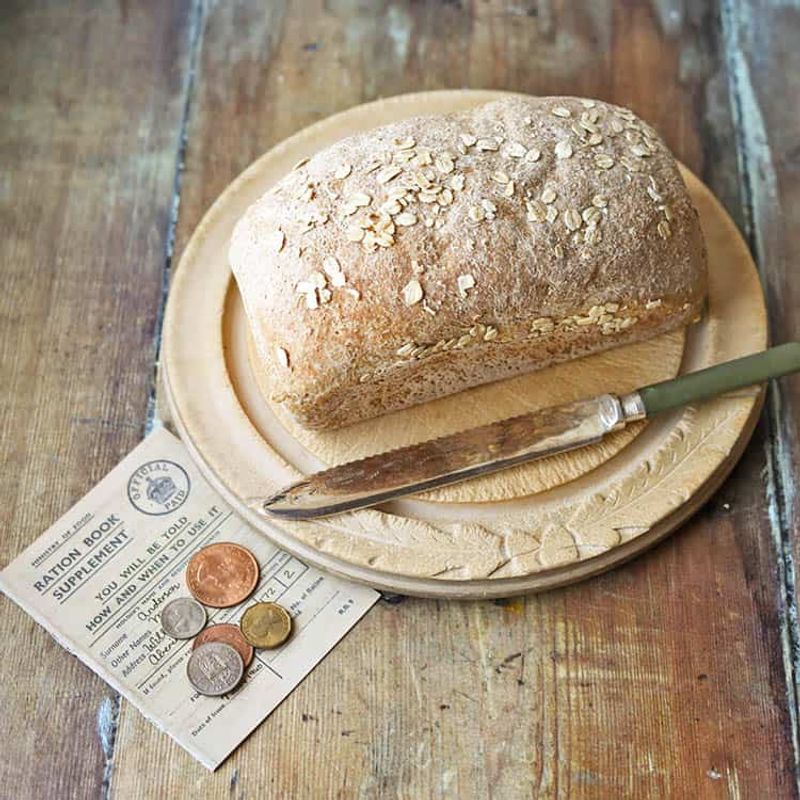
Believe it or not, the fluffy white loaf we take for granted was once considered a luxury item. When war broke out, the government introduced the National Loaf, a greyish, wholemeal affair that used less refined flour to stretch supplies further.
People griped endlessly about its dense texture and odd colour, but it kept the nation fed. White bread didn't officially return until July 1954, nearly a decade after the war ended, when flour rationing finally lifted and bakers could once again produce the soft, pale slices Britain had been craving.
2. Frosted Cakes
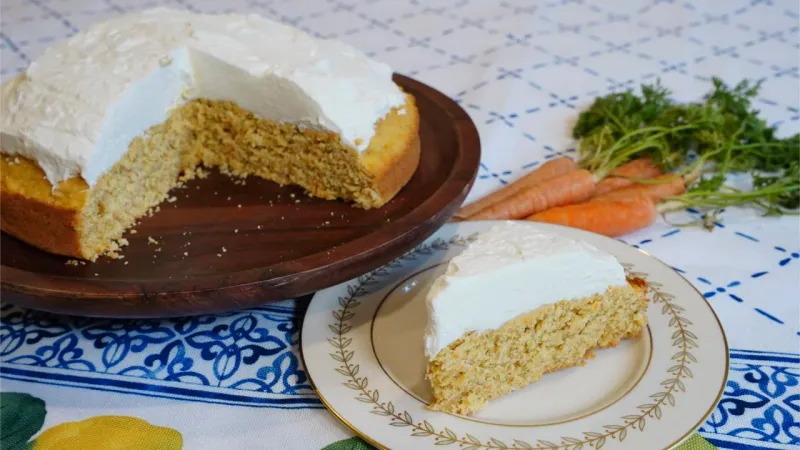
Sugar rationing hit bakers hardest, making elaborate frosted cakes virtually impossible to produce. Wedding cakes became cardboard props with tiny edible portions hidden inside, whilst birthday treats were often plain sponges if you were lucky.
Families hoarded their sugar rations for months just to manage something vaguely celebratory. When rationing ended in 1953, bakeries went wild, and frosted creations returned with a vengeance. Suddenly, every occasion could be properly marked with towering layers of buttercream and royal icing, just as tradition demanded.
3. Bananas And Other Exotic Fruit

An entire generation grew up without ever seeing a banana. Imports stopped completely during the war, leaving children to wonder what these mysterious yellow fruits actually tasted like.
Oranges and lemons were equally scarce, making even a single piece of citrus fruit a treasured gift. When bananas finally returned to British shops in December 1945, queues formed round the block, and some youngsters had to be taught how to peel them. The return of exotic fruit symbolised peacetime prosperity in a way few other foods could match.
4. Traditional Christmas Pudding
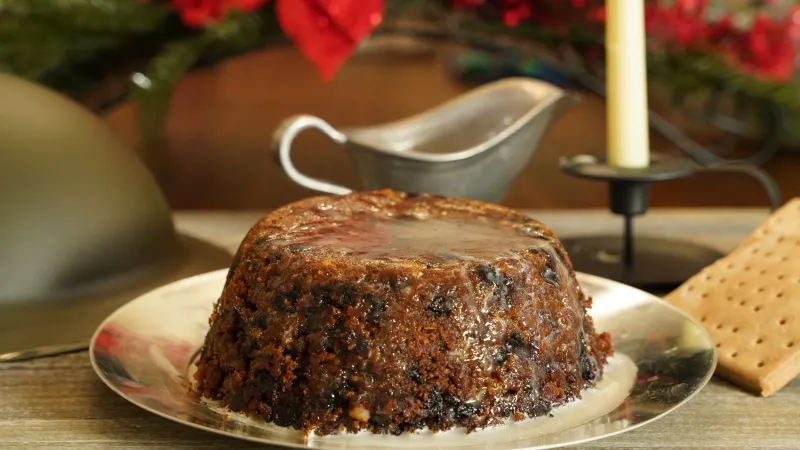
Christmas just wasn't Christmas without a proper pudding, but wartime shortages made the real deal nearly impossible. Recipes called for butter, sugar, dried fruit, and eggs, all of which were strictly rationed or unavailable.
Households resorted to mock versions using grated carrots and breadcrumbs to bulk things out, though the results were decidedly less festive. Once rationing eased in the early 1950s, traditional recipes made their glorious return, restoring a beloved centrepiece to British holiday tables and bringing back that rich, spiced flavour families had sorely missed.
5. Prime Cuts Of Meat
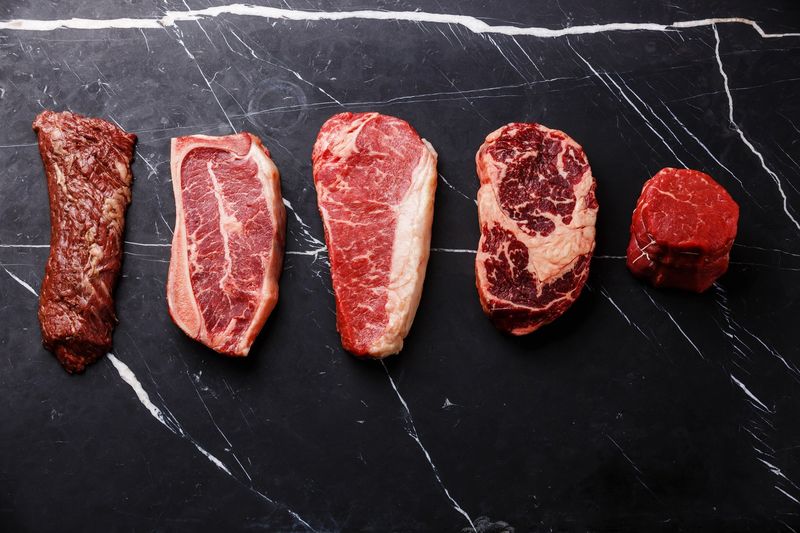
Sunday roasts became a distant memory for most families when meat rationing kicked in. Each person received only about one shilling's worth per week, enough for perhaps a small chop or a bit of mince if you were clever.
Prime cuts like sirloin, rib roasts, and lamb chops vanished from butchers' windows, reserved for the black market or those with connections. Meat rationing didn't fully end until 1954, the last item to be derationed. When it finally lifted, butchers proudly displayed their finest cuts again, and the traditional Sunday roast reclaimed its rightful place.
6. Ice Cream
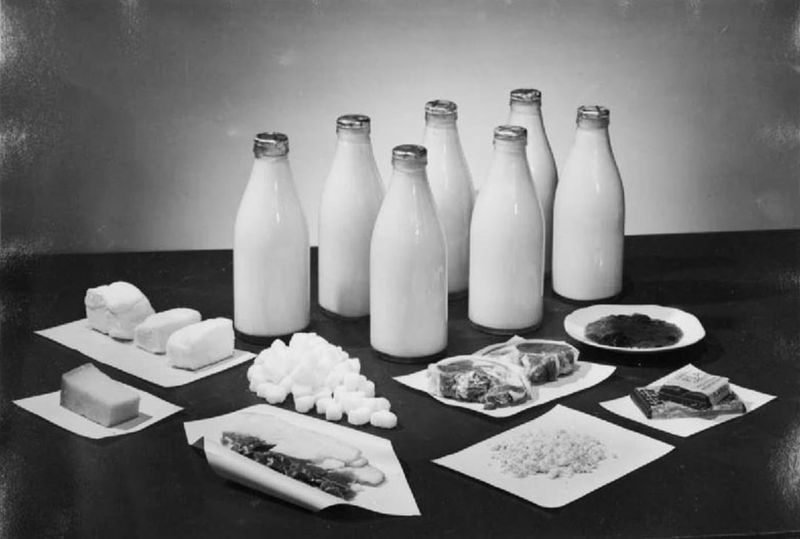
Commercial ice cream production was banned in 1942 to save milk, sugar, and fuel for essential purposes. Street vendors and parlours closed up shop, leaving a generation without this simple summer pleasure.
Some families attempted homemade versions using powdered milk and saccharin, but the results were grim at best. When restrictions lifted in 1953, ice cream vans returned to British streets with their familiar jingles, and queues formed instantly. The return of a proper cornet or choc ice felt like a small victory, a sweet reminder that normal life was finally resuming.