

Some British dishes feel like old friends, while others quietly slip out of sight before anyone notices they are gone. Looking at what fades and what stays tells you a lot about how people eat today and which flavours still feel comforting.
You might even spot a recipe you have not thought about in years and wonder why it ever left the table in the first place.
This content is for general information only and reflects common food traditions rather than universal experience. Images are for illustrative purposes only.
1. Traditional British Dishes Slowly Fading
Some older British dishes are becoming harder to spot on modern menus as tastes continue to change. Many of them were once everyday favourites but now feel like pieces of a different time.
These next five dishes are the traditional British dishes slowly fading away.
2. Stargazy Pie
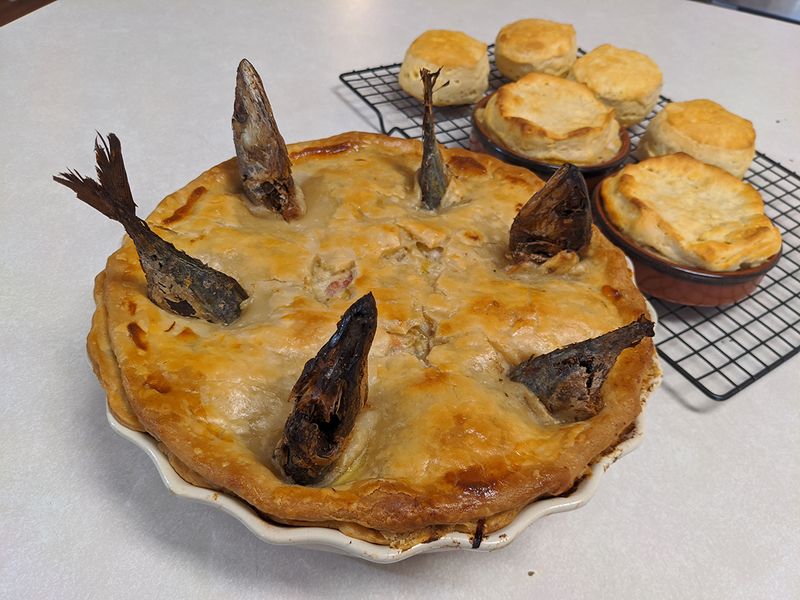
Cornwall's most peculiar dish features whole pilchards baked into pastry with their heads poking out, gazing skyward. This unusual presentation might explain why modern diners find it off-putting.
Created to honour a legendary fisherman's bravery, the recipe requires specific preparation that few chefs still master. Younger generations prefer less adventurous seafood options.
Finding authentic stargazy pie outside Cornwall proves nearly impossible nowadays.
3. Jellied Eels
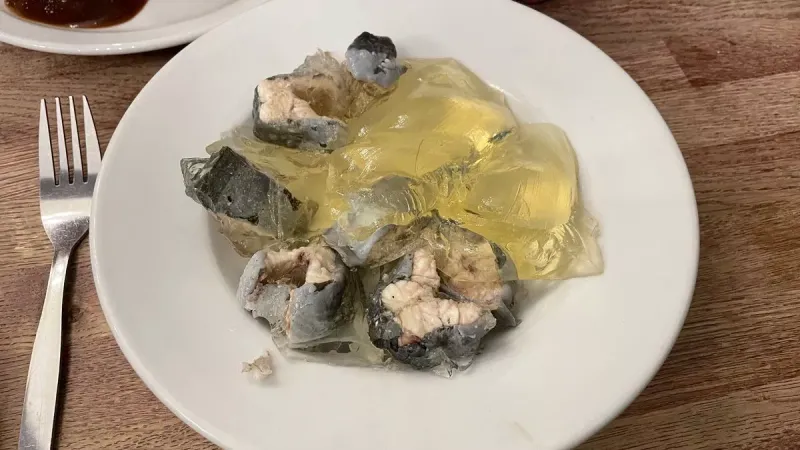
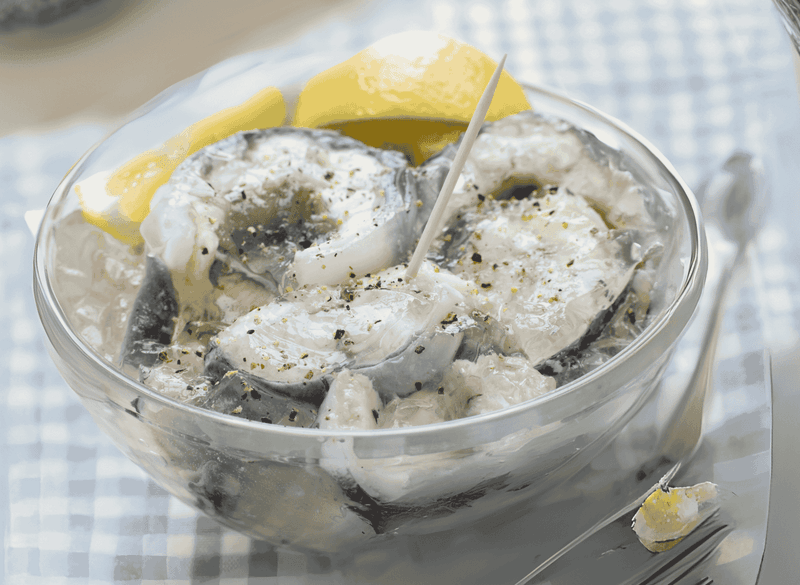
East London's working-class favourite once filled pie and mash shops across the capital. Eels are chopped, boiled, and left to cool in their own stock, creating a wobbly, gelatinous texture.
Many find the appearance unappetising, and younger Londoners rarely develop a taste for it. Eel populations have also declined dramatically, making sourcing difficult. Only a handful of traditional shops still serve this Victorian-era delicacy.
4. Mock Turtle Soup
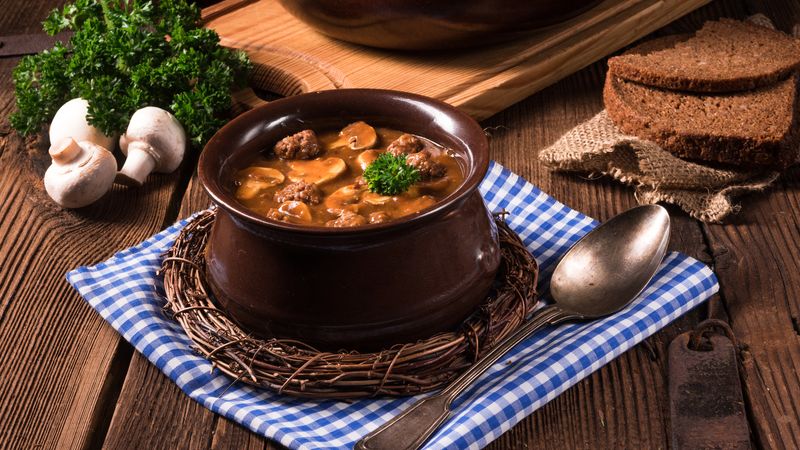
Victorian cooks created this recipe as an affordable alternative to expensive real turtle soup imported from abroad. Traditionally made with calf's head, it required lengthy preparation and unusual ingredients.
Modern British palates find the concept unappealing, and animal welfare concerns make calf's head difficult to source. The dish represents an era when elaborate soups demonstrated social status.
5. Devilled Kidneys
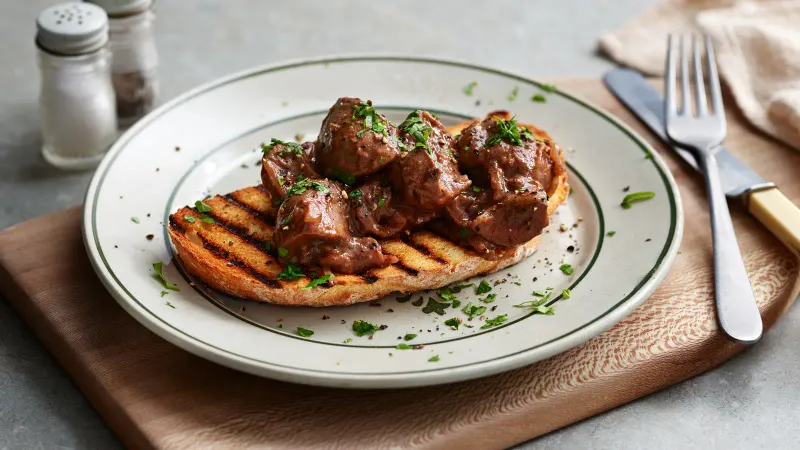
Once a staple of grand Victorian and Edwardian breakfasts, lamb or pig kidneys are cooked in a spicy, mustardy sauce. The strong flavour and distinct texture put off many contemporary eaters.
Offal consumption has declined sharply as British diners prefer muscle meat cuts. Preparing kidneys properly requires skill and knowledge that modern home cooks often lack.
6. Boiled Beef And Carrots
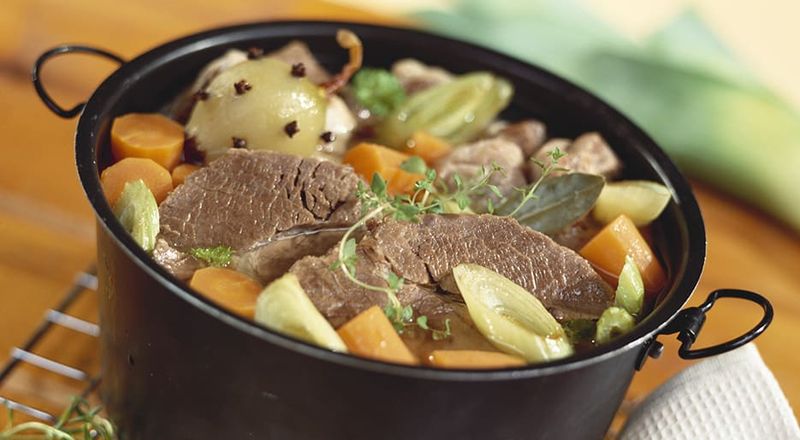
Working-class families once relied on this simple, economical meal featuring salt beef slowly boiled with root vegetables. Music halls even celebrated it in popular songs during the early twentieth century.
Modern cooking methods favour roasting and grilling over lengthy boiling, which many consider bland. The dish lacks the visual appeal that contemporary food culture demands. Few British households prepare this once-common Sunday dinner anymore.
7. Traditional British Dishes Holding Their Place Strongly
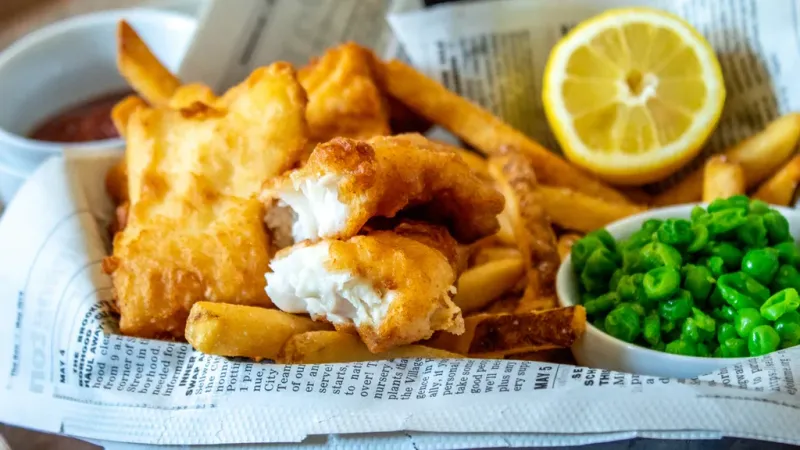
Certain classics remain firmly rooted in British kitchens because people still find them comforting and familiar. These favourites have adapted well to modern life and continue to appear in homes across the country.
These next eight dishes are the traditional British dishes holding their place strongly.
8. Roast Dinner
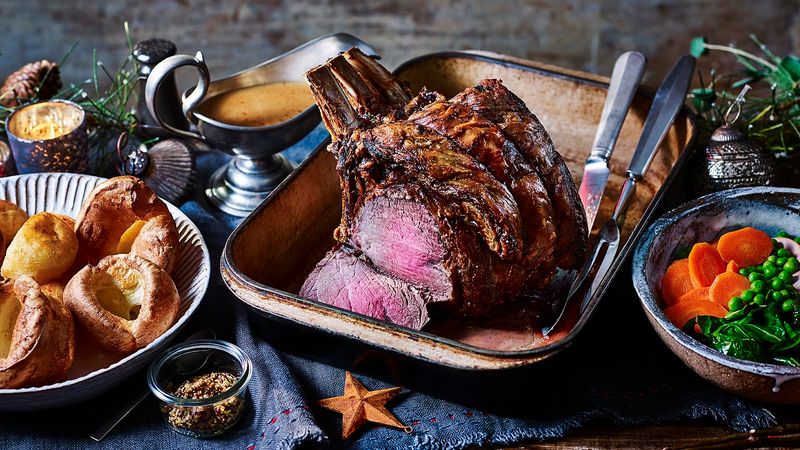
Sunday wouldn't feel complete without roasted meat surrounded by crispy potatoes, seasonal vegetables, and rich gravy. Families gather around tables nationwide, making this meal a weekly ritual.
Whether featuring beef, chicken, lamb, or pork, the roast dinner brings generations together. Pubs have capitalised on its popularity, offering Sunday roasts that draw crowds.
9. Fish And Chips
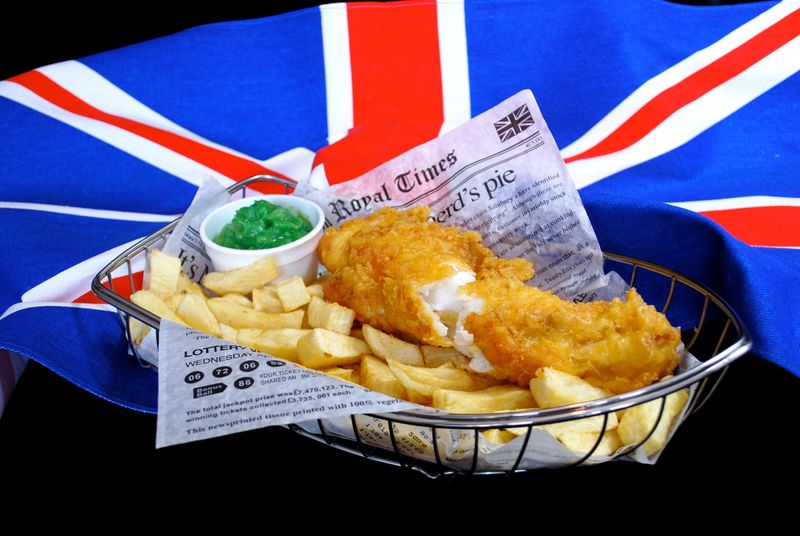
Crispy battered fish paired with thick-cut chips remains Britain's most iconic takeaway meal. Chip shops dot every high street, serving this beloved combination to millions weekly.
Families gather for Friday night fish suppers, continuing a tradition spanning generations. The dish adapts well to modern tastes whilst maintaining its essential character.
Tourists and locals alike consider it an essential British culinary experience worth celebrating.
10. Shepherd's Pie
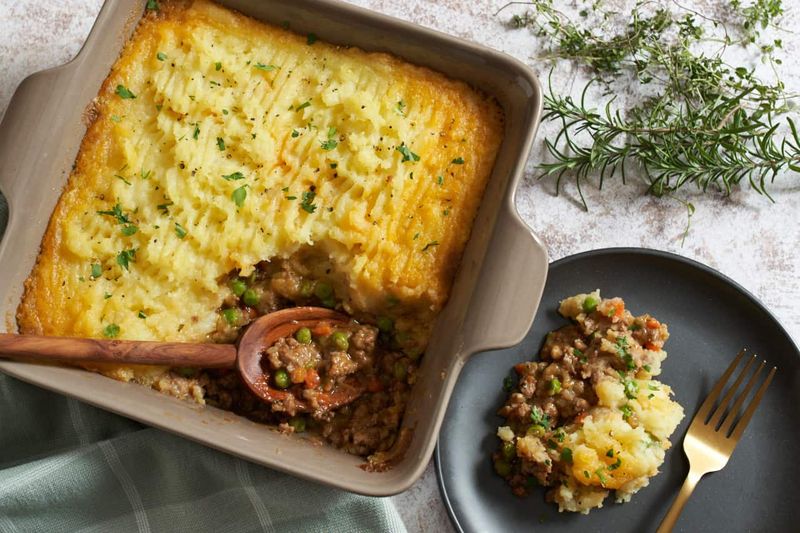
Minced lamb cooked with vegetables and topped with fluffy mashed potato creates ultimate comfort food. Originally designed to use leftover roasted meat, this dish remains a weeknight favourite.
School canteens, home kitchens, and gastropubs all serve their versions. The simple ingredients and hearty nature appeal to British tastes perfectly.
Families pass down recipes through generations, keeping this classic firmly in rotation.
11. Full English Breakfast
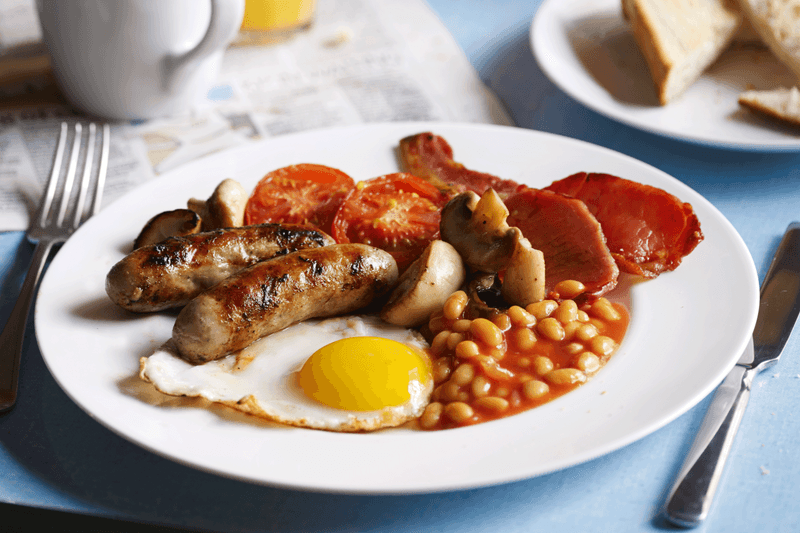
Bacon, sausages, eggs, beans, mushrooms, and tomatoes create Britain's most famous morning feast. Weekend mornings see families tucking into this protein-packed meal at home or in cafes.
Hotels and bed-and-breakfasts proudly serve their interpretations to guests. Though eaten less frequently than decades past, its cultural importance remains undeniable.
12. Cottage Pie
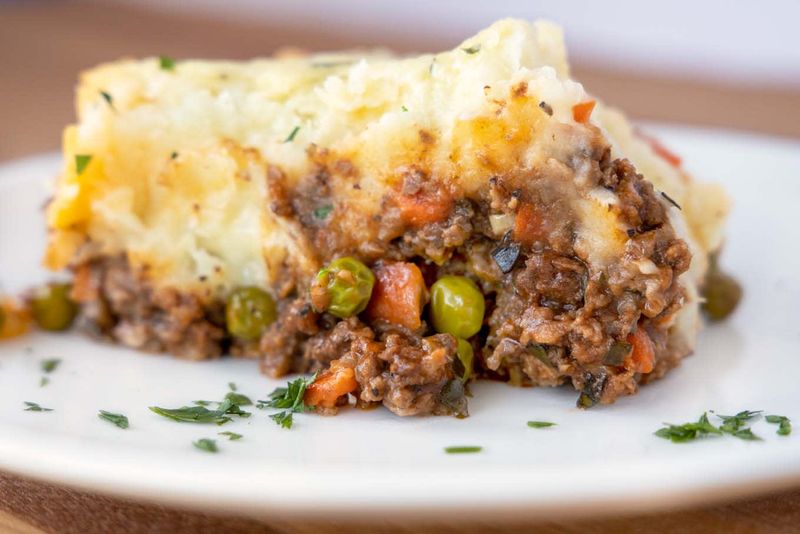
Similar to shepherd's pie but made with beef instead of lamb, this hearty dish warms countless British homes. The name references humble cottages where working families originally created it.
Parents appreciate how children enthusiastically eat their vegetables when baked into this comforting meal. Freezer-friendly and budget-conscious, it suits modern busy lifestyles.
13. Yorkshire Pudding
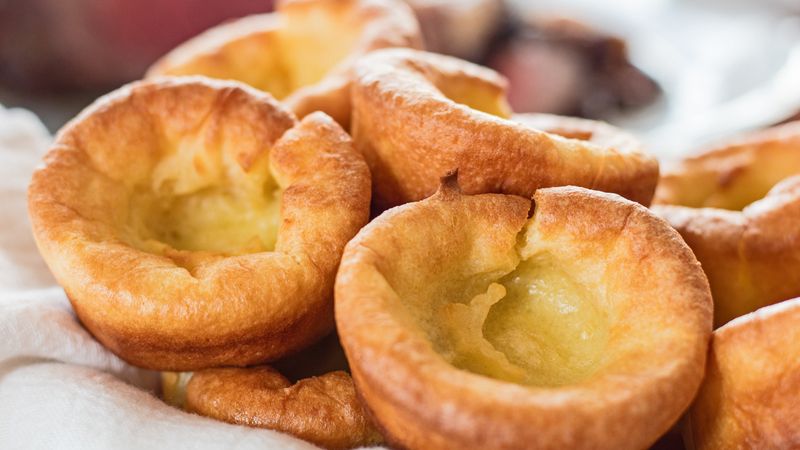
These puffy, golden creations made from simple batter accompany roast dinners perfectly, soaking up delicious gravy. Yorkshire families take pride in achieving the perfect rise and crispy edges.
Originally served before the main course to fill hungry stomachs, they now sit alongside the meat. Competitions even celebrate the best Yorkshire pudding makers. No proper roast feels complete without these beloved batter puddings.
14. Bangers And Mash
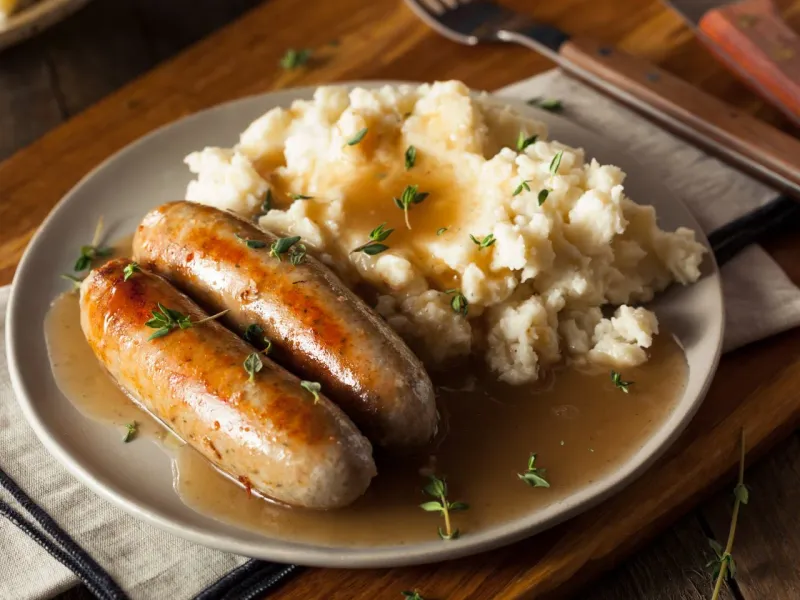
Plump sausages nestled in creamy mashed potato and smothered with onion gravy satisfy hungry diners everywhere. Pubs serve this classic combination as a reliable crowd-pleaser.
The nickname "bangers" comes from sausages bursting during wartime rationing when they contained more water. Children and adults alike enjoy this straightforward, filling meal. This dish remains firmly planted in British food culture.
15. Apple Crumble
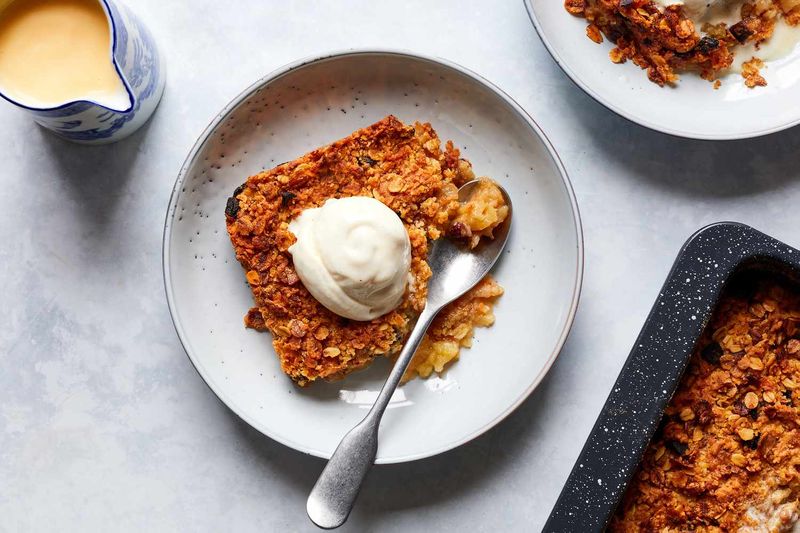
Warm, cinnamon-spiced apples topped with buttery, crumbly mixture create Britain's favourite dessert. Simple to prepare yet utterly satisfying, it graces dinner tables throughout the year.
Served with custard, cream, or ice cream, this pudding evokes childhood memories for countless Britons. Schools, restaurants, and homes all embrace this timeless sweet.
Apple crumble's popularity shows absolutely no signs of crumbling away.