








Washing rice sounds simple, yet it sparks more debate than you’d expect for a bowl of grains. Some people rinse it religiously, others skip the step entirely, and both groups are convinced their method is the right one.
Let’s check out what actually happens when you wash rice so you can decide which approach works best in your own kitchen.
This content is for general information only and may not reflect every cooking method, cultural practice or preference. Images are for illustrative purposes only.
Why People Started Washing Rice In The First Place
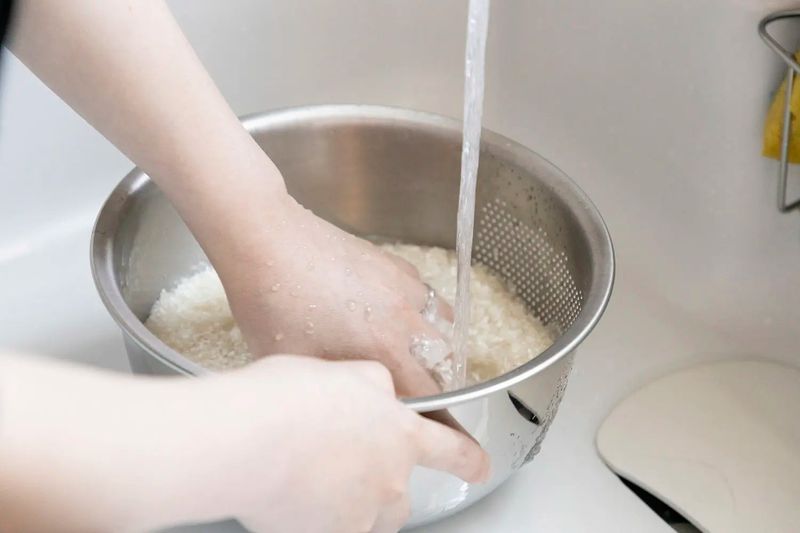
Rinsing rice is not a new trend; it has been a common practice in many Asian kitchens for centuries. Originally, rice needed washing because grain mills left behind dust, tiny husks and excess starch that could make the pot cloudy and gummy.
In older times, rice also carried bits of talc or powder used during processing, so rinsing was essential. Modern rice is usually cleaned before packaging, but a rinse still helps remove loose starch that clings to the grains.
You will notice the water turning cloudy at first and then gradually clearing as the starch washes away. So the tradition came from practicality, and for many cooks it remains a habit for good reason.
When Washing Rice Makes A Big Difference
Some types of rice absolutely benefit from a quick rinse, and you can taste the results. Long-grain varieties like basmati and jasmine become fluffier and less sticky when rinsed, because the excess surface starch is what makes grains cling together.
If you love rice that falls apart gently rather than forming clumps, rinsing can help you get there. It also helps prevent that thick, milky foam that sometimes forms at the top of the pot.
Plenty of cooks notice their rice cooks more evenly after a rinse because the grains absorb water better. So in these cases, a gentle wash gives you cleaner flavours and a lighter texture.
When You Should Skip Washing Rice Altogether
There are moments when rinsing your rice can actually ruin the dish, especially when the starch is part of the recipe's magic. Risotto rice like arborio or carnaroli should stay dusty because that extra starch is what creates the creamy, velvety sauce.
Sushi rice also relies on a specific balance of starch for stickiness, so rinsing too much can make it fall apart. Parboiled or easy-cook rice generally does not need rinsing because it has already been treated to shed less starch.
Some instant rice varieties also come pre-washed, so rinsing does nothing except prolong the cooking. The trick is knowing the dish you want, not following one rule for all rice.
How Many Rinses You Actually Need
You do not have to rinse rice endlessly like some recipes imply. For most everyday cooking, two or three quick swirls under cold water are enough to remove the loose starch.
You do not need to scrub the grains or rinse until the water runs absolutely clear; a slight cloudiness is perfectly normal. The aim is simply to remove the powdery coating, not to achieve laboratory-grade cleanliness.
Over-rinsing can even waste water without improving the final result. A simple wash until the water looks noticeably clearer is all you need for fluffy, reliable rice.
What Happens To Your Rice When You Don't Wash It
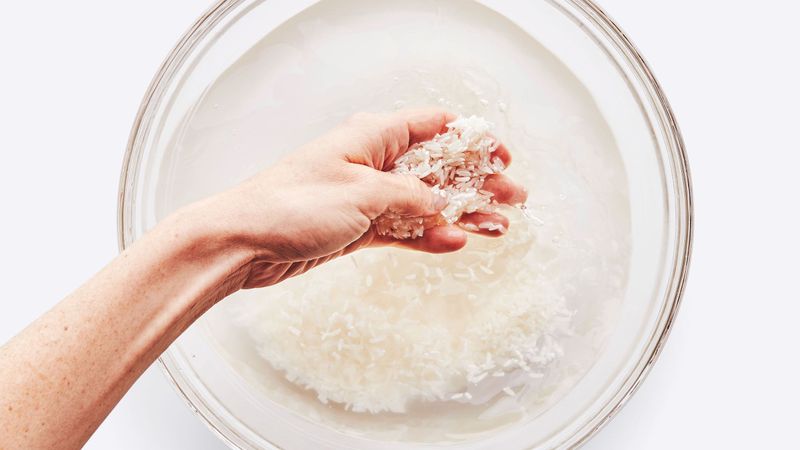
Skipping the rinse will not harm you, but it may change the texture of the rice. Without rinsing, the grains tend to stick together more, which can give you a softer, slightly clumpier pot.
For dishes such as fried rice, that stickiness works against you because the grains break easily in the pan. Some people also notice a faint starchy aroma when they cook unrinsed rice, though it is not strong enough to be a problem.
If you like your rice to have separate, distinct grains, rinsing helps achieve that. But if you enjoy a creamier, softer bowl, skipping the rinse is no disaster.