




Britain’s long soup tradition is filled with recipes that once brought comfort on the coldest days. Over time, some of these bowls have slipped quietly into the past, remembered only in old cookbooks, while others remain favourites in British homes.
From broths that fuelled Victorian households to the classics still stocked on modern supermarket shelves, these soups tell a story about how our tastes and routines have changed through the years.
This article is for general informational purposes only and reflects historical and culinary knowledge available at the time of writing. Photos are for illustrative purposes only.
Traditional British Soups No One Serves Anymore
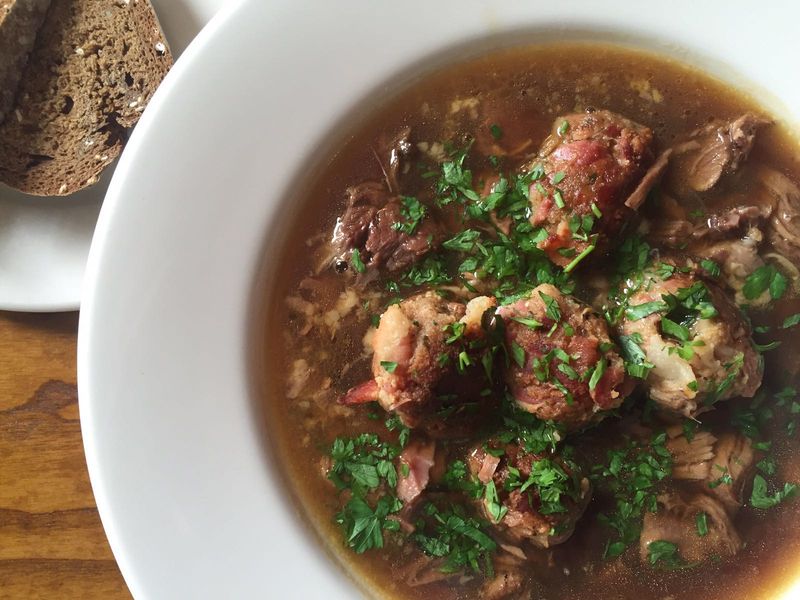
Victorian dinner parties were elaborate affairs where soup courses set the tone for entire evenings. Back then, households served broths and potages that sound utterly bizarre to modern palates, often featuring ingredients we'd never dream of combining today.
Many of these recipes required hours of preparation and specialised ingredients that simply aren't part of our shopping habits anymore. Changing tastes, faster lifestyles, and evolving food standards have pushed these soups firmly into the history books.
What once signalled sophistication now feels oddly antiquated, a reminder of how dramatically British food culture has transformed.
1. Brown Windsor Soup
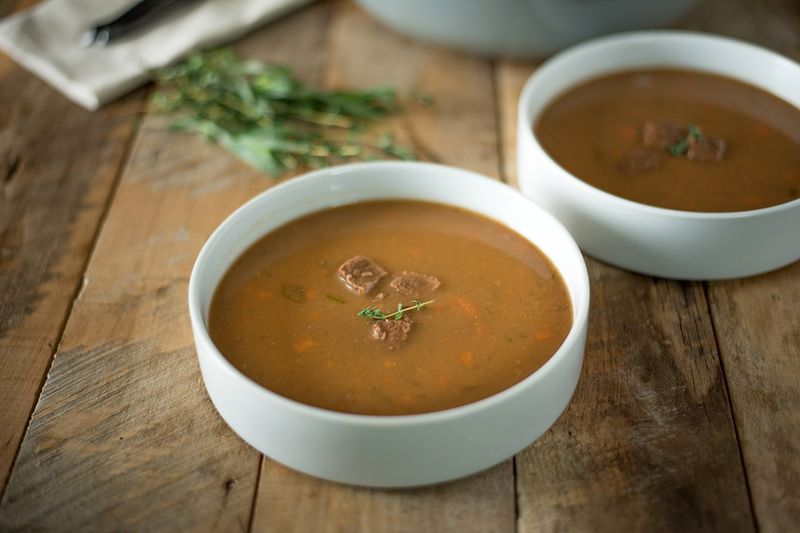
Royal connections and posh hotels once made this murky brown concoction a symbol of British refinement. The exact recipe remains a mystery, as dozens of versions existed, but most involved beef stock, madeira, and a rather alarming amount of browning.
Queen Victoria supposedly enjoyed it, which boosted its reputation amongst the upper classes. Yet by the mid twentieth century, it had become something of a culinary joke, mocked for its unappetising appearance and vague flavour profile.
These days, you'd be hard pressed to find it anywhere outside historical reenactments.
2. Mock Turtle Soup
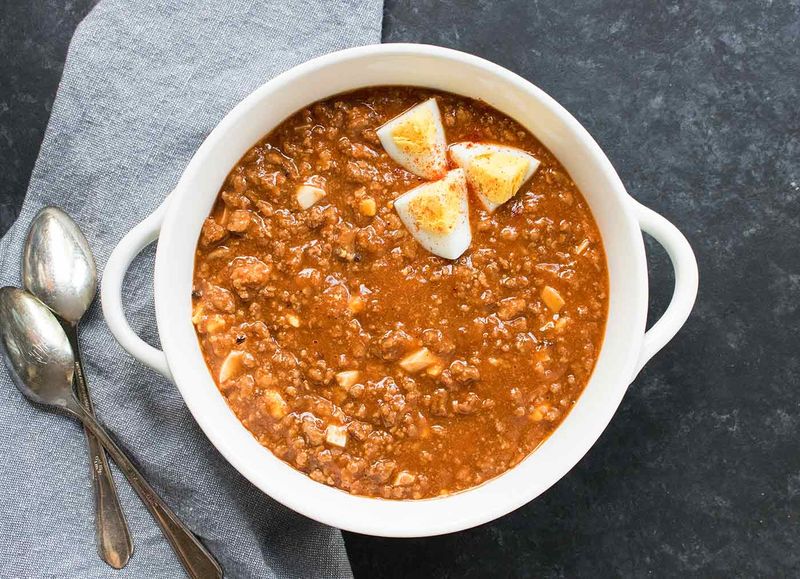
Actual turtle soup was a luxury reserved for the wealthiest Victorians, so resourceful cooks created this imitation using calf's head instead. The result was a gelatinous, deeply savoury soup that required an entire day's work and a strong stomach for the preparation process.
Lewis Carroll immortalised it in Alice's Adventures in Wonderland with the Mock Turtle character, but the soup's popularity didn't survive past the Edwardian era. Modern sensibilities and readily available alternatives mean calf's head cookery has thankfully vanished from British kitchens.
3. Mutton Broth
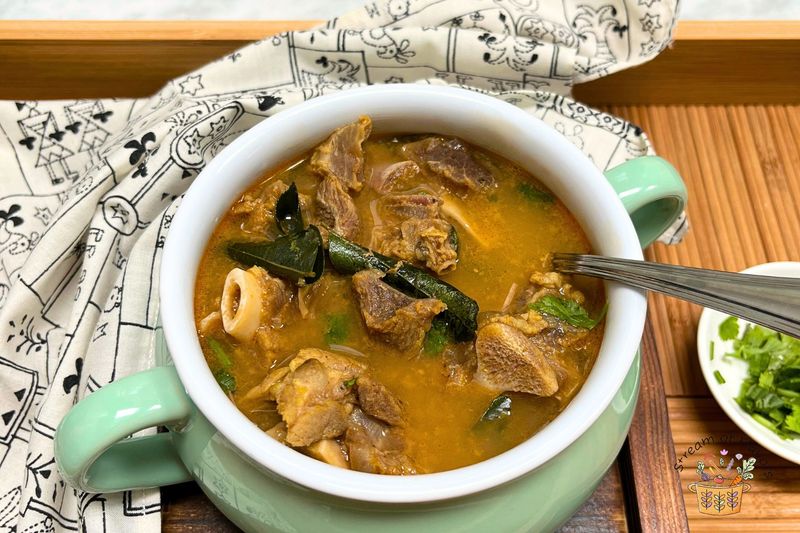
Farmhouses across Britain once relied on this hearty, economical soup made from older sheep meat and whatever vegetables were lying about. Mutton itself has fallen dramatically out of favour, replaced by milder lamb that suits contemporary tastes far better.
The strong, gamey flavour that our great grandparents found comforting now strikes most people as overpowering and unpleasant. Coupled with mutton's near disappearance from supermarket shelves, this once common soup has become virtually extinct.
Occasionally, adventurous chefs attempt revivals, but they rarely catch on with the general public.
4. Ox Cheek And Barley Soup
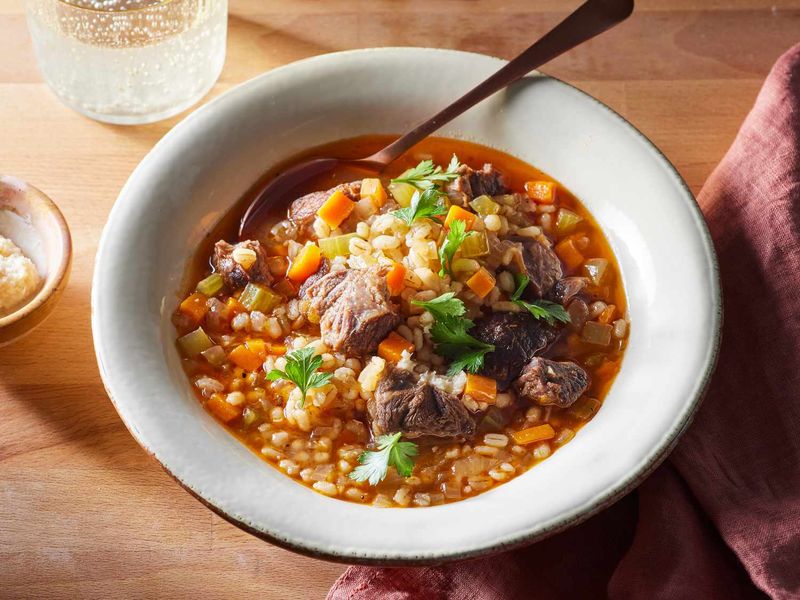
Once a staple in British kitchens, ox cheek and barley soup was the kind of slow-cooked, hearty dish that could warm you straight through on a freezing day.
Ox cheek was an inexpensive cut with rich flavour, and when simmered gently with barley, root vegetables, and stock, it transformed into a deeply comforting bowl of nourishment.
The barley added thickness and a gentle nuttiness, while the long cooking time softened the meat to tender perfection.
Though it rarely appears on modern menus, this soup was once a clever way to make the most of humble ingredients and stretch them into something satisfying for the whole family.
5. Pease Pottage
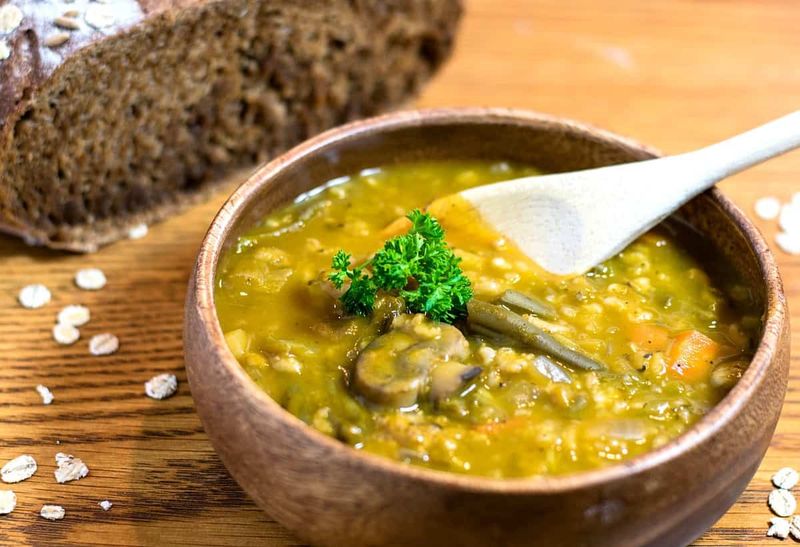
Medieval Britain practically lived on this thick, porridge like concoction made from split peas, often left simmering for days. It was filling, cheap, and kept people going through harsh winters when fresh food was scarce.
As prosperity increased and tastes refined, pease pottage became associated with poverty and deprivation rather than comfort. Modern pea soup bears little resemblance to this ancient staple, being far smoother and more delicately flavoured.
You'll find references in nursery rhymes, but actually eating it? That's firmly in the past where it belongs.
The Ones Britain Still Loves
Supermarket soup aisles tell the real story of what Britain actually wants in a bowl. Bright colours, familiar flavours, and dead simple preparation have won out over elaborate historical recipes that demanded hours of attention.
These survivors share common traits such as accessibility, mild flavours that appeal to children and adults alike, and the ability to be made quickly from tinned or fresh ingredients. They've adapted brilliantly to modern life whilst retaining enough tradition to feel comforting.
From Heinz tins to café specials, these soups dominate British lunch breaks and cosy dinners without any signs of fading away.
6. Tomato Soup
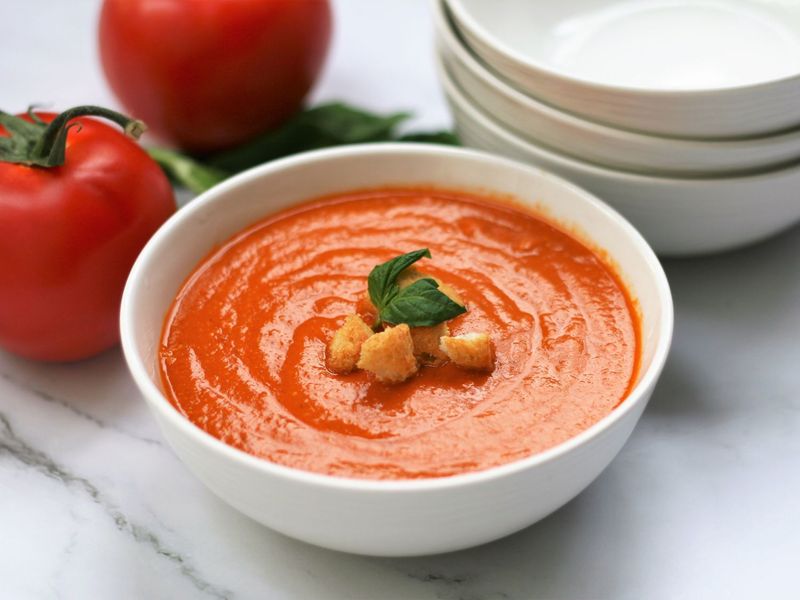
Heinz turned this into a national obsession, creating a flavour so iconic that homemade versions are often judged against the tinned standard. Generations of British kids have dunked toast soldiers into bowls of the stuff, creating memories that last lifetimes.
The brilliant red colour and sweet, tangy taste make it instantly recognisable and deeply comforting. Whether heated from a tin on a rainy afternoon or crafted from scratch with fresh tomatoes, it remains Britain's undisputed soup champion.
No café menu feels complete without it.
7. Carrot And Coriander Soup
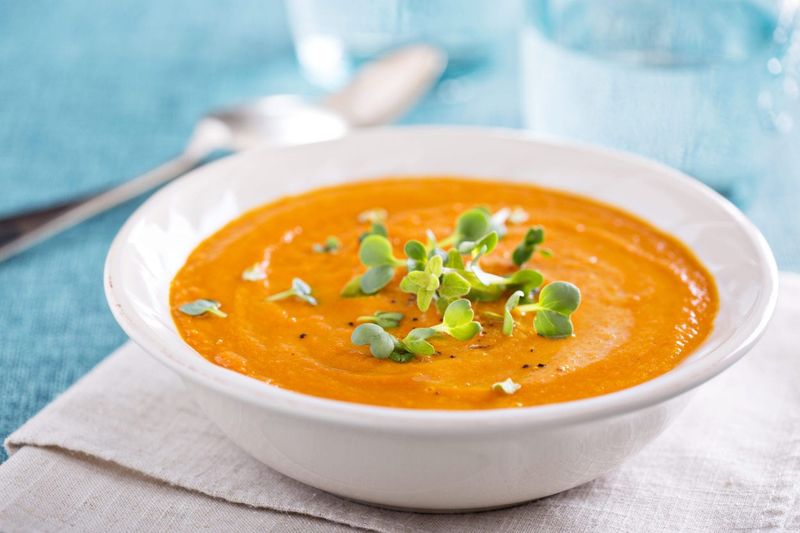
This vibrant orange number exploded onto British menus in the 1980s and never looked back. The combination sounds simple, but the sweet earthiness of carrots paired with aromatic coriander creates something genuinely lovely and surprisingly sophisticated.
It's become the default vegetarian option in cafés and supermarkets across the country, appealing to health conscious eaters and comfort seekers alike. Easy to make at home with minimal ingredients, it bridges the gap between nutritious eating and proper tastiness.
Fresh or chilled from the fridge section, it's thoroughly modern British.
8. Chicken Soup
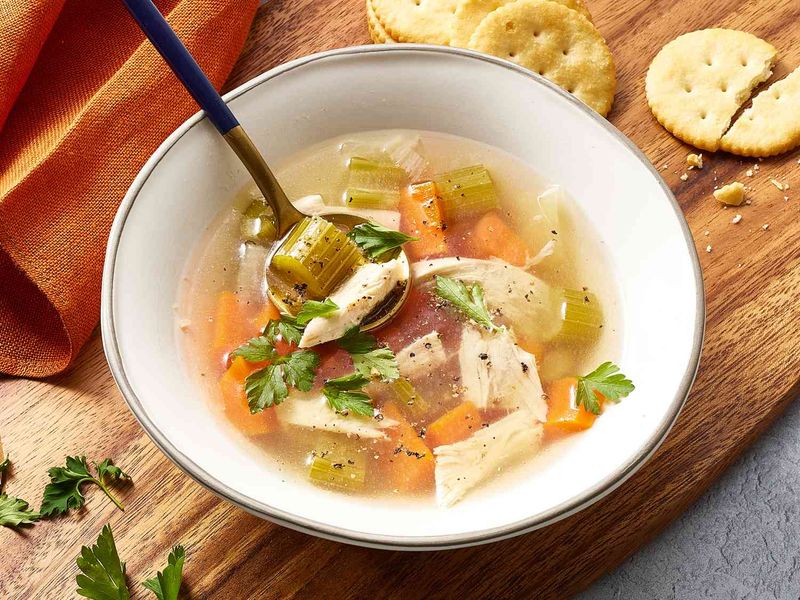
Every culture claims chicken soup as theirs, but Britain's version tends towards simplicity rather than elaborate spicing. Leftover roast chicken gets transformed into golden, restorative broth that genuinely does seem to help when you're feeling rough.
There's proper science behind the comfort factor, as nutritionists confirm that warm liquids and easily digestible protein support recovery from colds. British versions often include carrots, celery, and sometimes noodles or rice, keeping things straightforward and familiar.
Mums across the nation have been proven right about its healing powers all along.
9. Leek And Potato Soup
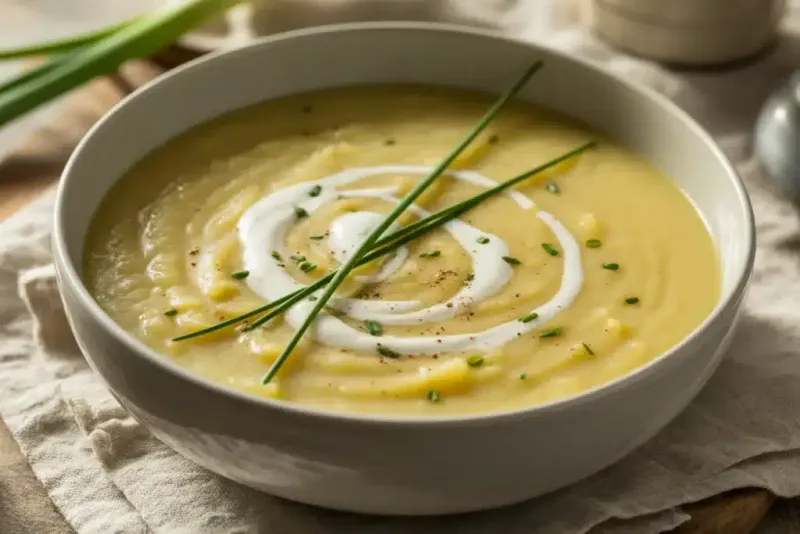
Wales gave us this creamy, mild mannered classic that's become a British staple regardless of region. The combination creates a velvety texture without needing loads of cream, making it feel indulgent whilst remaining relatively virtuous.
Vichyssoise is basically the posh French cousin, but our version stays warm and unpretentious, perfect for packed lunches and quick dinners. Leeks and potatoes are available year round and cost practically nothing, which explains why it appears on every soup menu imaginable.
Simple ingredients, maximum comfort, zero fuss required.
10. Minestrone
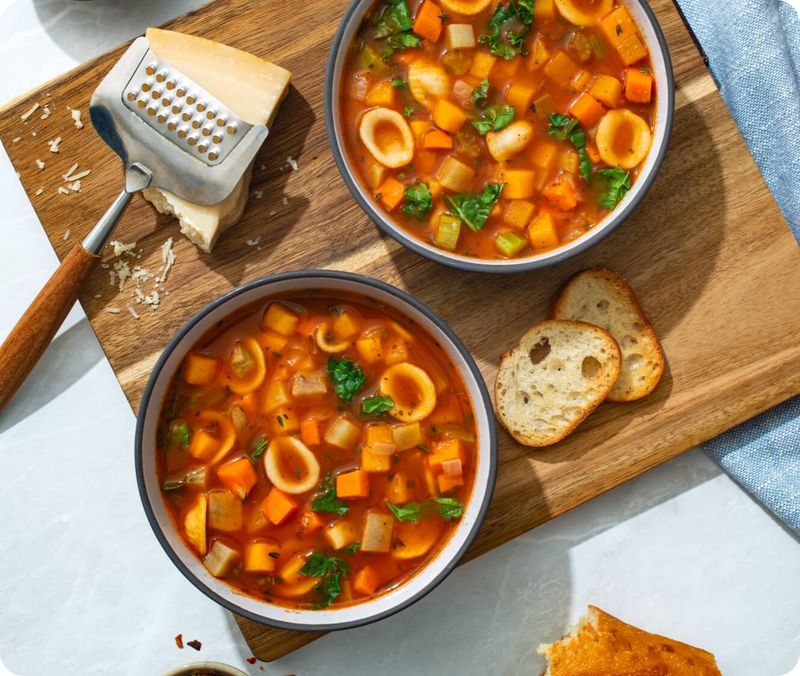
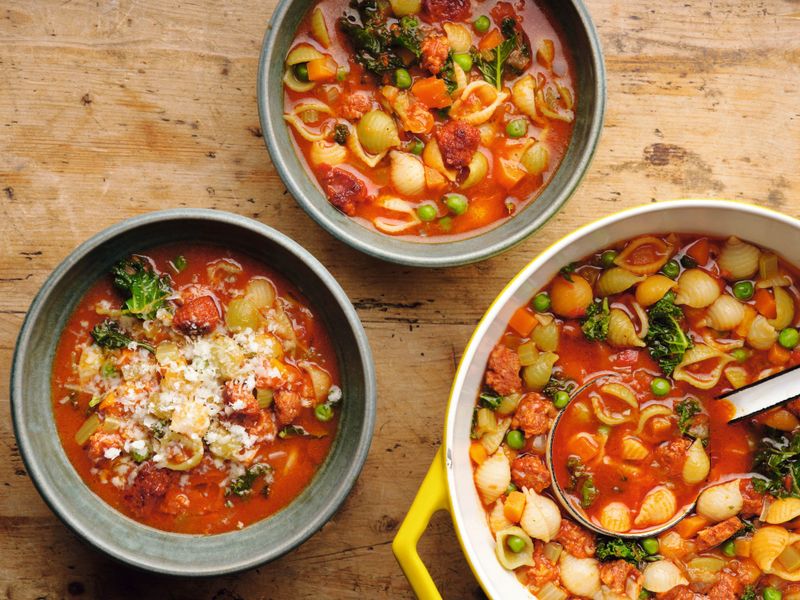
Technically Italian, but Britain has thoroughly adopted minestrone as its own over the past few decades. Supermarkets stock countless versions, and it's become a reliable choice when you want something that feels healthy without being boring.
The chunky vegetables, beans, and pasta make it properly filling, almost a meal in itself rather than just a starter. British versions tend to be less aggressive with the garlic and herbs compared to authentic Italian recipes, suiting our generally milder preferences.
It's proof that Britain happily embraces foreign flavours when they're this good.