


There’s something oddly comforting about looking back at the way people once shopped, especially when you realise how many little habits have quietly faded away.
The grocery routines of the eighties had their own charm, from the sounds, to the smells, to the weekly rituals that made a simple food shop feel like a small event. A few of those traditions vanished without much fanfare, and revisiting them now feels a bit like opening a time capsule.
This content is for general informational purposes only and may not reflect regional differences or individual experiences. Photos, if included, are for illustrative purposes only.
1. Green Shield Stamp Collecting
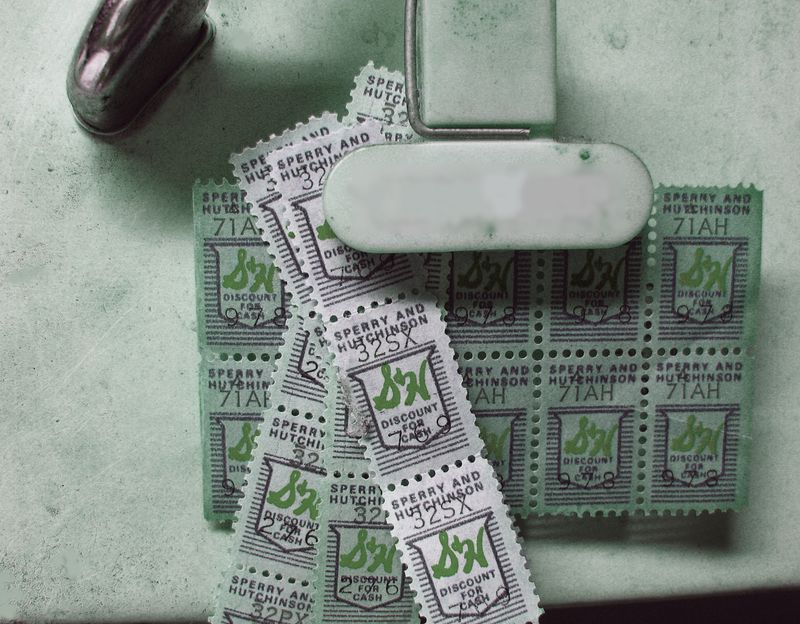
Remember sticking little green stamps into books after every shopping trip? Families eagerly collected these rewards, saving them for months to exchange for kettles, toasters, or even holidays.
Children often helped lick and stick the stamps, turning it into a fun family activity. The excitement of flipping through the catalogue to choose your prize made grocery shopping feel rewarding.
Nowadays, loyalty points appear instantly on your phone, but they lack that satisfying tactile joy.
2. Milk Delivery In Glass Bottles
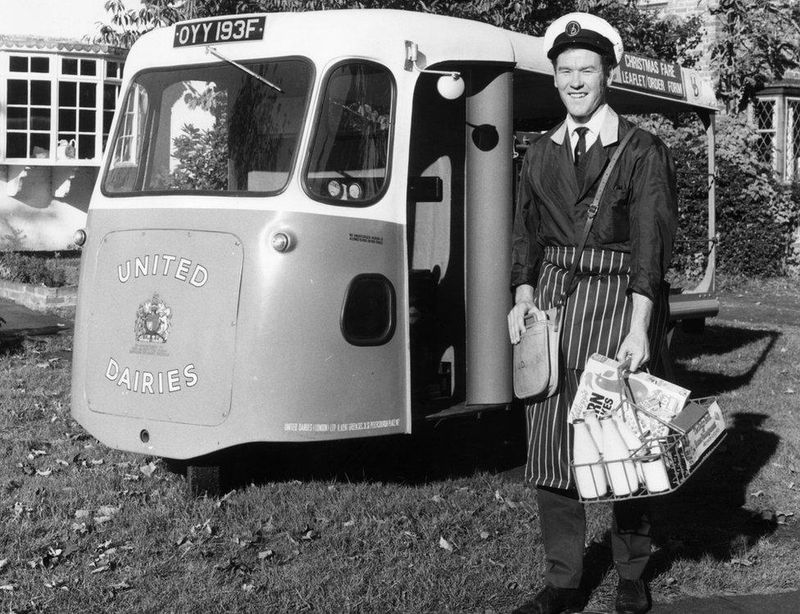
The gentle hum of the milk float arriving before sunrise was a comforting sound in neighbourhoods across Britain. Fresh milk appeared on doorsteps in clinking glass bottles, often with cream sitting at the top.
Milkmen knew their customers personally and would leave extra pints before bank holidays without being asked. Birds learned to peck through the foil tops for a cheeky breakfast treat.
This daily ritual created community connections that supermarket aisles simply cannot replicate.
3. Visiting Independent Butchers And Greengrocers Weekly
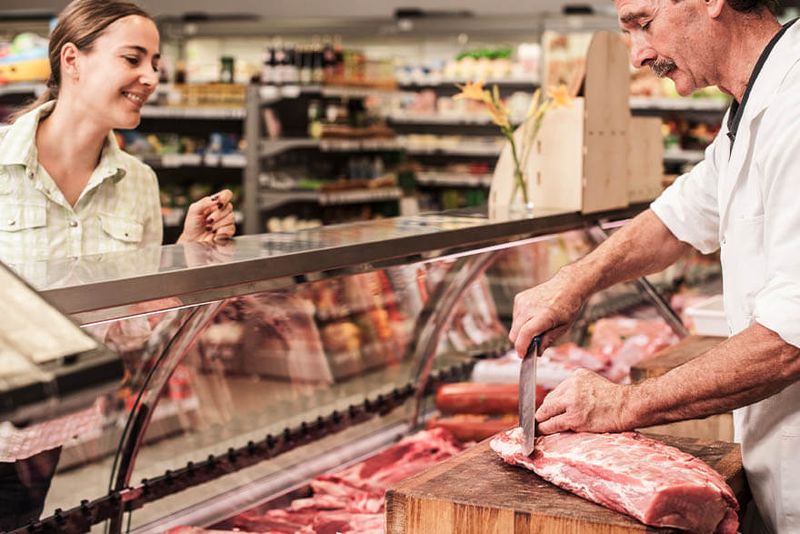
Weekly trips to separate specialist shops were essential for fresh meat and vegetables. Your butcher knew exactly how thick you liked your bacon sliced and would offer cooking advice freely.
Greengrocers displayed produce in wooden crates outside their shops, and you could buy just two carrots if that's all you needed. These shopkeepers took pride in sourcing quality goods and building relationships with regular customers.
Large supermarkets gradually absorbed these independent traders.
4. Buying Loose Sweets From Big Shop Jars
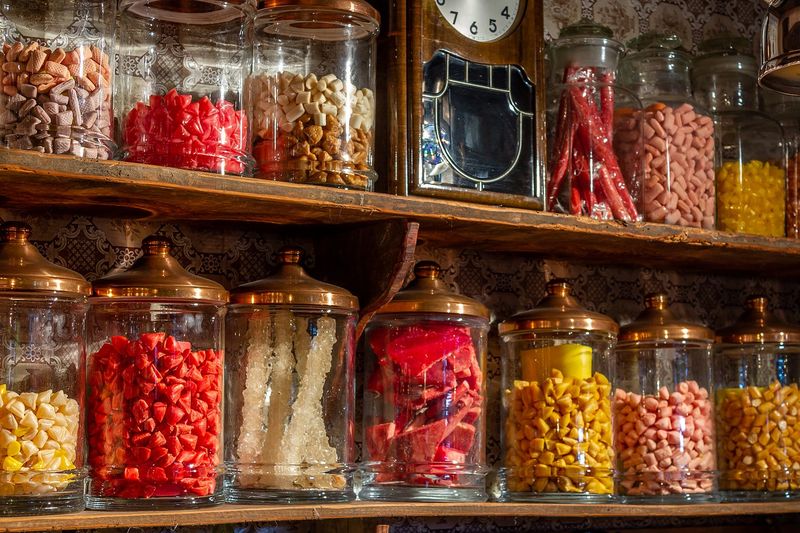
Rows of massive glass jars lined shop counters, each filled with tempting loose sweets like cola cubes, rhubarb and custards, or fizzy flying saucers. You pointed at your favourites whilst the shopkeeper scooped them into paper bags.
Weighing out a quarter pound meant you got exactly what you wanted without buying pre-packed quantities. The ritual of choosing sweets one variety at a time made shopping feel special and personalised.
5. Supermarkets Closing Early On Weekdays
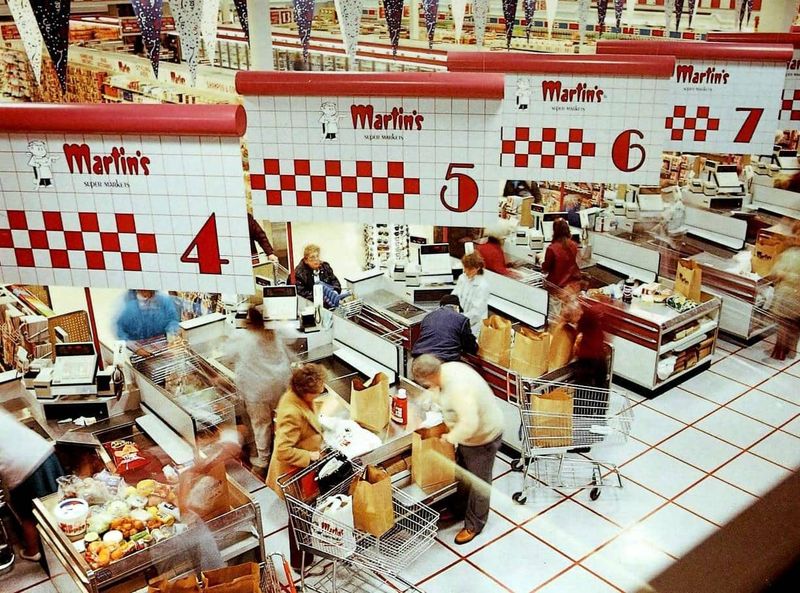
Most supermarkets shut their doors by half past five on weekdays, and many didn't open at all on Sundays. Families had to plan their shopping carefully around these strict hours, often rushing after work.
Saturday mornings became the busiest time, with queues snaking around aisles as everyone stocked up for the week ahead. Missing shopping hours meant surviving on whatever tins lurked at the back of your cupboard.
Extended trading laws transformed shopping into a round-the-clock possibility.
6. Checkout Assistants Memorising Prices
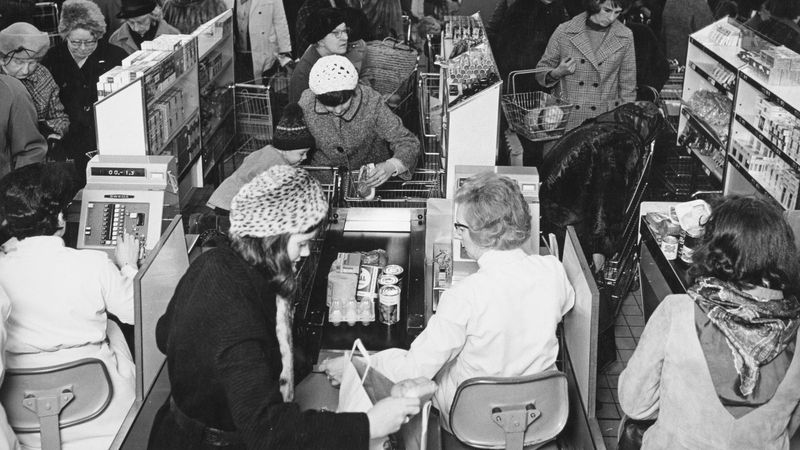
Before barcode scanners became standard, checkout staff memorised hundreds of product prices and typed them into tills manually. Their fingers flew across number keys with impressive speed and accuracy.
Regular items like bread and milk were committed to memory, whilst unusual products required price checks that slowed everything down. Customers watched the till display anxiously, mentally calculating their total to avoid overspending.
This skill became unnecessary once scanning technology arrived in stores nationwide.
7. Chatting With Neighbours During Weekly Shopping Trips
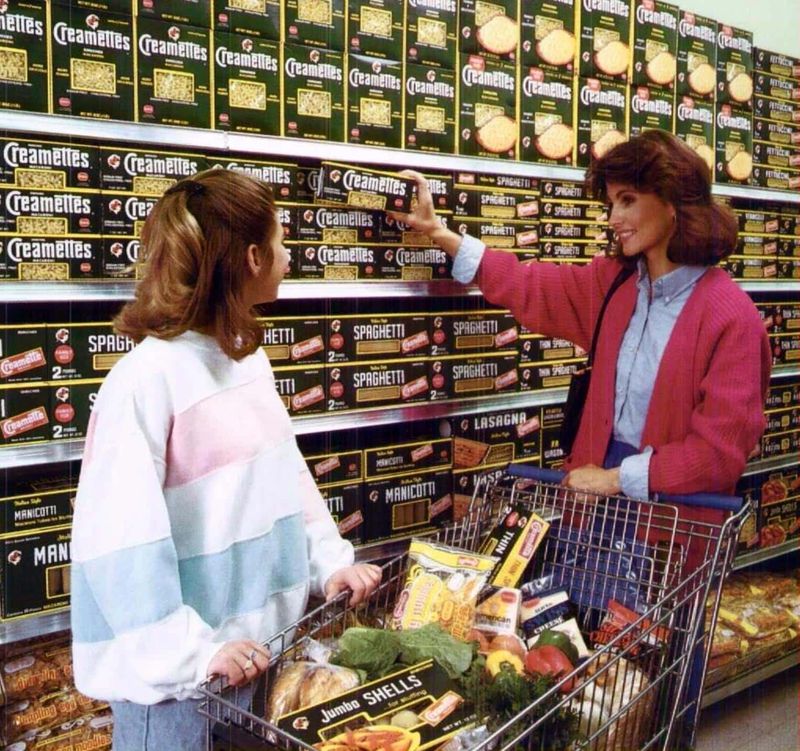
Bumping into neighbours during Saturday shopping was practically guaranteed, turning errands into social occasions. Conversations in the cereal aisle could last fifteen minutes, blocking other shoppers who waited politely rather than interrupting.
You'd catch up on local gossip, discuss whose children were doing what, and compare notes on which products offered best value. These impromptu meetings strengthened community bonds in ways that rushing through self-service checkouts simply cannot. Modern shopping habits prioritise speed over socialising.
8. Store Managers Wearing Formal Suits And Ties

Supermarket managers dressed like bank executives, wearing smart three-piece suits complete with polished shoes and briefcases. Their formal appearance commanded respect and made them easily identifiable to customers seeking assistance.
They walked the shop floor regularly, observing staff and ensuring standards remained high throughout their store. This visible authority figure made customers feel the shop was being properly managed and taken seriously.
9. Special Occasion Shopping Trips Feeling Like Events
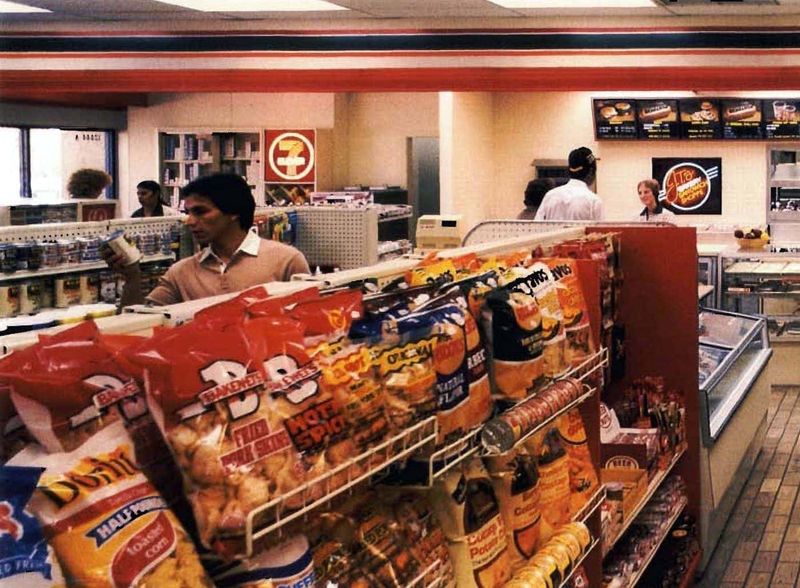
Big shopping trips felt like proper occasions rather than routine chores, especially when children came along. Families dressed smartly, and kids knew that good behaviour might earn a comic or small treat from the checkout display.
The weekly shop took hours, with parents carefully comparing prices and planning meals for days ahead. Impulse buying was less common because budgets were tighter and credit cards weren't used as casually as today.
Convenience and speed have replaced this thoughtful, ceremonial approach.