








Peanut butter has a funny way of sitting quietly in the cupboard long enough for you to wonder whether it’s still safe to scoop.
The good news is that it usually lasts longer than most people think, though there are a few signs that can help you tell when it has truly reached the end of its run. A little know-how makes it much easier to decide whether to spread it on toast or send it to the bin.
This content is for general informational purposes only and may not reflect individual storage habits or product variations. Photos, if included, are for illustrative purposes only.
Check The Best Before Date And Storage Conditions
Start by looking at the best before date stamped on the jar, as this gives a reliable guide to how long the peanut butter keeps its best quality. Unopened jars usually stay safe to eat for many months past this date if they have been stored in a cool, dry cupboard away from direct sunlight.
Once opened, the shelf life shortens, especially if the jar is kept at room temperature rather than in the fridge. Natural peanut butters with fewer additives generally spoil faster than smooth, stabilised versions.
If the jar has been sitting open in a warm kitchen for a long time, you should be more cautious, even if the date has not yet passed.
Look For Changes In Smell And Taste
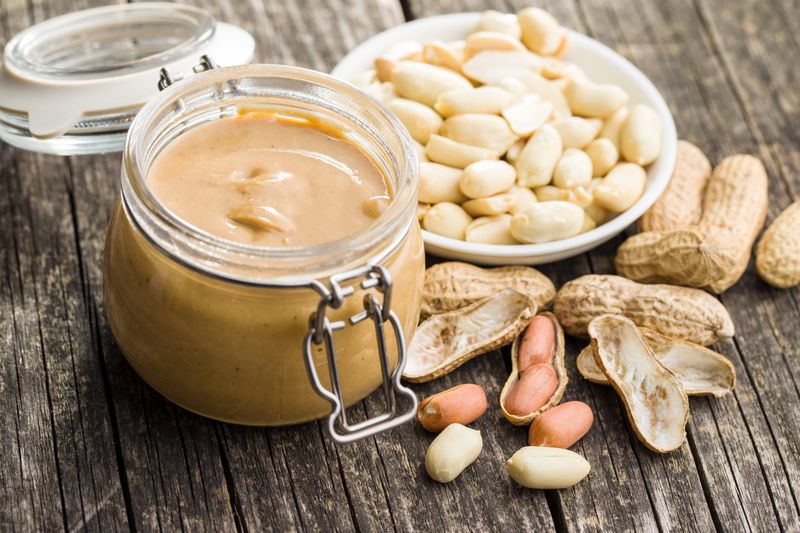
Fresh peanut butter has a mild, nutty aroma and a pleasant, toasty flavour. When it starts to go off, the fats in the peanuts can turn rancid, creating a sharp, bitter or paint like smell.
A rancid jar may still look normal but will taste harsh, sour or strangely stale rather than rich and nutty. Rancid peanut butter is not pleasant to eat and should be discarded rather than masked with other ingredients.
Trust your senses here: if the smell or taste makes you hesitate, it is safer to throw it away.
Check The Texture And Appearance Carefully
A thin layer of oil on top is normal, especially in natural peanut butter, and can simply be stirred back in. However, large clumps, a very dry, crumbly texture or greasy separation that will not mix smoothly can signal that the product is past its best.
Any visible mould, even a small spot on the surface or around the rim, means the whole jar should be thrown away, as mould can send microscopic threads deeper into the food. Unusual colours, such as grey, green or white fuzzy patches, are a clear sign to bin it immediately.
The jar itself should also be checked for dents, bulging lids or rust if it is a metal container, as this can indicate damage or contamination.
Notice Any Signs Of Contamination
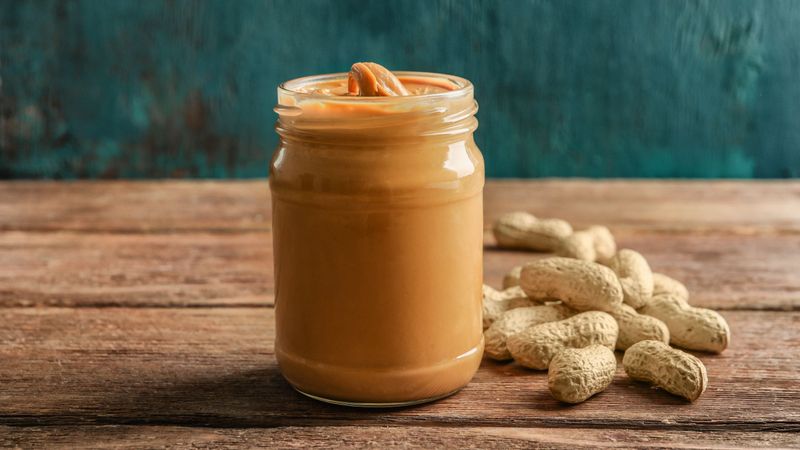
Peanut butter that has been repeatedly double dipped with knives covered in jam, crumbs or other foods can spoil more quickly. Introducing moisture, bread crumbs or bits of fruit gives bacteria and mould more to feed on, especially at room temperature.
If you see streaks of other foods, wet patches or anything that does not look like plain peanut butter, the safety margin is lower. A jar that has been left open on the counter for long periods is also more exposed to airborne spores and kitchen dust.
Using a clean, dry spoon each time and closing the lid tightly helps keep the peanut butter safe for much longer.
When In Doubt, Throw It Out
No guide can cover every single situation, so your senses and common sense are important. If your peanut butter smells odd, tastes bitter, looks mouldy or has been stored badly, it is safer to get rid of it than to take a chance.
Eating rancid or spoiled peanut butter is unlikely to be worth the risk, especially for children, older adults or anyone with a weaker immune system. Because peanut butter is relatively inexpensive and widely available, replacing a suspicious jar is usually the wisest choice.
When something feels off, treating that as your final signal keeps your kitchen and your body on the safe side.