





Breakfast habits in Britain have evolved significantly over the years, leaving some once-common dishes firmly in the past while others continue to hold a cherished place on the nation’s tables.
These changes reflect shifts in taste, pace of life, and the foods people now reach for to start their day.
Looking back at forgotten favourites alongside the classics Britain still enjoys offers a glimpse into how morning routines have transformed across generations.
This content is for general information only. Food traditions vary by region and household, and availability may differ by location. Photos are for illustrative purposes only.
Forgotten Breakfasts No One Eats Anymore
Morning meals used to look wildly different in Britain. Grand Victorian breakfast spreads featured dishes that would seem quite odd to modern eaters, filled with offal, preserved meats, and hearty flavours built for manual labour.
Many of these classics required long preparation times and ingredients that aren't as readily available today. As lifestyles became faster and tastes changed, these labour-intensive morning feasts gradually faded from daily routines, replaced by quicker, simpler options that fit our busy schedules better.
1. Kedgeree
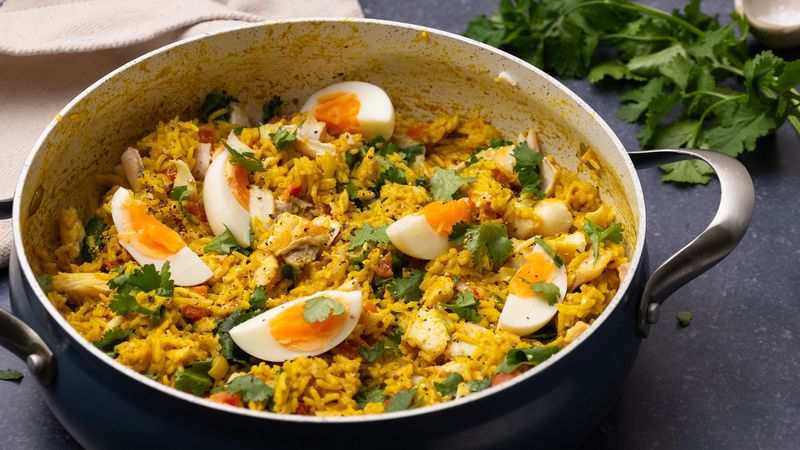
Originally brought back from colonial India, this spiced rice and fish dish became a breakfast staple in upper-class Victorian households. Flaked smoked haddock mixed with rice, boiled eggs, and curry powder created a warming start to the day that felt both exotic and comforting.
The dish required proper planning and cooking skills, which made it less practical as Britain's pace quickened. Whilst some hotels still serve it occasionally, kedgeree has mostly vanished from home kitchens, remembered fondly but rarely recreated in modern breakfast routines.
2. Devilled Kidneys
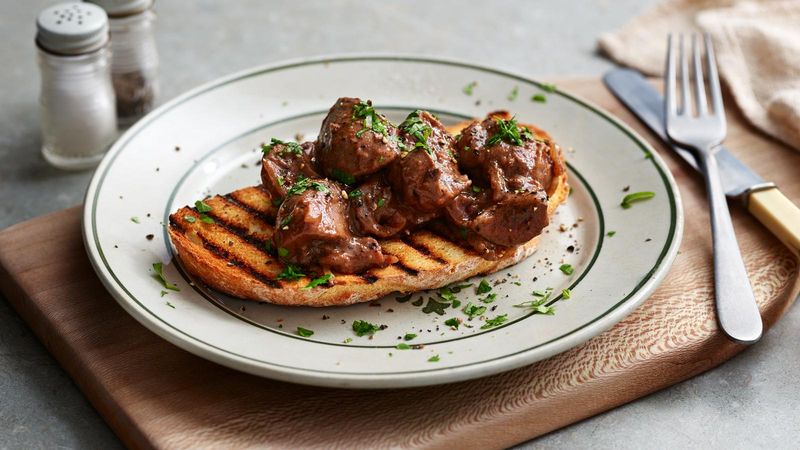
Lamb or pig kidneys cooked in a fiery, mustardy sauce were once considered the height of breakfast sophistication. The rich, slightly metallic flavour paired with spicy, tangy seasoning created a bold morning dish that separated adventurous eaters from the timid.
Offal has fallen dramatically out of favour in British kitchens over the past few decades. Younger generations rarely cook with kidneys at all, and the strong taste doesn't appeal to modern palates accustomed to milder breakfast flavours like cereals and toast with jam.
3. Fried Bread
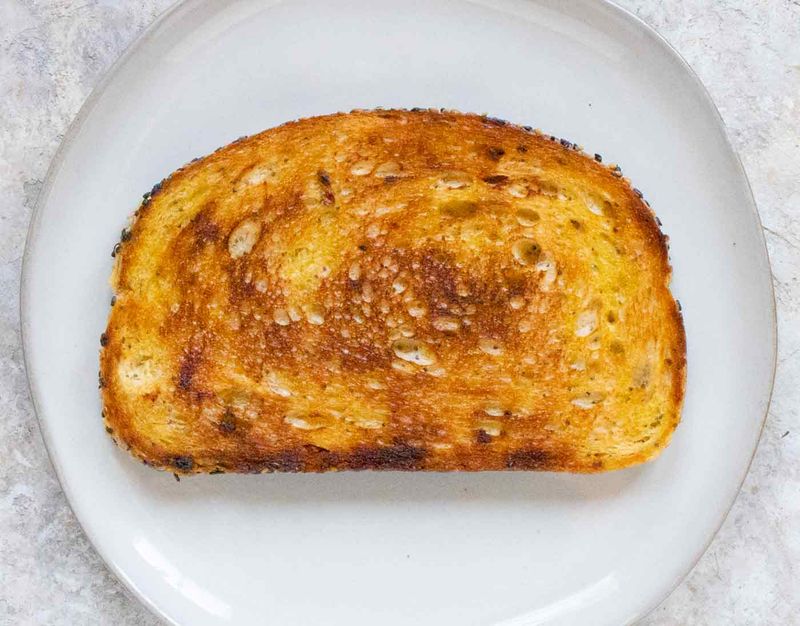
Before toast became the default, bread fried in leftover bacon fat or lard was the ultimate breakfast treat. Crispy on the outside and soft within, it soaked up egg yolk and bean sauce beautifully, adding serious flavour and texture to any cooked breakfast.
Health concerns about saturated fats pushed fried bread off most breakfast tables by the 1990s. Toast became the healthier, easier alternative, and most people now associate fried bread with greasy spoon cafes rather than home cooking, though some nostalgic souls still make it occasionally.
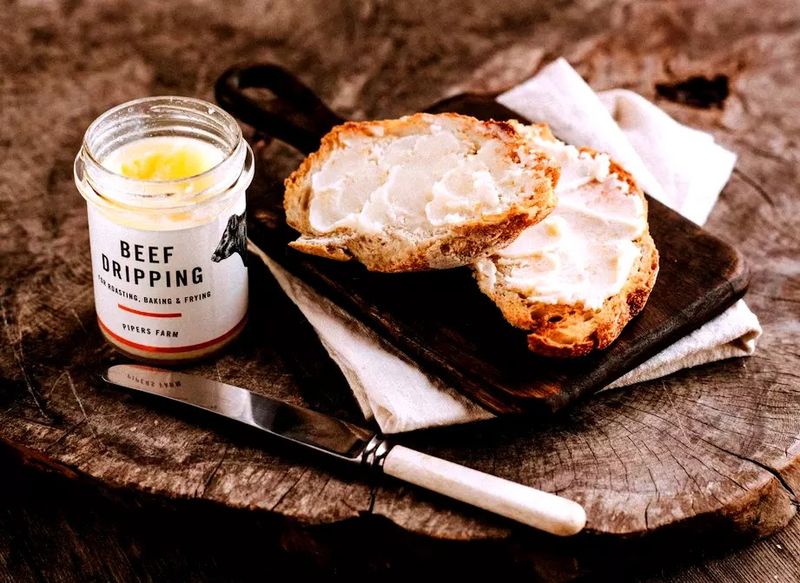
4. Bread And Dripping
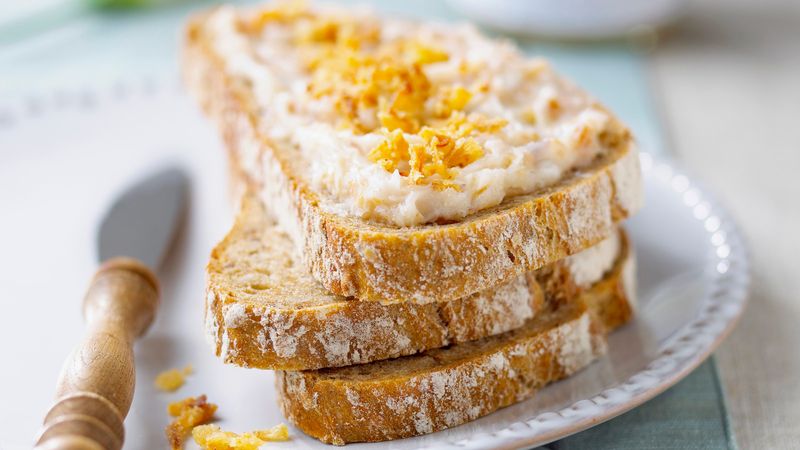
Nothing screams post-war Britain quite like bread spread thickly with beef dripping, the solidified fat saved from Sunday roasts. Sprinkled with salt and sometimes a bit of the jelly from underneath, it provided cheap, filling fuel for workers heading out for long shifts.
Modern refrigeration and changing attitudes towards animal fats meant dripping disappeared from most households. Younger Brits have never even tasted it, and the idea of eating pure beef fat on bread seems bizarre to health-conscious eaters who prefer avocado or nut butters instead.
5. Porridge With Salt (Scottish Style)
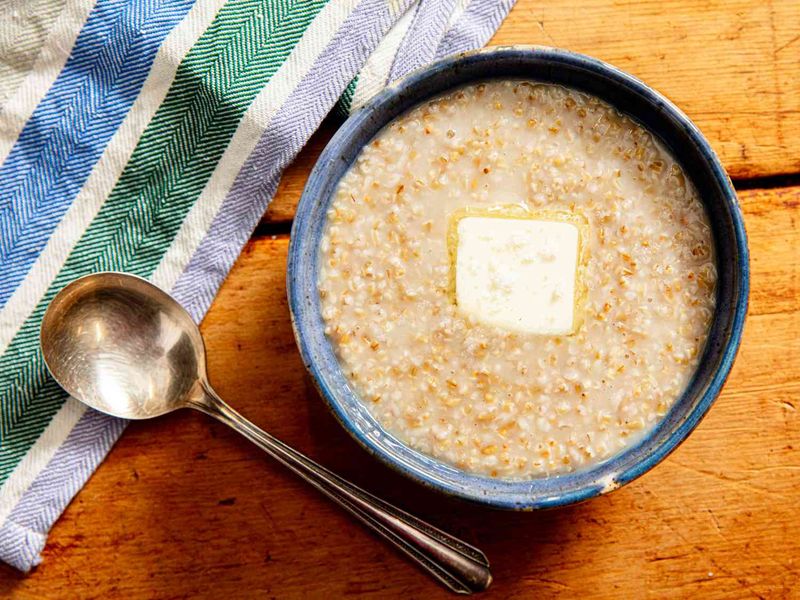
Scots have long eaten their porridge the proper way, with just oats, water, and a pinch of salt to enhance the natural grain flavour. This traditional preparation method was considered the only authentic approach, with sugar and sweet toppings viewed as English corruption.
Whilst purists still exist, most British porridge eaters now prefer their morning oats sweetened with honey, fruit, or syrup. The savoury version feels too austere for modern tastes, and even in Scotland, younger generations often choose sweet variations over their ancestors' plain, salted bowls.
Breakfasts Britain Still Loves
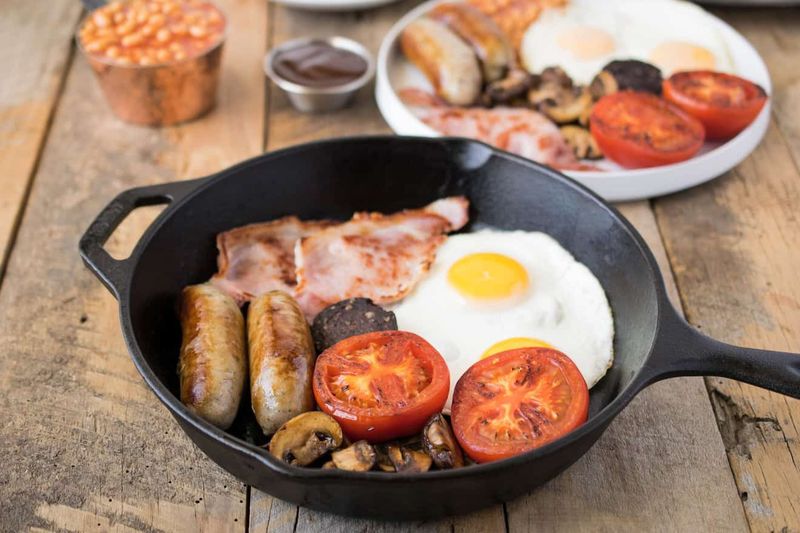
Some breakfast traditions refuse to budge, no matter how much food culture evolves. Despite waves of international influences and health trends, certain British morning meals remain firmly planted in the national routine, appearing in homes, cafes, and hotel buffets across the country.
These enduring favourites combine convenience, comfort, and familiarity in ways that newer options struggle to match. Whether it's a leisurely weekend treat or a quick weekday fuel-up, these classics continue to define what British breakfast means to millions of people every single morning.
6. Porridge With Sweet Toppings
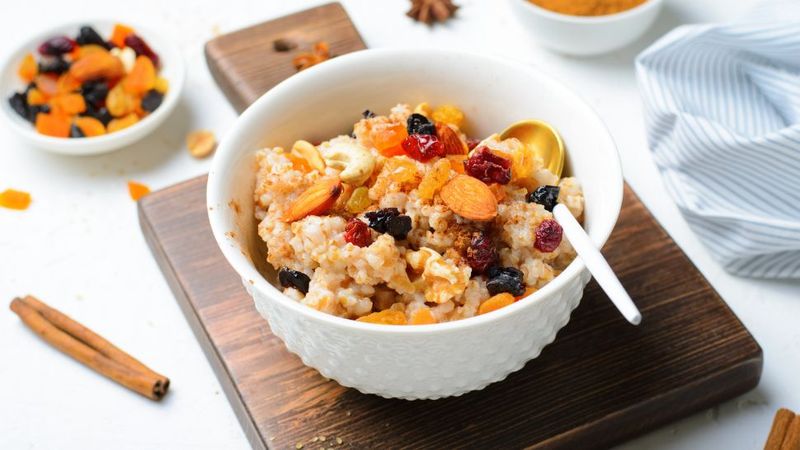
Oats cooked with milk and dressed up with honey, fruit, nuts, and seeds have become the breakfast of choice for health-conscious Brits. Supermarkets stock dozens of porridge varieties, from instant sachets to fancy Scottish oats, catering to every preference and time constraint.
The combination of fibre, slow-release energy, and customisable toppings makes porridge endlessly adaptable. Nutritionists regularly recommend it for heart health and weight management, and its popularity shows no signs of slowing, especially during colder months when warming bowls feel particularly comforting and satisfying.
7. Beans On Toast
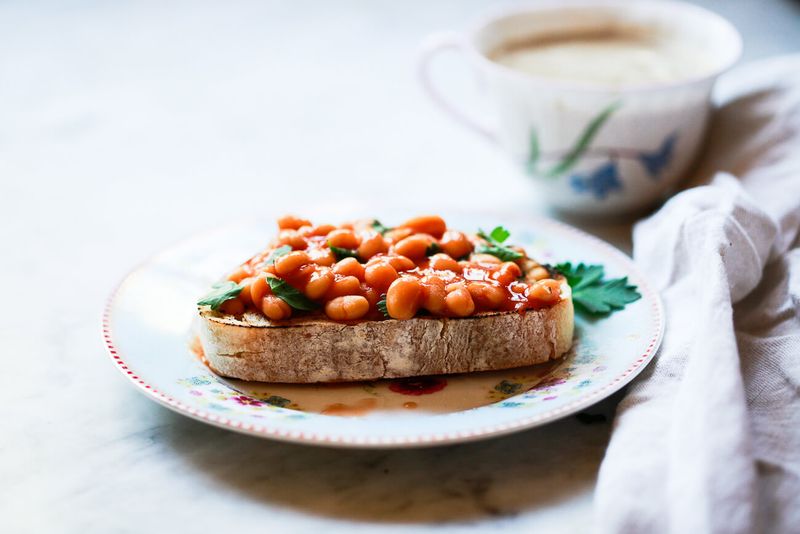
Few things are more quintessentially British than Heinz beans ladled over buttered toast. This simple, cheap, and surprisingly satisfying combination has fed students, workers, and families for generations, requiring minimal cooking skills and even less time to prepare.
The meal provides protein, fibre, and carbohydrates in one quick package, making it practical as well as comforting. Whether eaten as a rushed weekday breakfast or a lazy Sunday snack, beans on toast remains a national treasure that transcends class and age, beloved from bedsits to country estates alike.
8. Full English Breakfast
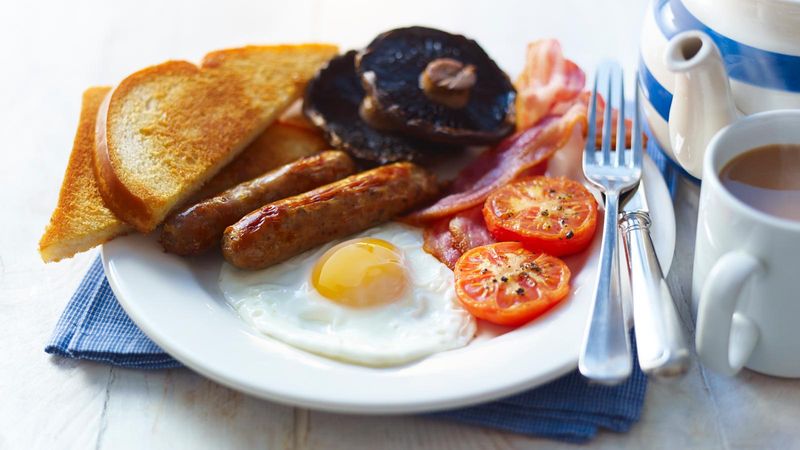
Bacon, sausages, eggs, beans, mushrooms, tomatoes, and toast form the backbone of Britain's most iconic meal. Whether called a fry-up, full English, or cooked breakfast, this hearty plate represents weekend indulgence and hotel holiday mornings for millions across the nation.
Despite health warnings about saturated fats, the full English refuses to disappear. Cafes and pubs serve thousands daily, and home cooks still fire up the frying pan on Saturday mornings, proving that sometimes tradition and taste trump nutritional advice when breakfast decisions get made.
9. Breakfast Sandwiches And Baps
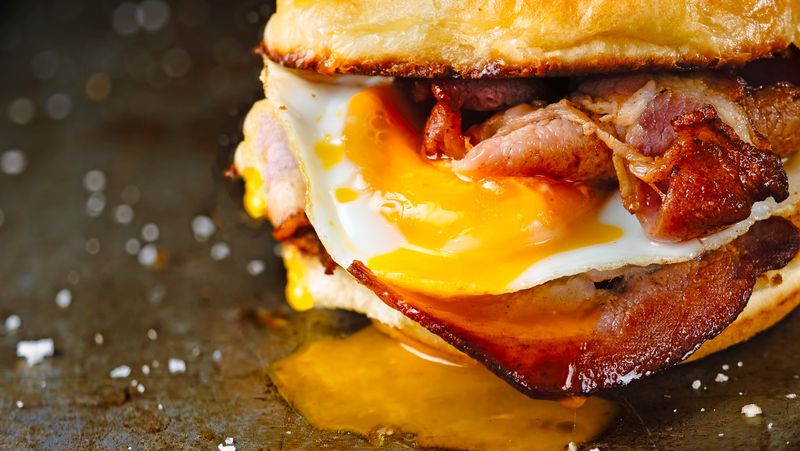
A bacon bap with brown sauce from a greasy spoon or service station remains one of Britain's most cherished breakfast rituals. Sausage, egg, or combinations thereof stuffed into soft white rolls provide portable comfort food that tastes better than any fancy brunch option could manage.
High street chains like Greggs and Pret have built empires on breakfast sandwiches, proving their enduring appeal across all demographics. The grab-and-go convenience fits modern lifestyles perfectly, whilst the familiar flavours provide reassurance during rushed morning commutes and early starts at work sites nationwide.
10. Cereal And Milk
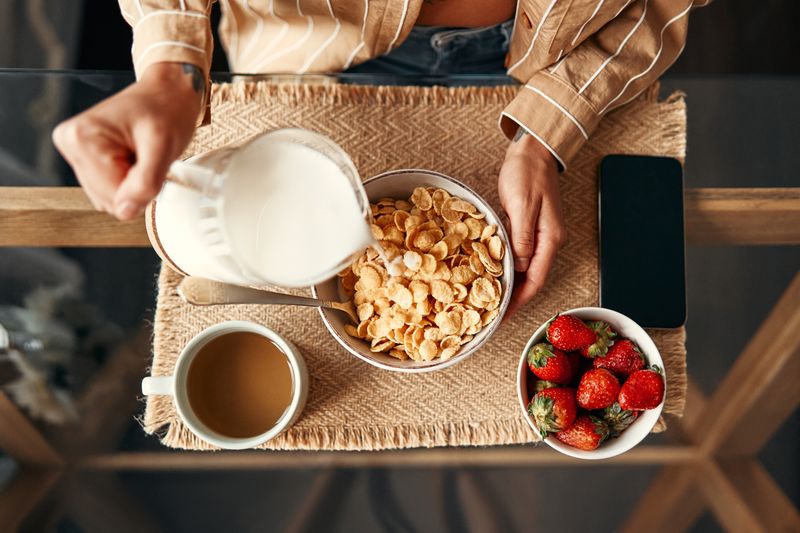
Cornflakes, Weetabix, muesli, or whatever takes your fancy, cereal remains Britain's quickest breakfast solution. Supermarket aisles dedicate entire sections to boxed cereals, from sugar-laden kids' favourites to virtuous high-fibre options aimed at health-conscious adults seeking convenient morning nutrition.
The simplicity cannot be beaten: pour, add milk, eat, done. Whilst nutritionists debate sugar content in certain brands, cereal's convenience and variety ensure it stays firmly planted in British breakfast culture, feeding millions of schoolchildren and office workers every single weekday morning without fail.