

British food traditions can be wonderfully charming, especially when you try to explain them to someone who hasn’t grown up with them. From the dishes that appear only on special days to the quirky habits that seem completely normal here, there is something delightfully puzzling about how these customs have survived.
You might even catch yourself smiling as you think about which ones would be the hardest to explain.
This article provides general information only and should not be taken as professional advice. Photos are for illustrative purposes only.
Beans On Toast As A Serious Meal
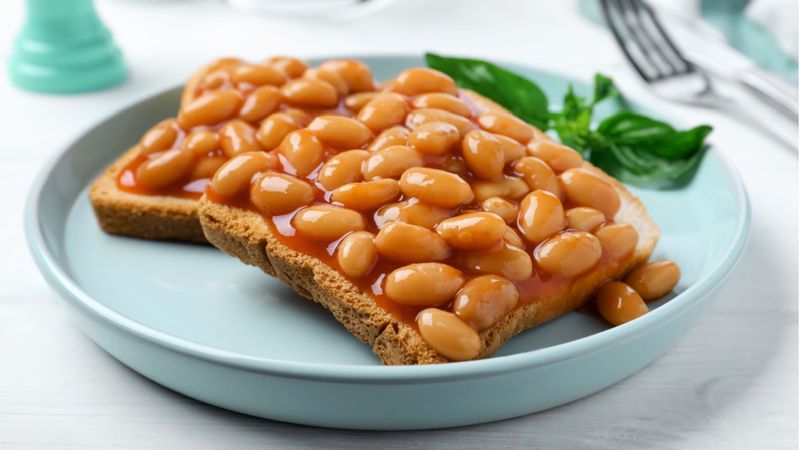
Explaining beans on toast to someone non-British is always a moment of pure joy. It's simple, cheap and considered a perfectly respectable breakfast, lunch or emergency dinner.
The beans must be Heinz, the toast must be buttered, and the whole thing somehow manages to taste far better than it looks. People abroad often assume it's a joke until they actually try it.
This comforting classic dates back to the early 1900s when tinned foods became affordable and widely available. Today, it's still beloved because it delivers warmth, nostalgia and absolutely no effort.
A Full English Breakfast That Could Defeat A Viking
Trying to describe a full English to someone unfamiliar with it can feel like reading out a shopping list. You've got sausages, bacon, eggs, tomatoes, mushrooms, black pudding, hash browns and toast, sometimes all piled onto a single plate.
It's a meal designed to keep you going through cold mornings, long workdays or simply because it tastes great. The tradition became popular during the Victorian era when large breakfasts symbolised hospitality.
It's a breakfast so hearty that visitors often think it's meant for a festival rather than a Tuesday morning. Yet once they taste it, they absolutely understand the devotion.
The Obsession With Sandwiches
Brits love sandwiches so much that the average person eats them several times a week. From prawn mayo to coronation chicken, the fillings can be wonderfully unexpected to anyone unfamiliar with them.
The sandwich itself was named after the 18th-century Earl of Sandwich, who reportedly wanted food he could eat while playing cards. Britain took that idea and ran with it, creating endless combinations.
Even supermarkets have entire walls dedicated to packaged sandwiches, each with its own fanbase. To an outsider, it can feel like a national sport.
The Sunday Roast Ritual That Stops The Country
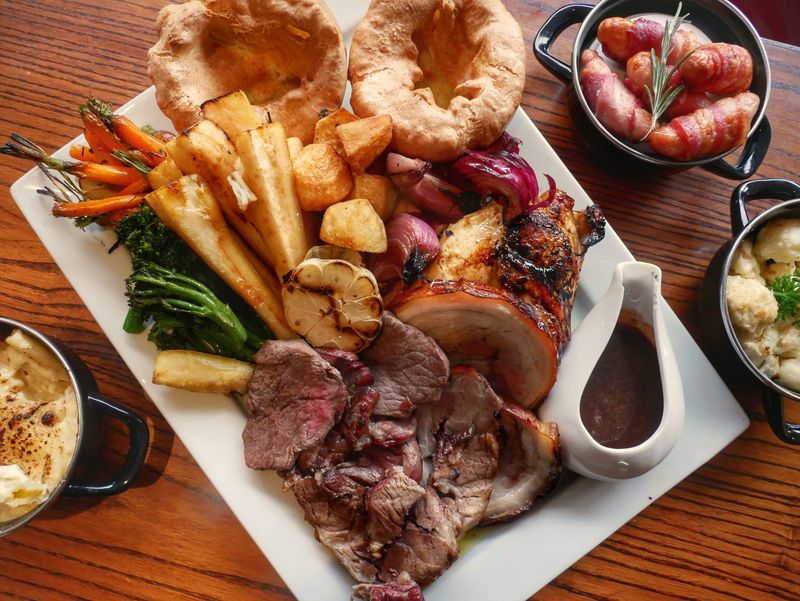
Trying to explain a Sunday roast is like explaining a national hug. Every Sunday, families gather for roast meat, crispy potatoes, vegetables, stuffing, gravy and Yorkshire puddings that rise like golden clouds. It's less a meal and more a weekly ceremony.
The tradition began centuries ago when families would put meat in the oven before church so it was ready when they returned. Today, it remains the ultimate comfort meal, and pubs across the country serve it with pride.
Non-British folks are often stunned at the scale, but once they try it, they get why the whole nation slows down for it.
Jelly And Ice Cream At Parties No Matter Your Age
Explaining the British love for jelly and ice cream at children's parties feels like stepping back into the 1950s. It's simple, colourful and brings waves of nostalgia to almost every adult who grew up in the UK.
This classic combination became popular thanks to affordable gelatin desserts and the post-war rise of ice cream vans. It's light, wobbly, cheerful and adored at birthday parties to this day.
Non-British guests often see it as old-fashioned until they try it and instantly feel eight years old again. It is one of those traditions that survives purely because it makes people smile.
The Great British Picnic Tradition
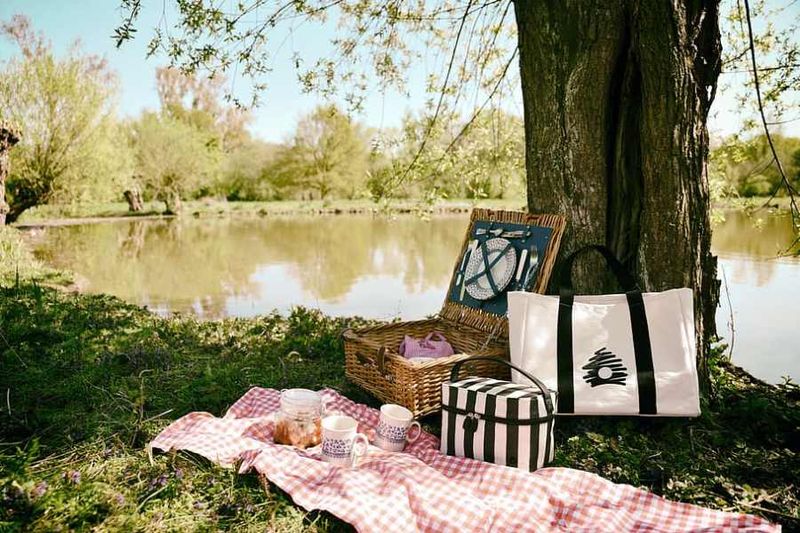
A British picnic is far more than eating outdoors - it's a full production. You'll find Scotch eggs, sausage rolls, pork pies, crisps, strawberries and Victoria sponge, all crammed into one basket.
The tradition goes back centuries, but it truly flourished in Victorian times when outdoor leisure became fashionable. Even unpredictable British weather cannot stop people from spreading out a blanket and making the most of it.
Visitors often expect something gourmet and are instead greeted with a quirky mix of homemade treats and supermarket favourites. It's casual, slightly chaotic and completely charming.
Afternoon Tea As A National Institution
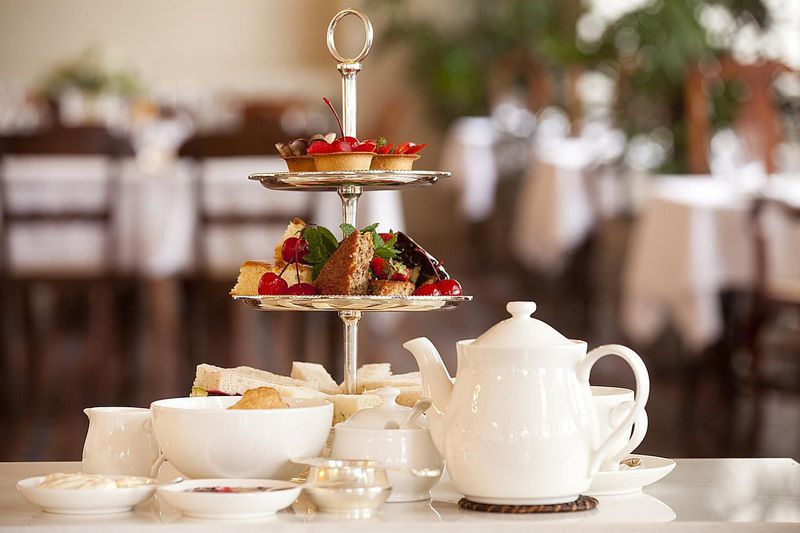
Afternoon tea isn't just a snack - it's an event that carries centuries of British elegance and ritual. Introduced in the 1840s by Anna, the Duchess of Bedford, it was created to bridge the gap between lunch and late dinner.
You're served finger sandwiches with the crusts cut off, warm scones with clotted cream and jam, plus dainty cakes and pastries. Everything arrives on a tiered stand, and there's always a proper pot of tea.
Visitors are often surprised by how formal yet cosy it feels. It's fancy without being fussy, and it remains a beloved tradition in hotels and tearooms across Britain.