

Some British foods have a funny way of looking far fancier to American eyes than they ever feel here at home. What many visitors see as charming, elegant or downright posh are often the same things Brits grab for quick lunches, school fêtes or casual weekend treats.
Taking a closer look at these everyday favourites reveals just how different a dish can seem depending on where you’re standing.
This content is for general informational purposes only and may not reflect regional availability or individual preferences. Photos are for illustrative purposes only.
1. Prawn Cocktail
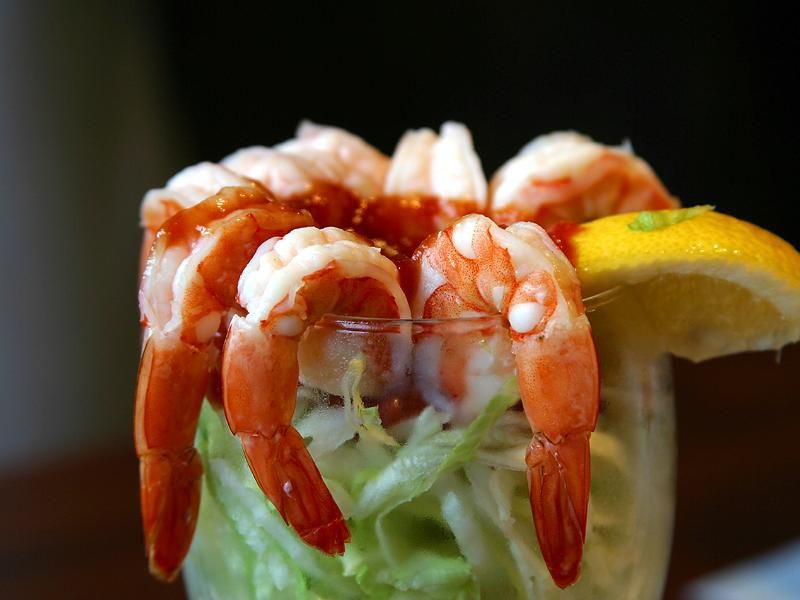
Marie Rose sauce mixed with prawns on a bed of lettuce sounds upmarket, but it's actually a retro starter found in every British pub. Your nan probably served this at dinner parties in the 1970s.
The pink sauce is just ketchup and mayonnaise with a dash of lemon. Most Brits associate this dish with outdated menus rather than fine dining. It's comfort food nostalgia, not haute cuisine.
2. Scotch Eggs
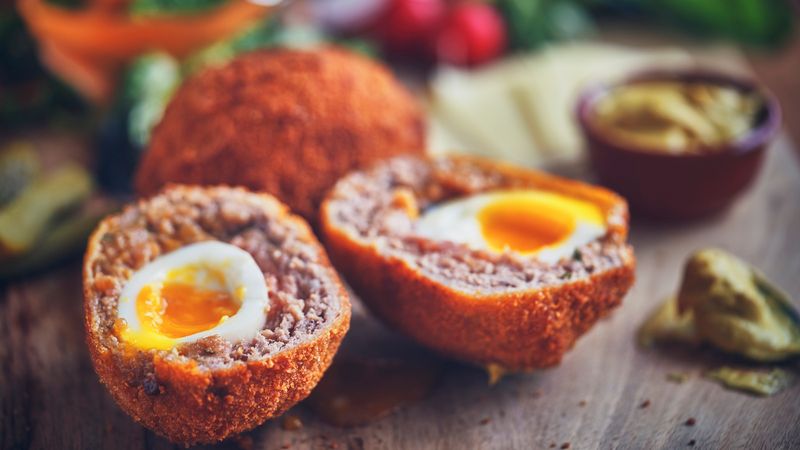
A hard-boiled egg wrapped in sausage meat and fried might look like culinary genius, but it's standard petrol station fare. Brits grab these cold from supermarket shelves for picnics and road trips.
They're filling, portable, and decidedly working-class. Fancy versions exist in gastropubs, but the original is humble packed-lunch material. Nothing posh about eating one straight from the chiller aisle whilst queuing for petrol.
3. Sausage Rolls
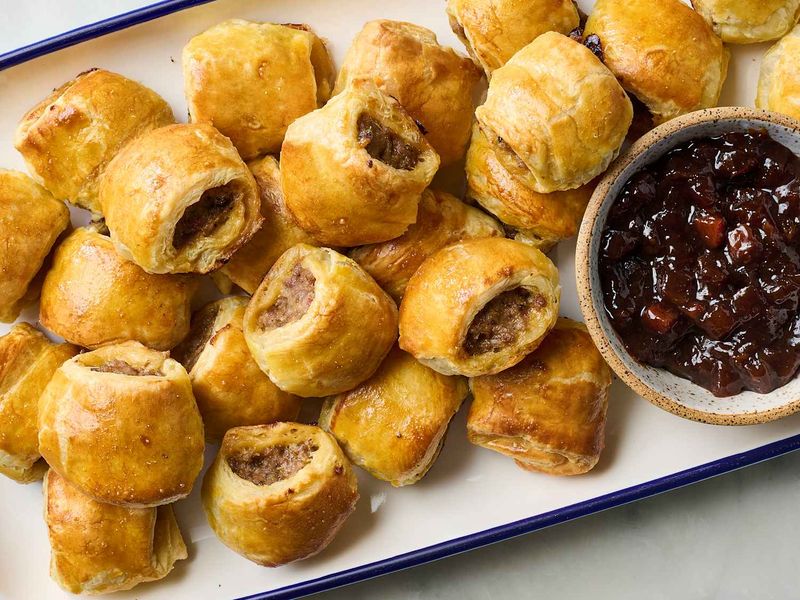
Flaky pastry wrapped around seasoned sausage meat appears elegant, yet every British bakery chain sells these for under a quid. Greggs has built an empire on them.
They're party food, football snacks, and breaktime treats. Mums make them for school fêtes using shop-bought puff pastry. The fanciest thing about sausage rolls is deciding whether to eat them hot or cold at a buffet.
4. Shepherd's Pie
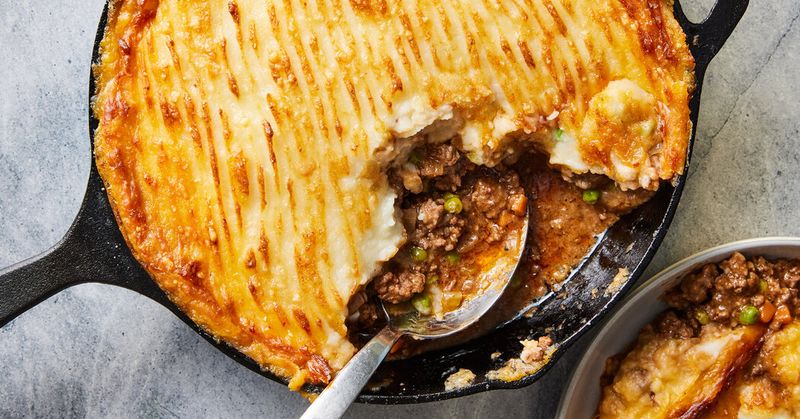
Shepherd’s pie might sound rustic and charming, but it’s really just a clever way to use leftover cooked lamb. The name comes from the use of lamb, not because shepherds were sitting in fields eating it.
British families have been baking versions of this dish for generations, turning scraps into something warm and comforting. It’s homely, hearty and absolutely everyday, not the fancy creation some visitors imagine.
5. Victoria Sponge
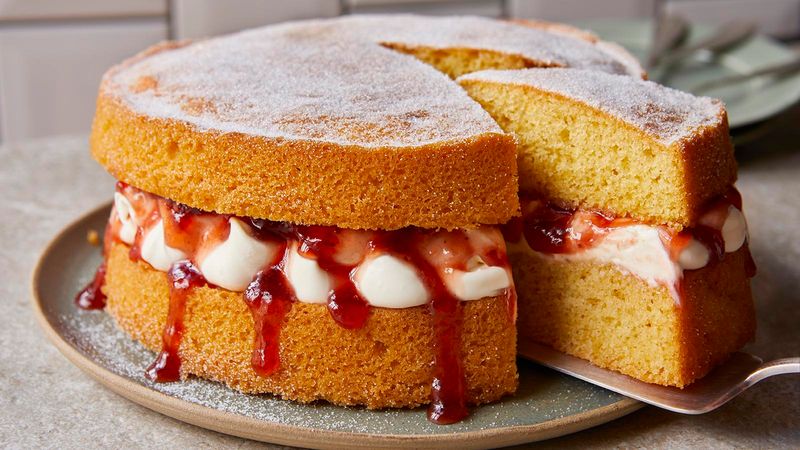
Named after Queen Victoria, this cake sounds regal, but it's the most basic cake recipe British children learn in school. Two sponges sandwiched with jam and buttercream require minimal baking skills.
Church fêtes overflow with homemade Victoria sponges competing for blue ribbons. It's lovely with a cuppa, certainly, but it's about as fancy as a cardigan. Simple, reliable, and thoroughly ordinary in the best way.
6. Ploughman's Lunch
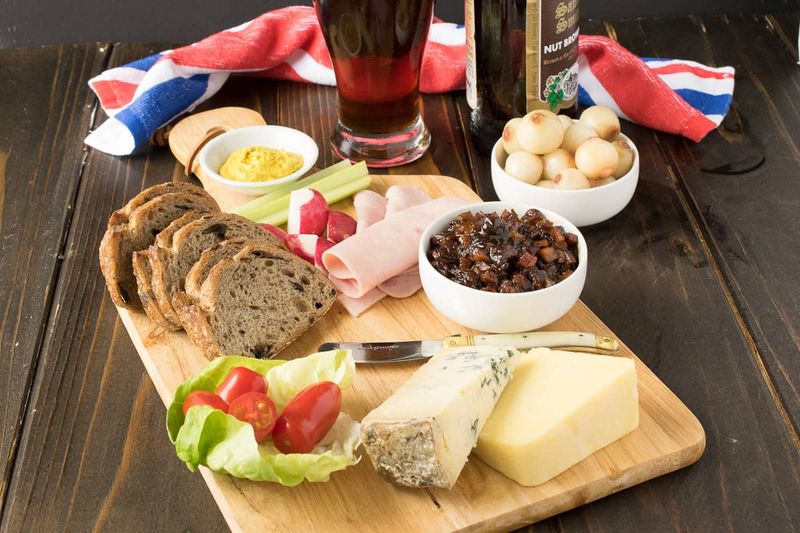
A ploughman’s lunch looks rustic and artisanal, but it’s essentially bread, cheese and pickles arranged on a plate. The dish itself goes back centuries, though the name was heavily promoted by the Milk Marketing Board in the mid twentieth century.
Pubs adopted it because it was quick to serve and required no cooking at all. It’s simple, satisfying and very ordinary, even if it photographs like a countryside masterpiece.
7. Jacket Potatoes
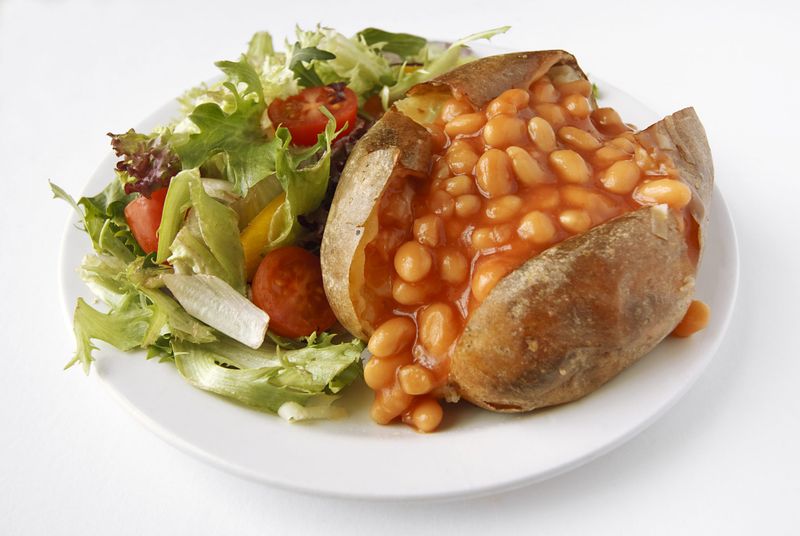
Americans call them baked potatoes, but adding the word "jacket" doesn't make them fancier. These are cheap, filling meals from high street cafés and market stalls.
Students live on these because they're dirt cheap and easy to microwave. Common toppings include baked beans, tinned tuna, or coleslaw. Calling a spud in its skin fancy is like calling a paper napkin a linen serviette.
8. Sticky Toffee Pudding
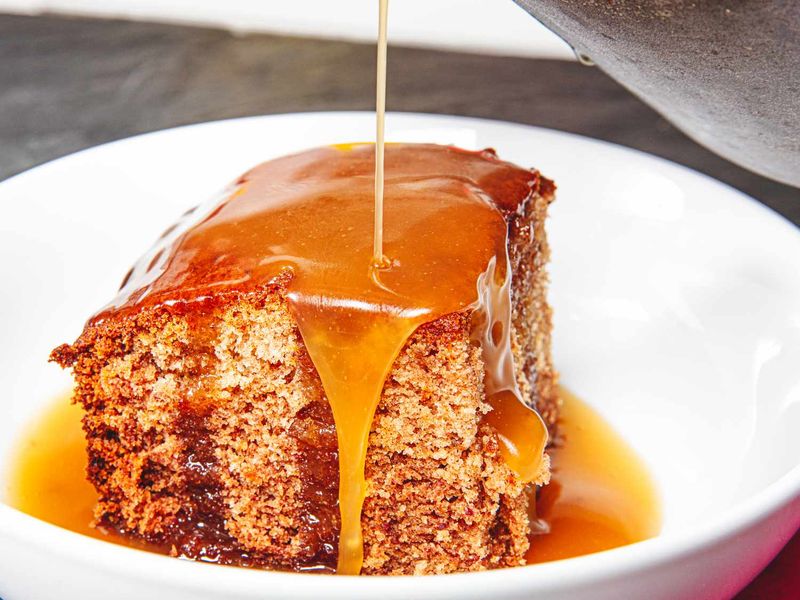
This moist sponge cake drenched in toffee sauce does taste divine, but it's standard pudding menu fare in every pub and school dinner hall. The recipe uses dates to add moisture and sweetness.
It's delicious, absolutely, but it's also mass-produced and microwaved in chain restaurants nationwide. Thinking it's upmarket is like considering apple crumble haute cuisine. It's just proper British comfort pudding.
9. Cornish Pasties
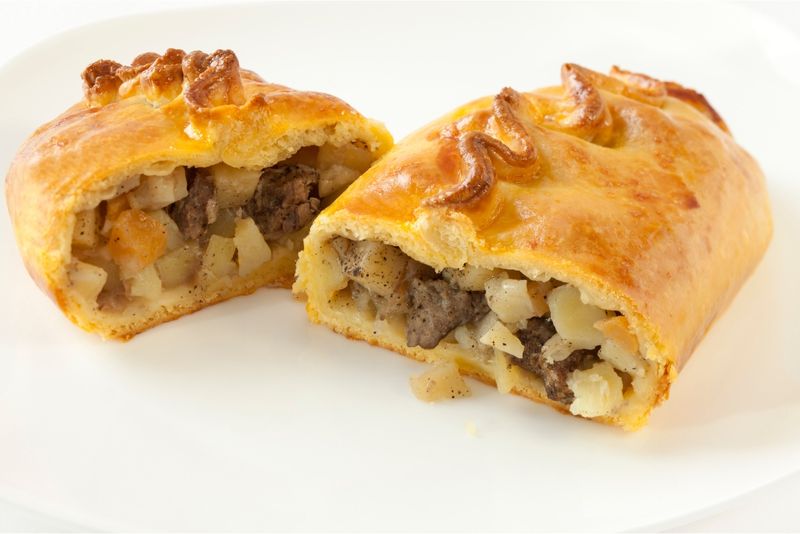
Crimped pastry filled with beef, potato, swede, and onion has protected geographical status, which sounds impressive. Originally, these were packed lunches for Cornish tin miners who needed portable, hearty meals.
Now you'll find them in every service station and supermarket chiller. They're working-class heritage food, not fine dining. Delicious? Yes. Fancy? Absolutely not. Just honest grub in pastry form.
10. Eton Mess
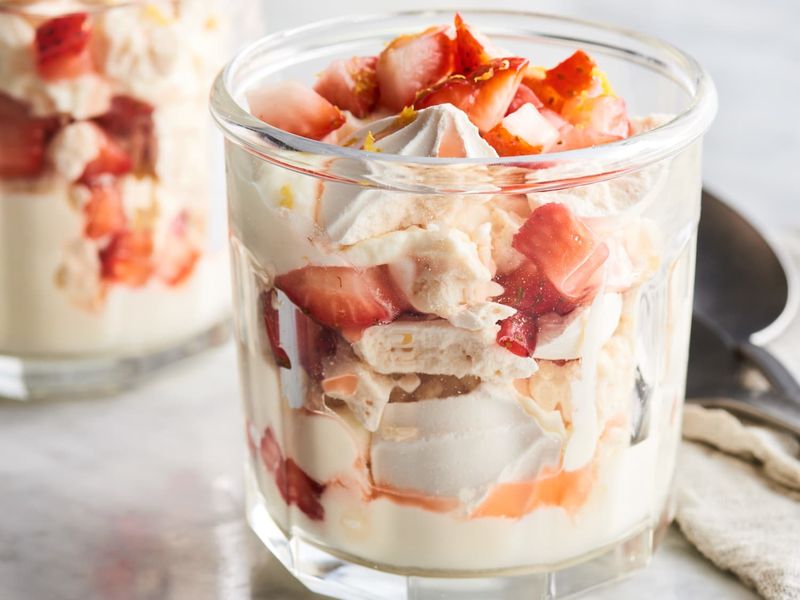
Despite its posh school origins, this dessert is literally broken meringue mixed with cream and strawberries. The name comes from Eton College, but the recipe is "throw ingredients in a bowl and stir."
British families make this for summer gatherings using shop-bought meringue nests. It's intentionally messy and requires zero culinary skill. The fanciest thing about it is pronouncing "Eton" correctly whilst eating it.