


Some of Britain’s most charming desserts are quietly slipping off menus, tucked away behind trendier sweets and modern takes on classics. There’s something strangely comforting about revisiting the puddings many of us grew up hearing about, even if we didn’t always appreciate them at the time.
These old favourites still carry a warm sense of nostalgia, and exploring them feels a bit like dipping into a family recipe book that’s been left slightly open.
This content is for general informational purposes only and may not reflect regional availability or individual preferences. Photos are for illustrative purposes only.
1. Figgy Pudding
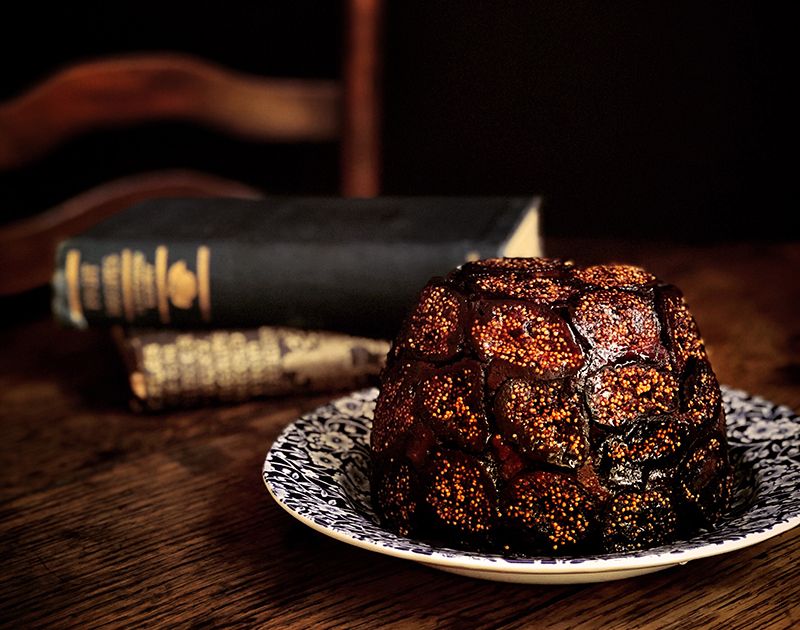
Once sung about in Christmas carols, this dense steamed pudding packed with figs and dried fruits rarely appears on modern holiday tables. The lengthy preparation time puts off busy cooks, even though its rich, spiced flavour captures festive magic perfectly.
Victorian families considered it essential for celebrations, steaming it for hours in cloth wrappings. Today's convenience culture means most people have never tasted this historic sweet, leaving it to fade into culinary history books.
2. Treacle Tart
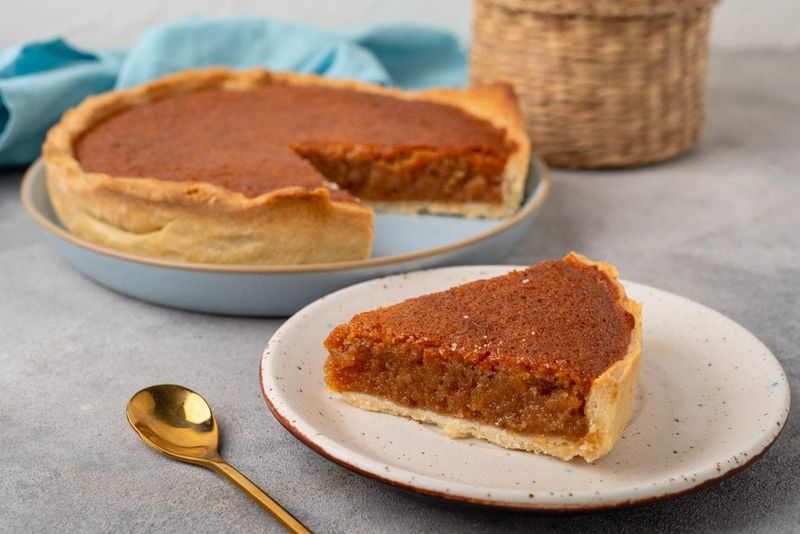
Golden syrup and breadcrumbs create this sticky-sweet pastry that warmed countless British childhoods. Schools once served it regularly, but health-conscious menus have pushed it aside despite its simple charm and comforting taste.
Harry Potter fans might recognise it as the wizard's favourite pudding, yet few young readers have actually tried this gooey delight. Its intensely sweet nature doesn't match current dietary trends, making it increasingly rare in both homes and restaurants.
3. Bread And Butter Pudding
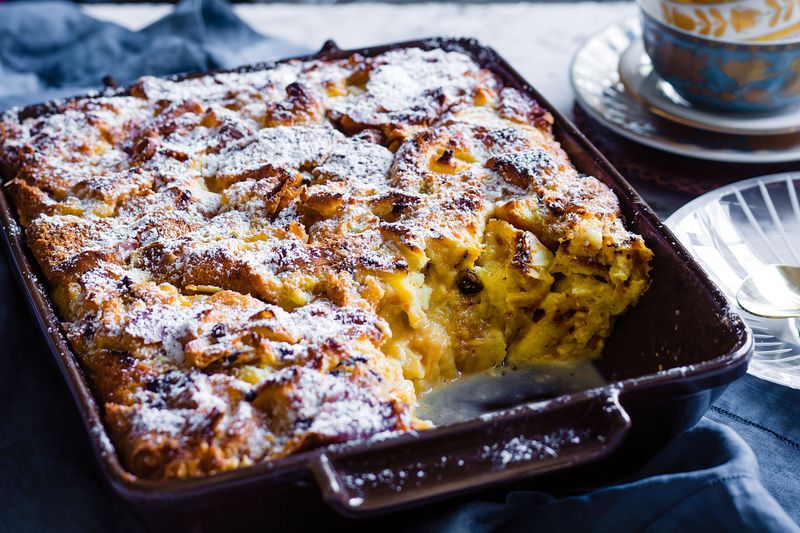
Thrifty grandmothers transformed stale bread into this custardy marvel, layering buttered slices with raisins and spices. Born from necessity during rationing, it taught families never to waste a crumb whilst creating something genuinely delicious.
Modern abundance means we bin old bread rather than bake with it. The pudding's humble origins work against it now, even though its creamy, cinnamon-scented layers deserve appreciation beyond their economical roots.
4. Sussex Pond Pudding
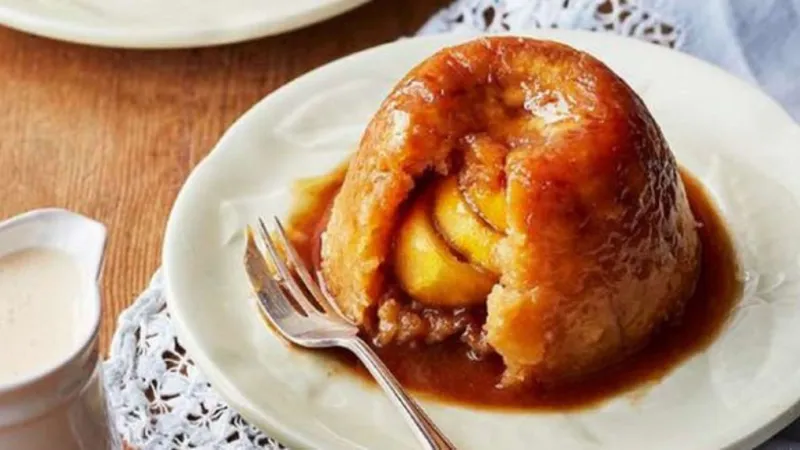
A whole lemon sits at the heart of this suet-crust wonder, surrounded by butter and sugar that melt into a glorious pond when cut. Regional pride once made it a Sussex speciality, but its unusual construction puzzles modern bakers.
The dramatic reveal when sauce gushes out makes it perfect for impressing dinner guests. Yet few cookery books feature it anymore, and younger generations have never witnessed its magical buttery flood or tasted its sharp-sweet contrast.
5. Trifle
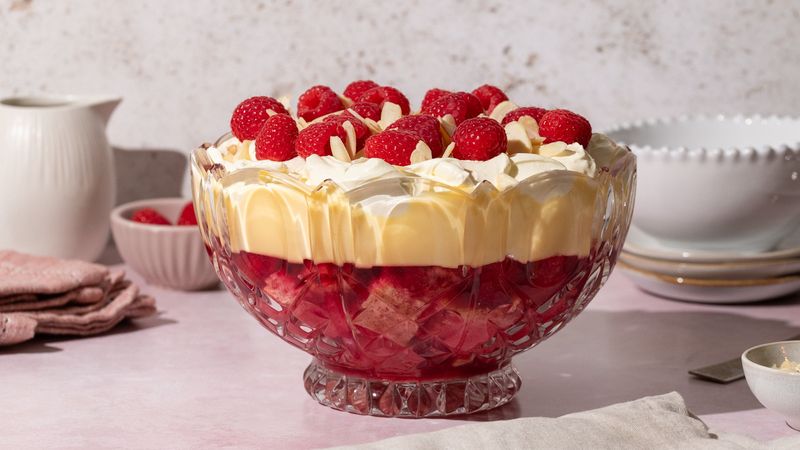
Layered magnificence in a glass bowl once crowned every party buffet and special occasion. Sponge fingers soaked in fruit juice, thick custard, wobbly jelly, and clouds of cream created a showstopping centrepiece that delighted children and adults alike.
Ready-made versions in supermarkets lack the homemade magic that made trifle special. The time needed to prepare each separate layer properly means families skip it now, choosing simpler desserts instead of this beloved British institution.
6. Lardy Cake
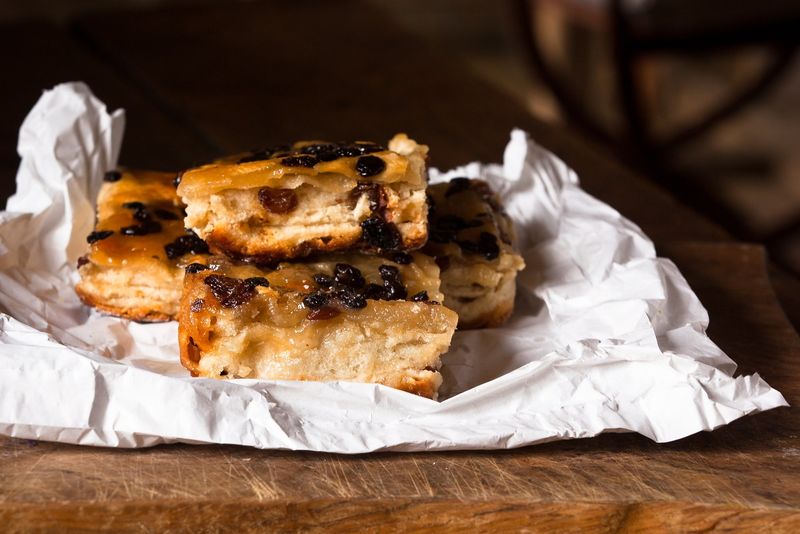
Wiltshire bakers created this outrageously rich yeasted dough folded with lard, sugar, and dried fruit until gloriously sticky. Farm workers needed its concentrated energy for long days in the fields, making it a practical fuel source wrapped in indulgent sweetness.
Its name alone makes health-conscious shoppers recoil, despite lard being a traditional cooking fat. Bakeries rarely stock it anymore, and the labour-intensive folding technique intimidates home bakers, pushing this regional treasure towards extinction.
7. Manchester Tart
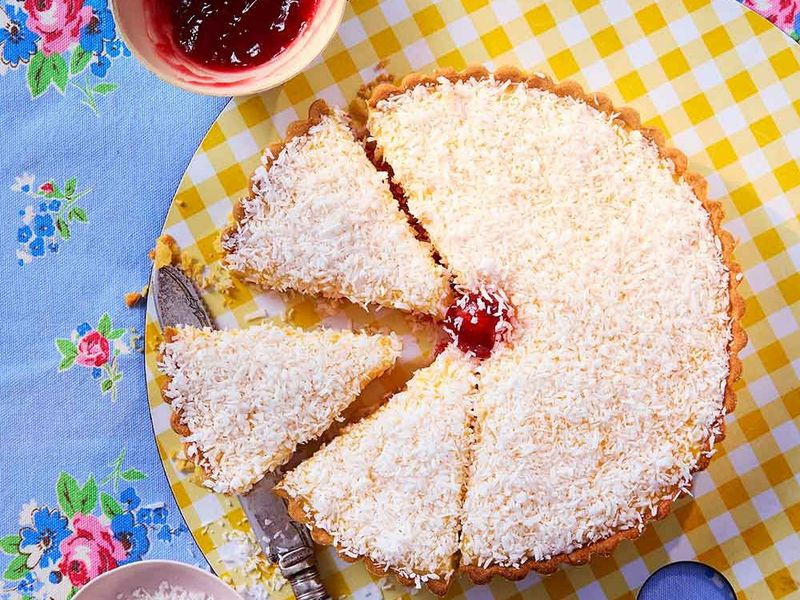
Bright pink icing and coconut sprinkles make this tart instantly recognisable to anyone who grew up in northwest England. School dinners featured it regularly, with its jam and custard layers providing affordable sweetness that fuelled afternoon lessons.
Nostalgia can't save it from declining popularity as adult tastes move towards sophisticated flavours. The garish pink topping seems old-fashioned now, and few bakeries outside Manchester still produce this cheerful regional classic for new generations.
8. Junket
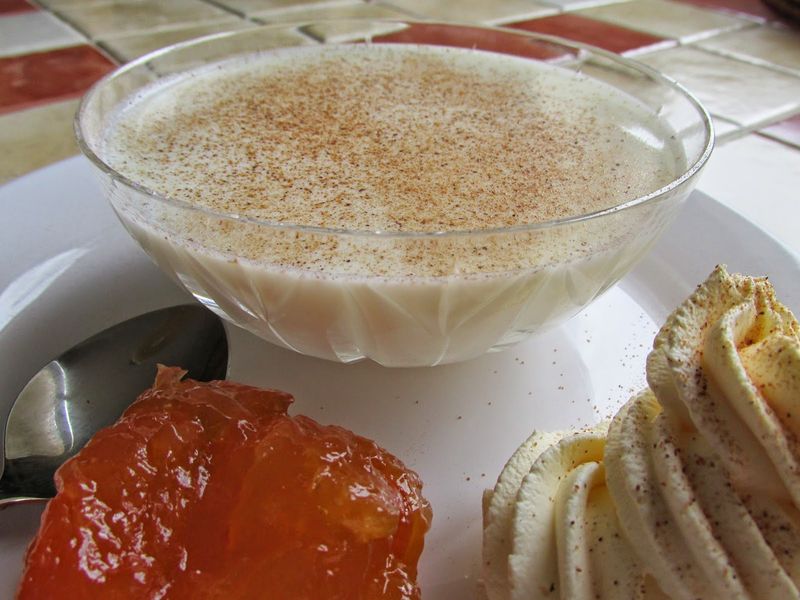
Rennet transforms warm milk into this delicate, wobbly pudding that tastes subtly sweet and impossibly smooth. Victorian households served it to invalids and children, valuing its gentle nature and easy digestibility during illness or growing years.
The unusual preparation method confuses cooks accustomed to instant puddings, leaving junket almost completely forgotten.
9. Arctic Roll
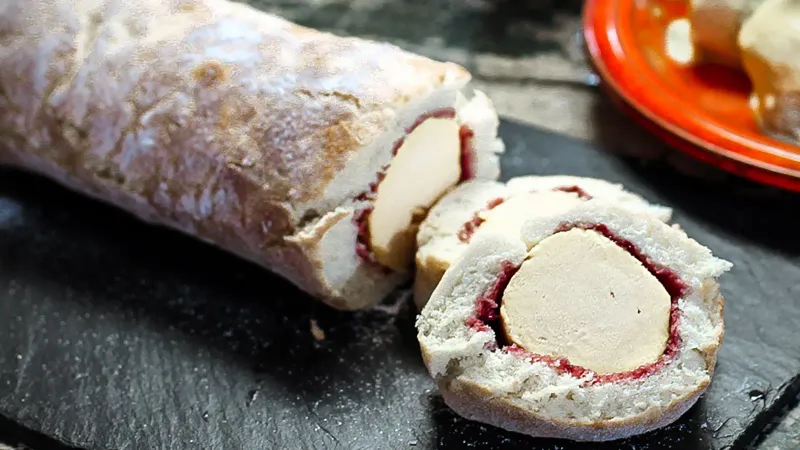
Vanilla ice cream wrapped in thin sponge cake created the ultimate freezer treat for families. Birthday parties weren't complete without this cylindrical marvel, sliced to reveal its distinctive spiral pattern that fascinated children everywhere.
Cheap ingredients made it affordable for mass production, but that same economy now marks it as low-quality compared to artisan ice creams. Nostalgia keeps it alive in some freezer sections, though sales dwindle as fewer people remember its former glory.
10. Queen Of Puddings
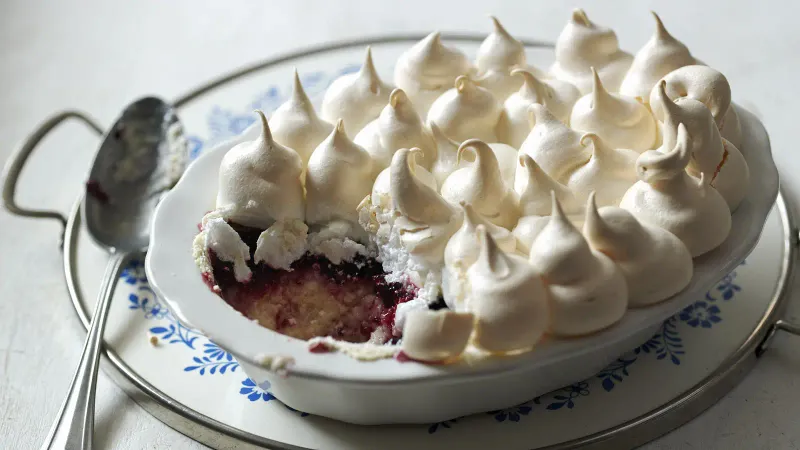
Breadcrumbs baked in custard form the base for raspberry jam and clouds of meringue in this elegant Victorian creation. Royal connections in its name suggested sophistication, making it suitable for both everyday meals and grander occasions throughout the nineteenth century.
The three-stage cooking process demands patience that modern schedules rarely allow. Meringue-topped desserts have lost fashionable status, and this once-queenly pudding now sits forgotten, its crown slipping as fewer cooks master its layered beauty.