







Japanese cuisine has a way of turning the simplest moments into something surprisingly clever, and some of the tricks people use in their kitchens are truly next-level. You might already enjoy the flavours, but the techniques behind them can be even more fascinating once you know the stories and shortcuts.
These creative hacks show just how inventive everyday cooking can be, and they might even change the way you see your own kitchen.
This article is shared for general interest and enjoyment, and techniques may vary depending on region and household traditions.
1. Heating Soup With A Hot Stone
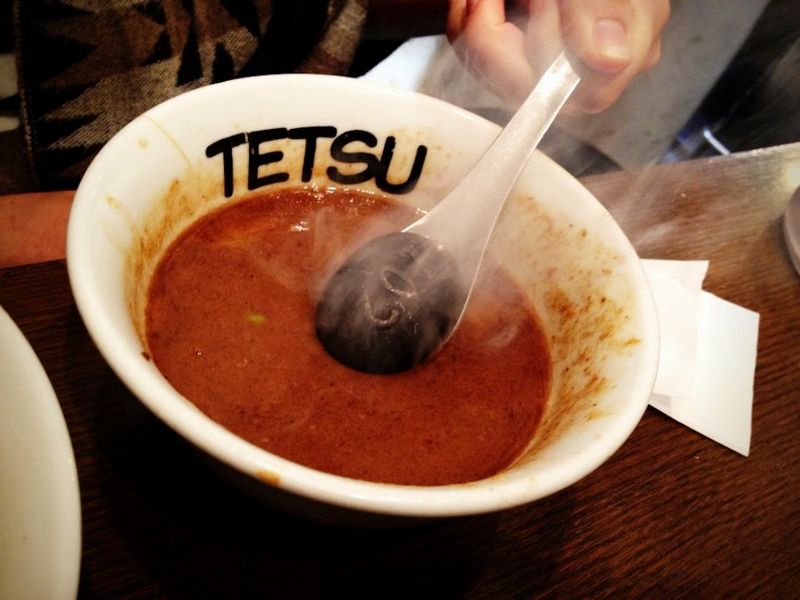
Imagine warming your soup without a microwave or stove. Japanese cooks have used heated stones for generations to bring cold or lukewarm soups back to the perfect temperature.
Simply heat a clean, smooth stone in boiling water or over a flame, then carefully drop it into your bowl. The stone releases heat gradually, warming your soup evenly whilst adding a rustic, authentic touch to your meal.
2. Using A Wet Cloth To Roll Perfect Sushi
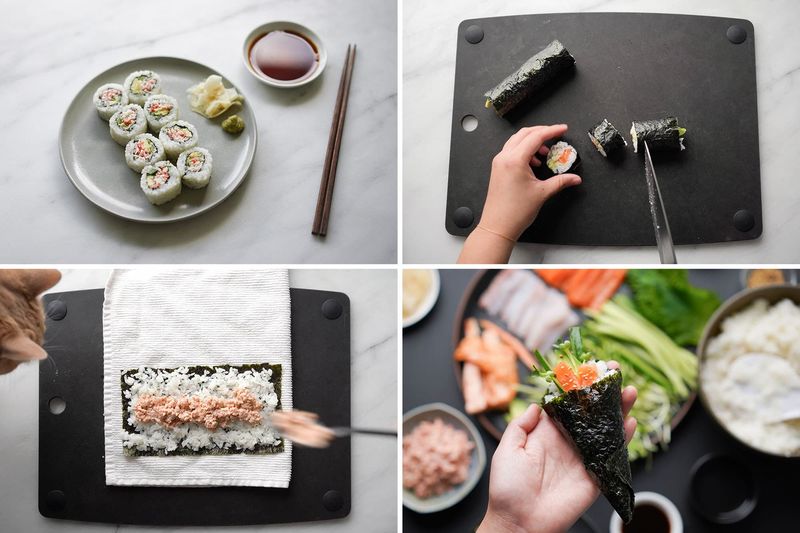
Rolling sushi at home often ends with rice sticking everywhere and uneven shapes. Professional sushi chefs know that a damp cloth changes everything.
Wrapping your bamboo mat in a moistened tea towel prevents rice from clinging to the surface whilst giving you better control. Your rolls come out neater, tighter, and far more impressive. Clean-up becomes much easier too, since the cloth catches stray grains before they make a mess.
3. Dropping A Ceramic Weight Into A Pot To Keep Simmering Even
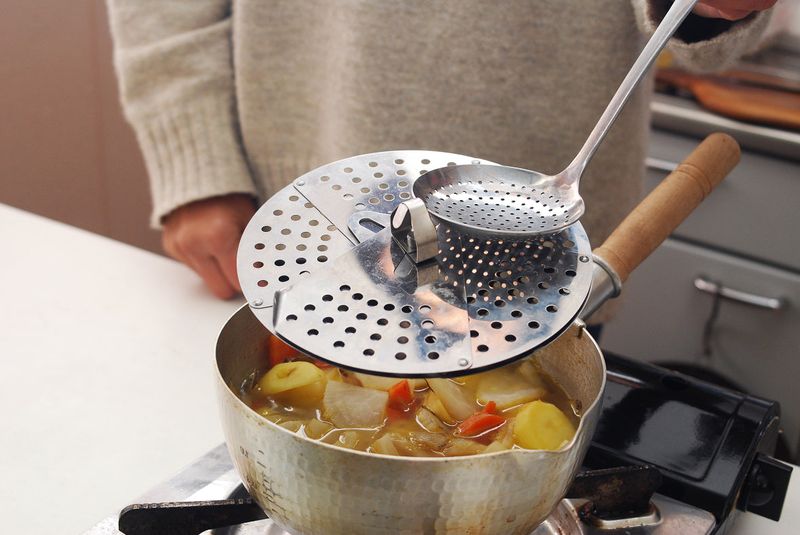
Ever notice how some ingredients float whilst others sink, leading to uneven cooking? Japanese home cooks solve this with a simple ceramic weight called an otoshibuta.
This small, flat disc sits directly on top of your simmering food, keeping everything submerged in the cooking liquid. Flavours distribute more evenly, and delicate ingredients like fish or vegetables maintain their shape. The gentle pressure also reduces cooking time slightly, saving energy.
4. Storing Spring Onions In A Glass Of Water To Regrow Them
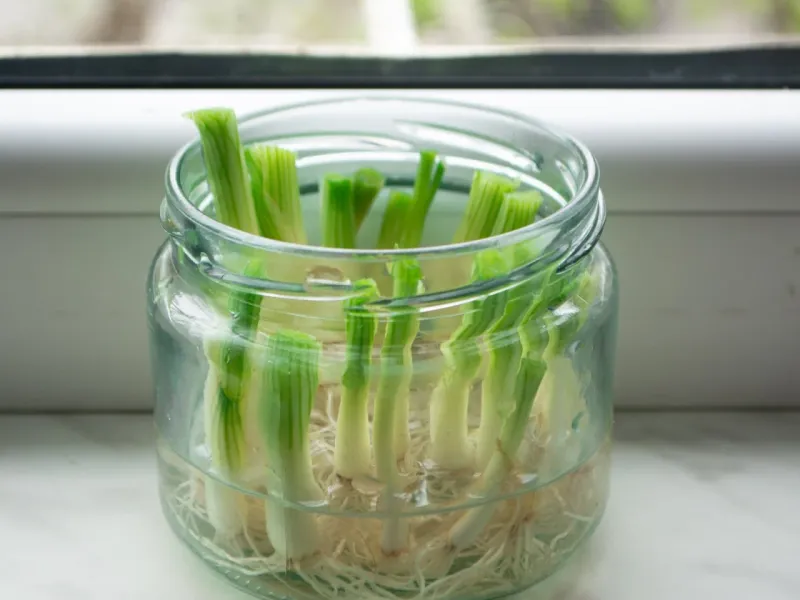
Buying fresh spring onions every week adds up quickly, but Japanese households have a thrifty solution that keeps giving.
After using the green tops, place the white root ends in a glass with about an inch of water. Position it near a window, change the water every few days, and watch new green shoots emerge. Within a week, you'll have fresh spring onions again. This hack saves money whilst reducing food waste brilliantly.
5. Putting Rice In A Mesh Bag To Wash Without Losing Grains
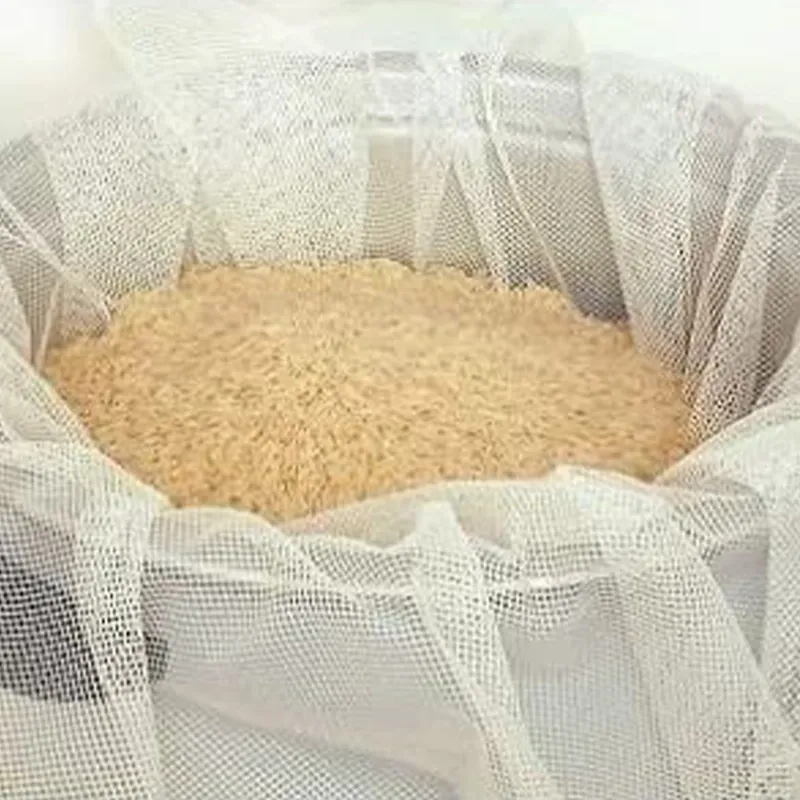
Washing rice properly removes excess starch for fluffier results, but those tiny grains often escape down the drain.
Japanese cooks place their rice in a fine mesh bag before rinsing, allowing water to flow through whilst keeping every grain secure. The bag makes it easier to agitate the rice thoroughly, and you can lift it out cleanly without wrestling with a strainer. It's particularly helpful when preparing large quantities for family gatherings or meal prep.
6. Using A Chopstick To Check Oil Temperature
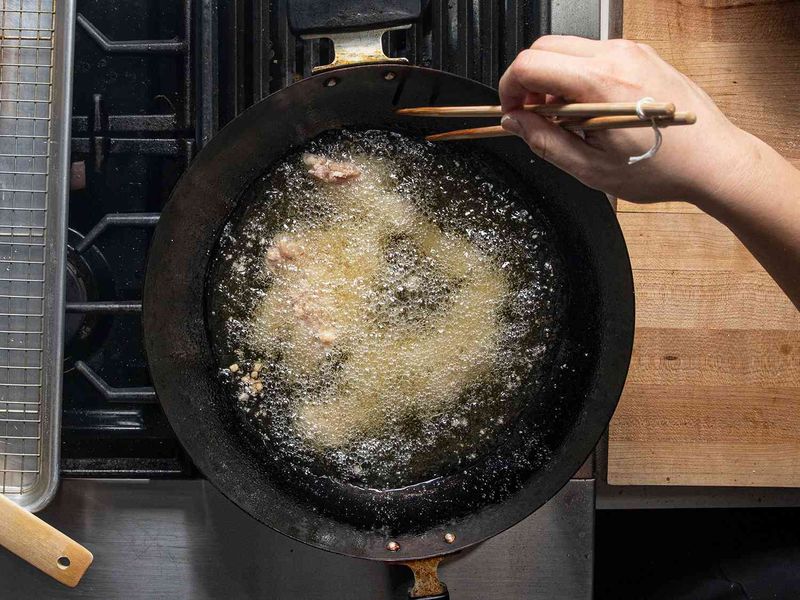
Deep-frying without a thermometer can be tricky, leading to soggy or burnt food. Japanese home cooks have relied on a wooden chopstick for generations to gauge oil readiness.
Dip the chopstick tip into the oil and watch for bubbles. Gentle bubbles mean medium heat, perfect for vegetables. Vigorous bubbling indicates high heat, ideal for tempura batter. No bubbles? Wait a bit longer. This simple test ensures crispy, golden results every time.
7. Adding A Splash Of Vinegar To Keep Poached Eggs Intact
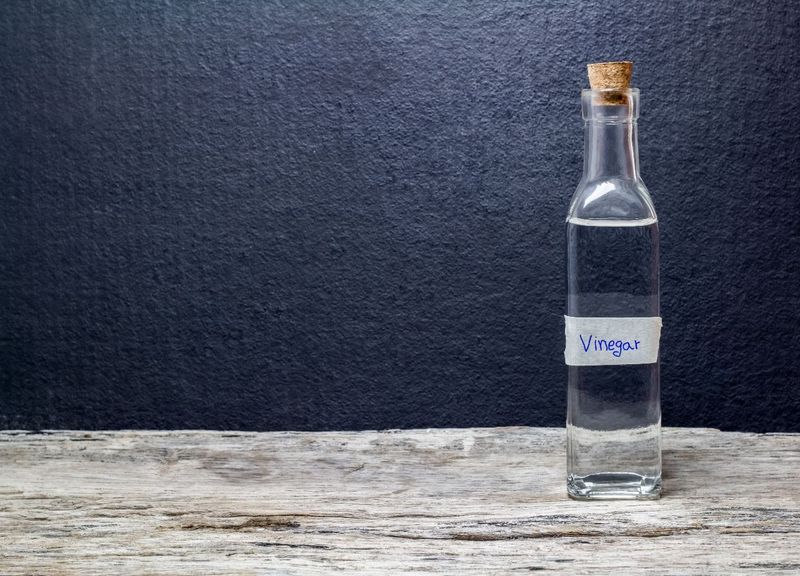
Poached eggs often fall apart in boiling water, leaving you with stringy, messy results instead of those beautiful restaurant-style orbs.
Japanese chefs add a tablespoon of vinegar to their poaching water before cracking the eggs. The acid helps the egg whites coagulate faster, holding their shape beautifully. Your eggs come out with smooth, tender whites wrapped perfectly around runny yolks. The vinegar flavour disappears completely, leaving only impressive presentation and delicious taste.
8. Freezing Tofu For A Firmer, Chewier Texture
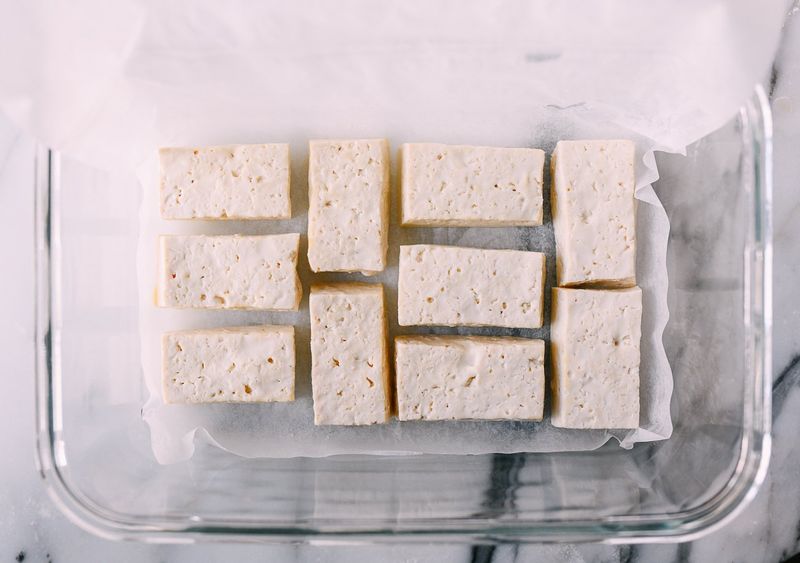
Standard tofu can be quite soft and watery, making it difficult to achieve satisfying texture in stir-fries or grilled dishes.
Freeze your tofu block overnight, then thaw it completely before cooking. The freezing process creates tiny ice crystals that change the protein structure, resulting in a spongier, chewier texture. This transformed tofu absorbs marinades brilliantly and holds up much better during cooking. It's become a favourite trick in Japanese Buddhist temple cuisine.
9. Placing A Lid Made Of Foil (Otoshibuta) Directly On The Food For Even Cooking
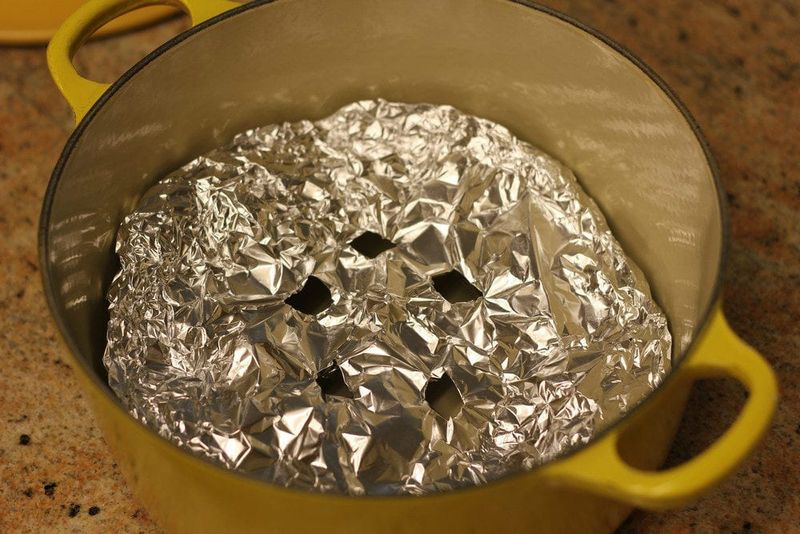
When simmering braised dishes, the top layer often overcooks whilst the bottom stays undercooked. Japanese cooks solve this brilliantly with a foil drop lid.
Cut a circle of foil slightly smaller than your pot, poke a small hole in the centre, and place it directly on the food surface. This creates gentle pressure, keeps ingredients submerged, and allows steam to escape. Flavours concentrate beautifully, and everything cooks at the same rate. It's particularly perfect for nimono-style simmered vegetables.