

American food often sparks debate, but according to travel expert Rick Steves, there is one meal that consistently earns praise from Europeans.
After years spent exploring cultural habits across the continent, Steves has found that breakfast stands out as the American tradition Europeans genuinely admire.
From hearty plates to the social ritual built around the morning meal, it is the unexpected food moment that bridges the gap between the two cultures.
This article is for general informational purposes only and reflects publicly shared commentary from Rick Steves. Food preferences vary by individual, and any examples mentioned are for illustrative purposes only.
Why Europeans Are Surprisingly Fond Of American Breakfast Culture
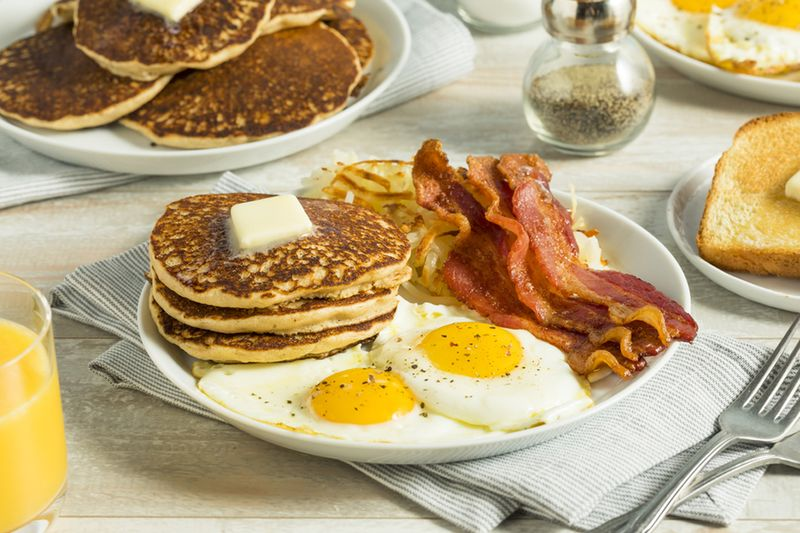
Rick Steves discovered during his travels that American breakfast isn’t just tolerated in Europe, it is genuinely admired. While many Europeans often criticise U.S. cuisine, breakfast seems to be the rare exception that wins them over.
In Italy, Steves spoke with tour guides and locals who praised classic American staples like omelets, bacon, and hash browns.
What impressed them most wasn’t only the food itself but the ritual around it. The idea of meeting for breakfast felt charming and unusual to Italians, who typically don’t gather for a sit-down morning meal.
For some Europeans, the American breakfast tradition offers a sense of warmth, togetherness, and generosity that stands out from their own quick pastries and coffee-on-the-go.
Inside The Morning Traditions That Set American Breakfast Apart
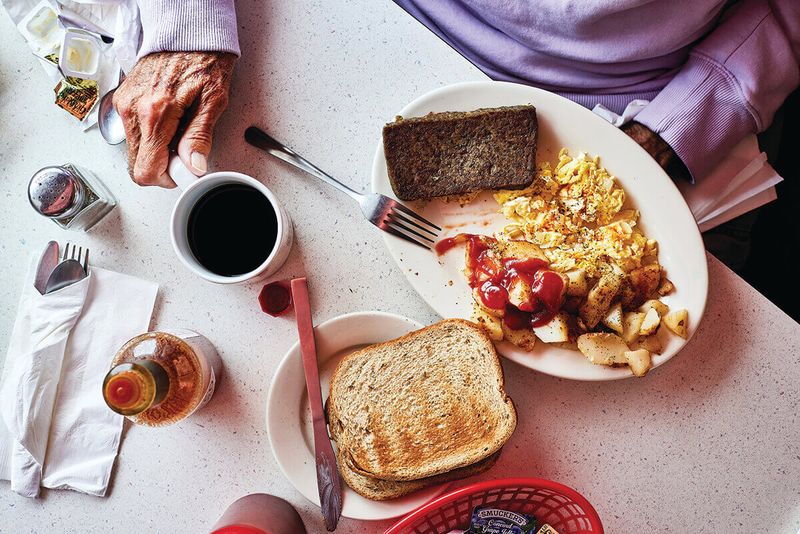
One reason Europeans speak so highly of American breakfast is the culture built around it. In the U.S., breakfast has long been a communal meal rather than a formality before work.
Families catch up over pancakes, eggs, and pots of coffee, while friends make morning meet-ups a regular habit. This atmosphere feels distinctly American to many Europeans Steves met, who noted that such gatherings simply aren’t part of their own routines.
From cosy diners to bustling brunch spots, Americans elevate breakfast into a social moment instead of treating it as a quick bite before the day begins.
The History Behind America's Love For Big, Hearty Breakfast Plates
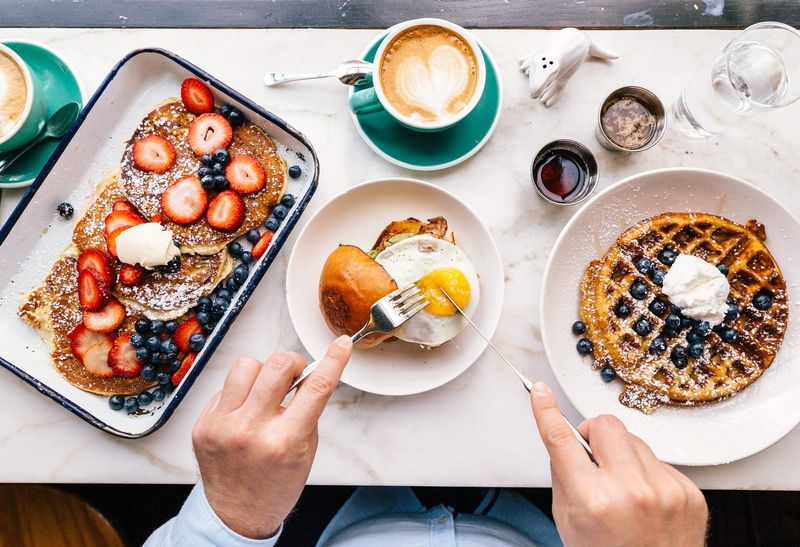
American breakfast didn’t become iconic overnight. As Steves points out, its roots stretch back to the 1800s, when the Industrial Revolution pushed workers to start the day with something more substantial.
By the 20th century, cereal companies supercharged the trend with a marketing message that would shape generations: breakfast is the most important meal of the day.
Pair that with American adaptations of British continental breakfasts, and the result is a wide and colourful spectrum of dishes, from waffles and pancakes to eggs cooked every possible way.
This history explains why American breakfast feels so varied, indulgent, and deeply embedded in the national identity.
How U.S. Breakfast Customs Contrast With European Morning Meals
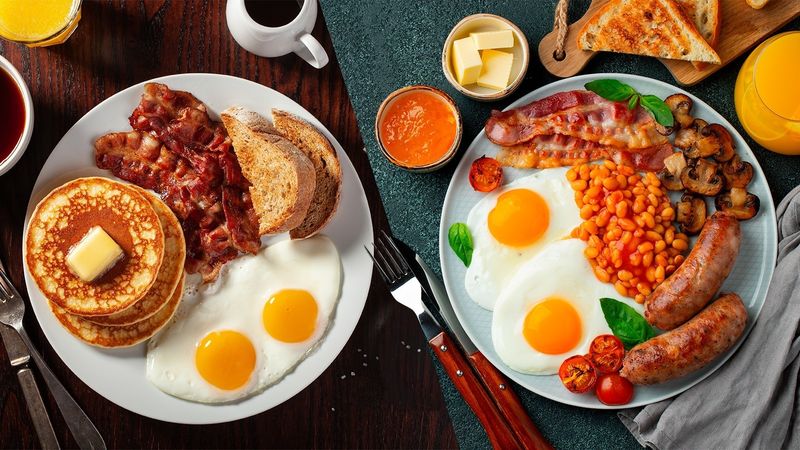
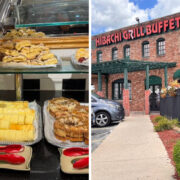
American breakfasts tend to focus on variety and personalisation, with diners choosing from stacks of pancakes, crispy bacon, omelettes, waffles or hash browns, often served in generous portions.
It is also a social meal, with families and friends meeting out for breakfast far more often than many Europeans do.
A full English breakfast, meanwhile, is a set tradition built around a hearty, predictable plate: eggs, sausages, bacon, beans, grilled tomatoes, mushrooms and toast.
Where the American approach is flexible and often shaped by café culture, the full English is rooted in ritual and consistency, offering a structured start to the day rather than the build-your-own style celebrated in the United States.