


There’s something strangely charming about the dishes people once relied on when ingredients were scarce and creativity had to do the heavy lifting. Wartime Britain produced all sorts of meals that seem almost unimaginable now, yet each one reflects a story of resilience and resourcefulness.
Anyone curious about what quietly disappeared once life returned to normal may find a few surprises in this look back at forgotten favourites.
This article is for general information only, and the images are for illustrative purposes only.
1. Snoek

Tinned snoek arrived in Britain during 1947 as a cheap protein source when meat remained scarce. This oily fish from South African waters had a strong smell and unusual taste that most Britons found completely unappetising.
The government promoted it heavily through recipe leaflets, but families rejected it. Shops struggled to sell their stock, and mountains of tins went to waste. Snoek became a symbol of postwar austerity that nobody wanted to remember.
2. Whale Meat
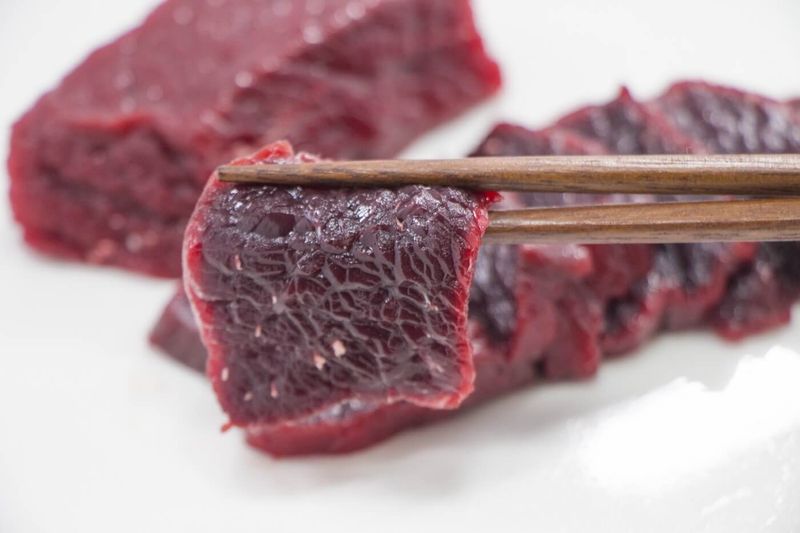
Whale meat appeared in British butcher shops between 1947 and 1951 when traditional meat supplies ran desperately low. Imported from whaling fleets, this dark red meat had a fishy flavour and rubbery texture that put off most shoppers.
Despite being unrationed, whale meat never caught on with the British public. Housewives complained it smelled terrible whilst cooking. Once beef and lamb returned to normal availability, whale meat vanished from counters forever.
3. Dried Egg Powder
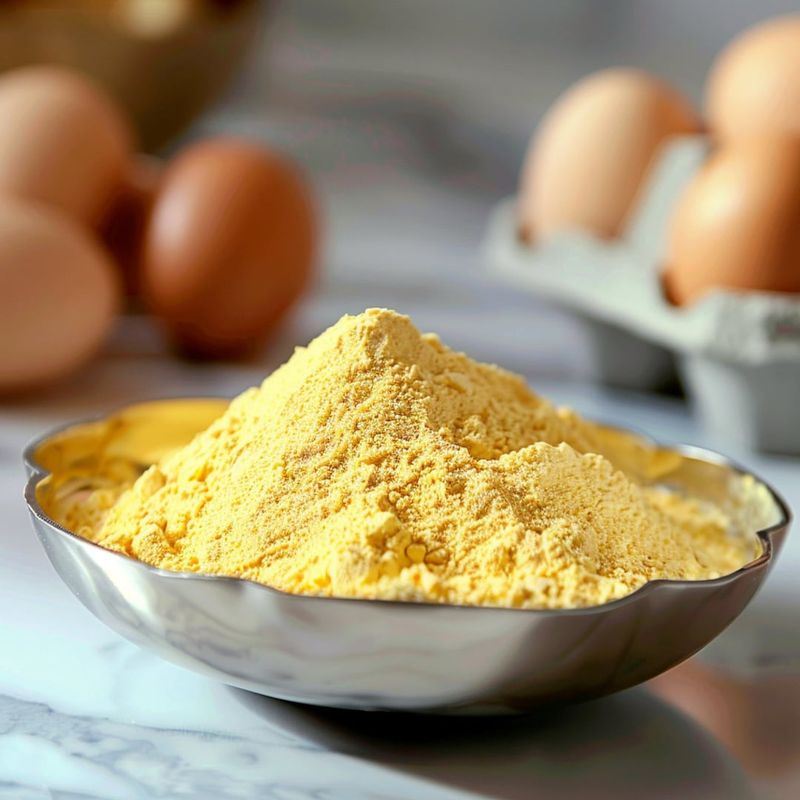
Fresh eggs became precious during wartime, so the Ministry of Food distributed dried egg powder imported from America. Each tin supposedly equalled a dozen eggs, though the sulphurous smell and rubbery scrambled results disappointed many cooks.
Families used it in cakes and omelettes, but nobody truly enjoyed it. The powder clumped easily and tasted nothing like real eggs. When hens started laying normally again, housewives gladly returned their unused tins.
4. The National Loaf
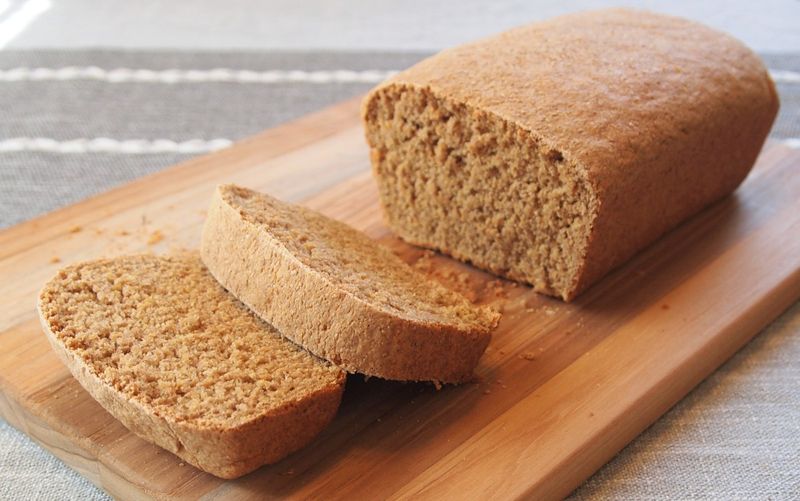
Introduced in 1942, the National Loaf replaced white bread as millers added extra wheat germ and calcium to stretch flour supplies. Its greyish-brown colour and coarse texture made it deeply unpopular with families accustomed to soft white bread.
Many complained it tasted bitter and caused digestive problems. Children particularly disliked its heavy, dense crumb. The moment rationing ended in 1956, Britons rushed back to proper white bread without hesitation.
5. Carrot Jam
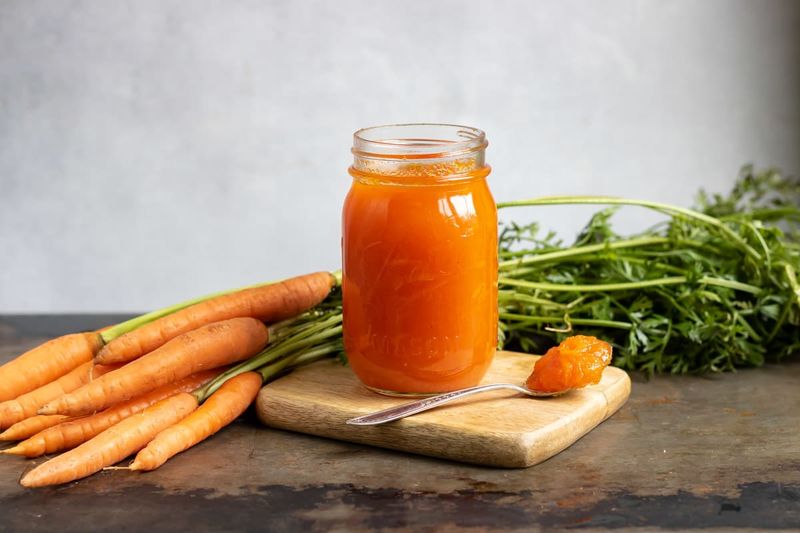
With sugar rationed and fruit scarce, home cooks turned carrots into jam using their precious sugar allowance. The Ministry of Food promoted carrots as versatile vegetables that could replace expensive ingredients in sweet recipes.
Whilst some families appreciated the effort, carrot jam never matched real strawberry or raspberry preserves. Its earthy undertone reminded everyone what they were missing. Peacetime brought proper fruit jams back, and carrot jam recipes disappeared into old recipe books.
6. Woolton Pie
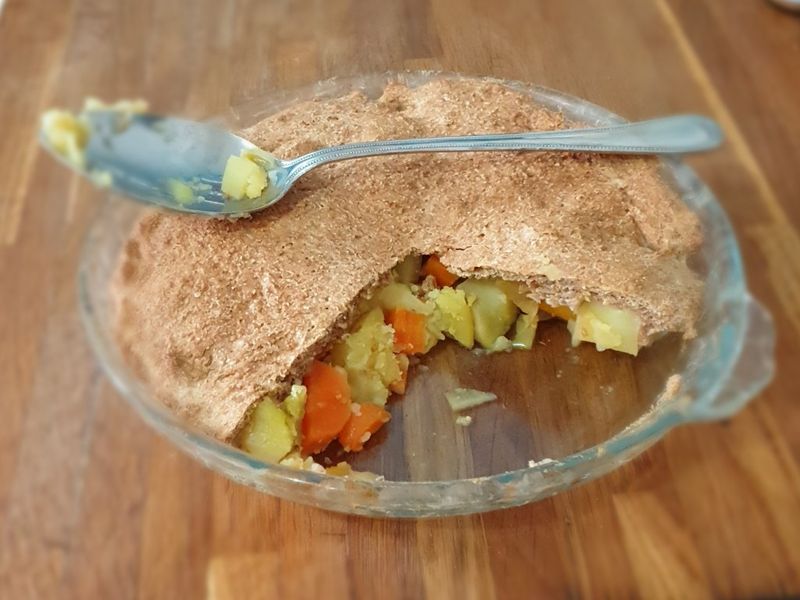
Named after the Minister of Food, Woolton Pie combined whatever vegetables families could grow or buy, topped with potato pastry. Carrots, turnips, parsnips and cauliflower mixed together under an oatmeal crust made a filling but bland meal.
Without meat or proper seasoning, it tasted rather dull. Families ate it because they had little choice during rationing. Once meat returned to butchers, Woolton Pie quietly vanished from dinner tables across Britain.
7. Dried Milk Powder
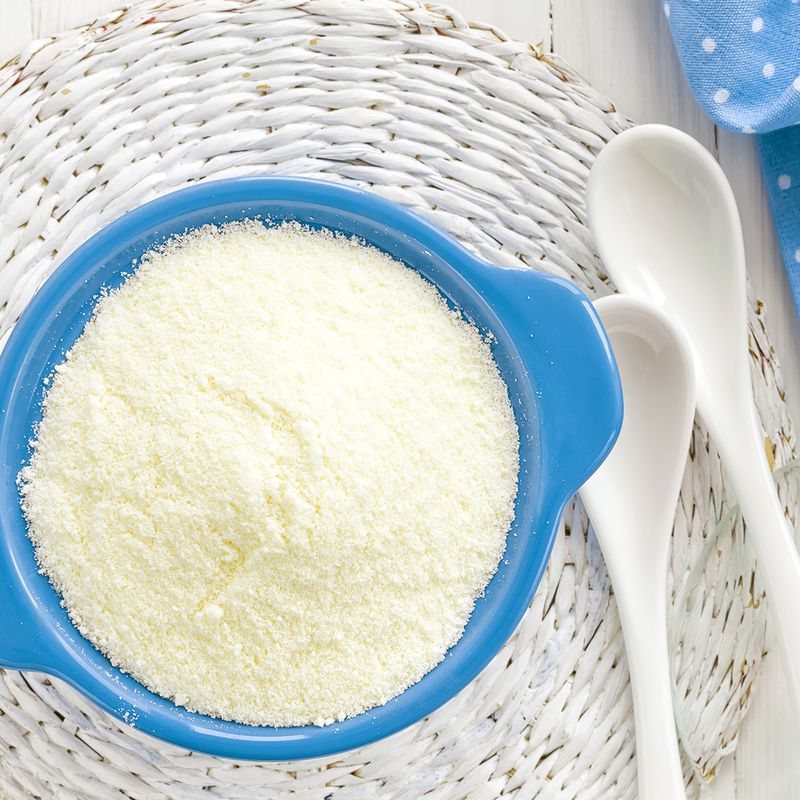
Fresh milk often ran short, so the government issued dried milk powder that families mixed with water. The chalky taste and thin consistency made it unpopular for drinking, though it worked better in cooking and tea.
Children especially disliked the watery flavour compared to creamy fresh milk. Mothers used it reluctantly when dairy deliveries failed. Once milk supplies normalised, tins of powder gathered dust at the back of cupboards before being thrown away.